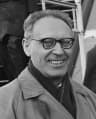
وُلد
February 4, 1897
Fürth, Germany
تُوفّي
May 5, 1977
Bonn, Germany
مشهور بـ
Chancellor of West Germany
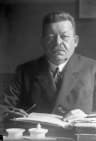
Ludwig Erhard (1897–1977) was Germany best known for Chancellor of West Germany.
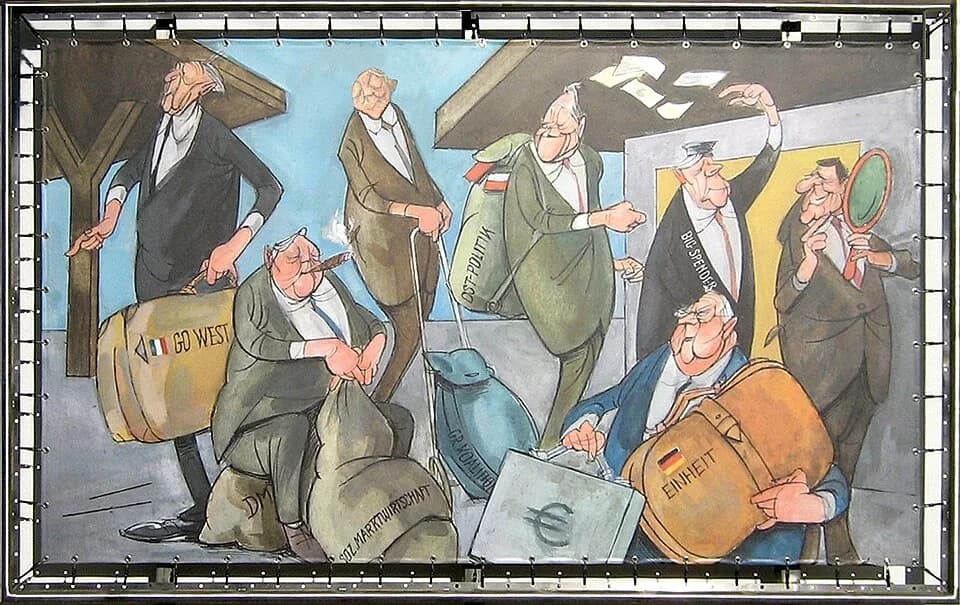
Ludwig Wilhelm Erhard (1897-1977) was a German economist, politician, and university teacher who served as West Germany's second Chancellor. He architected the social market economy that drove Germany's post-war economic miracle. His economic framework continues to guide German policy today.
الفصل
فصول الحياة
الفصل 1 · 1897· الفصل 1 من 6
Early Life and Origins
Born on February 4, 1897, in Fürth, Germany, Ludwig Erhard grew up during a period of significant economic and social change in the German Empire. His early experiences would later influence his understanding of market dynamics and social responsibility. He pursued higher education with a focus on economics, developing the theoretical foundation that would later inform his revolutionary approach to economic policy.
الفصل 2· الفصل 2 من 6
Career Beginnings
Erhard began his professional journey as an economist and university teacher, combining academic research with practical economic analysis. His early work focused on understanding market mechanisms and the relationship between economic freedom and social welfare. These formative years allowed him to develop his distinctive approach to economic policy, blending free-market principles with social considerations.
الفصل 3 · 1949· الفصل 3 من 6
Major Achievements and Career Highlights
Erhard's most significant contribution came as Minister of Economic Affairs under Chancellor Konrad Adenauer from 1949 to 1963. During this crucial period, he implemented the social market economy concept, which balanced free-market capitalism with social welfare programs. This approach proved instrumental in West Germany's rapid economic recovery from the devastation of World War II.
In 1963, he succeeded Adenauer as the second Chancellor of West Germany, serving until 1966. Though his chancellorship was shorter than his tenure as economics minister, it solidified his position as one of Germany's most influential post-war leaders. His policies during both roles helped transform West Germany from a war-torn nation into an economic powerhouse.
الفصل 4 · 1976· الفصل 4 من 6
Notable Works and Contributions
Erhard's intellectual contributions extended beyond policy implementation to academic and popular writing. His most cited work, "Germany's Comeback in the World Market" (1976), explained the economic principles behind Germany's post-war recovery. The book garnered significant academic attention, receiving 8 citations and helping spread understanding of his economic model internationally.
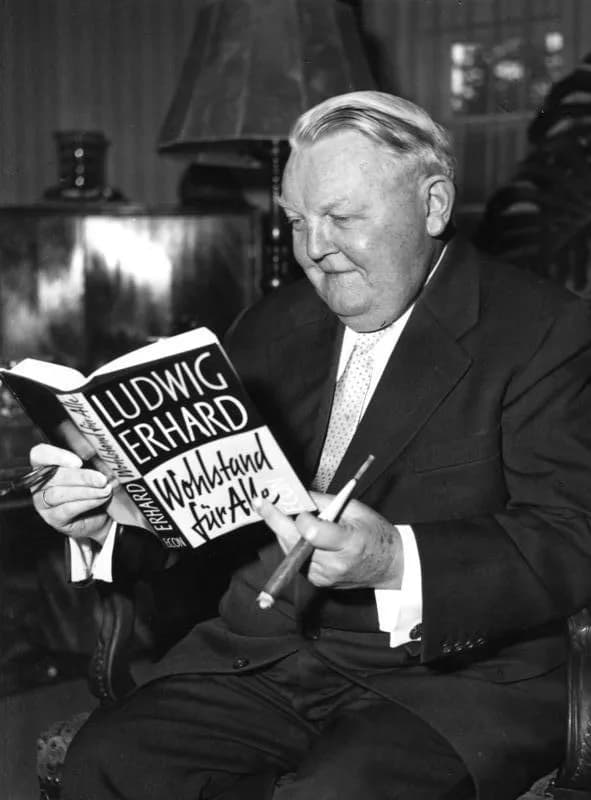
Another major work, "Well-being for All," articulated his vision of an economy that serves all citizens rather than special interests. This publication, along with related excerpts exploring themes like "Threat group interests" and "From citizen to servant," demonstrated his commitment to economic democracy and broad-based prosperity.
الفصل 5 · 1966· الفصل 5 من 6
Later Years
After leaving the chancellorship in 1966, Erhard remained active in economic discourse and continued his academic work. He spent his final years in Bonn, Germany, where he continued to influence economic thought and policy discussions. His later writings reflected on the successes and challenges of implementing the social market economy model.
الفصل 6· الفصل 6 من 6
Legacy and Impact
Ludwig Erhard's most enduring legacy lies in the social market economy framework he developed and implemented. This system continues to form the basis of German economic policy in the 21st century, demonstrating the lasting relevance of his ideas. His approach successfully balanced economic efficiency with social equity, creating a model that influenced economic thinking far beyond Germany's borders.
When he died on May 5, 1977, in Bonn, Erhard left behind a transformed nation and a new understanding of how markets could serve society. His academic work, including 18 papers with an h-index of 5, continues to be studied by economists seeking to understand the relationship between free markets and social welfare. The economic miracle he helped create stands as a testament to the power of thoughtful, principled economic leadership.
حياة في لحظات
اللحظات التي شكّلت حياة
الأسئلة الشائعة
أسئلة متكررة
متى توفي Ludwig Erhard?
توفي Ludwig Erhard في 5 مايو 1977 في Bonn, Germany عن عمر يناهز 80 عامًا.
أين وُلد Ludwig Erhard?
وُلد Ludwig Erhard في Fürth, Germany في 4 فبراير 1897.
بماذا اشتهر Ludwig Erhard?
اشتهر Ludwig Erhard بـ Chancellor of West Germany.
كم كان عمر Ludwig Erhard عند وفاته?
كان عمر Ludwig Erhard 80 عامًا عند وفاته.
ما جنسية Ludwig Erhard?
كان Ludwig Erhard من Germany.
الخط الزمني
الحياة في لمحة
معرض الصور
حياة في صور
انقر على أي صورة بولارويد لتكبيرها · 48 صورة
رمز الاستجابة السريعة
شارك هذه السيرة
اطبع وشارك
امسح ضوئيًا لزيارة هذه السيرة. اطبعها للفعاليات أو المعارض أو المواد التعليمية.