وُلد
February 4, 1778
Geneva, Switzerland
تُوفّي
September 9, 1841
Geneva, Switzerland
مشهور بـ
Swiss botanist
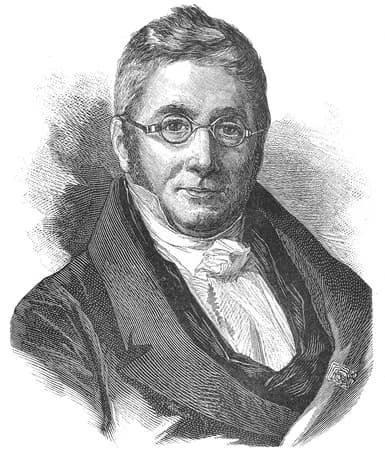
Augustin-Pyramus de Candolle (1778–1841) was Switzerland best known for Swiss botanist.
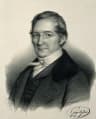
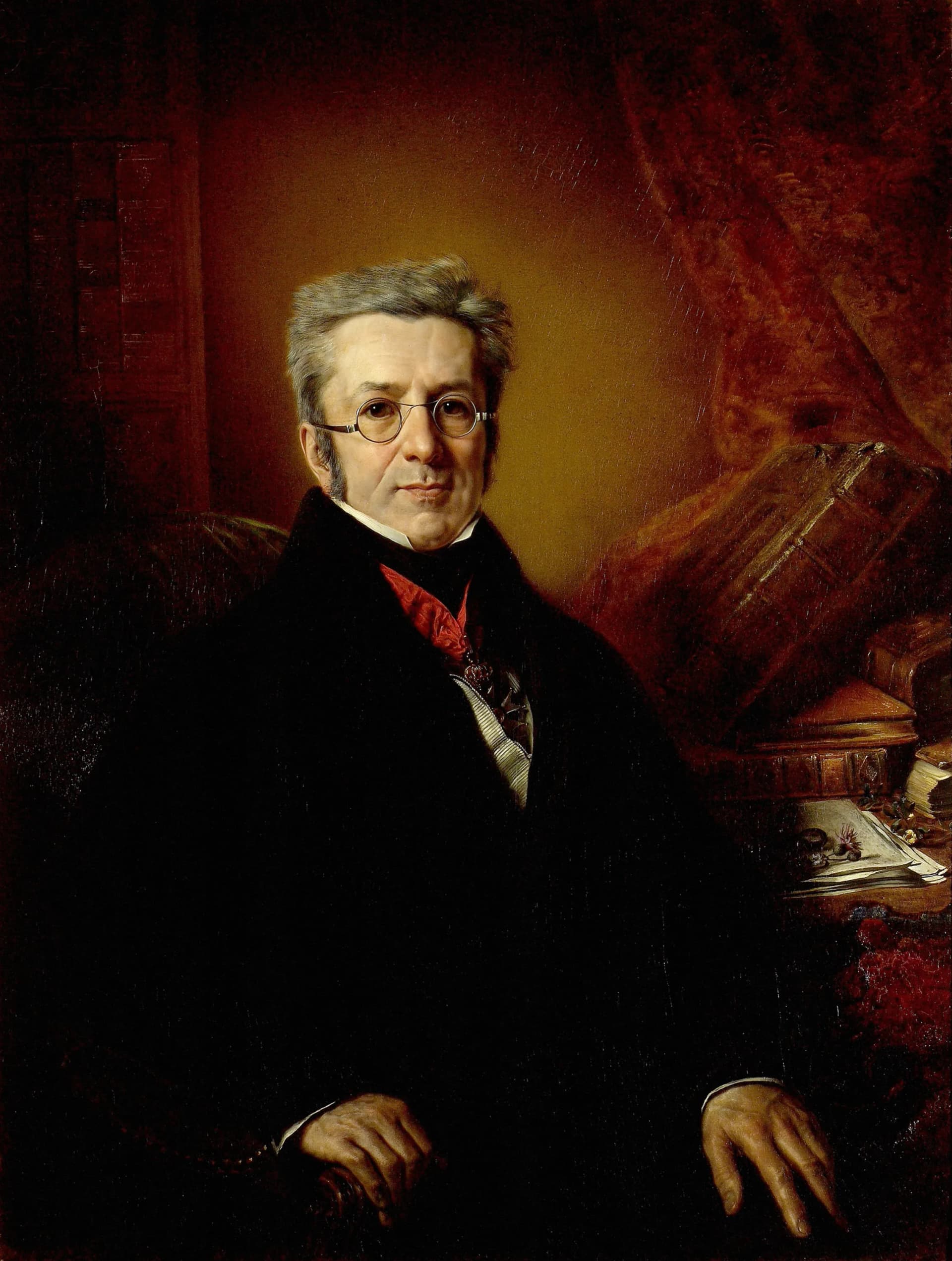
Augustin-Pyramus de Candolle (February 4, 1778 – September 9, 1841) was a Swiss botanist and naturalist. He documented hundreds of plant families and created a new natural plant classification system. His work provided foundational systems for botanical study that continue to influence the field.
الفصل
فصول الحياة
الفصل 1 · 1778· الفصل 1 من 7
Introduction
Augustin-Pyramus de Candolle (1778–1841) was a distinguished Swiss botanist whose work profoundly shaped the understanding of the plant kingdom. As a naturalist, professor, and zoologist, he dedicated his life to documenting nature and establishing foundational systems for botanical study. His contributions as a botanical collector and scientific collector left a lasting impact on how plants are categorized and understood worldwide.
الفصل 2 · 1778· الفصل 2 من 7
Early Life and Origins
Born on February 4, 1778, Augustin-Pyramus de Candolle began his journey in Geneva, Switzerland, a city that would remain central to his life and work. His early environment in Geneva likely fostered his keen interest in the natural world. This significant Swiss city was not only his birthplace but also the place where his extensive career unfolded and where he ultimately passed away.
الفصل 3· الفصل 3 من 7
Career Beginnings
De Candolle's botanical career received a significant launch through the recommendation of René Louiche Desfontaines at a prestigious herbarium. This pivotal introduction quickly propelled him into active research and discovery. Within just a couple of years, de Candolle had already established a new genus, marking an early and impressive start to his scientific endeavors.
الفصل 4· الفصل 4 من 7
Major Achievements and Career Highlights
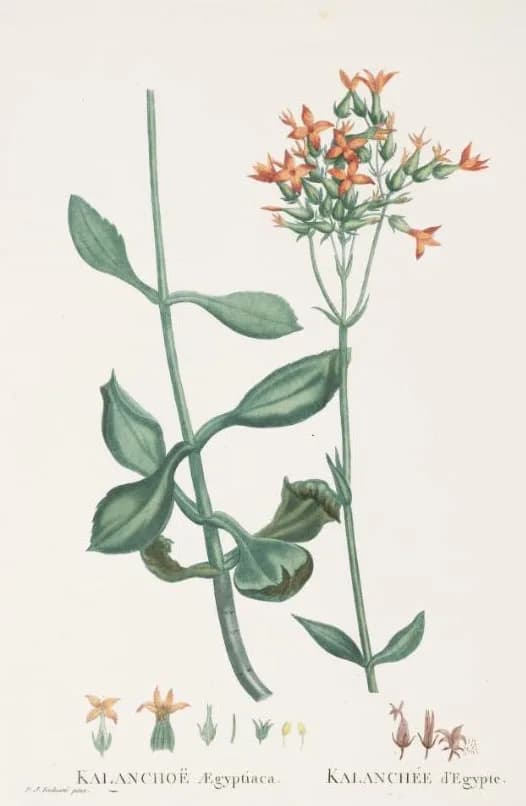
A defining aspect of de Candolle's career was his relentless effort to document the vast diversity of plant life. He systematically documented hundreds of plant families, providing a clearer framework for botanical study. His most significant achievement was the creation of a new, natural plant classification system, which revolutionized how botanists organized and understood plant relationships.
Beyond his primary focus on botany, de Candolle made valuable contributions to several related scientific fields. He explored areas such as phytogeography, the study of plant distribution, and agronomy, the science of soil management and crop production. His expertise also extended to paleontology, medical botany, and economic botany, showcasing his broad scientific acumen and influence across various disciplines.
الفصل 5 · 1968· الفصل 5 من 7
Notable Works or Contributions
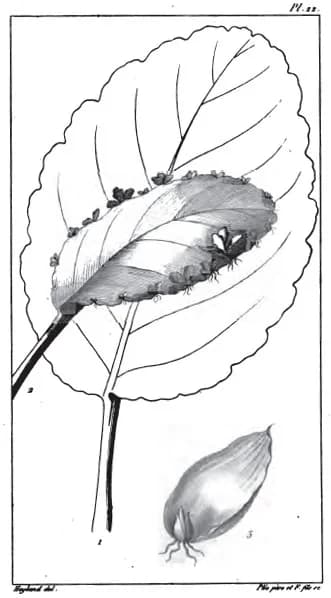
Augustin-Pyramus de Candolle's extensive body of work includes several highly influential publications that remain significant in botanical literature. His monumental work, "Prodromus systematis naturalis regni vegetabilis," published in 1968, stands out with 1077 citations, reflecting its enduring scholarly importance. This work was central to his new classification system.
Other key publications include "Flore française, ou, Descriptions succinctes de toutes les plantes qui croissent naturellement en France," published in 2018 with 54 citations, and "Essai sur les propriâetâes mâedicales des plantes, comparâees avec leurs formes extâerieures et leur classification naturelle," which garnered 14 citations. He also penned "Mémoires et souvenirs" (1968, 14 citations) and "Histoire de la botanique genevoise, discours prononcé a la cérémonie académique des promotions, le 14 juin 1830" (1968, 1 citation). His prolific career is further evidenced by an h-index of 10 across 33 papers.
الفصل 6 · 1841· الفصل 6 من 7
Later Years and Passing
Augustin-Pyramus de Candolle continued his dedicated work until his passing on September 9, 1841. He died in Geneva, Switzerland, the same city where he was born and had spent his illustrious career. His life's work culminated in a legacy of scientific inquiry and discovery, deeply rooted in his homeland.
الفصل 7· الفصل 7 من 7
Legacy and Impact
The impact of Augustin-Pyramus de Candolle on botany is enduring and profound. His innovative natural plant classification system provided a logical and widely adopted framework that shaped subsequent botanical research and education. By documenting hundreds of plant families, he laid essential groundwork for future generations of scientists.
His broader contributions to phytogeography, agronomy, paleontology, and various branches of botany solidified his status as a foundational figure in natural sciences. De Candolle's systematic approach and dedication to comprehensive documentation continue to influence botanical studies, ensuring his place as one of history's most important botanists.
حياة في لحظات
اللحظات التي شكّلت حياة
![Augustin-Pyramus de Candolle - This is the title page [not frontispiece!] of Volume 1 of Prodromus Systematis Naturalis Regni Vegetabilis by A. P. de Candolle (1778–1841).](/_next/image?url=https%3A%2F%2Fcdn.whowasthisguy.com%2Fgallery_wikimedia_commons_1781453582634_1_2e9bc4eb3f.webp&w=1920&q=75)
الأسئلة الشائعة
أسئلة متكررة
متى توفي Augustin-Pyramus de Candolle?
توفي Augustin-Pyramus de Candolle في 9 سبتمبر 1841 في Geneva, Switzerland عن عمر يناهز 63 عامًا.
أين وُلد Augustin-Pyramus de Candolle?
وُلد Augustin-Pyramus de Candolle في Geneva, Switzerland في 4 فبراير 1778.
بماذا اشتهر Augustin-Pyramus de Candolle?
اشتهر Augustin-Pyramus de Candolle بـ Swiss botanist.
كم كان عمر Augustin-Pyramus de Candolle عند وفاته?
كان عمر Augustin-Pyramus de Candolle 63 عامًا عند وفاته.
ما جنسية Augustin-Pyramus de Candolle?
كان Augustin-Pyramus de Candolle من Switzerland.
الخط الزمني
الحياة في لمحة
معرض الصور
حياة في صور
انقر على أي صورة بولارويد لتكبيرها · 25 صورة
رمز الاستجابة السريعة
شارك هذه السيرة
اطبع وشارك
امسح ضوئيًا لزيارة هذه السيرة. اطبعها للفعاليات أو المعارض أو المواد التعليمية.