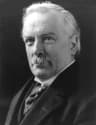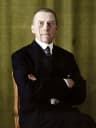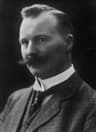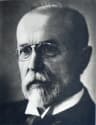
Narodený(á)
January 1, 1863
Paris, France
Zomrel(a)
September 2, 1937
Geneva, Switzerland
Známy(a) ako
founder of modern Olympic Games, pedagogue and historian
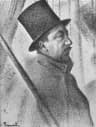
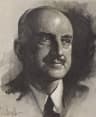
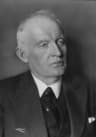
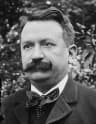
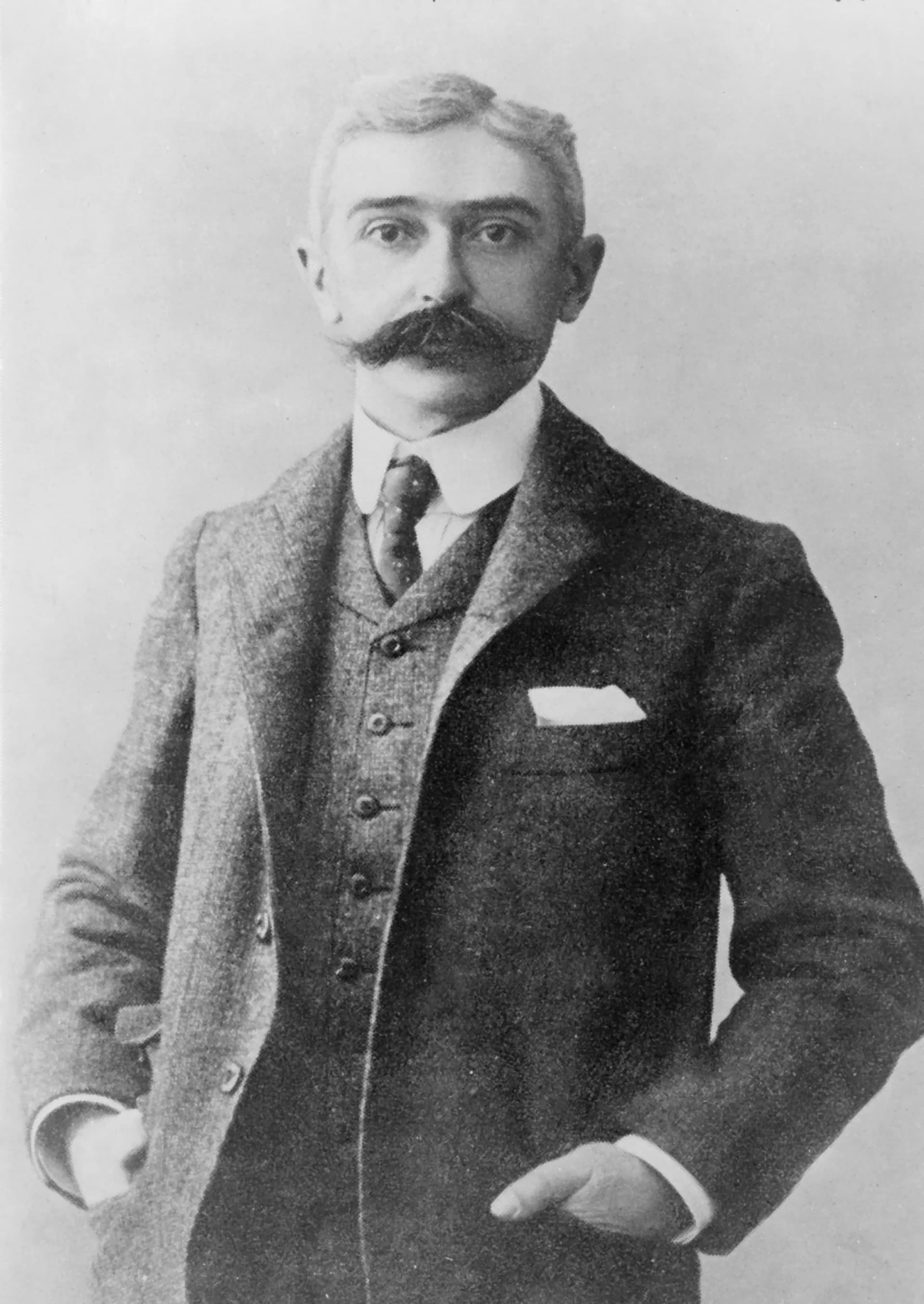
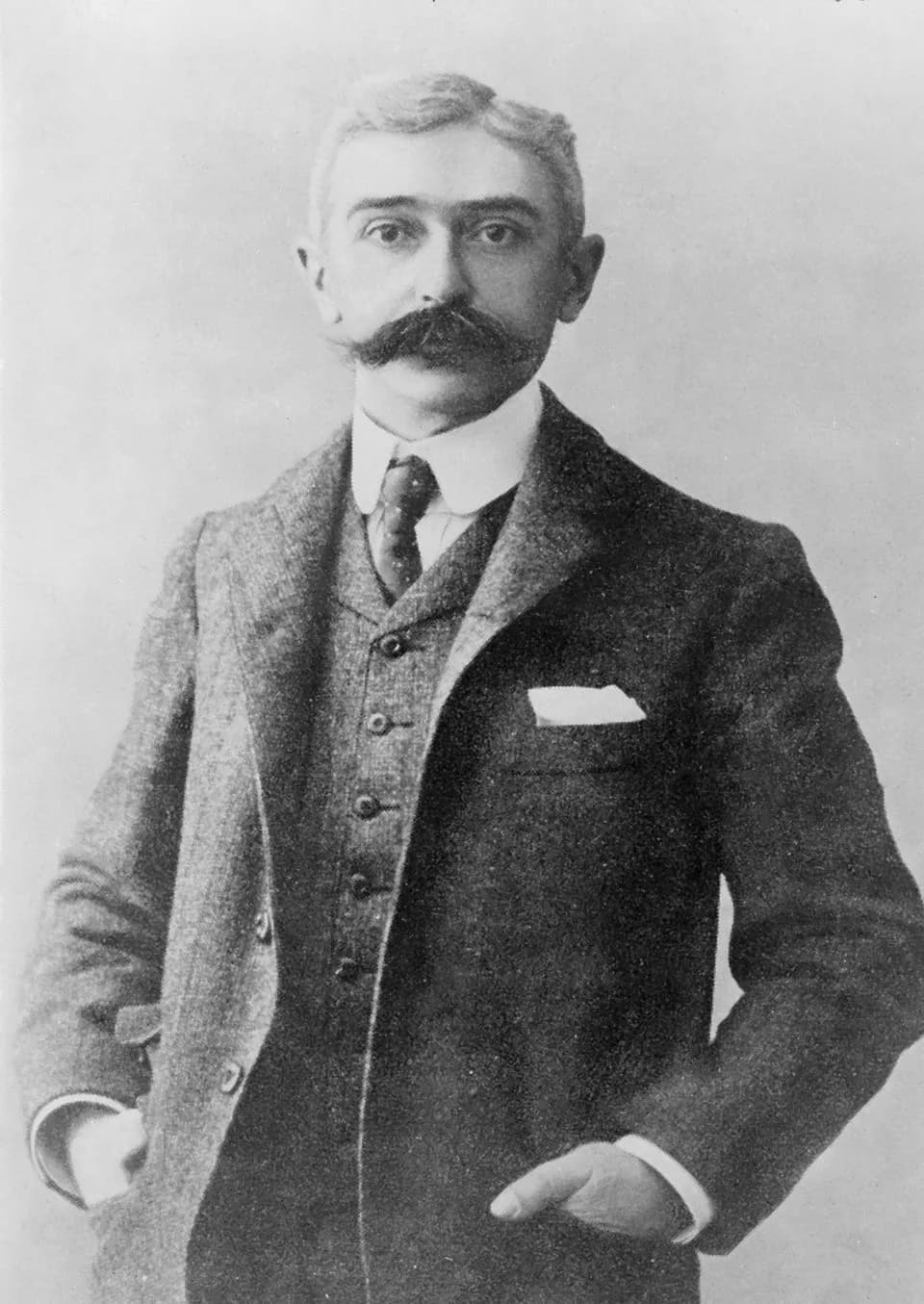
Pierre de Coubertin (1863–1937) was France best known for founder of modern Olympic Games, pedagogue and historian.
Pierre de Coubertin (January 1, 1863 – September 2, 1937) was a French educator and historian from Paris. He is renowned as the founder of the modern Olympic Games and a co-founder of the International Olympic Committee. His vision brought sport into French schools, profoundly shaping global athletic culture.
Kapitola
Životné kapitoly
Kapitola 1 · 1863· Kapitola 1 z 7
Early Life and Origins
Born Charles Pierre de Frédy, Baron de Coubertin, in Paris, France, on January 1, 1863, his upbringing was steeped in French culture and intellectual tradition. His early experiences in the vibrant city of Paris undoubtedly contributed to his expansive views on society and human potential. From a young age, Coubertin demonstrated a keen interest in history and educational philosophy.
His background as a Baron suggests a privileged upbringing that allowed him access to extensive education and opportunities for travel and observation. This exposure to different cultures and educational systems would later inform his reformist ideas for French schools. He was deeply concerned with the physical and moral development of youth.
Kapitola 2· Kapitola 2 z 7
Career Beginnings
Coubertin began his active career as a dedicated educator and historian, passionately advocating for significant reforms within the French educational system. He strongly believed in the crucial role of physical activity in character development and the overall well-being of students. His early writings, such as L'Éducation en Angleterre, explored the pedagogical methods of other nations, particularly their emphasis on sport.
He championed the introduction of sport into French schools, seeing it not merely as physical exercise but as a vital component of a holistic education. His efforts as a writer and teacher enabled him to disseminate these progressive ideas, laying the groundwork for his later, more ambitious projects. Coubertin's vision extended beyond the classroom, aiming to influence national policy regarding youth development.
Kapitola 3 · 1894· Kapitola 3 z 7
Major Achievements and Career Highlights
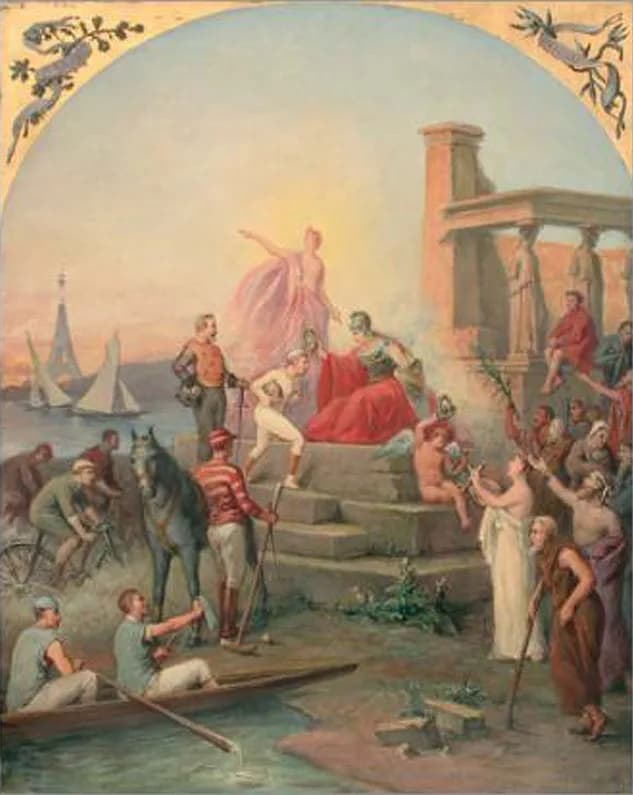
Pierre de Coubertin's most significant and lasting achievement is undeniably the founding of the modern Olympic Games. His vision led to the revival of this ancient Greek tradition, transforming it into a global spectacle of amateur athletics and international goodwill. He successfully co-founded the International Olympic Committee (IOC) in 1894, an organization designed to govern the burgeoning movement.
As the second president of the IOC, Coubertin guided the early years of the modern Games, ensuring their successful inauguration in Athens in 1896. This event marked a crucial milestone in his life's work and in the history of global sport. His leadership was instrumental in shaping the foundational principles and structure of the Olympic movement.
Beyond his Olympic endeavors, Coubertin was recognized for his practical involvement in sports, even serving as a rugby union match official. His varied professional roles as a writer, teacher, politician, historian, and sports official all contributed to his ability to bring his grand vision to fruition. His commitment to sport was evident through both his theoretical advocacy and his direct participation.
Kapitola 4· Kapitola 4 z 7
Personal Life
While specific intimate details of Pierre de Coubertin's family life are not extensively documented in the available information, his public life was deeply intertwined with his passions for education, history, and the unifying power of sport. His travels, particularly those that inspired works like Souvenirs d'Amérique et de Grèce, suggest a person eager to learn from different cultures. He dedicated much of his life to a singular cause, which consumed a vast portion of his personal energy and focus.
His extensive bibliography reflects a man driven by intellectual curiosity and a desire for societal improvement. Coubertin viewed the Olympic movement not just as a sporting competition but as a means to promote international understanding and individual self-improvement. His interests clearly lay in fostering human excellence through physical and moral development.
Kapitola 5· Kapitola 5 z 7
Notable Works or Contributions
Pierre de Coubertin was a prolific writer, and his bibliography offers deep insight into his educational philosophies and historical perspectives. His early work, Notes Sur le Foot-Ball, reveals his interest in specific sports and their role in society. He also delved into comparative education with titles like Universités Transatlantiques and L'Éducation en Angleterre, showcasing his analytical approach to pedagogy.
His personal experiences abroad were captured in Souvenirs d'Amérique et de Grèce, blending travelogue with social commentary. Coubertin also engaged with pressing political issues, as evidenced by Où Va L'Europe ?, demonstrating his broader intellectual engagement. His definitive personal account of the Olympic movement is found in his Olympic Memoirs, offering an invaluable historical perspective.
Further emphasizing his role as a pedagogue, his writings include foundational texts such as Lliçons de pedagogia esportiva, Pédagogie Sportive, and Leçons de Gymnastique Utilitaire. These works articulated his theories on physical education and its importance in character building. His contributions extended to various historical analyses, including Travers l'Histoire Sud-Américaine, showcasing his wide-ranging scholarly interests.
Kapitola 6· Kapitola 6 z 7
Later Years
In his later years, Pierre de Coubertin continued to observe and influence the Olympic movement and educational discourse, witnessing the expansion of his initial vision. He remained an active voice in discussions surrounding sport and its role in society. The global reach of the Olympic Games, which he initiated, grew steadily during his lifetime.
Pierre de Coubertin passed away on September 2, 1937, in Geneva, Switzerland. His death marked the end of a life dedicated to inspiring youth and fostering international camaraderie through athletic competition. He left behind a vibrant legacy that continues to shape global sports culture and educational philosophy.
Kapitola 7· Kapitola 7 z 7
Legacy and Impact
Pierre de Coubertin is universally and deservedly known as the father of the modern Olympic Games, an institution that continues to bring the world together every four years. His foresight in establishing the International Olympic Committee created a robust framework for the Games' enduring success and evolution. The principles he instilled, such as amateurism and the pursuit of excellence, laid the foundation for decades of international competition.
His advocacy for the introduction of sport in French schools had a lasting impact on educational practices, promoting physical activity as integral to personal development. Coubertin's belief in the moral and social benefits of sport transcended mere competition; he saw it as a powerful tool for peace and understanding among nations. His extensive work as a historian provided the intellectual justification for reviving the ancient Games.
The global reach and cultural significance of the Olympic Games stand as a powerful testament to Coubertin's vision and perseverance. His contributions as a pedagogue, historian, and sports official continue to influence how we perceive sport's role in society. Pierre de Coubertin's legacy is one of unity, athletic achievement, and the enduring power of human aspiration.
Život v okamihoch
Okamihy, ktoré formovali život
Časté otázky
Často sa pýtajú
Kedy zomrel(a) Pierre de Coubertin?
Pierre de Coubertin zomrel(a) 2. septembra 1937 v Geneva, Switzerland vo veku 74 rokov.
Kde sa narodil(a) Pierre de Coubertin?
Pierre de Coubertin sa narodil(a) v Paris, France 1. januára 1863.
Čím je Pierre de Coubertin najznámejší(ia)?
Pierre de Coubertin je najznámejší(ia) vďaka founder of modern Olympic Games, pedagogue and historian.
Koľko mal(a) Pierre de Coubertin v čase smrti?
Pierre de Coubertin mal(a) v čase smrti 74 rokov.
Akú národnosť mal(a) Pierre de Coubertin?
Pierre de Coubertin pochádzal(a) z France.
Časová os
Život v skratke
Fotogaléria
Život v obrazoch
Kliknite na ľubovoľný polaroid pre zväčšenie · 46 fotografií
QR kód
Zdieľať tento životopis
Vytlačiť a zdieľať
Naskenujte pre návštevu tejto stránky životopisu. Vytlačte si pre podujatia, výstavy alebo vzdelávacie materiály.