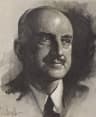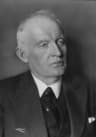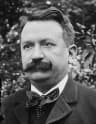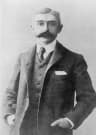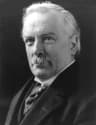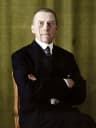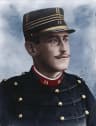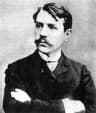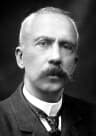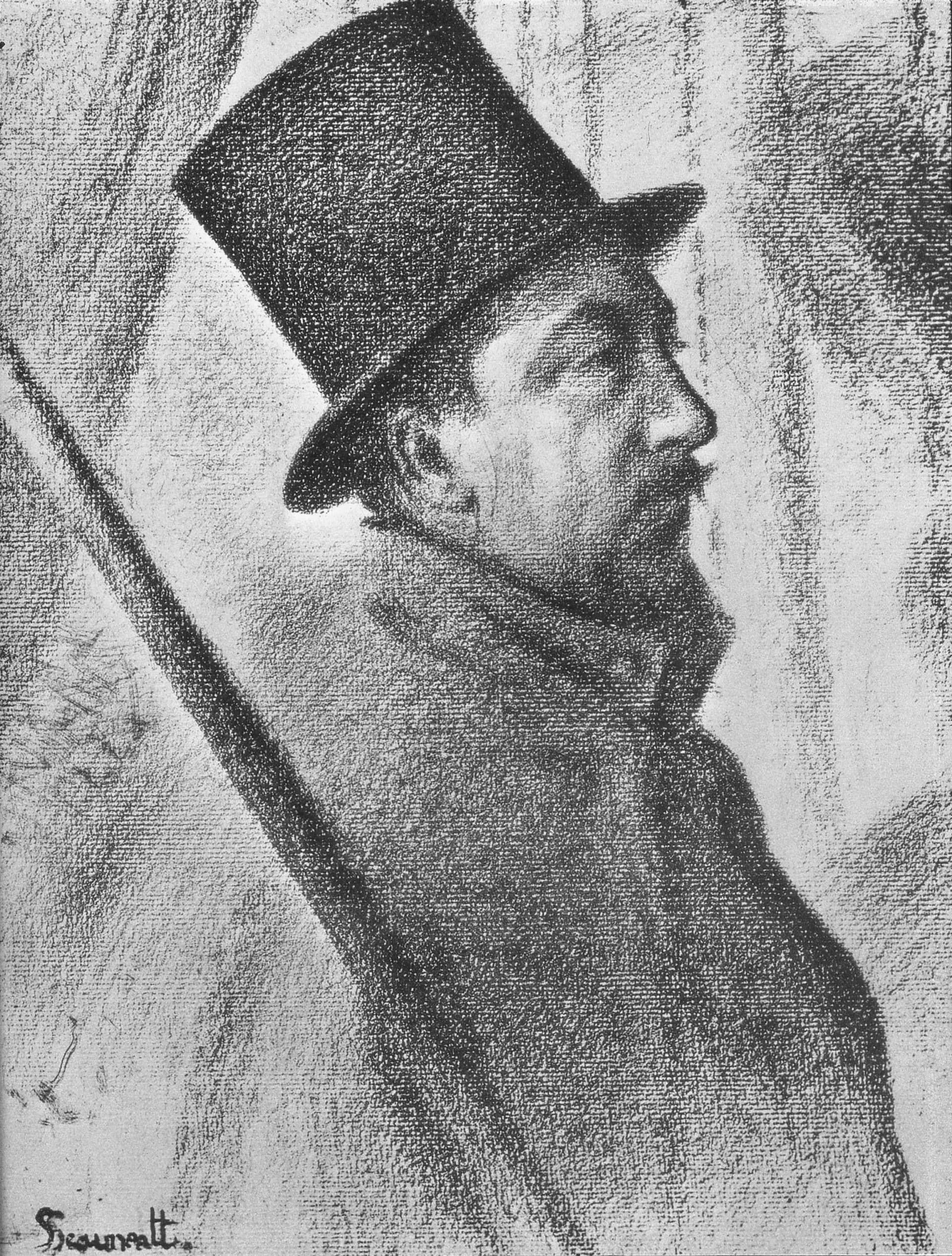
Narodený(á)
November 11, 1863
Paris, France
Zomrel(a)
August 15, 1935
Paris, France
Známy(a) ako
French painter
Paul Signac (1863–1935) was France best known for French painter.
Paul Signac (November 11, 1863 – August 15, 1935) was a French painter from Paris, France. He was a Neo-Impressionist who helped develop Pointillism with Georges Seurat, leaving a lasting mark on modern art.
Kapitola
Životné kapitoly
Kapitola 1 · 1863· Kapitola 1 z 6
Early Life and Origins
Paul Signac was born in the city of Paris, France, on November 11, 1863. His early life unfolded against the backdrop of a rapidly changing European cultural landscape. Though specific details about his family and formal education are not provided, his Parisian origins undoubtedly exposed him to the vibrant artistic environment of the late 19th century. This foundational period in Paris would later inform his artistic explorations and contribute to his unique perspective.
Kapitola 2 · 1884· Kapitola 2 z 6
Career Beginnings
Signac's artistic journey began without formal training at a young age, displaying a natural inclination towards visual expression. He initially admired the works of Impressionist masters but soon sought new directions in artistic expression. His pivotal meeting with Georges Seurat in 1884 marked the true beginning of his artistic career, where they shared a common desire to explore a more scientific approach to color and light. This encounter laid the foundation for the revolutionary Neo-Impressionist movement.
Kapitola 3· Kapitola 3 z 6
Major Achievements and Career Highlights
A primary achievement of Paul Signac was his collaboration with Georges Seurat in founding and developing Neo-Impressionism, particularly the technique known as Pointillism. This method involved applying small, distinct dots of pure color in patterns to form an image, allowing the viewer's eye to optically blend the colors. Signac was a tireless advocate and theoretician for this style, actively promoting its principles through his art and writings. His dedication to this precise yet luminous style pushed the boundaries of painting, creating a lasting impact on subsequent art movements.
Beyond his direct artistic output, Signac's administrative and leadership roles within the art world further solidified his influence. He was a co-founder of the Société des Artistes Indépendants, providing a crucial platform for independent artists to exhibit their work without the constraints of traditional juries. His sustained involvement and later presidency of the society underscored his commitment to artistic freedom and innovation. These efforts not only championed his own artistic philosophy but also fostered a more inclusive and experimental art community in Paris and beyond.
Kapitola 4 · 1891· Kapitola 4 z 6
Notable Works or Contributions
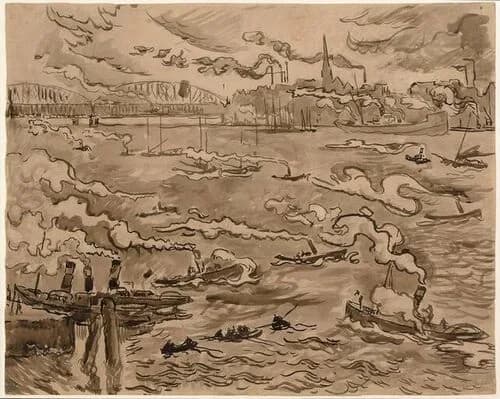
Signac's artistic output included a wide array of paintings, graphic art, and printmaking, all demonstrating his mastery of color and form. Among his notable paintings is "Evening Calm, Concarneau, Opus 220 (Allegro Maestoso)," created in 1891 and now housed at the Metropolitan Museum of Art in New York. Another significant piece, "The Dining Room," painted between 1886 and 1887, also resides at the Metropolitan Museum of Art, showcasing his early command of the Neo-Impressionist style.
His fascination with coastal scenes is evident in works like "The Jetty at Cassis, Opus 198," from 1889, and "The Town Beach, Collioure, Opus 165 (Collioure. La Plage de la ville. Opus 165)," from 1887, both preserved at the Met Museum. Later, his iconic "Notre-Dame de la Garde (La Bonne Mère), Marseille," painted between 1905 and 1906, further displayed his evolving technique and enduring interest in depicting French landscapes and seascapes. These works exemplify his dedication to capturing light and atmosphere through the careful application of color dots.
The Art Institute of Chicago also proudly exhibits several of Signac's important creations. These include "Les Andelys, Côte d'Aval," from 1886, and "Evening," completed in 1898, which demonstrate his range in subject matter and mood. "In Times of Harmony," painted between 1895 and 1896, and "Notre Dame" from 1910, offer glimpses into his continued artistic explorations and his ability to render both grand historical sites and serene moments. Other works at the Art Institute include "The Andelys" (1895), "Chromatic Circle" (1888), "Sunday in Paris" (1887), and "The Port of St. Tropez II, from the seventh album of L'Estampe originale" (1894), highlighting his versatility across different media and themes. His "Port Louis-Lomalo" (1922) marks a later stage in his prolific career, confirming his sustained artistic activity.
Kapitola 5 · 1935· Kapitola 5 z 6
Later Years
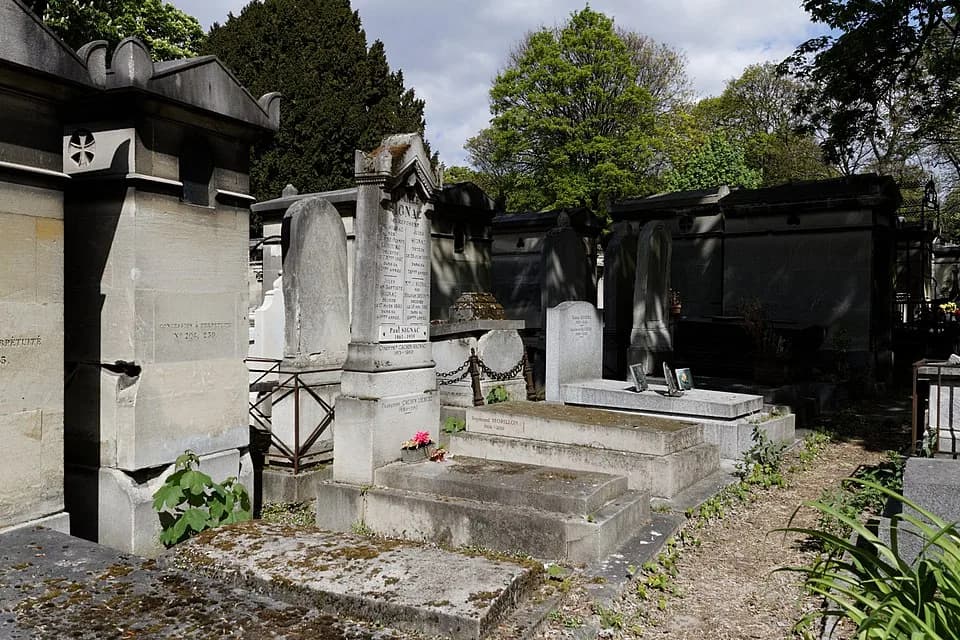
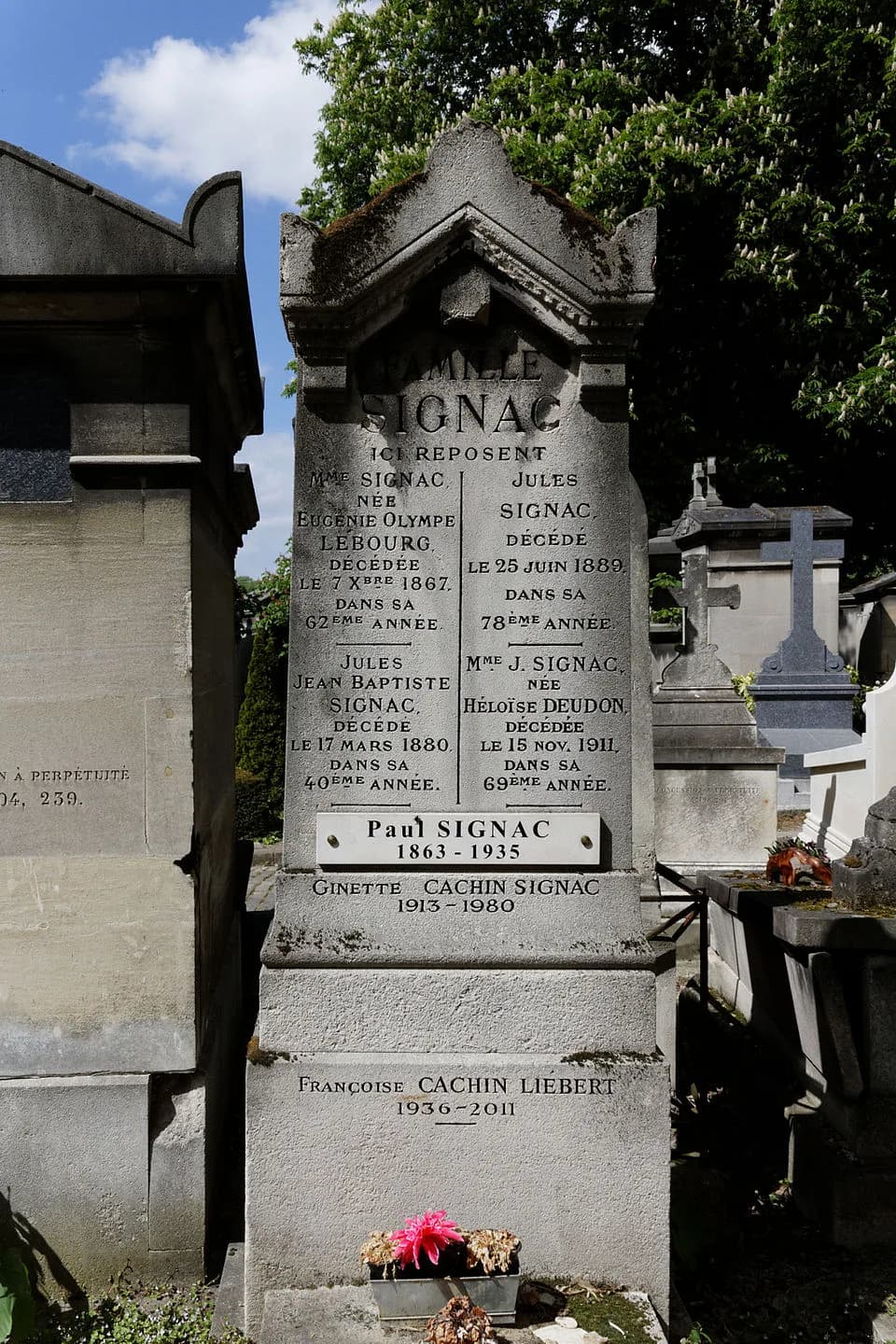
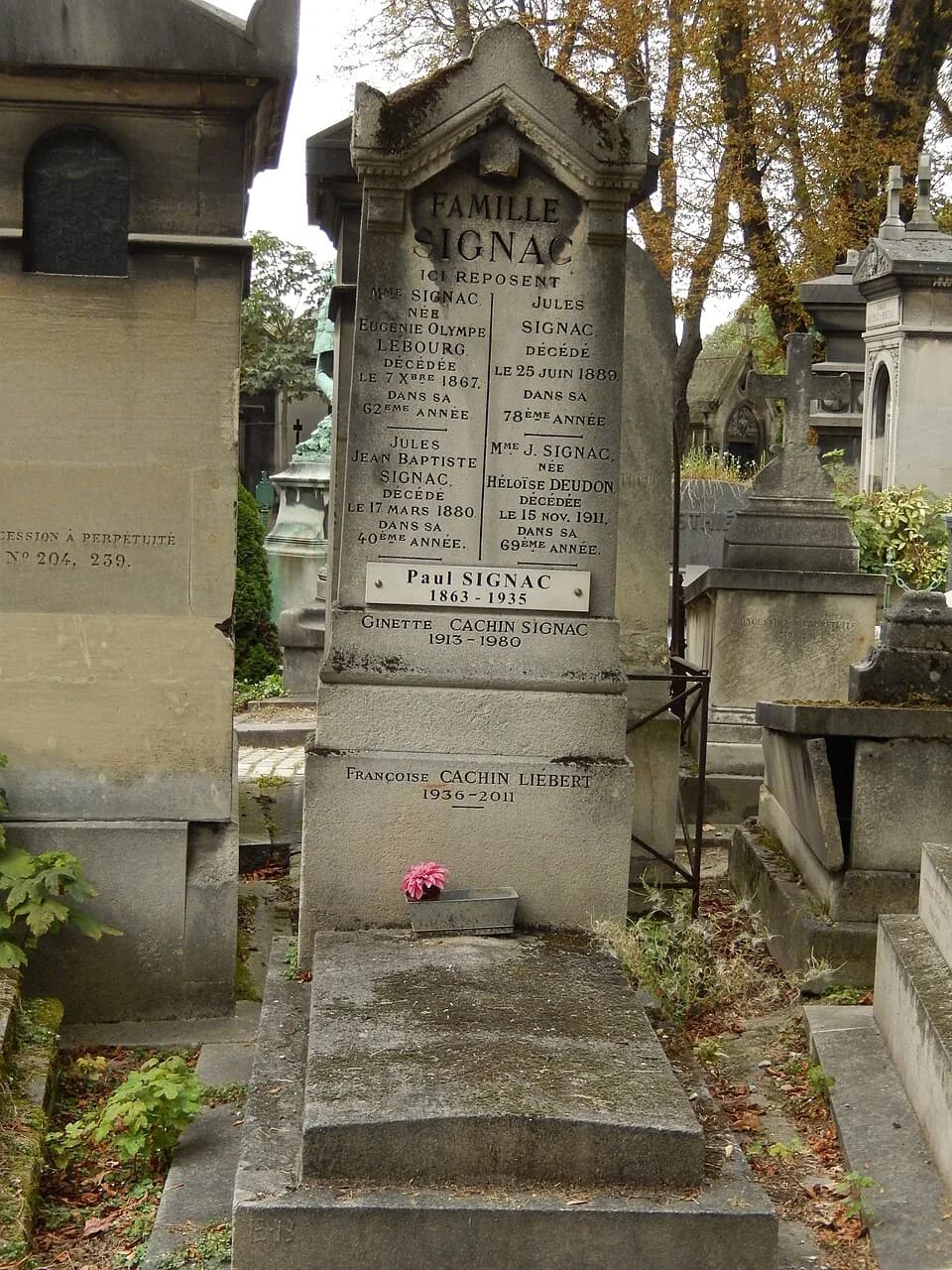
Throughout his later years, Paul Signac maintained his active role in the art world and continued to produce a steady stream of work. He explored various locales, particularly the French coastlines, which provided endless inspiration for his luminous seascapes. Even as art movements evolved around him, Signac remained committed to his principles of Neo-Impressionism, constantly refining his technique and deepening his understanding of color and light. He passed away in his birth city of Paris, France, on August 15, 1935, leaving behind a rich legacy of innovation.
Kapitola 6· Kapitola 6 z 6
Legacy and Impact
The enduring legacy of Paul Signac lies in his influence on the development of modern art, particularly through his co-founding of Neo-Impressionism and Pointillism. His meticulous approach to color theory and the optical mixing of pigments offered a scientific rigor to painting that captivated many artists. Signac's work opened new possibilities for depicting light and atmosphere, directly impacting artists across various movements. His dedication to experimentation and his role as a chronicler of his time ensure his place as a master of color and composition.
His theoretical writings, coupled with his vast artistic output, continue to be studied by art historians and aspiring painters alike. The distinct visual language he helped create remains a powerful example of artistic innovation and a testament to his vision. Paul Signac's contributions permanently enriched the visual arts, solidifying his status as a pivotal figure in the history of French painting.
Život v okamihoch
Okamihy, ktoré formovali život
Časté otázky
Často sa pýtajú
Kedy zomrel(a) Paul Signac?
Paul Signac zomrel(a) 15. augusta 1935 v Paris, France vo veku 71 rokov.
Kde sa narodil(a) Paul Signac?
Paul Signac sa narodil(a) v Paris, France 11. novembra 1863.
Čím je Paul Signac najznámejší(ia)?
Paul Signac je najznámejší(ia) vďaka French painter.
Koľko mal(a) Paul Signac v čase smrti?
Paul Signac mal(a) v čase smrti 71 rokov.
Akú národnosť mal(a) Paul Signac?
Paul Signac pochádzal(a) z France.
Časová os
Život v skratke
Fotogaléria
Život v obrazoch
Kliknite na ľubovoľný polaroid pre zväčšenie · 50 fotografií
QR kód
Zdieľať tento životopis
Vytlačiť a zdieľať
Naskenujte pre návštevu tejto stránky životopisu. Vytlačte si pre podujatia, výstavy alebo vzdelávacie materiály.