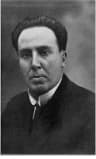
Născut
September 2, 1894
Brody, Ukraine
Decedat
May 27, 1939
Paris, France
Cunoscut pentru
Austrian novelist and journalist
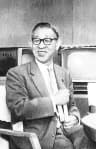
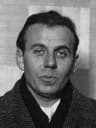
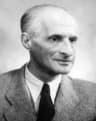
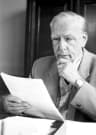
Joseph Roth (1894–1939) was Ukraine best known for Austrian novelist and journalist.
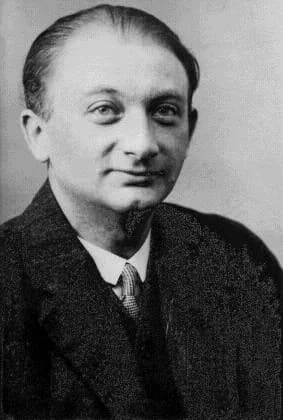
Joseph Roth (September 2, 1894 – May 27, 1939) was an Austrian novelist and journalist from Brody, Ukraine. He is best known for his family saga <i>Radetzky March</i> and his novel of Jewish life <i>Job</i>. His insightful writing chronicled the decline of the Austro-Hungarian Empire and the Jewish experience.
Capitolul
Capitolele vieții
Capitolul 1 · 1894· Capitolul 1 din 7
Early Life and Origins
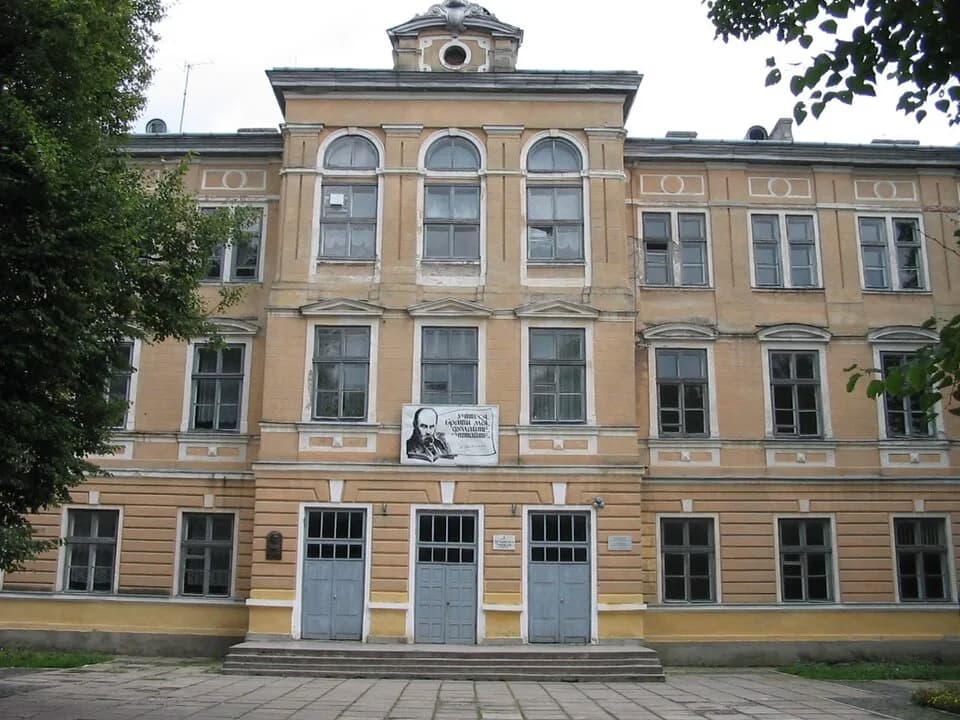
Joseph Roth was born in Brody, Ukraine, on September 2, 1894, a town that was then an integral part of the vast and diverse Austro-Hungarian Empire. This culturally rich and often contested borderland region profoundly influenced his worldview and literary themes. His early life was shaped by the unique blend of ethnicities and traditions present in Brody, instilling in him a deep understanding of various social and political dynamics. The experiences of his formative years laid a crucial foundation for his later literary explorations of identity, belonging, and the sense of impending loss.
Capitolul 2· Capitolul 2 din 7
Career Beginnings
Roth embarked on his professional journey as a journalist, a demanding path that rigorously honed his observational skills and refined his distinctive prose style. His initial journalistic assignments provided him with a vital platform to critically comment on the pressing political and social issues of his time. During this period, he developed a clear and articulate voice, characterized by a compelling blend of factual reportage and deeply felt personal reflection. These early endeavors in journalism were instrumental in shaping his narrative approach, imbuing his subsequent fiction with a striking sense of realism and historical immediacy.
Capitolul 3 · 1932· Capitolul 3 din 7
Major Achievements and Career Highlights
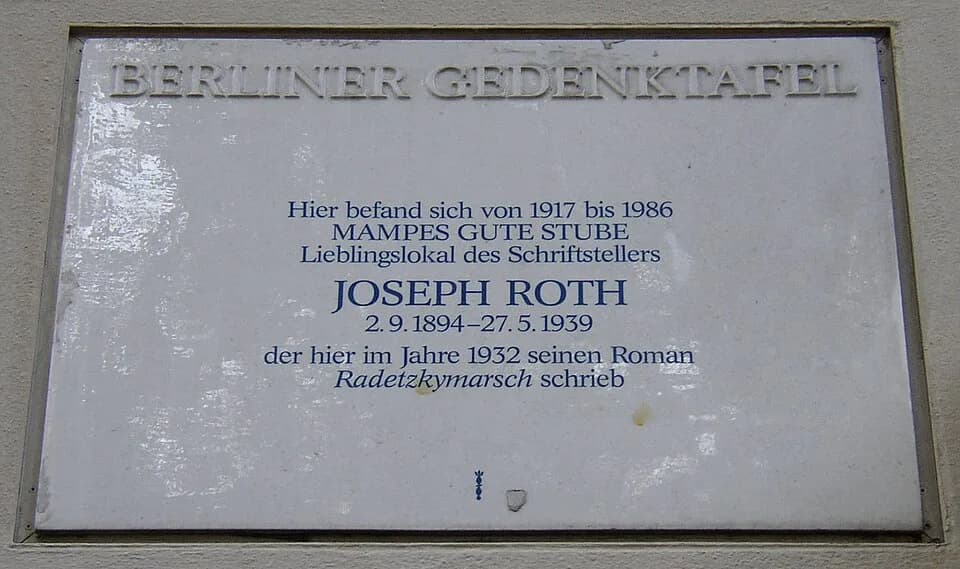
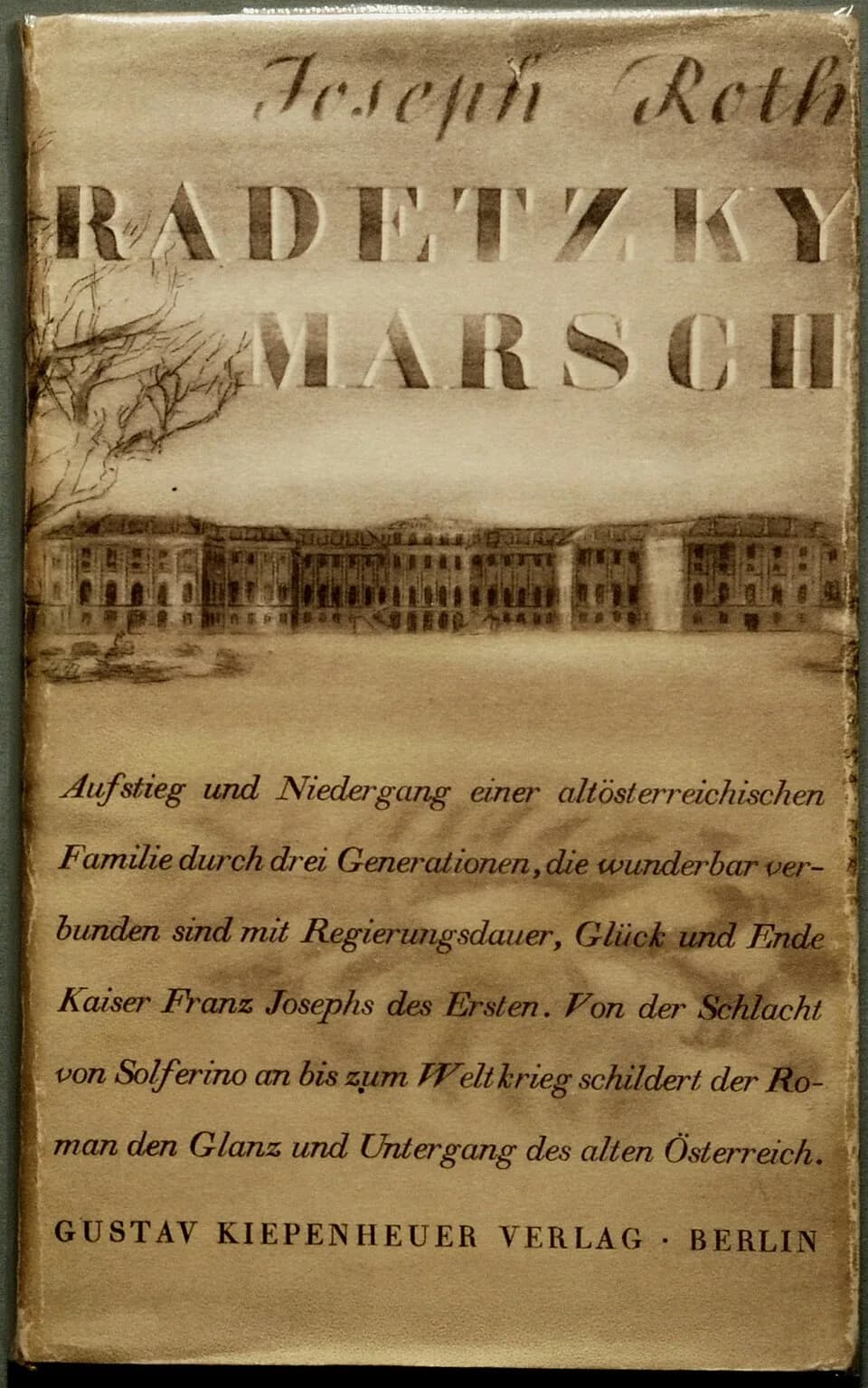
Joseph Roth achieved widespread acclaim as an Austro-Hungarian journalist and novelist, earning significant recognition for his distinctive literary contributions. Among his most celebrated works is the expansive family saga Radetzky March, first published in 1932, which masterfully portrays the twilight years of the Austro-Hungarian Empire through the lens of a single family. This novel firmly established his reputation as a major voice in European literature, capturing the pathos and grandeur of a fading era. Another significant achievement was his profound novel of Jewish life, Job, released in 1930, which delved into intricate spiritual, historical, and familial themes. Furthermore, his seminal essay "Juden auf Wanderschaft" stands as a powerful and fragmented account of the extensive Jewish migrations from Eastern to Western Europe in the tumultuous aftermath of World War I and the Russian Revolution, offering invaluable sociological and human insight.
Capitolul 4· Capitolul 4 din 7
Personal Life
The provided information primarily outlines Joseph Roth's illustrious professional achievements and his extensive literary output. Specific details regarding his personal relationships, family life beyond his geographical origins, or his particular recreational interests are not comprehensively documented within the available summaries. Consequently, his public persona and enduring legacy are predominantly defined by his prolific writing and unwavering journalistic pursuits, through which he channeled his observations and deeply held convictions. His personal experiences often found their way into his fiction, but explicit biographical details about his private life are less emphasized.
Capitolul 5 · 1928· Capitolul 5 din 7
Notable Works or Contributions
Joseph Roth's extensive bibliography features a rich array of impactful works that have secured his enduring place in the literary canon. Beyond his celebrated novels Radetzky March and Job, his contributions include the critically important "Juden auf Wanderschaft," which provided incisive insight into the Jewish diaspora following World War I. His diverse literary output also encompasses works such as Die Scholle, first published in 1928, and a collection simply titled Prosa, both of which showcased his versatile and evolving writing style across different forms. Other notable titles attributed to him include Die Büste des Kaisers, Bili mista, Z prawa i z lewa, איוב, and A diestra y siniestra, demonstrating his consistent engagement with various narratives and thematic concerns throughout his distinguished career. The varied titles reflect his broad reach and consistent productivity as a writer.
Capitolul 6 · 1939· Capitolul 6 din 7
Later Years
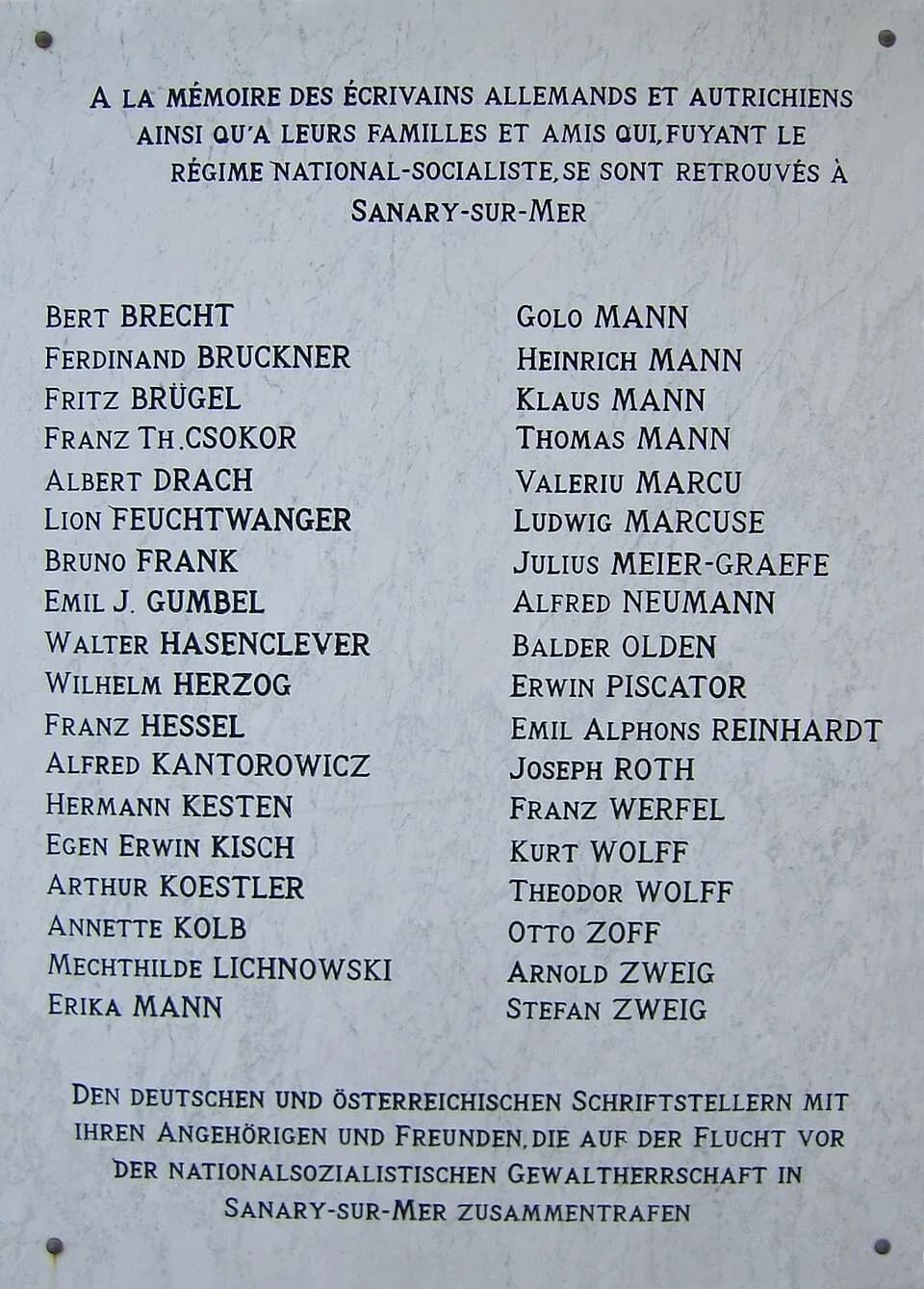
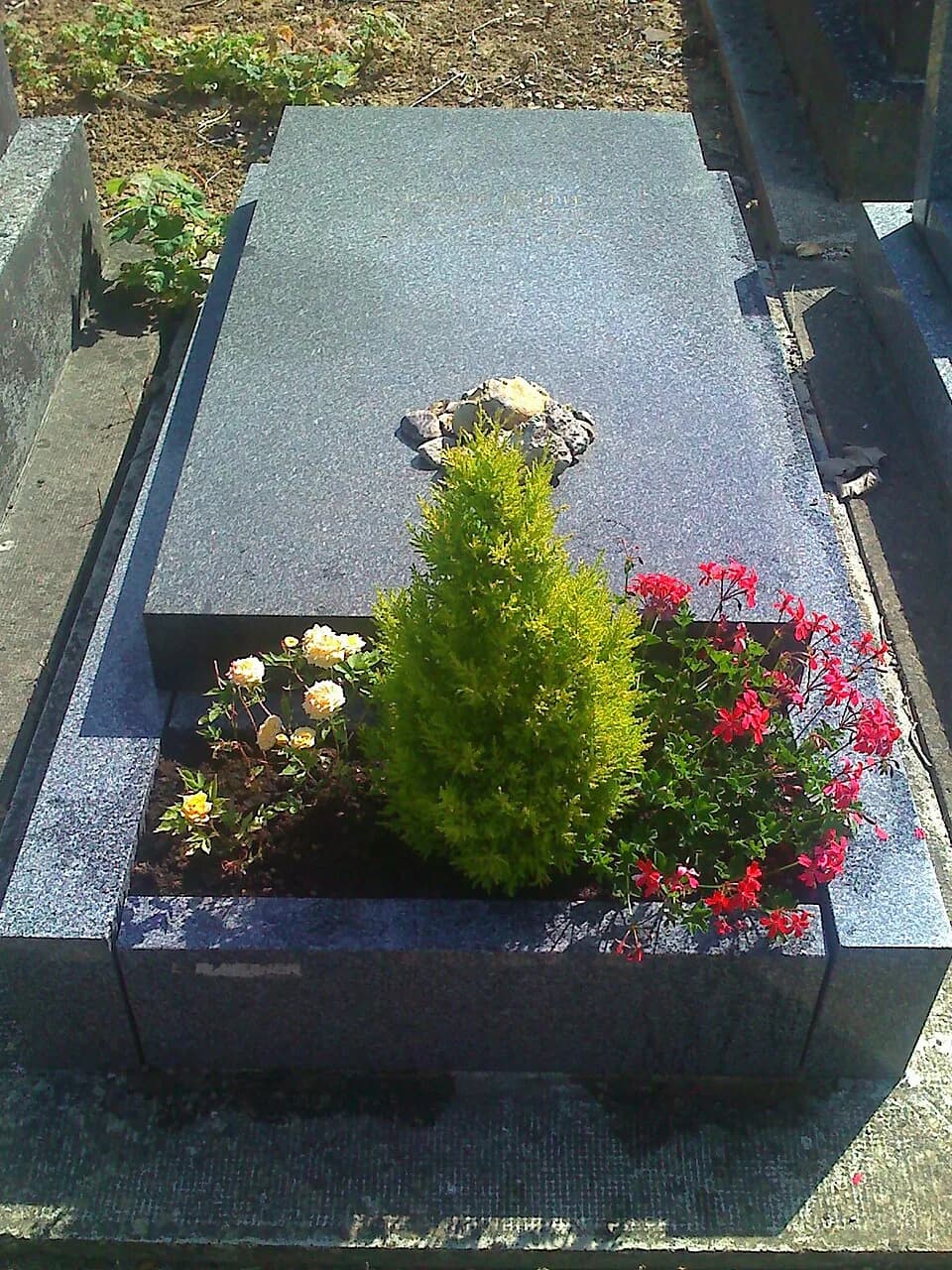
As the political landscape in Europe grew increasingly fraught, particularly with the ominous rise of Nazism, Joseph Roth spent his later years living in self-imposed exile. During this challenging period, his astute journalism from major European cities such as Berlin and Paris continued to offer insightful and often prescient commentary on the rapidly unfolding events. Despite the profound difficulties and personal hardships associated with exile, he remained steadfastly dedicated to his craft, producing works that frequently reflected his melancholic observations of a world on the precipice of war. He ultimately passed away in Paris, France, on May 27, 1939, tragically just months before the devastating outbreak of World War II, leaving behind a profoundly influential and deeply personal body of work.
Capitolul 7· Capitolul 7 din 7
Legacy and Impact
Joseph Roth's enduring legacy is deeply rooted in his powerful literary works and his keen journalistic observations, which collectively continue to offer profound insights into a significant historical era. His empathetic portrayal of the Austro-Hungarian Empire's gradual decline in Radetzky March serves not only as a compelling novel but also as a vital historical and cultural document. The significant revival of interest in Roth's entire body of work in the 21st century, particularly spurred by new English translations of Radetzky March and comprehensive collections of his journalism from Berlin and Paris, powerfully attests to his lasting relevance and universal appeal. He is revered as a master storyteller and an exceptionally perceptive observer of the human condition, whose writings illuminate the complex relationship of identity, displacement, and epochal historical change. His contributions continue to shape understandings of Central European history and literature.
O viață în momente
Momentele care au modelat o viață
Întrebări frecvente
Întrebări frecvente
Când a murit Joseph Roth?
Joseph Roth a murit pe 27 mai 1939 în Paris, France, la vârsta de 44 ani.
Unde s-a născut Joseph Roth?
Joseph Roth s-a născut în Brody, Ukraine pe 2 septembrie 1894.
Pentru ce este cunoscut(ă) Joseph Roth?
Joseph Roth este cunoscut(ă) cel mai mult pentru Austrian novelist and journalist.
Câți ani avea Joseph Roth la moarte?
Joseph Roth avea 44 ani la momentul morții.
Ce naționalitate avea Joseph Roth?
Joseph Roth era din Ukraine.
Cronologie
O viață dintr-o privire
Galerie foto
O viață în imagini
Faceți clic pe orice polaroid pentru a-l mări · 44 fotografii
Cod QR
Distribuiți această biografie
Imprimați și distribuiți
Scanați pentru a vizita această pagină biografică. Imprimați pentru evenimente, expoziții sau materiale educaționale.