Nascimento
July 23, 1928
Philadelphia, United States
Falecimento
December 25, 2016
Princeton, United States
Conhecido por
American astronomer and physicist
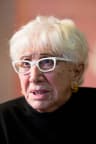
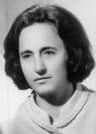
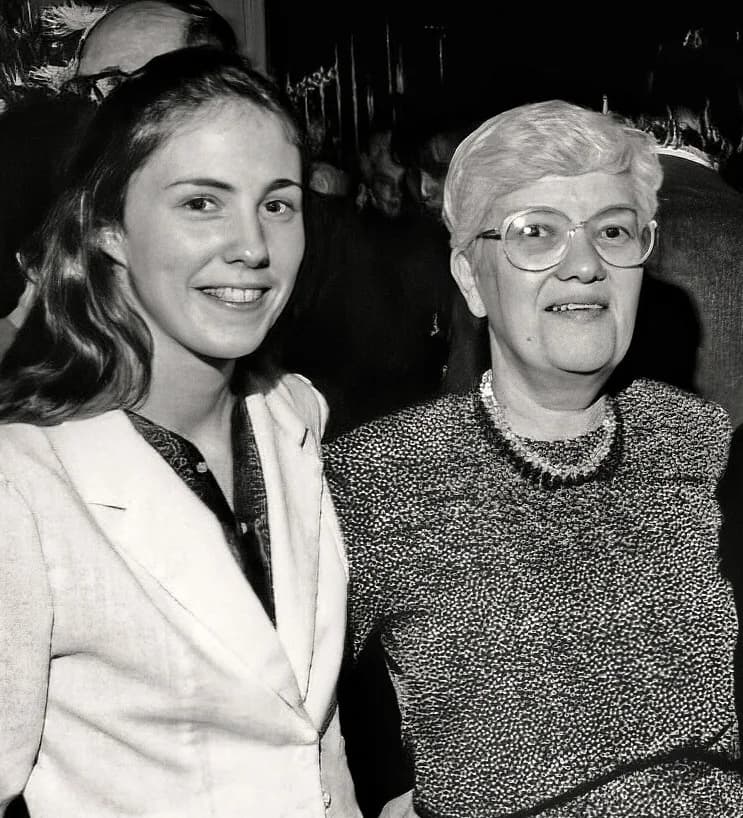
Vera Rubin (1928–2016) was United States best known for American astronomer and physicist.
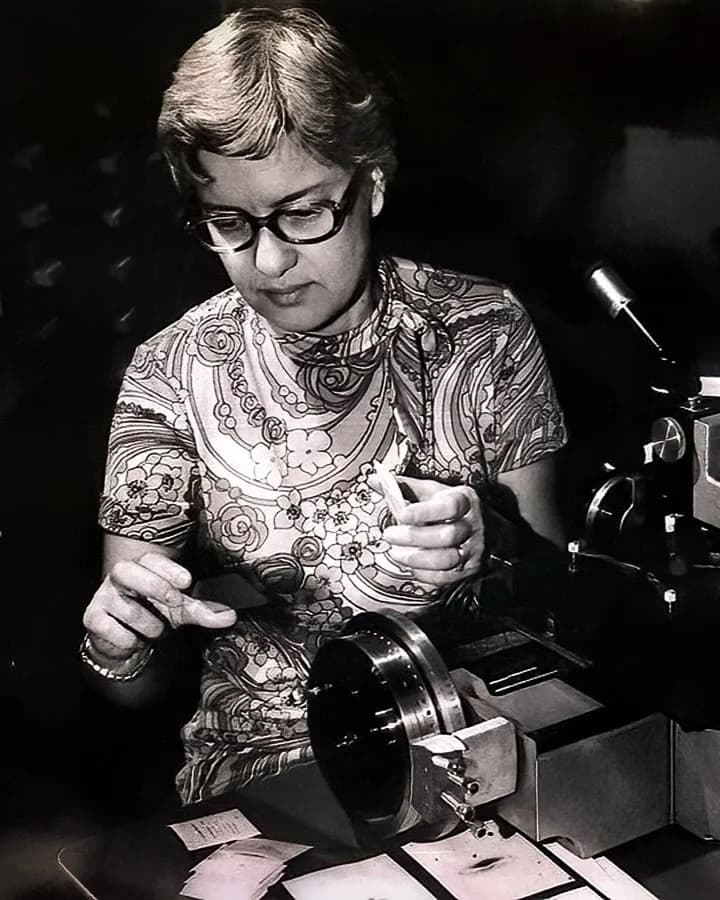
Vera Rubin (July 23, 1928 – December 25, 2016) was an American astronomer and physicist. She pioneered work on galaxy rotation rates, providing key evidence for the existence of dark matter through her study of galactic rotation curves. Her research fundamentally changed our understanding of the universe.
Capítulo
Capítulos da vida
Capítulo 1 · 1928· Capítulo 1 de 8
Opening
Vera Florence Cooper Rubin (1928–2016) was an American astronomer and physicist whose groundbreaking research transformed our understanding of the universe. She is widely celebrated for her pioneering work on galaxy rotation rates, which provided the first compelling evidence for the existence of dark matter. Her meticulous observations and analysis initiated a paradigm shift in astrophysics, challenging established theories about cosmic composition. Her legacy continues to inspire generations of scientists.
Capítulo 2 · 1928· Capítulo 2 de 8
Early Life and Origins
Vera Rubin was born on July 23, 1928, in Philadelphia, United States. She demonstrated an early fascination with the stars, a passion that would define her illustrious career. Her upbringing fostered an environment of intellectual curiosity and rigorous inquiry. These formative years laid the foundation for her later contributions to science.
Capítulo 3· Capítulo 3 de 8
Career Beginnings
Rubin embarked on her professional journey in an era when women faced significant hurdles in scientific fields. Despite these challenges, her determination and intellectual prowess propelled her forward. She began her critical research into galaxy dynamics, setting the stage for her most famous discoveries. This early work helped to establish her reputation as a meticulous and insightful observer.
Capítulo 4· Capítulo 4 de 8
Major Achievements and Career Highlights
Vera Rubin's most significant achievement was her pioneering work on galaxy rotation rates. Through careful study of galactic rotation curves, she uncovered a striking discrepancy. She observed that the predicted angular motion of galaxies did not align with what was actually measured. This finding became known as the galaxy rotation problem.
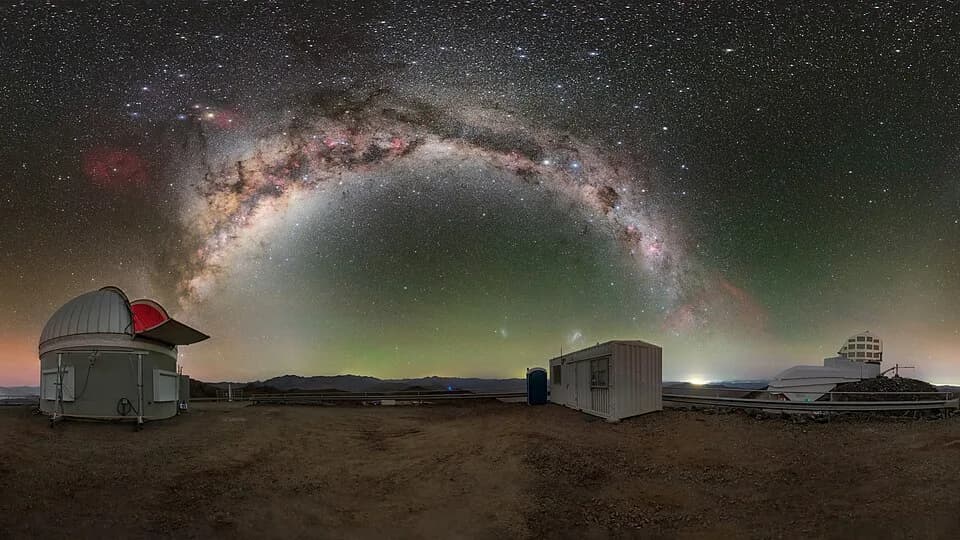
This discrepancy provided the first crucial evidence for the existence of dark matter. Her detailed measurements suggested that a significant portion of a galaxy's mass was invisible, exerting gravitational effects without emitting or absorbing light. Subsequent measurements by other astronomers, utilizing 21-centimeter hydrogen line radio telescopes, further solidified her findings. These later observations ultimately clinched the case for the galaxy rotation problem and the necessity of dark matter.
Capítulo 5· Capítulo 5 de 8
Personal Life
While specific details about Vera Rubin's personal life beyond her scientific endeavors are not extensively provided, it is understood that her passion for astronomy was a driving force throughout her life. She navigated the demands of a high-profile scientific career with grace. Her dedication to her research was unwavering, shaping her personal and professional journey.
Capítulo 6· Capítulo 6 de 8
Notable Works or Contributions
Rubin's contributions primarily centered on her extensive observational studies of galaxies. Her innovative approach involved precisely measuring the velocities of stars and gas within galaxies at varying distances from their centers. The consistent observation of flat rotation curves, where outer regions rotated faster than expected, was a direct result of her methodology. These empirical findings formed the bedrock of her arguments for dark matter, fundamentally altering cosmological models.
Capítulo 7 · 2016· Capítulo 7 de 8
Later Years
Vera Rubin continued her active research and advocacy throughout her later years. Even as her pioneering work gained widespread recognition, she remained dedicated to scientific inquiry and inspiring new generations. Her contributions solidified her status as a leading figure in 20th-century astrophysics. She passed away on December 25, 2016, in Princeton, United States.
Capítulo 8· Capítulo 8 de 8
Legacy and Impact
Vera Rubin's legacy is profound and enduring, having permanently reshaped our understanding of the universe's fundamental composition. Her groundbreaking evidence for dark matter is now a cornerstone of modern cosmology. She effectively introduced the concept of dark matter into mainstream scientific discourse, demonstrating its necessity for explaining galactic dynamics. Her rigorous scientific method and persistent pursuit of truth continue to influence astrophysical research. Her work demonstrated how meticulous observation can lead to revolutionary scientific insights, leaving a lasting mark on cosmology.
Uma vida em momentos
Os momentos que moldaram uma vida
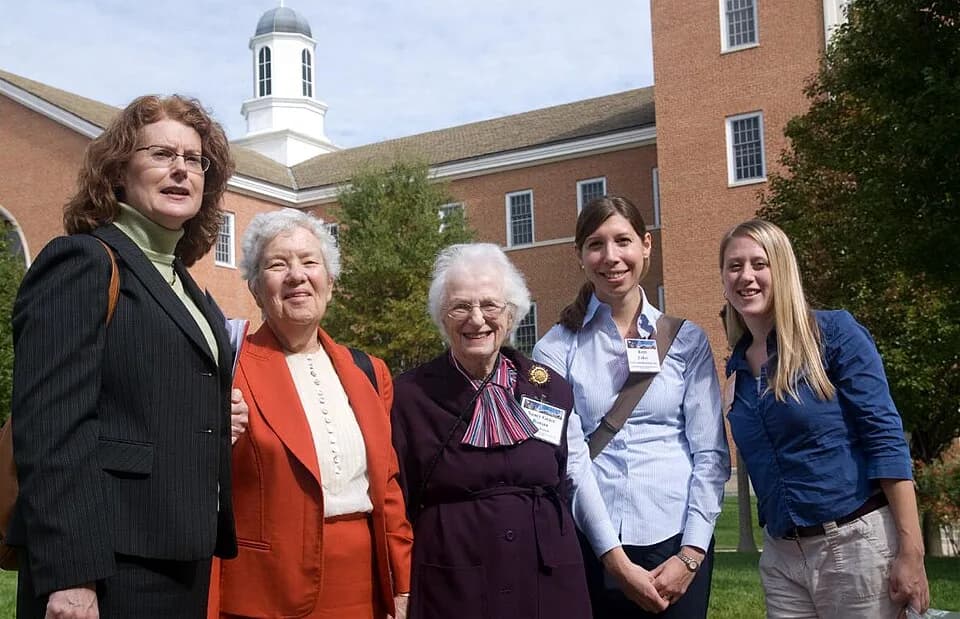
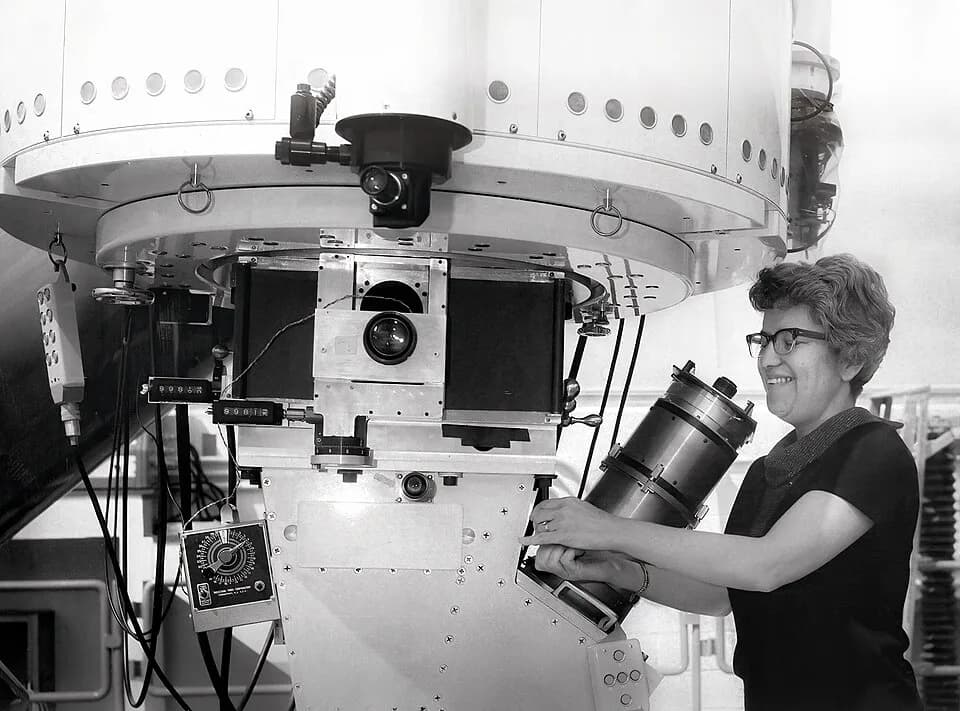
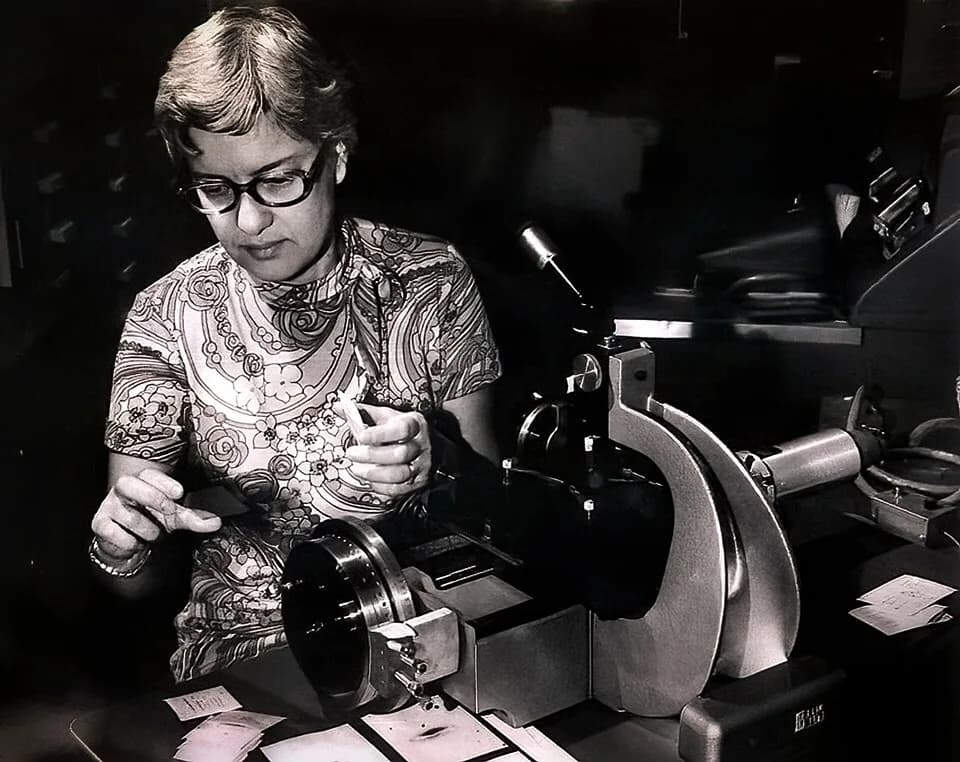
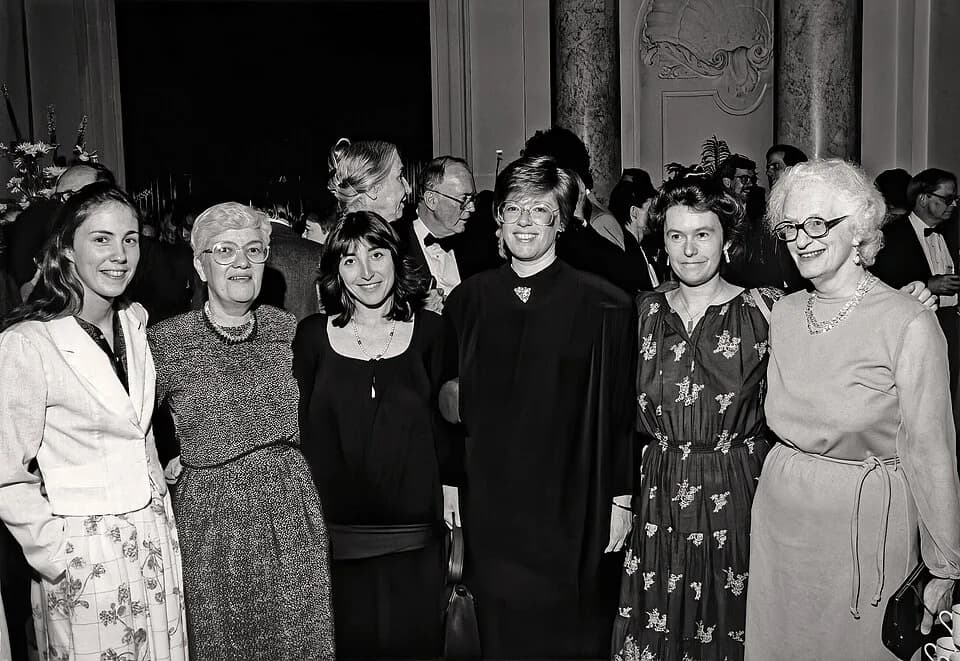
FAQ
Perguntas frequentes
Quando Vera Rubin morreu?
Vera Rubin morreu em 25 de dezembro de 2016 em Princeton, United States, aos 88 anos.
Onde Vera Rubin nasceu?
Vera Rubin nasceu em Philadelphia, United States em 23 de julho de 1928.
Pelo que Vera Rubin é mais conhecido(a)?
Vera Rubin é mais conhecido(a) por American astronomer and physicist.
Quantos anos Vera Rubin tinha ao morrer?
Vera Rubin tinha 88 anos no momento da morte.
Qual era a nacionalidade de Vera Rubin?
Vera Rubin era de United States.
Linha do tempo
A vida em resumo
- 1928
Opening
- 1928
Early Life and Origins
- 2016
Later Years
Galeria de fotos
Uma vida em imagens
Clique em uma polaroid para ampliar · 24 fotos
Código QR
Compartilhar Esta Biografia
Imprimir e Compartilhar
Escaneie para visitar a página desta biografia. Imprima para eventos, exposições ou materiais educativos.