Nascimento
January 9, 1908
Paris, France
Falecimento
April 14, 1986
14th arrondissement of Paris, France
Conhecido por
French philosopher, social theorist and activist
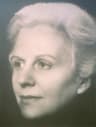
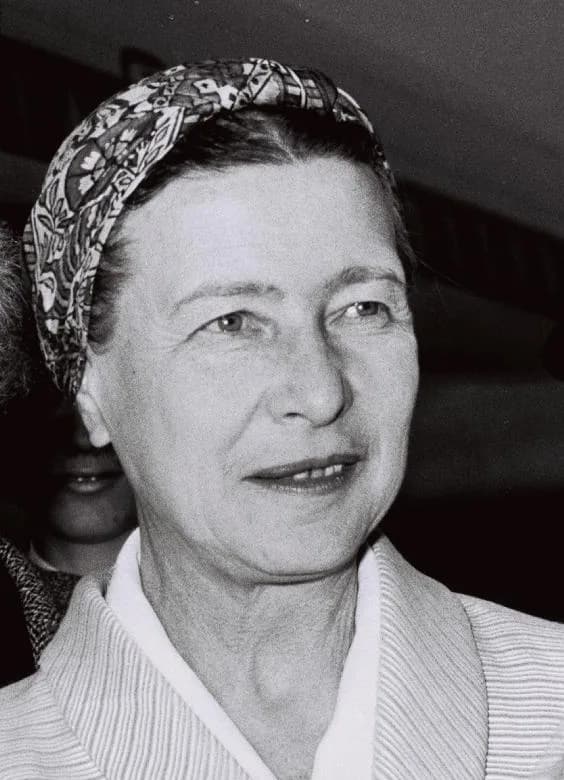
Simone de Beauvoir (1908–1986) was France best known for French philosopher, social theorist and activist.
Simone Lucie Ernestine Marie Bertrand de Beauvoir (1908-1986) was a French existentialist philosopher, writer, and feminist activist from Paris. Her masterwork "The Second Sex" revolutionized feminist theory and challenged traditional gender roles. She significantly influenced both feminist existentialism and modern women's liberation movements.
Capítulo
Capítulos da vida
Capítulo 1 · 1908· Capítulo 1 de 7
Early Life and Origins
Simone de Beauvoir entered the world in Paris, France, on January 9, 1908, during an era when women's intellectual capabilities were routinely questioned. Her upbringing in the French capital exposed her to the cultural and philosophical currents that would later shape her revolutionary thinking. The young Beauvoir displayed exceptional academic promise from an early age, setting the stage for her later achievements in philosophy and literature.
Her education in Paris provided the foundation for her later philosophical work. The intellectual environment of early 20th-century France, with its debates about existence, meaning, and human nature, deeply influenced her developing worldview.
Capítulo 2· Capítulo 2 de 7
Career Beginnings
Beauvoir's early career combined teaching philosophy with her growing passion for writing. She began establishing herself as both an educator and an author, exploring themes that would later define her major works. Her initial ventures into literature and social theory demonstrated the analytical skills that would make her one of France's most influential thinkers.
During this period, she started developing the ideas about gender, society, and human freedom that would later revolutionize feminist thought. Her early writings showed a keen interest in examining how social structures shape individual identity, particularly for women.
Capítulo 3· Capítulo 3 de 7
Major Achievements and Career Highlights
Beauvoir's most significant contribution came with "The Second Sex" (Le Deuxième Sexe), a work that fundamentally changed how people think about gender and society. This analysis of women's oppression became a cornerstone of modern feminist theory, examining how women are constructed as "the other" in patriarchal societies. The book's famous declaration that "one is not born, but rather becomes, a woman" challenged biological determinism and highlighted the social construction of gender.
Her novel "L'invitée" (She Came to Stay) explored existentialist themes through personal relationships, demonstrating how philosophical ideas could be examined through fiction. This work established her as both a serious novelist and a thinker capable of translating complex philosophical concepts into accessible narratives.
Beyond her written works, Beauvoir became a prominent social theorist and activist. Her contributions to existentialist philosophy, though she didn't claim the philosopher title, significantly influenced feminist existentialism and broader discussions about human freedom and social responsibility.
Capítulo 4· Capítulo 4 de 7
Personal Life and Relationships
Beauvoir's personal life reflected her philosophical commitments to freedom and authentic living. Her relationships and lifestyle choices often challenged conventional social expectations, particularly regarding marriage and traditional gender roles. She lived according to her beliefs about personal autonomy and the importance of creating one's own meaning in life.
Her intellectual partnerships and friendships with other philosophers and writers of her era contributed to the rich exchange of ideas that characterized mid-20th-century French intellectual life. These relationships influenced both her thinking and her writing throughout her career.
Capítulo 5· Capítulo 5 de 7
Notable Works and Contributions
In addition to "The Second Sex" and "L'invitée," Beauvoir produced an extensive body of work spanning philosophy, fiction, and social commentary. Her study "The Marquis de Sade" examined questions of freedom, morality, and human nature through the lens of one of literature's most controversial figures. Her work on Stendhal explored how this earlier French author understood love, passion, and gender relations.
Beauvoir also ventured into film, appearing in productions like "Le Désordre à vingt ans" (1967) and "Disorder" (1950). These appearances demonstrated her willingness to engage with different media to explore philosophical and social questions.
Her diverse output included novels, essays, diaries, autobiographical works, and social criticism. This range of genres allowed her to examine human experience from multiple angles, always with attention to how social structures, particularly those affecting women, shape individual possibilities.
Capítulo 6· Capítulo 6 de 7
Later Years
Throughout her later career, Beauvoir continued writing and remained active in social and political causes. Her commitment to feminist activism and social justice persisted well into her final years. She used her platform as an established intellectual to advocate for women's rights and social change.
Her later works often reflected on the themes that had defined her career while incorporating new insights gained from decades of observation and experience. She remained a vital voice in French intellectual life until her death on April 14, 1986, in Paris's 14th arrondissement.
Capítulo 7· Capítulo 7 de 7
Legacy and Impact
Simone de Beauvoir's influence extends far beyond her lifetime, shaping feminist theory, existentialist philosophy, and social activism worldwide. "The Second Sex" continues to be studied and cited by scholars, activists, and anyone seeking to understand gender dynamics in society. Her ideas about women's liberation and human freedom helped launch the modern women's movement.
Her integration of existentialist philosophy with feminist analysis created new ways of thinking about identity, freedom, and social change. Modern feminist thinkers continue to build upon her insights about how social structures limit human potential, particularly for women.
Universities around the world teach her works in philosophy, literature, and gender studies courses. Her life and writings demonstrate how intellectual work can drive social change, inspiring new generations of thinkers and activists to question assumptions about gender, society, and human possibility.
Uma vida em momentos
Os momentos que moldaram uma vida

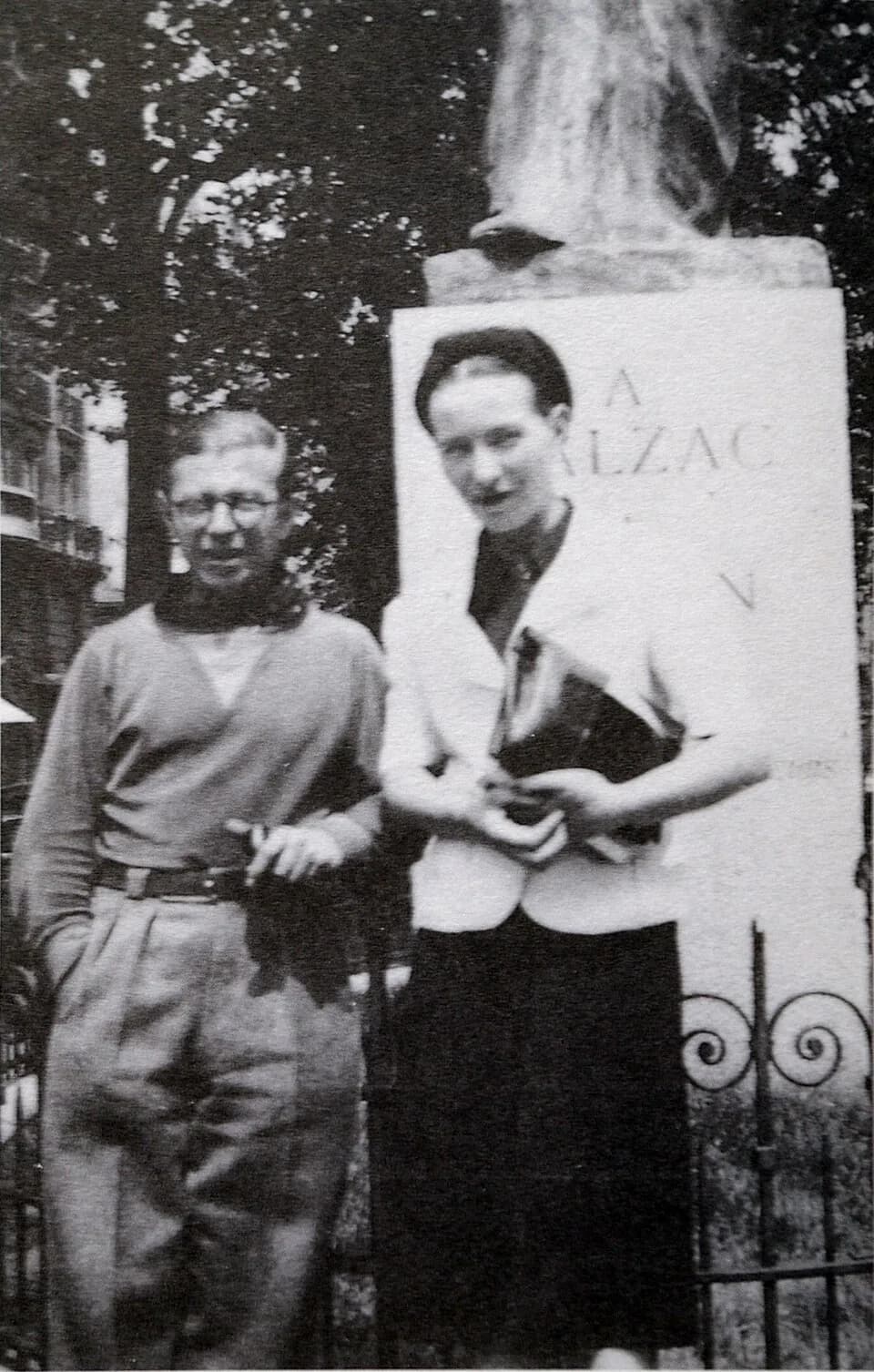
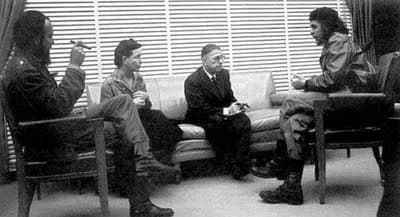
FAQ
Perguntas frequentes
Quando Simone de Beauvoir morreu?
Simone de Beauvoir morreu em 14 de abril de 1986 em 14th arrondissement of Paris, France, aos 78 anos.
Onde Simone de Beauvoir nasceu?
Simone de Beauvoir nasceu em Paris, France em 9 de janeiro de 1908.
Pelo que Simone de Beauvoir é mais conhecido(a)?
Simone de Beauvoir é mais conhecido(a) por French philosopher, social theorist and activist.
Quantos anos Simone de Beauvoir tinha ao morrer?
Simone de Beauvoir tinha 78 anos no momento da morte.
Qual era a nacionalidade de Simone de Beauvoir?
Simone de Beauvoir era de France.
Linha do tempo
A vida em resumo
Galeria de fotos
Uma vida em imagens
Clique em uma polaroid para ampliar · 42 fotos
Código QR
Compartilhar Esta Biografia
Imprimir e Compartilhar
Escaneie para visitar a página desta biografia. Imprima para eventos, exposições ou materiais educativos.