Nascimento
October 31, 1875
Nadiad, India
Falecimento
December 15, 1950
Mumbai, India
Conhecido por
Indian barrister, leader of the Indian National Congress and founding father of the Republic of India
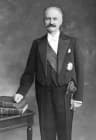
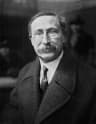
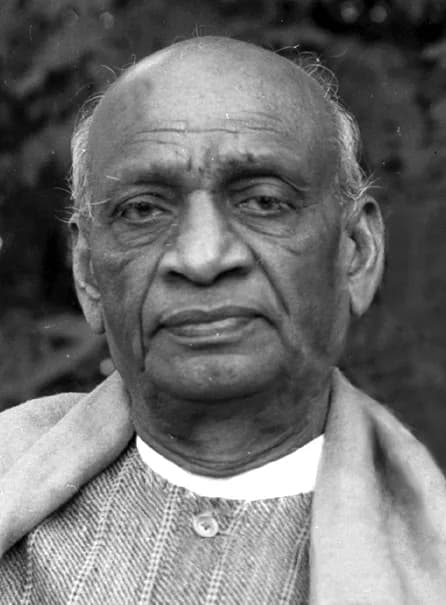
Sardar Vallabhbhai Patel (1875–1950) was India best known for Indian barrister, leader of the Indian National Congress and founding father of the Republic of India.
Sardar Vallabhbhai Patel (October 31, 1875 – December 15, 1950) was an Indian barrister, politician, and freedom fighter. He played a pivotal role in India's independence movement and was instrumental in integrating over 565 princely states into the newly independent Republic of India. His dedication to national unity earned him the sobriquet "Iron Man of India."
Capítulo
Capítulos da vida
Capítulo 1· Capítulo 1 de 2
The Sardar of Gujarat
Patel’s organizing genius first shone in Gujarat. When peasants in Kheda faced a famine and steep taxes, he led them in non-violent civil disobedience against the British Raj. He mobilized villagers, documented grievances, and inspired them to resist property seizures, eventually forcing the government to negotiate. His success earned him the title “Sardar,” meaning “chief.”
Years later, in 1928, Bardoli faced similar hardship with both famine and an even steeper tax hike. Again, Patel stepped forward. He organized a deep network of volunteers, information, and unwavering non-violence across the taluka. The struggle was intense, with arrests and property seizures, but Patel’s steadfast leadership led to another victory: the tax hike was repealed, and seized land was returned. These local triumphs showcased his exceptional ability to unite communities and lead them through adversity.
Capítulo 2 · 1947· Capítulo 2 de 2
Forging the Indian Union
After India gained independence in 1947, Sardar Vallabhbhai Patel faced his greatest challenge: the integration of some 565 self-governing princely states into the new nation. As the first Home Minister and Deputy Prime Minister, he worked alongside Jawaharlal Nehru and Louis Mountbatten, employing a masterful blend of diplomacy and decisive action. His unwavering commitment to national unity was instrumental in persuading nearly every princely state to accede to India, preventing widespread fragmentation.
He also played a crucial role in establishing the modern All India Services system, earning him the title “patron saint of India’s civil servants.” His focus on administrative strength laid a vital foundation for the fledgling republic. Sardar Patel, who passed away in Mumbai in 1950, left behind a unified nation, a testament to his practical vision and iron will. A monumental Statue of Unity, 182 meters tall, stands in Gujarat today, a towering reminder of the man who stitched India together.
Uma vida em momentos
Os momentos que moldaram uma vida
FAQ
Perguntas frequentes
Quando Sardar Vallabhbhai Patel morreu?
Sardar Vallabhbhai Patel morreu em 15 de dezembro de 1950 em Mumbai, India, aos 75 anos.
Onde Sardar Vallabhbhai Patel nasceu?
Sardar Vallabhbhai Patel nasceu em Nadiad, India em 31 de outubro de 1875.
Pelo que Sardar Vallabhbhai Patel é mais conhecido(a)?
Sardar Vallabhbhai Patel é mais conhecido(a) por Indian barrister, leader of the Indian National Congress and founding father of the Republic of India.
Quantos anos Sardar Vallabhbhai Patel tinha ao morrer?
Sardar Vallabhbhai Patel tinha 75 anos no momento da morte.
Qual era a nacionalidade de Sardar Vallabhbhai Patel?
Sardar Vallabhbhai Patel era de India.
Linha do tempo
A vida em resumo
Galeria de fotos
Uma vida em imagens
Clique em uma polaroid para ampliar · 47 fotos
Código QR
Compartilhar Esta Biografia
Imprimir e Compartilhar
Escaneie para visitar a página desta biografia. Imprima para eventos, exposições ou materiais educativos.