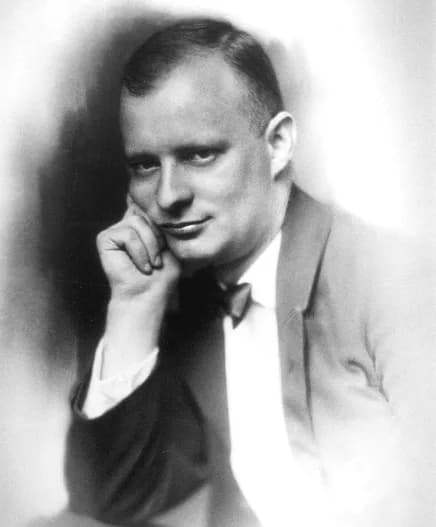
Nascimento
November 16, 1895
Hanau, Germany
Falecimento
December 28, 1963
Frankfurt, Francia
Conhecido por
German composer
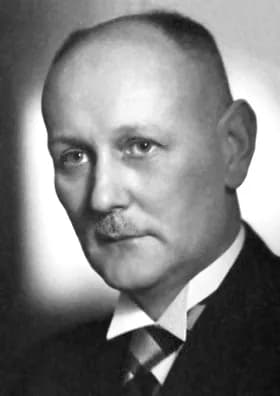
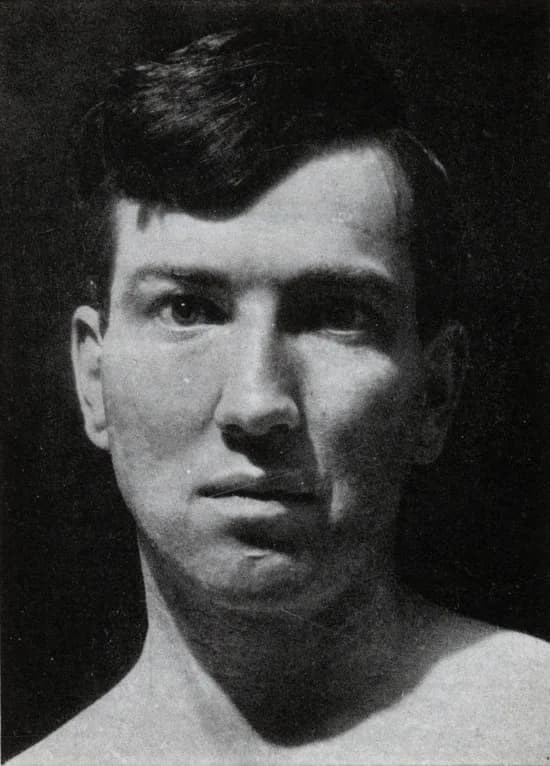
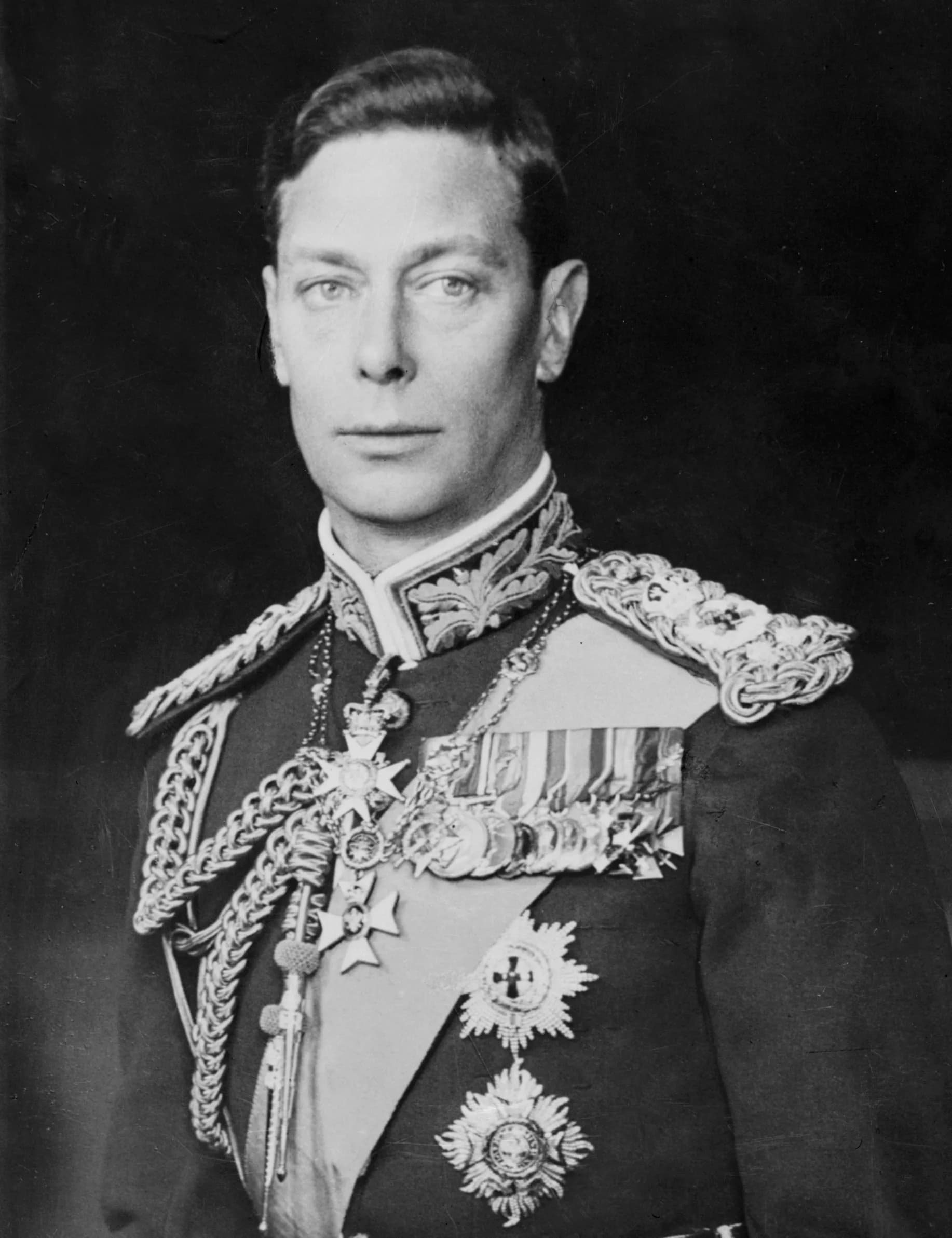
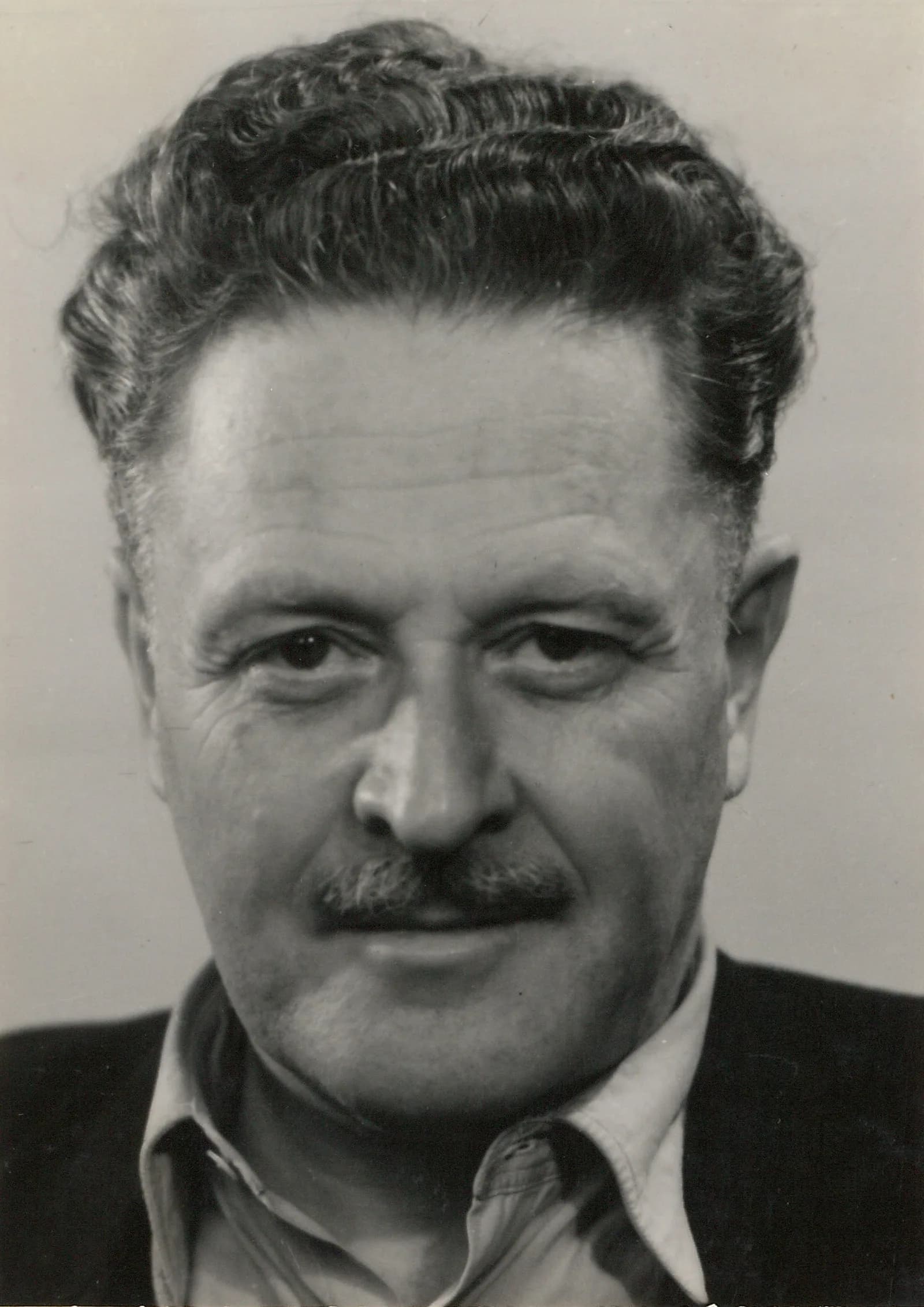
Paul Hindemith (1895–1963) was Germany best known for German composer.
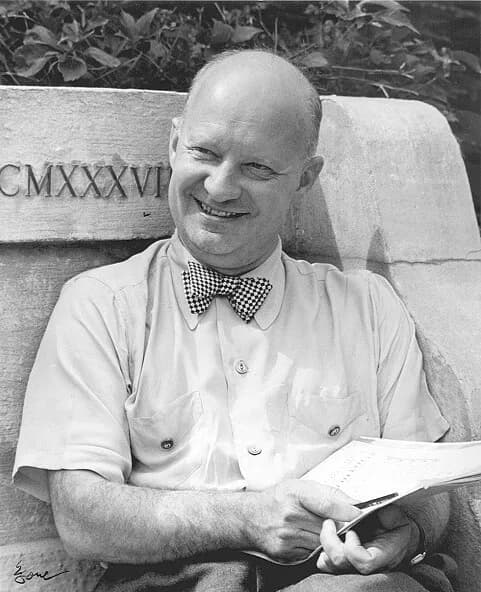
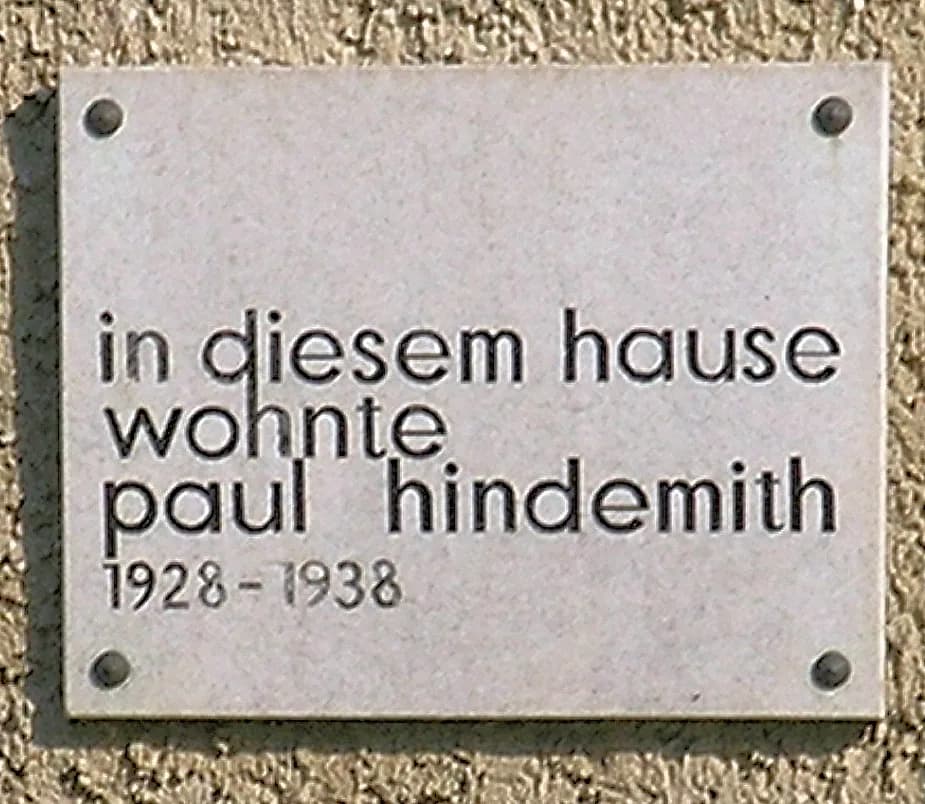
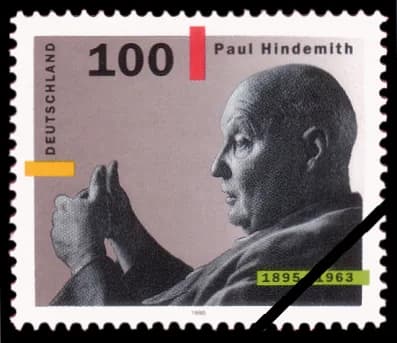
Paul Hindemith (November 16, 1895 – December 28, 1963) was a German and American composer, music theorist, and conductor. He was a major advocate of the Neue Sachlichkeit style in the 1920s, with notable works like "Mathis der Maler". His lasting influence is recognized through his extensive compositions and teaching.
Uma vida em momentos
Os momentos que moldaram uma vida
Capítulo
Capítulos da vida
Capítulo 1 · 1895· Capítulo 1 de 7
Early Life and Origins
Paul Hindemith commenced his remarkable journey in Hanau, Germany, where he was born on November 16, 1895. His early experiences in Germany were foundational, providing the fertile ground from which his exceptional musical talents would blossom, ultimately preparing him for a career that would encompass significant periods in both German and American cultural spheres. Although specific details regarding his family upbringing and childhood education are not extensively documented, his German roots undeniably influenced his musical language and philosophical approach to composition from the very beginning.
Capítulo 2 · 1921· Capítulo 2 de 7
Career Beginnings
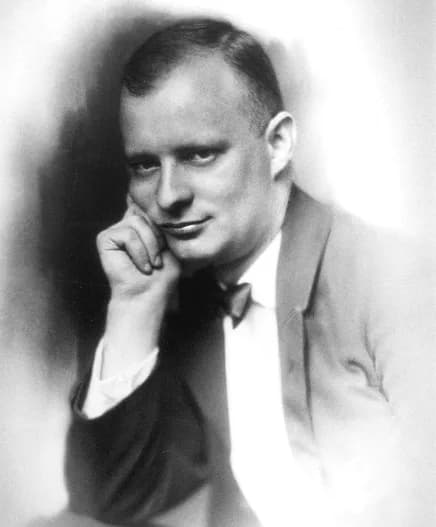
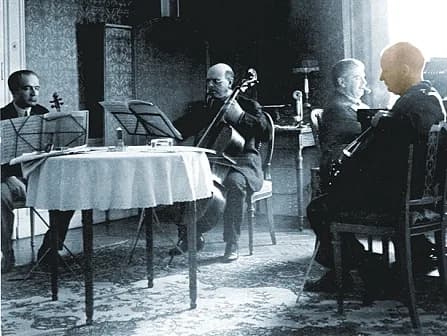
Hindemith’s professional engagement with music began with a striking display of versatility, demonstrating his profound skill as both a violinist and a violist. A defining moment in his early career arrived in 1921 when he became a co-founder of the Amar Quartet, an ensemble that would embark on extensive and highly acclaimed tours across Europe. These tours solidified his burgeoning reputation as an exceptionally gifted chamber musician, bringing his innovative interpretations and technical prowess to a wide audience. It was during the vibrant cultural period of the 1920s that Hindemith truly emerged as a pivotal advocate for the Neue Sachlichkeit (New Objectivity) style of music. This artistic movement was characterized by its deliberate reaction against the perceived excesses of late-Romantic emotionalism, instead championing clear, objective musical forms and a pragmatic approach to composition.
Capítulo 3· Capítulo 3 de 7
Major Achievements and Career Highlights
Throughout his illustrious career, Paul Hindemith delivered numerous significant contributions, distinguishing himself not only as a composer but also as a dedicated teacher and an authoritative conductor. He earned recognition as both a German and American composer, a profound music theorist, and a highly influential educator, holding esteemed positions such as a university teacher, a meticulous musicologist, and a respected professor of music composition. His resolute advocacy for the Neue Sachlichkeit style was vividly showcased in his seminal Kammermusik series of compositions. These works ingeniously featured instruments like the viola and viola d'amore as eloquent soloists, imbued with a distinctive neo-Bachian spirit that blended historical forms with modern sensibility.
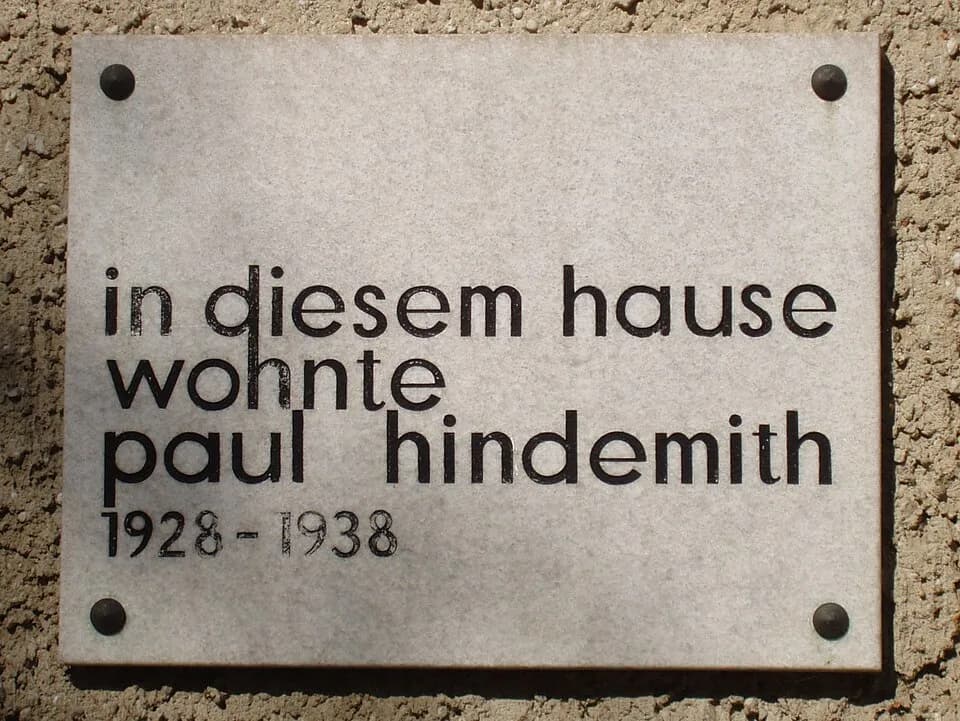
As the political climate in Germany grew increasingly fraught, Hindemith and his wife encountered worsening difficulties with the Nazi regime, which profoundly impacted their lives and artistic freedom. This challenging situation led them to make the courageous and significant decision to emigrate, initially relocating to Switzerland and subsequently moving to the United States well in advance of World War II. This emigration allowed him to continue his vital creative and academic pursuits in new cultural environments, where his influence continued to grow and flourish.
Capítulo 4· Capítulo 4 de 7
Personal Life
While Paul Hindemith's public life was richly adorned with unparalleled musical achievements and academic distinctions, aspects of his personal journey were undeniably shaped by the tumultuous global events of the mid-20th century. His profound decision to emigrate to Switzerland and then to the United States alongside his wife, preceding the outbreak of World War II, powerfully underscored the severe challenges and moral dilemmas that artists of his caliber confronted during that turbulent era. This critical relocation not only ensured his personal safety but also allowed him to sustain his creative endeavors and academic contributions in a more welcoming and intellectually free environment. While specific details about his wider family or intricate personal relationships are not extensively provided in his biographical records, the shared journey of emigration with his wife highlights a partnership resilient in the face of adversity.
Capítulo 5 · 1923· Capítulo 5 de 7
Notable Works and Contributions
Hindemith's vast and varied body of work stands as a testament to his comprehensive mastery across numerous forms and genres within both classical and modern classical music. Among his earliest and most profoundly celebrated compositions is the intricate song cycle Das Marienleben, initially published in 1923, which offered a deeply spiritual and musically sophisticated interpretation of the life of the Virgin Mary. He further expanded his repertoire with the powerful oratorio Das Unaufhörliche, composed in 1931, showcasing his command of large-scale vocal and orchestral forces. His evocative work Der Schwanendreher, a concerto for viola and orchestra composed in 1935, particularly highlighted his deep and personal connection to string instruments, reflecting his own virtuosity as a violist.
The opera Mathis der Maler, completed in 1938, alongside its impactful preceding symphony of the same name from 1934, are universally regarded as cornerstones of his entire compositional output. These works are imbued with profound artistic and political engagement, delving into themes of artistic freedom and moral choice during times of societal upheaval. Another monumental and widely acclaimed work is the Symphonic Metamorphosis of Themes by Carl Maria von Weber, composed in 1943, where Hindemith masterfully reimagined existing musical material with his distinctively modern and sophisticated touch. In 1946, he composed the deeply poignant oratorio When Lilacs Last in the Dooryard Bloom'd, a moving requiem based on Walt Whitman's profound poem. This work powerfully showcased his extraordinary ability to address themes of loss, remembrance, and solace with exceptional musicality and emotional depth.
His extensive discography further confirms the sheer breadth and enduring impact of his creative output, featuring seminal recordings that continue to captivate audiences worldwide. Among these are the distinguished Sinfonie „Mathis der Maler“, released in 1956, and later re-issues such as Kammermusik 2 - Konzertmusik op. 49, made available in 1993, and the compelling Nobilissima visione / Der Schwaendreher / Sinfonische Metamorphosen, released in 1994. Other significant recordings include The Four Temperaments / Five Pieces / Funeral Music from 1956 and his masterful interpretation of Ludus Tonalis in 1973, a work also highly regarded for its theoretical significance and cited as an academic publication from 1942. His collaborative spirit was evident in recordings such as Bruch: Scotish Fantasia, op.46 / Hindemith: Violin Concerto (1939) from 1962, where his own concerto was presented alongside a work by Max Bruch, underscoring his stature among leading classical composers. These recordings serve as invaluable documents of his musical genius.
Beyond his compositions and performances, Paul Hindemith was also a prolific academic. His contributions to music theory are reflected in his h-index of 6, derived from 228 papers, indicating a substantial scholarly presence. While many of these are academic papers, titles like Interlude in G, from Ludus Tonalis (1942) emphasize his theoretical exploration directly within his musical works. His influence as a musicologist and theorist permeated his teaching, profoundly impacting generations of students and musicians.
Capítulo 6 · 1963· Capítulo 6 de 7
Later Years
In his final decades, Paul Hindemith dedicated a substantial portion of his energy and expertise to actively conducting and meticulously recording his own compositions. This meticulous engagement ensured that his unique artistic vision and precise interpretive intentions were authentically preserved for posterity, establishing an invaluable legacy for all future generations of musicians and discerning audiences. Through these efforts, he solidified the definitive interpretations of his works. He passed away on December 28, 1963, in Frankfurt, Francia, bringing to a close a life exceptionally rich with musical innovation, profound creation, and widespread influence across the global classical music community.
Capítulo 7· Capítulo 7 de 7
Legacy and Impact
Paul Hindemith’s indelible influence on 20th-century music is unequivocally profound, stemming from his multifaceted roles as an innovative composer, a rigorous theorist, an inspiring teacher, and an authoritative conductor. He stood as a central and unwavering advocate for the Neue Sachlichkeit style, courageously challenging conventional musical aesthetics and forging pioneering new paths for the direction of modern classical music. His extensive and diverse body of compositions, ranging from intimate chamber music to grand operas and profound oratorios, continues to be extensively performed, rigorously studied, and deeply appreciated across the globe, firmly cementing his revered position as a classical composer of enduring significance and timeless relevance. As a dedicated music educator and a perceptive theorist, a role underscored by his substantial academic publications and the far-reaching influence of theoretical works like Ludus Tonalis, he masterfully shaped both the intellectual understanding and practical application of music for countless students and fellow musicians, leaving an extraordinary artistic, intellectual, and pedagogical heritage that continues to inspire.
FAQ
Perguntas frequentes
Quando Paul Hindemith morreu?
Paul Hindemith morreu em 28 de dezembro de 1963 em Frankfurt, Francia, aos 68 anos.
Onde Paul Hindemith nasceu?
Paul Hindemith nasceu em Hanau, Germany em 16 de novembro de 1895.
Pelo que Paul Hindemith é mais conhecido(a)?
Paul Hindemith é mais conhecido(a) por German composer.
Quantos anos Paul Hindemith tinha ao morrer?
Paul Hindemith tinha 68 anos no momento da morte.
Qual era a nacionalidade de Paul Hindemith?
Paul Hindemith era de Germany.
Linha do tempo
A vida em resumo
Galeria de fotos
Uma vida em imagens
Clique em uma polaroid para ampliar · 23 fotos
Código QR
Compartilhar Esta Biografia
Imprimir e Compartilhar
Escaneie para visitar a página desta biografia. Imprima para eventos, exposições ou materiais educativos.