Biografia · Italian journalist

4 min read · 834 words

Oriana Fallaci

1929 · 2006

Anos vividos
77
Fotos
45
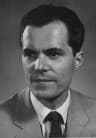
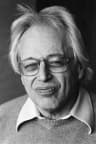
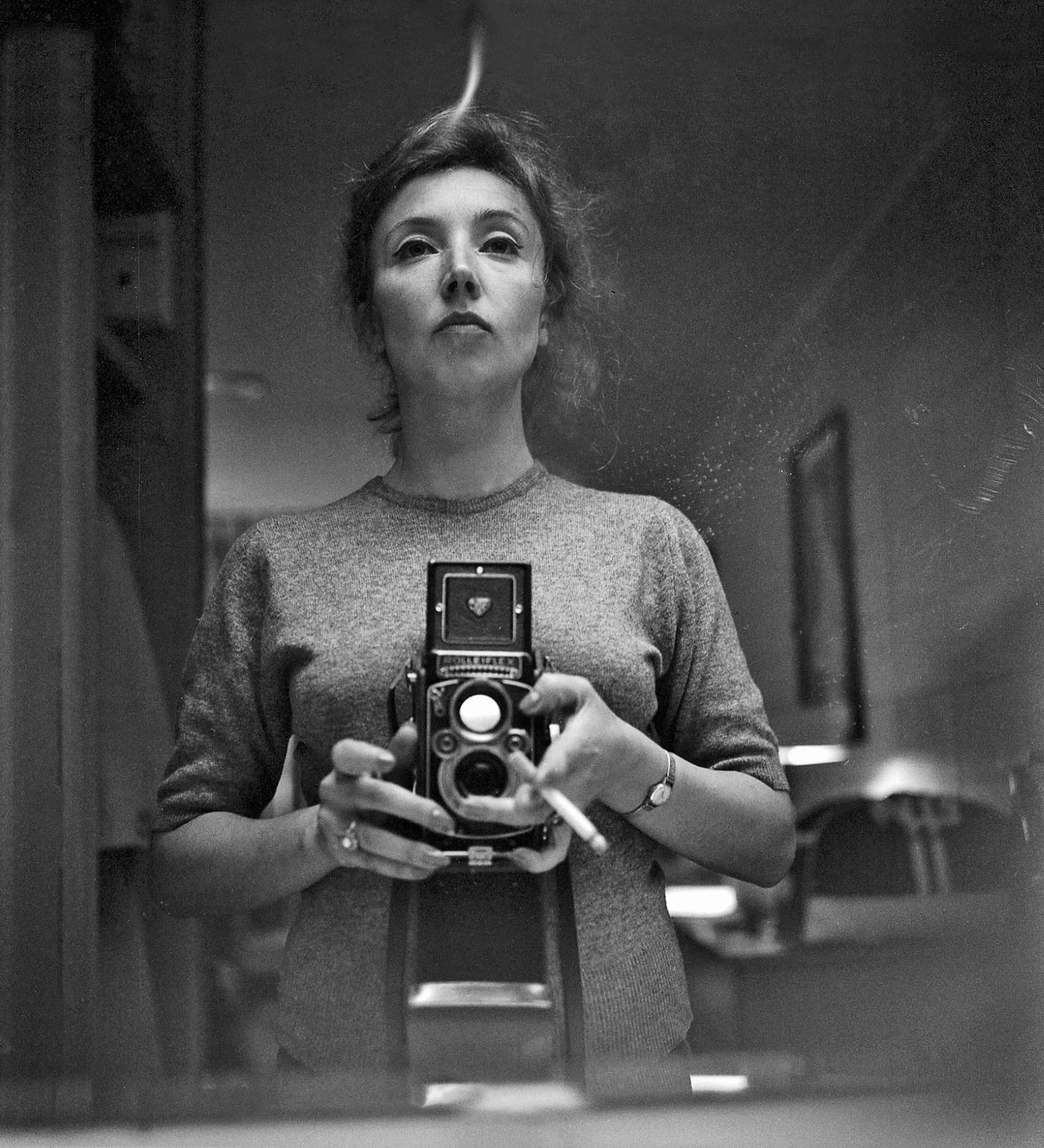
Oriana Fallaci portrait

Nascimento

June 29, 1929

Florence, Kingdom of Italy

Falecimento

September 15, 2006

Florence, Kingdom of Italy

Conhecido por

Italian journalist

Oriana Fallaci (1929-2006) was an Italian journalist and author from Florence. She became internationally famous for her fearless war reporting and aggressive interviews with world leaders during the 1960s-1980s. Her confrontational style and bestselling books established her as one of the most influential journalists of the 20th century.

Uma vida em momentos

Os momentos que moldaram uma vida

Escrito em English

Capítulo

Capítulos da vida

Capítulo 1 · 1929· Capítulo 1 de 6

Early Life and Origins

Oriana Fallaci was born on June 29, 1929, in Florence, in what was then the Kingdom of Italy. Growing up during the rise of fascism in Italy, she witnessed firsthand the political upheaval that would shape her worldview and journalistic approach. Her early years in Florence exposed her to the cultural richness of Tuscany while also providing a front-row seat to the dramatic political changes sweeping across Europe.

As a teenager during World War II, Fallaci made a decision that would define her character for life. She joined the Italian resistance movement, participating in the fight against fascism and Nazi occupation. This early experience with war, resistance, and political struggle gave her insights that would later inform her career as a war correspondent and her ability to understand conflict from multiple perspectives.

Capítulo 2· Capítulo 2 de 6

Career Beginnings

After the war ended, Fallaci transitioned from resistance fighter to journalist, beginning what would become a legendary career in media. Her early work established her as a serious reporter with a talent for getting to the heart of complex stories. The skills she developed during her resistance years - courage, determination, and an ability to work under pressure - served her well as she entered the competitive world of Italian journalism.

Her initial assignments helped her develop the aggressive interviewing style that would later make her famous worldwide. She quickly distinguished herself from other journalists through her willingness to ask difficult questions and her refusal to accept superficial answers from her subjects.

Capítulo 3· Capítulo 3 de 6

Major Achievements and Career Highlights

During the 1960s, 1970s, and 1980s, Fallaci became internationally renowned for her coverage of wars and revolutions around the globe. Her fearless reporting from conflict zones earned her recognition as one of the finest war correspondents of her generation. She traveled to dangerous locations where other journalists feared to go, always seeking the truth behind the official narratives.

Perhaps even more famous were her "long, aggressive and revealing interviews" with world leaders and major political figures. Her confrontational style often caught powerful people off guard, leading them to make statements and admissions they might never have shared with more conventional interviewers. These interviews became legendary in journalism circles for their intensity and the insights they provided into the minds of influential leaders.

Her exceptional work as a journalist earned her various prizes and international recognition. Colleagues and competitors alike respected her dedication to uncovering truth, even when it put her in personal danger or created diplomatic incidents.

Capítulo 4· Capítulo 4 de 6

Notable Works and Contributions

Beyond her journalism, Fallaci became a successful author, writing several books that achieved bestseller status. Among her notable works were "Interviews with History and Power," which compiled some of her most significant interviews with world leaders. She also wrote "Intervista con la storia" and "Un Uomo," demonstrating her range as a writer beyond journalism.

Her bibliography includes works in multiple languages, reflecting her international appeal and influence. "Lettre a un Enfant Jamais Ne" was published in French, while "Mikhtav le-yeled asher lo nolad" appeared in Hebrew, showing how her work transcended linguistic and cultural boundaries. She also wrote "Oriana Fallaci intervista sé stessa," a unique work of self-examination that provided insights into her own motivations and methods.

"L'Italia della dolce vita" captured her observations of Italian society during a period of significant social change, while other works explored themes of war, politics, and human nature that had fascinated her throughout her career.

Capítulo 5· Capítulo 5 de 6

Later Years

In her later years, Fallaci continued writing and remained an influential voice in international discourse. She maintained her reputation for controversial opinions and unwillingness to moderate her views to please others. Her later works continued to generate discussion and debate, proving that her ability to provoke thought and challenge assumptions remained intact well into her senior years.

Even as she aged, Fallaci never lost the fighting spirit that had driven her since her teenage years in the Italian resistance. She remained engaged with current events and continued to express her views on politics and society with the same intensity that had characterized her entire career.

Capítulo 6 · 2006· Capítulo 6 de 6

Legacy and Impact

Oriana Fallaci died on September 15, 2006, in her beloved Florence, the same city where she had been born 77 years earlier. Her death marked the end of an era in journalism, as few reporters possessed her combination of courage, skill, and unwavering commitment to truth-telling. Her influence on journalism continues to this day, particularly in the field of political interviewing.

Her approach to interviewing powerful figures - direct, confrontational, and uncompromising - became a model for journalists who sought to hold leaders accountable. Many contemporary journalists cite her work as an inspiration for their own careers. Her books remain in print and continue to find new readers who appreciate her unique perspective on history and politics.

Fallaci's life story, from resistance fighter to internationally acclaimed journalist, represents a remarkable journey through some of the most significant events of the 20th century. Her legacy reminds us of the vital role journalists play in democracy and the importance of asking difficult questions of those in power.

Linha do tempo

A vida em resumo

  1. 1929

    Early Life and Origins

  2. 2006

    Legacy and Impact

Galeria de fotos

Uma vida em imagens

Clique em uma polaroid para ampliar · 43 fotos

Código QR

Compartilhar Esta Biografia

Imprimir e Compartilhar

Escaneie para visitar a página desta biografia. Imprima para eventos, exposições ou materiais educativos.
Quem foi Oriana Fallaci? (1929-2006) | WhoWasThisGuy.com