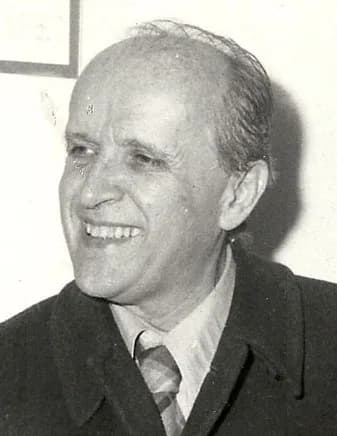
Nascimento
December 3, 1911
Milan, Italy
Falecimento
April 10, 1979
Rome, Italy
Conhecido por
Italian composer
Nino Rota (1911–1979) was Italy best known for Italian composer.
Nino Rota (December 3, 1911 – April 10, 1979) was an Italian composer and musician, best known for his iconic film scores. He composed for Federico Fellini, Luchino Visconti, and Francis Ford Coppola, earning an Academy Award for The Godfather Part II. His work left a significant mark on both classical and cinematic music.
Uma vida em momentos
Os momentos que moldaram uma vida
Capítulo
Capítulos da vida
Capítulo 1 · 1911· Capítulo 1 de 7
Opening Tribute
Giovanni "Nino" Rota Rinaldi, simply known to the world as Nino Rota, was an Italian composer whose work graced some of the most enduring films of the 20th century. Born on December 3, 1911, and passing away on April 10, 1979, Rota built a lasting legacy as a prolific musician, recognized especially for his profound contributions to cinema.
His distinctive melodies and orchestral arrangements created unforgettable soundscapes for generations of film lovers. Rota's extensive career spanned various musical fields, yet it is his film scores that resonate most widely today, establishing him as a true maestro of cinematic emotion.
Capítulo 2 · 1911· Capítulo 2 de 7
Early Life and Origins
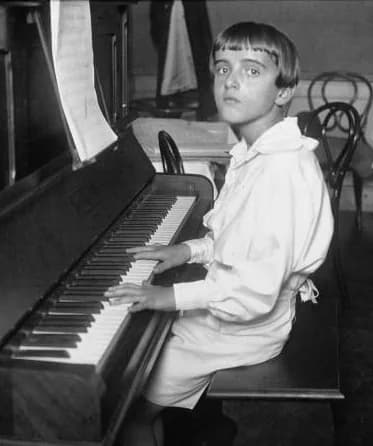
Nino Rota was born in Milan, Italy, on December 3, 1911. From his earliest years, Rota displayed a remarkable talent for music, which would ultimately lead him down a path of composition and performance.
His initial upbringing in Milan provided the foundation for his diverse musical education and artistic development. This early immersion in music set the stage for a career that would encompass many roles, from pianist to conductor and teacher.
Capítulo 3· Capítulo 3 de 7
Career Beginnings
Rota's professional life began to unfold as he honed his skills across various musical disciplines. He was not only a composer but also an accomplished pianist, conductor, and academic.
These early experiences broadened his understanding of music theory and performance, preparing him for the wide array of projects he would undertake. His innate talent soon found its most famous outlet in the world of film scoring.
Capítulo 4· Capítulo 4 de 7
Major Achievements and Career Highlights
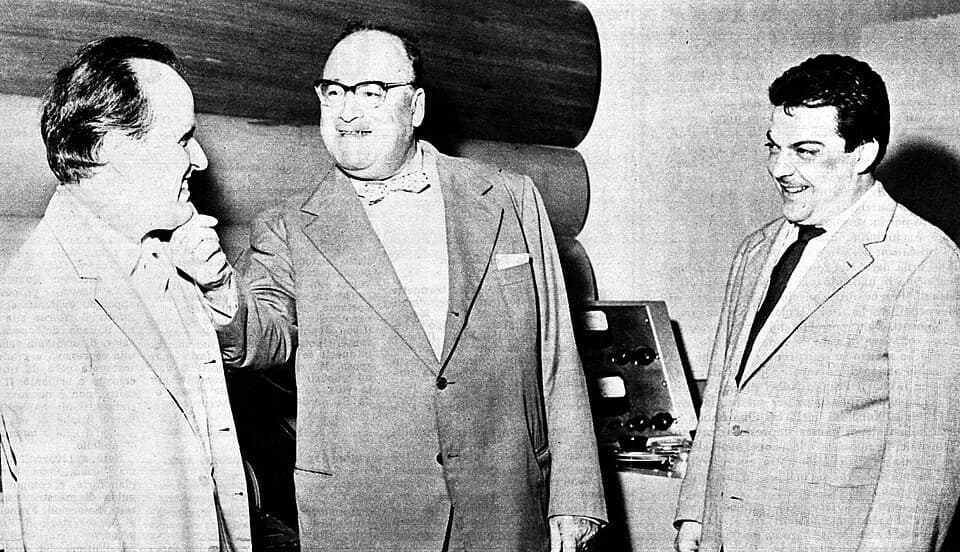
Nino Rota became widely known for his evocative film scores, creating music that became synonymous with the visual narratives it accompanied. He is particularly celebrated for his enduring collaborations with acclaimed directors Federico Fellini and Luchino Visconti.
Beyond his work with Fellini and Visconti, Rota also composed for two of Franco Zeffirelli's Shakespeare screen adaptations. A significant milestone in his career was earning the Academy Award for Best Original Score in 1974 for his work on Francis Ford Coppola's *The Godfather Part II*, following his compositions for the first installment of the trilogy.
Capítulo 5 · 1963· Capítulo 5 de 7
Notable Works or Contributions
Rota's creative output was incredibly varied, encompassing both film music and classical compositions. His discography includes works like *Mysterium Catholicum* from 1963, and later compilations such as *Film Music: La strada / War and Peace / Il gattopardo / Waterloo* in 1992.
Other notable musical releases include *Respighi: Ancient Airs & Dances; Barber: Adagio for Strings; Rota: Concerto for Strings; Elgar: Serenade* (1986) and *Two Piano Concertos* (1998). His contributions to classical music also include pieces like *Concerto per trombone e orchestra* and *Variazioni e fuga sei dodici toni sul nome di Bach*. He further explored chamber music and symphonic works, demonstrating his versatility across classical and modern classical genres.
Capítulo 6· Capítulo 6 de 7
Later Years
Nino Rota continued to compose and contribute to the musical world throughout his life. He remained active in his various professions as a musician, lecturer, and film score composer.
Rota passed away on April 10, 1979, in Rome, Italy. His departure marked the end of a prolific career that enriched both the concert hall and the silver screen.
Capítulo 7· Capítulo 7 de 7
Legacy and Impact
Nino Rota's legacy is firmly rooted in his extraordinary ability to craft memorable melodies that transcend their original context. His scores are not merely accompaniments but essential components that define the emotional resonance of many cinematic masterpieces.
His unique sound continues to inspire and influence composers and filmmakers globally. Rota’s contributions cemented his place as an indispensable figure in 20th-century music, particularly in shaping the art of film scoring.
FAQ
Perguntas frequentes
Quando Nino Rota morreu?
Nino Rota morreu em 10 de abril de 1979 em Rome, Italy, aos 67 anos.
Onde Nino Rota nasceu?
Nino Rota nasceu em Milan, Italy em 3 de dezembro de 1911.
Pelo que Nino Rota é mais conhecido(a)?
Nino Rota é mais conhecido(a) por Italian composer.
Quantos anos Nino Rota tinha ao morrer?
Nino Rota tinha 67 anos no momento da morte.
Qual era a nacionalidade de Nino Rota?
Nino Rota era de Italy.
Linha do tempo
A vida em resumo
Galeria de fotos
Uma vida em imagens
Clique em uma polaroid para ampliar · 24 fotos
Código QR
Compartilhar Esta Biografia
Imprimir e Compartilhar
Escaneie para visitar a página desta biografia. Imprima para eventos, exposições ou materiais educativos.