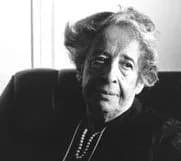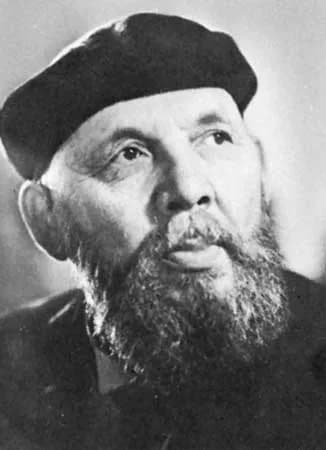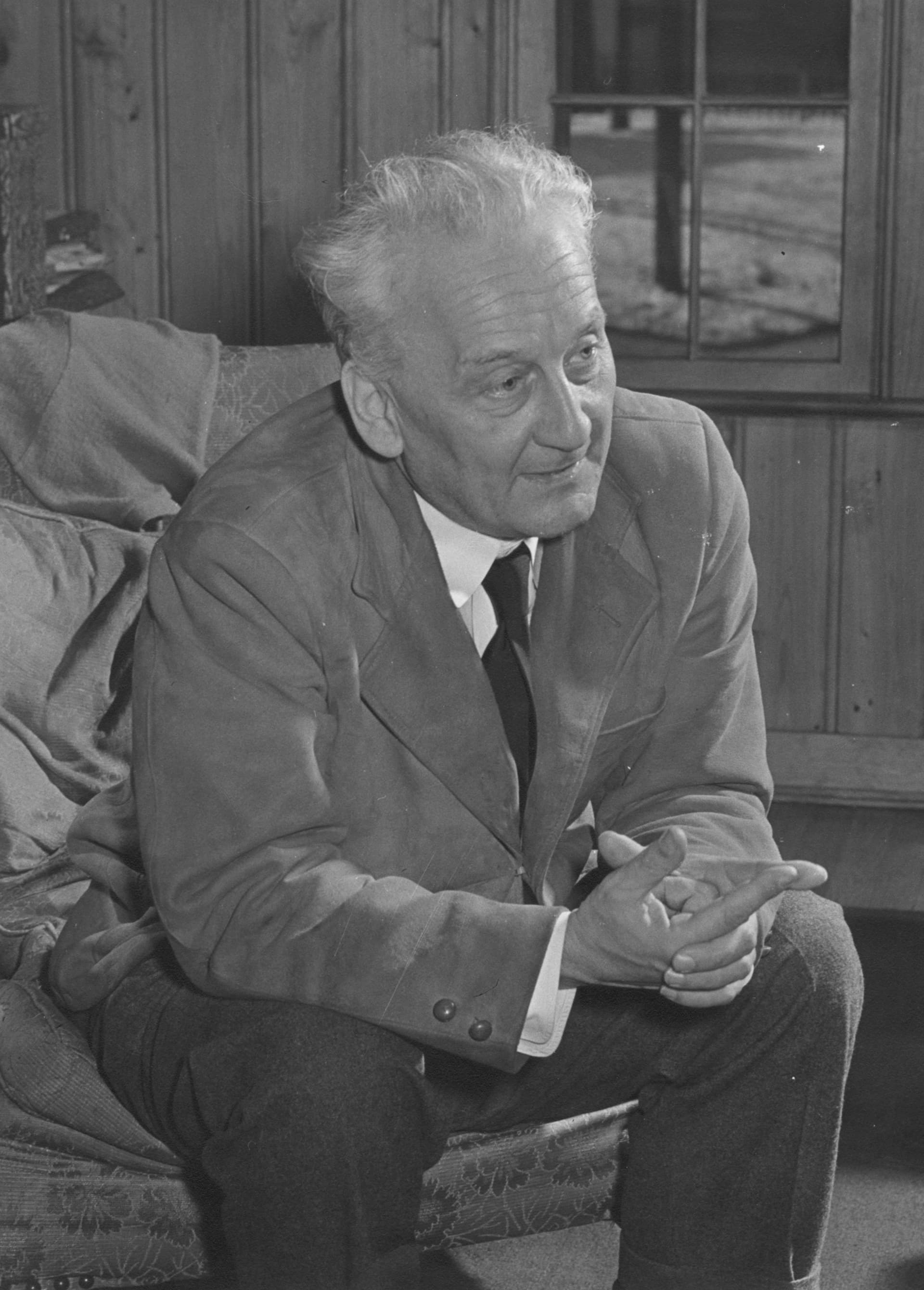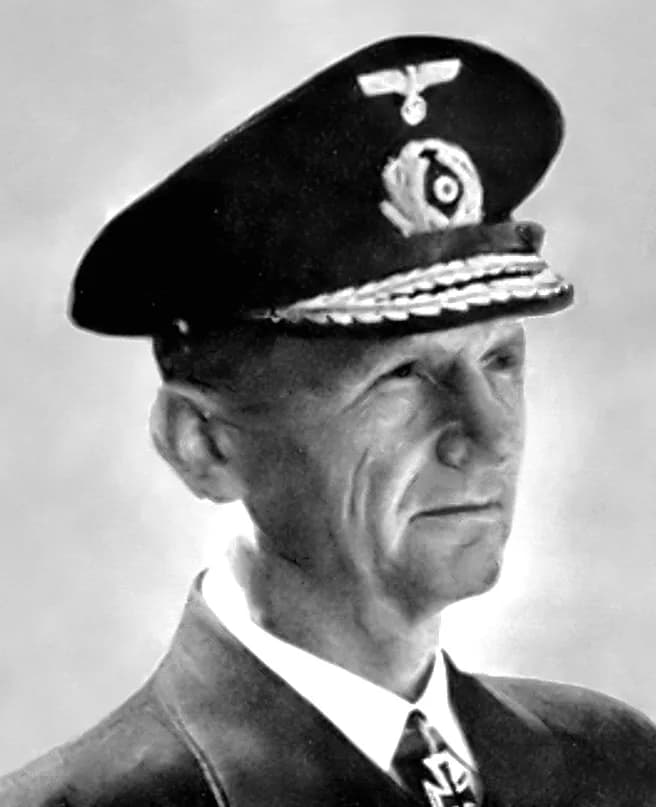
Nascimento
September 16, 1885
Blankenese, Germany
Falecimento
December 4, 1952
New York City, United States
Conhecido por
American-German psychoanalyst
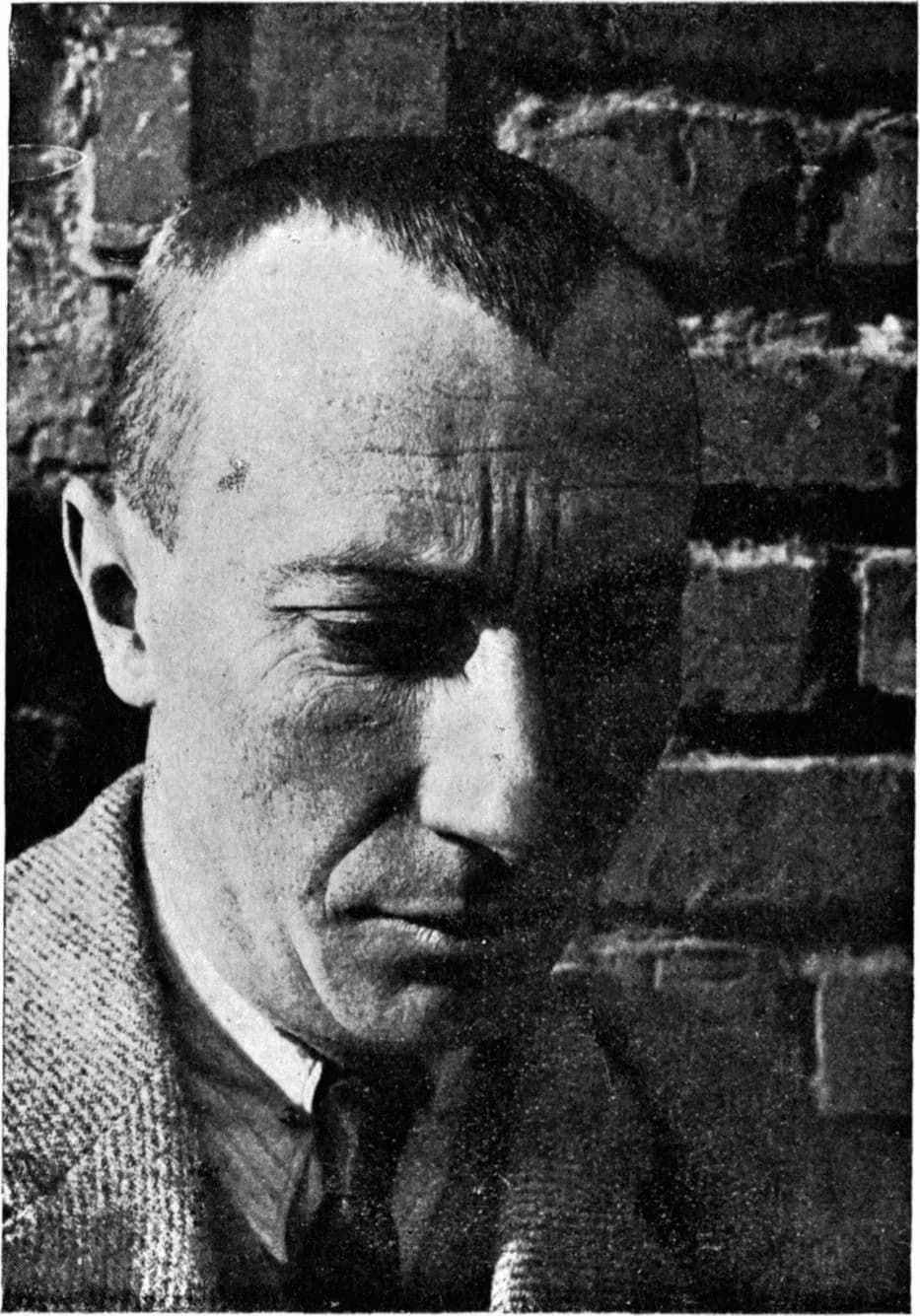
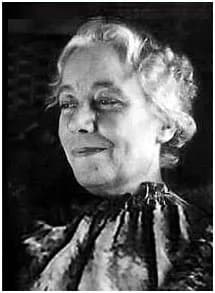
Karen Horney (1885–1952) was Germany best known for American-German psychoanalyst.
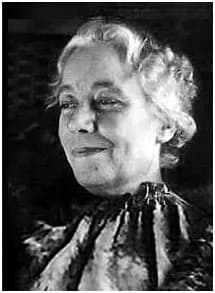
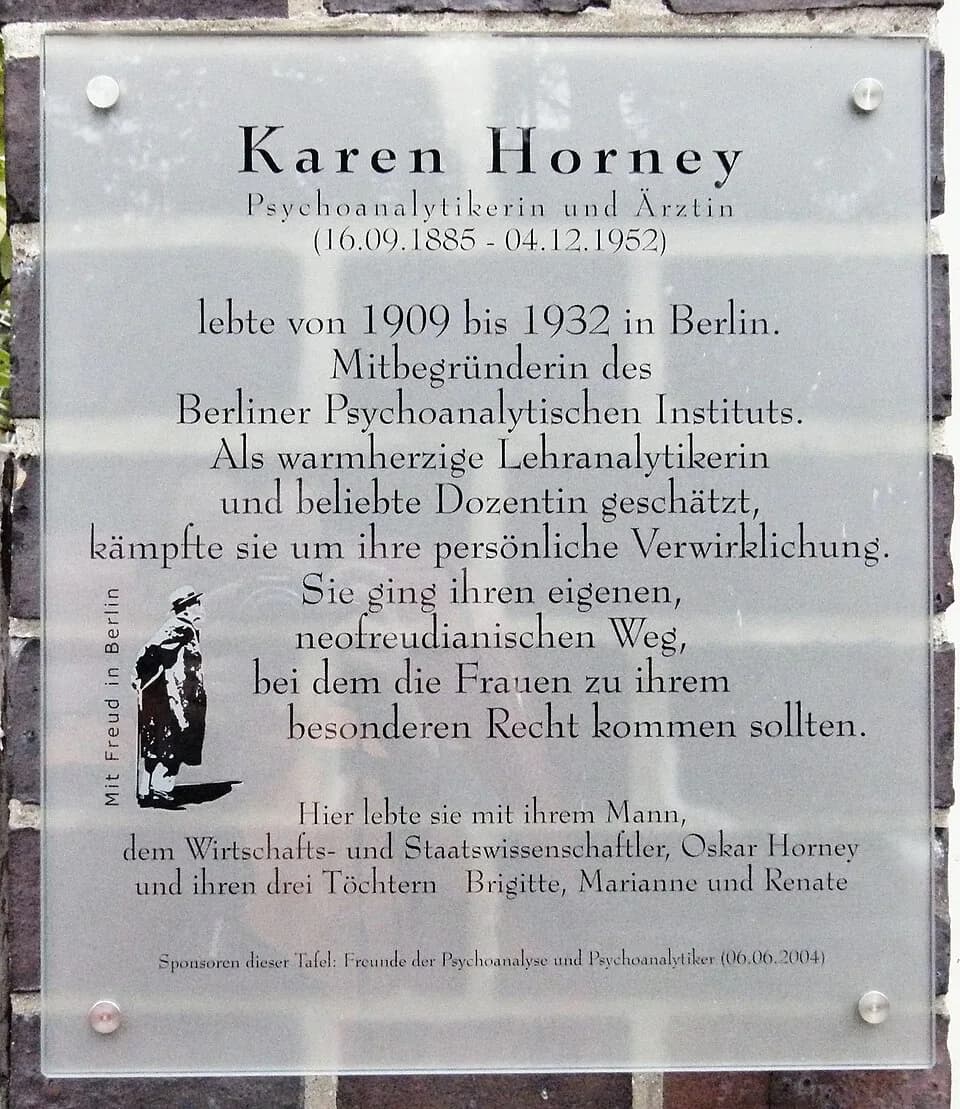
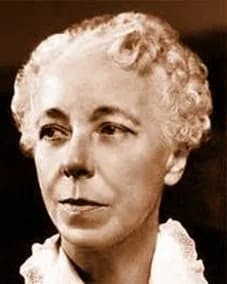
Karen Horney (September 16, 1885 – December 4, 1952) was an American-German psychoanalyst. She questioned traditional Freudian views and is credited with founding feminist psychology. Horney emphasized societal and cultural factors in psychological development, leaving a lasting impact on the field.
Uma vida em momentos
Os momentos que moldaram uma vida


Capítulo
Capítulos da vida
Capítulo 1 · 1885· Capítulo 1 de 6
Early Life and Origins
Born on September 16, 1885, in Blankenese, Germany, Karen Horney's early experiences shaped her intellectual curiosity and desire to understand the human mind. Her German upbringing provided the backdrop for the initial phases of her rigorous medical and psychological training.
Capítulo 2· Capítulo 2 de 6
Career Beginnings
Horney began her professional journey as a psychoanalyst, initially engaging with the prevailing Freudian paradigm. However, her keen observational skills and independent thinking soon led her to question several core tenets of traditional psychoanalysis. These early departures from established thought set the stage for her later, more extensive theoretical contributions.
Her career eventually led her to the United States, where she practiced during her later years. This move allowed her to develop and disseminate her ideas to a broader audience, fostering a new school of thought within the psychoanalytic community.
Capítulo 3· Capítulo 3 de 6
Major Achievements and Career Highlights
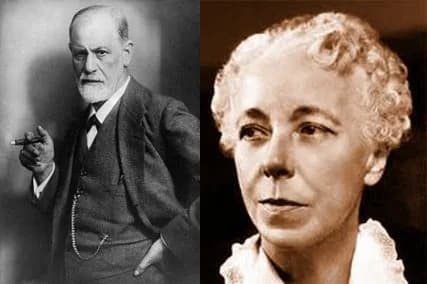
Among Karen Horney's most significant achievements was her direct challenge to some of Sigmund Freud's traditional views. She specifically questioned his theories regarding sexuality and the instinct orientation of psychoanalysis, arguing for a more nuanced understanding of human drives.
Horney is also widely credited as the founder of feminist psychology. She developed this field in direct response to Freud's theory of penis envy, which she vehemently disagreed with. Instead of inherent biological differences between men and women's psychology, Horney, much like Alfred Adler, attributed such observed differences to societal and cultural factors, emphasizing environmental influences over biological determinism.
Capítulo 4· Capítulo 4 de 6
Notable Works and Contributions
Karen Horney's intellectual output was considerable, leaving behind a substantial body of work that continues to be studied. Her publications offered new perspectives on neurosis, self-analysis, and the psychology of women. Key works include "Our Inner Conflicts: A Constructive Theory of Neurosis," which explored the internal struggles contributing to psychological distress.
Her seminal work "Feminine Psychology" directly addressed and critiqued Freudian interpretations of female development, laying the groundwork for a culturally and socially informed understanding of gender. Other significant contributions include "New Ways in Psychoanalysis" and "Self-analysis," both of which further elaborated on her evolving theories and provided practical frameworks for psychological understanding and personal growth.
Capítulo 5 · 1952· Capítulo 5 de 6
Later Years
Karen Horney spent the latter part of her career practicing in the United States, where her influence grew substantially. She continued to write and refine her theories, leaving a lasting mark on the field of psychoanalysis. Her life came to an end on December 4, 1952, in New York City, United States, but her intellectual legacy continued to thrive.
Capítulo 6· Capítulo 6 de 6
Legacy and Impact
Karen Horney's enduring legacy lies in her courage to challenge established paradigms and her pioneering work in shifting psychoanalytic thought. By highlighting the powerful roles of society and culture in shaping psychological development, she opened new avenues for understanding human experience. Her founding of feminist psychology fundamentally altered discussions about gender, moving away from biological essentialism towards a more sociologically informed perspective.
Horney's contributions fostered a more humanistic approach within psychoanalysis, one that recognized the complexities of social interactions and personal conflicts. Her ideas continue to resonate, inspiring subsequent generations of psychologists and therapists to consider broader contextual factors in their work, ensuring her lasting influence on mental health and psychological theory.
FAQ
Perguntas frequentes
Quando Karen Horney morreu?
Karen Horney morreu em 4 de dezembro de 1952 em New York City, United States, aos 67 anos.
Onde Karen Horney nasceu?
Karen Horney nasceu em Blankenese, Germany em 16 de setembro de 1885.
Pelo que Karen Horney é mais conhecido(a)?
Karen Horney é mais conhecido(a) por American-German psychoanalyst.
Quantos anos Karen Horney tinha ao morrer?
Karen Horney tinha 67 anos no momento da morte.
Qual era a nacionalidade de Karen Horney?
Karen Horney era de Germany.
Linha do tempo
A vida em resumo
Galeria de fotos
Uma vida em imagens
Clique em uma polaroid para ampliar · 20 fotos
Código QR
Compartilhar Esta Biografia
Imprimir e Compartilhar
Escaneie para visitar a página desta biografia. Imprima para eventos, exposições ou materiais educativos.