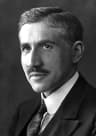
Nascimento
April 12, 1903
The Hague, Netherlands
Falecimento
June 9, 1994
The Hague, Netherlands
Conhecido por
Dutch economist
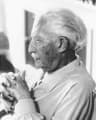
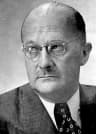
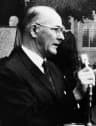
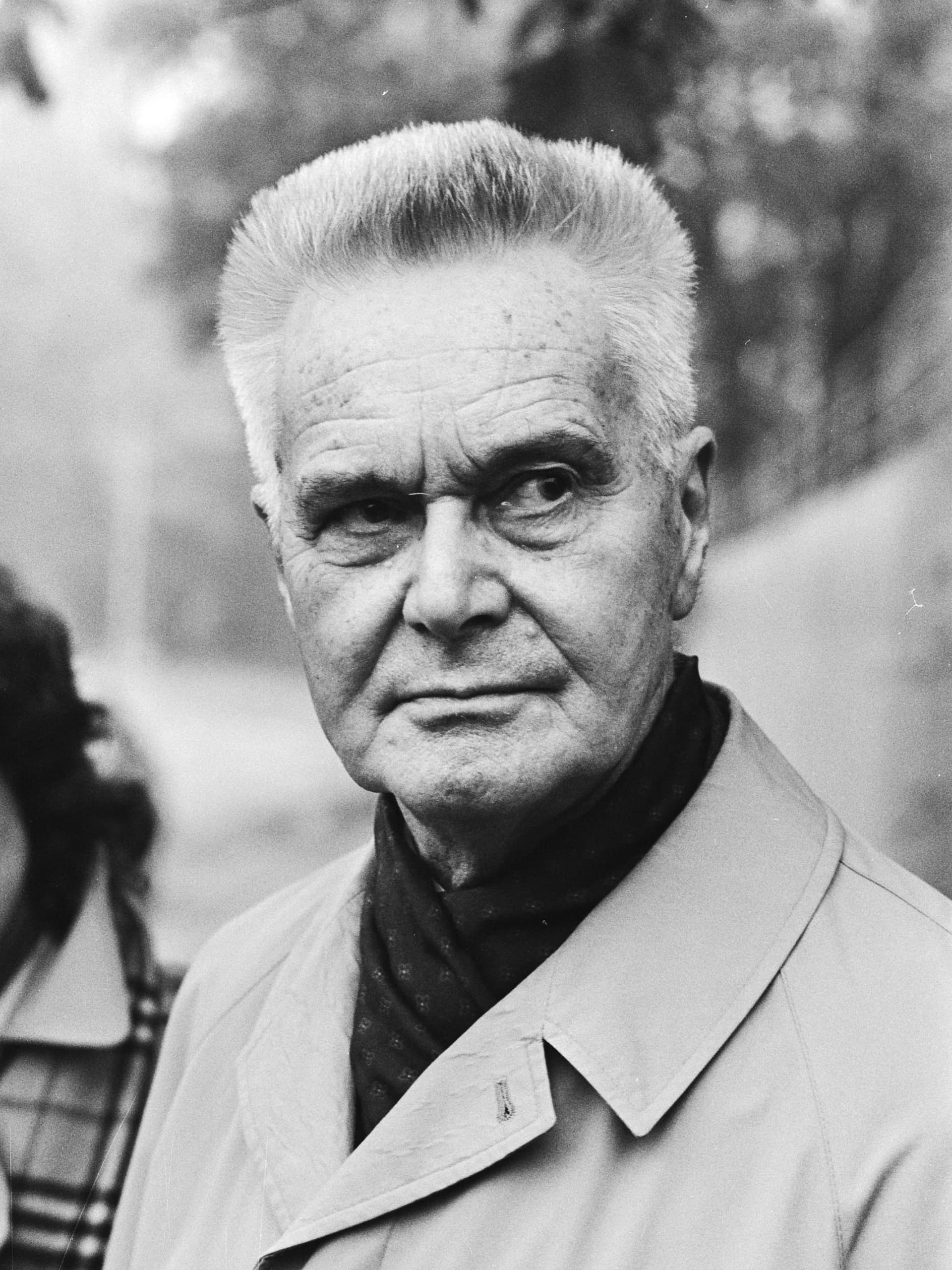
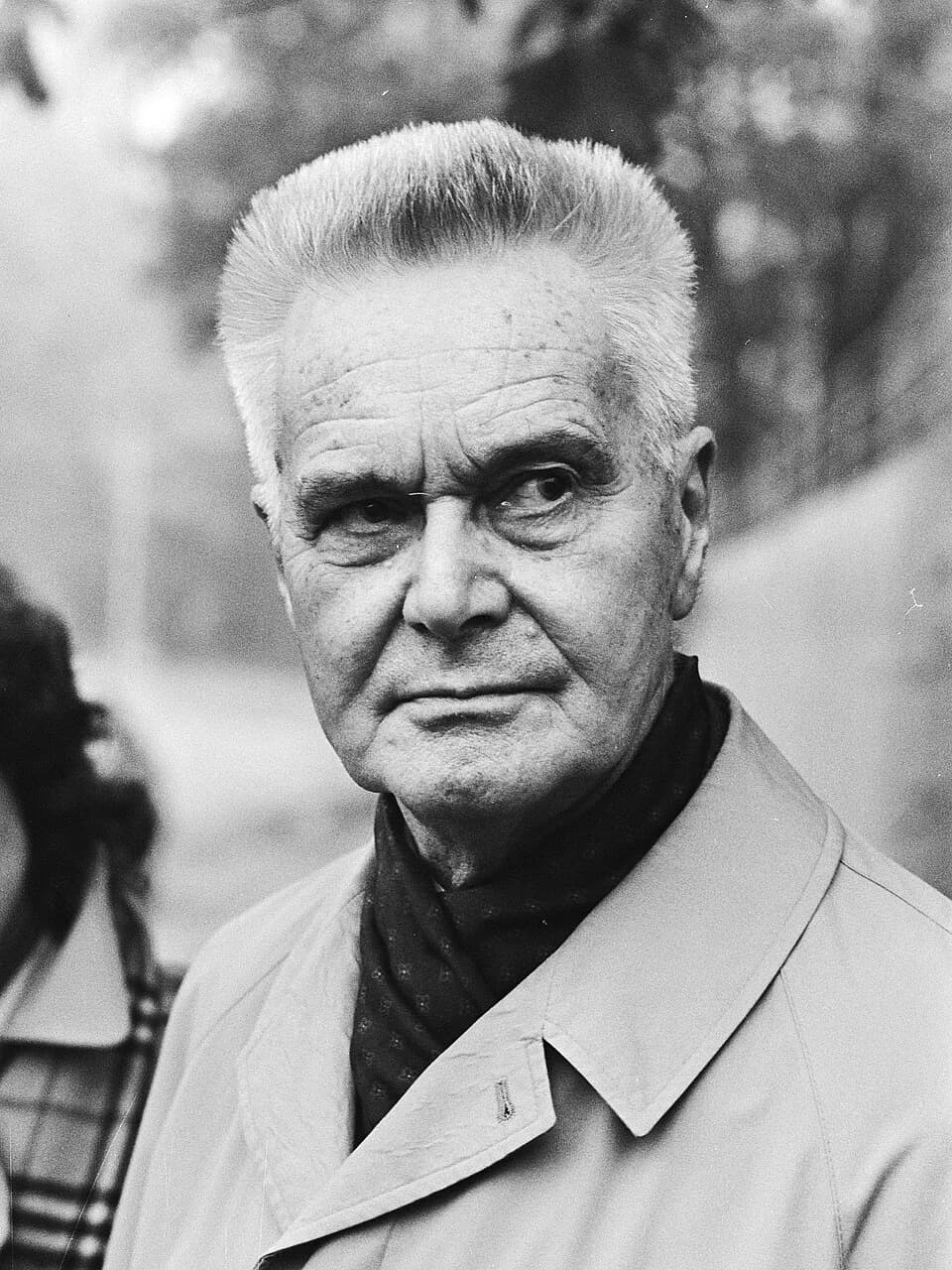
Jan Tinbergen (1903–1994) was Netherlands best known for Dutch economist.
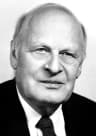
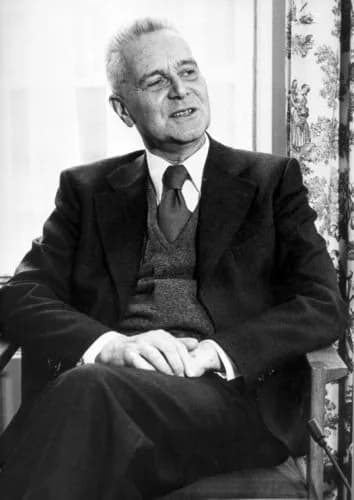
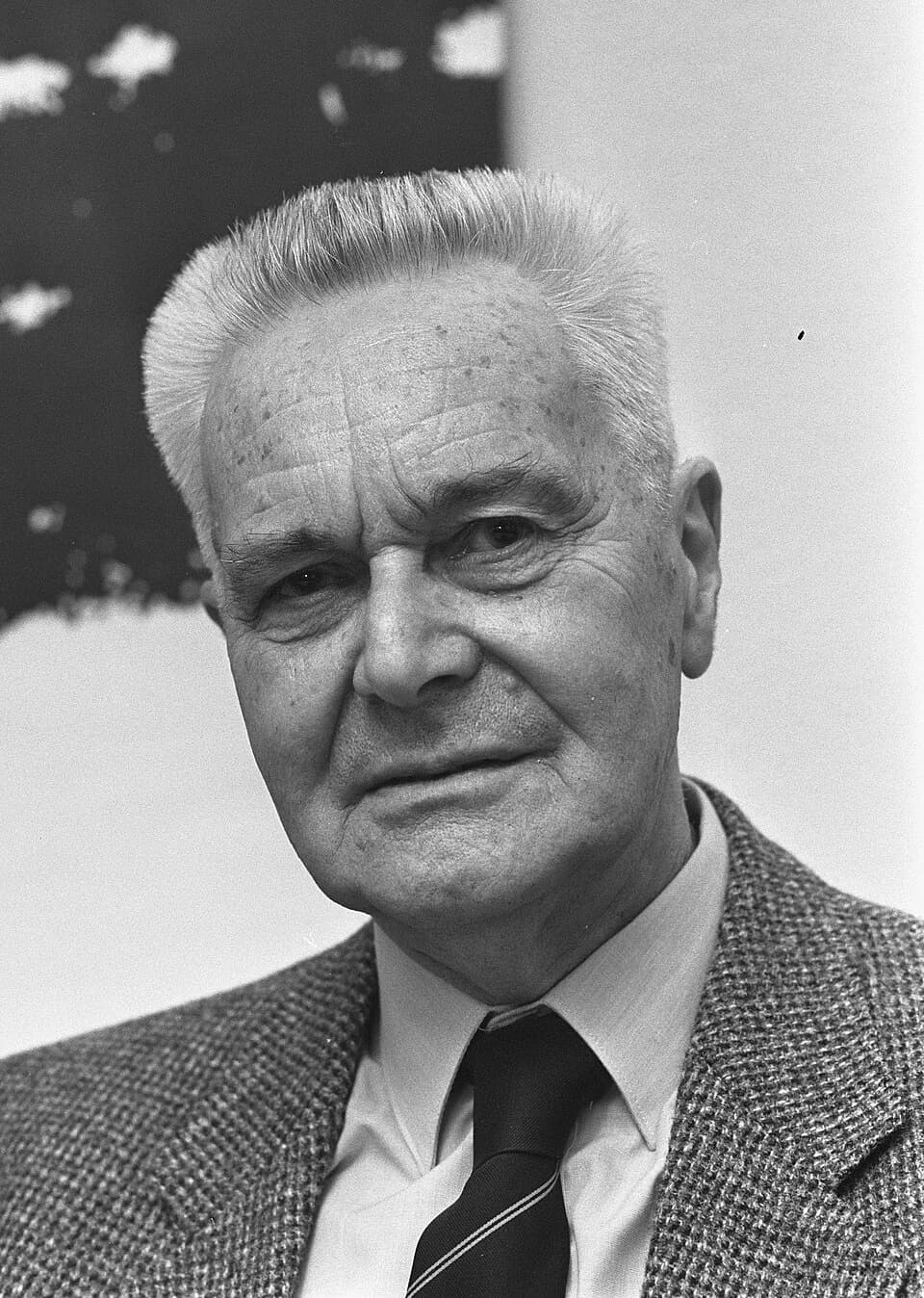
Jan Tinbergen (April 12, 1903 – June 9, 1994) was a Dutch economist from The Hague, Netherlands. He was awarded the first Nobel Memorial Prize in Economic Sciences in 1969 for developing and applying dynamic models for economic processes, and he is considered a founding father of econometrics. His work continues to shape modern economic analysis.
Capítulo
Capítulos da vida
Capítulo 1 · 1903· Capítulo 1 de 6
Early Life and Origins
Born into a family in The Hague, Netherlands, on April 12, 1903, Jan Tinbergen's early environment fostered a keen intellect and a drive for academic pursuit. While specific details of his early family life and schooling are not widely publicized, his eventual stature as a university teacher and economist indicates a profound engagement with higher education from a young age. His formative years in The Hague undoubtedly provided the backdrop for his future intellectual endeavors, influencing his perspective on societal and economic challenges.
The intellectual climate of the Netherlands in the early 20th century, a hub of scientific and philosophical discourse, likely played a role in guiding Tinbergen towards a rigorous academic path. His progression into the fields of mathematics and physics, often a prerequisite for advanced economic modeling, laid the essential groundwork for his later innovative work. This strong foundation enabled him to approach complex economic problems with a precision previously uncommon in the discipline.
Capítulo 2· Capítulo 2 de 6
Career Beginnings
Tinbergen's career trajectory began with an initial focus that soon turned towards the burgeoning field of economics, where he sought to apply scientific rigor to social phenomena. His early work involved integrating mathematical and statistical methods into economic analysis, a practice that would later coalesce into the discipline of econometrics. He quickly established himself as a proponent of quantitative approaches to understanding economic behavior, moving beyond purely qualitative observations.
As a university teacher, Tinbergen dedicated himself to educating future generations of economists, instilling in them the importance of empirical evidence and mathematical modeling. His commitment to developing and refining tools for economic analysis from the outset of his career set him apart. This foundational period saw him developing the conceptual frameworks that would underpin his most significant achievements, laying the groundwork for a truly data-driven approach to economic policy.
Capítulo 3 · 1969· Capítulo 3 de 6
Major Achievements and Career Highlights
Jan Tinbergen's career was punctuated by numerous significant achievements, most notably the conferral of the first Nobel Memorial Prize in Economic Sciences in 1969. This prestigious award was shared with Ragnar Frisch, recognizing their parallel and complementary efforts in advancing economic methodology. The Nobel Committee specifically cited their development and application of dynamic models for the analysis of economic processes, a truly pioneering endeavor at the time.
His work fundamentally altered the practice of economics by introducing a systematic way to model and forecast economic trends, moving the field closer to an empirical science. Tinbergen is widely acknowledged as one of the most influential economists of the 20th century, cementing his status as a key figure in the establishment of econometrics. This recognition underscores the enduring relevance and scientific exactitude of his methodological innovations, which continue to inform economic research and policy worldwide.
Capítulo 4· Capítulo 4 de 6
Notable Works or Contributions
The core of Jan Tinbergen's contributions centered on the creation and practical implementation of dynamic models for economic analysis. These models allowed economists to analyze economic systems not as static snapshots but as evolving processes influenced by various factors over time. His pioneering spirit in this area provided the tools necessary for government agencies and academic institutions to make more informed decisions.
His development of econometrics as a distinct field provided a rigorous framework for statistical inference in economic phenomena, bridging the gap between economic theory and empirical data. This methodological innovation enabled the construction of comprehensive models that could be used for economic planning and forecasting. Tinbergen's dedication to making economics a more empirical discipline transformed its scope and utility, establishing new standards for quantitative research.
Capítulo 5· Capítulo 5 de 6
Later Years
Even in his later years, Jan Tinbergen continued to be an active and respected voice in the field of economics, advocating for the application of scientific methods to address global challenges. His influence extended beyond academic circles, as his insights were sought by international organizations and governments. He continued to refine his ideas and contribute to discussions on economic policy, demonstrating a lifelong commitment to his profession.
Jan Tinbergen passed away on June 9, 1994, in his birth city of The Hague, Netherlands, at the age of 91. His passing marked the end of an era for many in the economic community, but his intellectual legacy continued to thrive. He remained a source of inspiration for countless students and researchers who followed in his footsteps, embodying intellectual curiosity and dedication to rigorous inquiry.
Capítulo 6· Capítulo 6 de 6
Legacy and Impact
Jan Tinbergen's legacy endures as a cornerstone of modern economic thought, particularly through his pivotal role in establishing econometrics as a scientific discipline. His innovative application of dynamic models provided economists with indispensable tools for understanding, predicting, and influencing economic processes. This methodological precision transformed economics from a largely descriptive field into one capable of robust empirical analysis and policy design, offering tangible solutions to complex societal issues.
His work continues to influence economic research, teaching, and policy-making around the globe, making him one of the truly foundational figures of 20th-century economics. The Nobel Memorial Prize in Economic Sciences, which he was the first to receive, serves as a lasting symbol of his pioneering spirit and intellectual courage. Jan Tinbergen's contributions ensured that economic analysis would forever be intertwined with rigorous quantitative methods, solidifying his permanent place in the pantheon of scientific pioneers.
Uma vida em momentos
Os momentos que moldaram uma vida
FAQ
Perguntas frequentes
Quando Jan Tinbergen morreu?
Jan Tinbergen morreu em 9 de junho de 1994 em The Hague, Netherlands, aos 91 anos.
Onde Jan Tinbergen nasceu?
Jan Tinbergen nasceu em The Hague, Netherlands em 12 de abril de 1903.
Pelo que Jan Tinbergen é mais conhecido(a)?
Jan Tinbergen é mais conhecido(a) por Dutch economist.
Quantos anos Jan Tinbergen tinha ao morrer?
Jan Tinbergen tinha 91 anos no momento da morte.
Qual era a nacionalidade de Jan Tinbergen?
Jan Tinbergen era de Netherlands.
Linha do tempo
A vida em resumo
Galeria de fotos
Uma vida em imagens
Clique em uma polaroid para ampliar · 24 fotos
Código QR
Compartilhar Esta Biografia
Imprimir e Compartilhar
Escaneie para visitar a página desta biografia. Imprima para eventos, exposições ou materiais educativos.