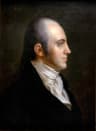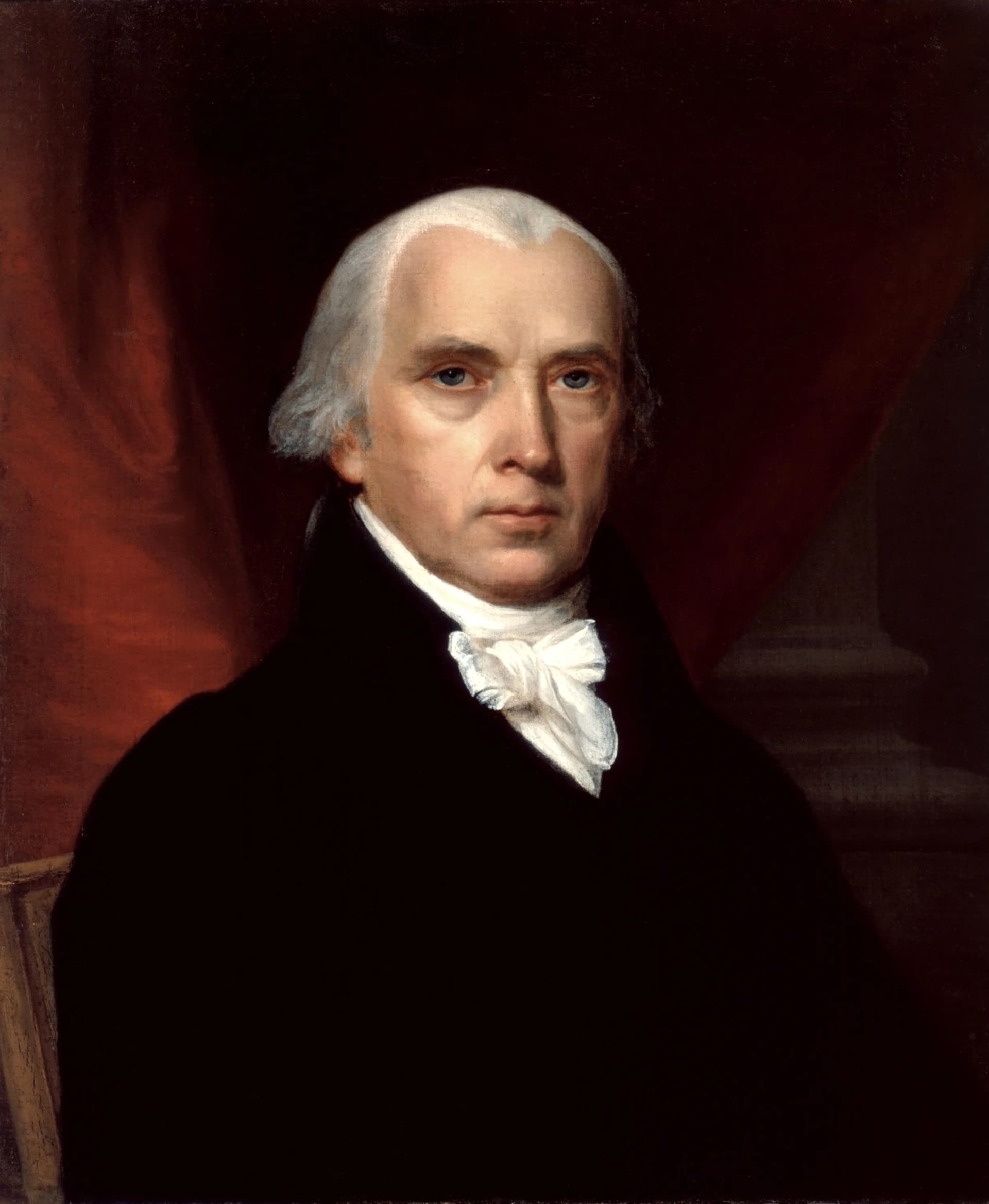
Nascimento
March 16, 1751
Port Conway, United States
Falecimento
June 28, 1836
Montpelier, United States
Conhecido por
President of the United States from 1809 to 1817
James Madison (1751–1836) was United States best known for President of the United States from 1809 to 1817.
James Madison (March 16, 1751 – June 28, 1836) was an American politician, lawyer, and philosopher. Acclaimed as the "Father of the Constitution," he served as the fourth President of the United States from 1809 to 1817. His leadership was instrumental in the drafting and promotion of the U.S. Constitution and the Bill of Rights, shaping the nation's governance.
Capítulo
Capítulos da vida
Capítulo 1 · 1751· Capítulo 1 de 7
Early Life and Origins
James Madison's journey began on March 16, 1751, in Port Conway, located within the United States. His early years were spent in a nascent nation poised on the brink of profound transformation, a period that undoubtedly shaped his deep commitment to self-governance and republican ideals. While specific details about his family and early education are not provided in the supplied information, his later accomplishments reflect a rigorous intellectual foundation.
Capítulo 2· Capítulo 2 de 7
Career Beginnings
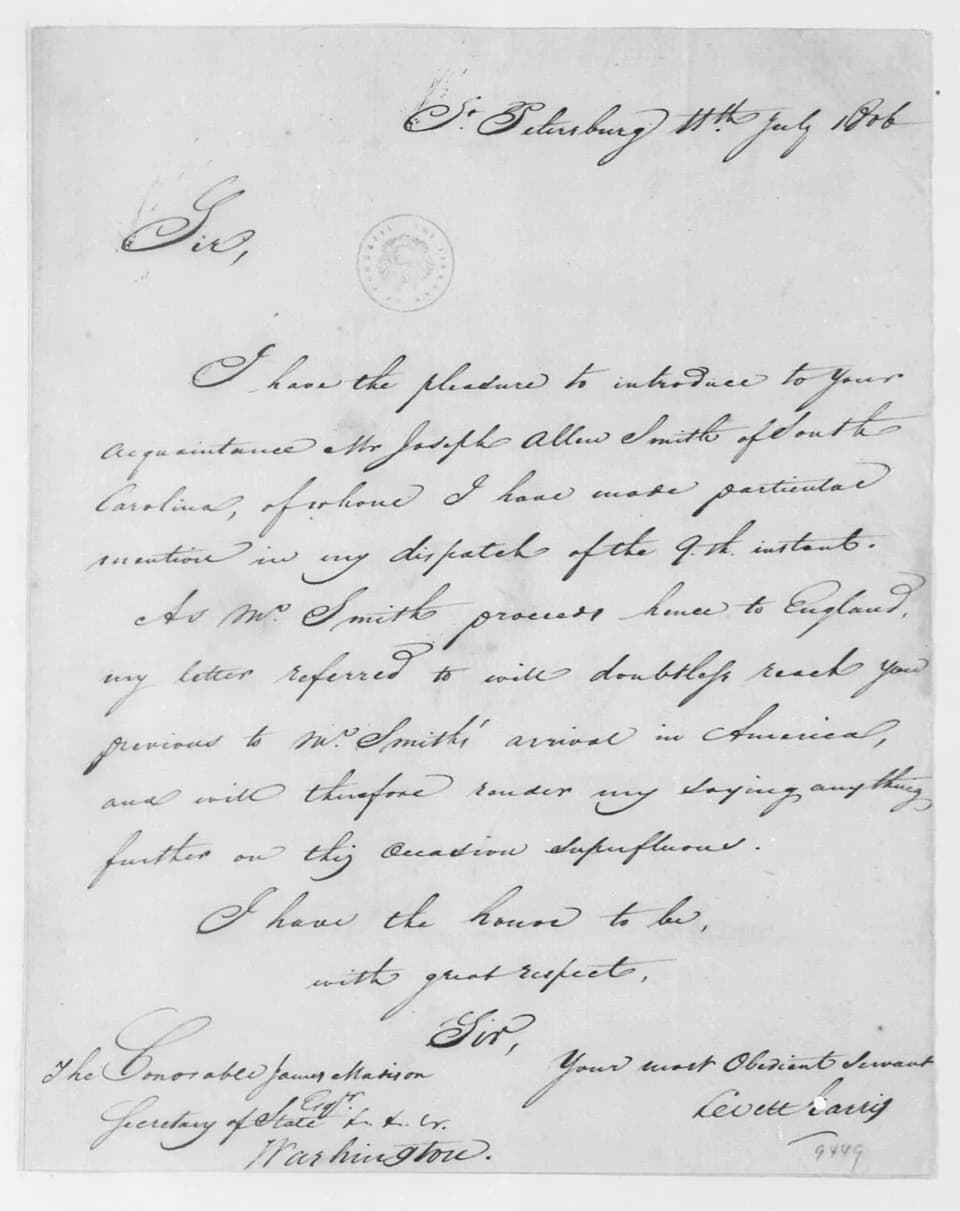
Madison’s path into public service was a natural extension of his extensive education and keen intellect. As a politician and lawyer, he quickly became involved in the American political landscape, demonstrating a profound understanding of legal principles and governmental structures. His early work as a statesperson and diplomat laid the groundwork for his later, more prominent roles, where his abilities to negotiate and articulate complex ideas proved invaluable in shaping national policy.
Capítulo 3 · 1809· Capítulo 3 de 7
Major Achievements and Career Highlights
James Madison's career is marked by extraordinary contributions to the formation and early development of the United States. He served as the fourth President of the United States for two terms, from 1809 to 1817, guiding the nation through a critical period including the War of 1812. His presidency built upon a lifetime of dedication to public service and constitutional principles, solidifying the nation's standing on the global stage.
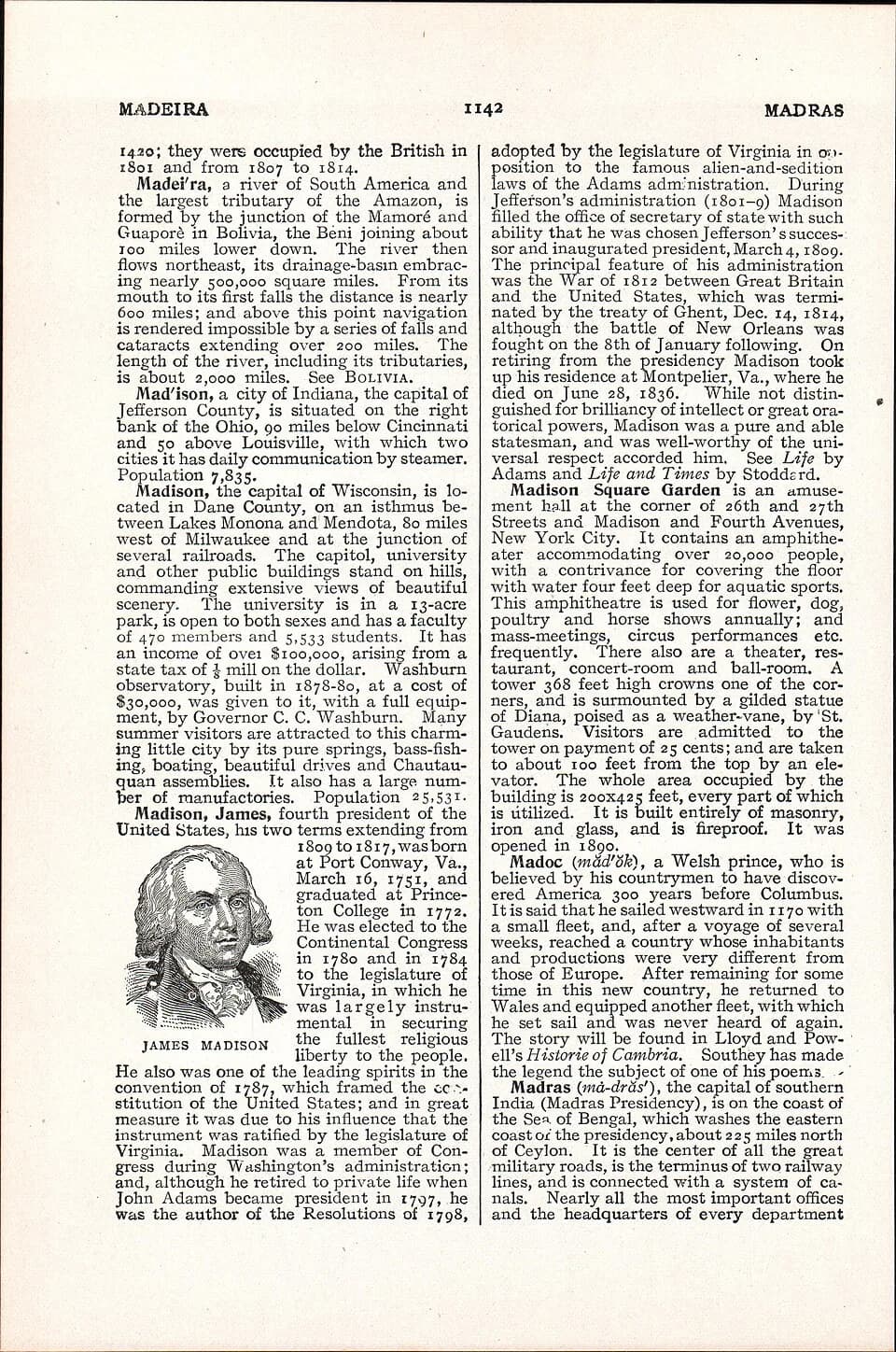
Foremost among his achievements, Madison is widely celebrated as the "Father of the Constitution." His deep engagement in drafting the United States Constitution at the Constitutional Convention of 1787 was unparalleled, as he meticulously documented the proceedings and proposed many of the document's core ideas. Beyond drafting, his efforts were critical in promoting the Constitution's ratification through persuasive arguments presented in "Der Föderalist" (The Federalist Papers), which detailed the advantages of the new federal system.
Furthermore, Madison played a crucial part in the creation and ratification of the Bill of Rights. Recognizing the concerns of anti-Federalists regarding individual liberties, he championed the inclusion of these essential amendments, ensuring fundamental freedoms were protected within the new government framework. His involvement in the landmark Supreme Court case, "The case of Marbury v. Madison, 1 Cranch, 137," though as Secretary of State rather than an author, underscores his presence at the forefront of significant legal and political developments that shaped the judiciary.
Capítulo 4· Capítulo 4 de 7
Personal Life
While James Madison’s public life as a statesman, diplomat, and president is extensively documented, details concerning his personal life, family, and private interests are not provided in the information available. His focus, as evident from the historical record, was profoundly dedicated to the intellectual and political challenges of nation-building. What is known is his profession as a plantation owner, a common livelihood for gentlemen of his era, which situated him firmly within the economic and social structures of the early United States.
Capítulo 5· Capítulo 5 de 7
Notable Works or Contributions
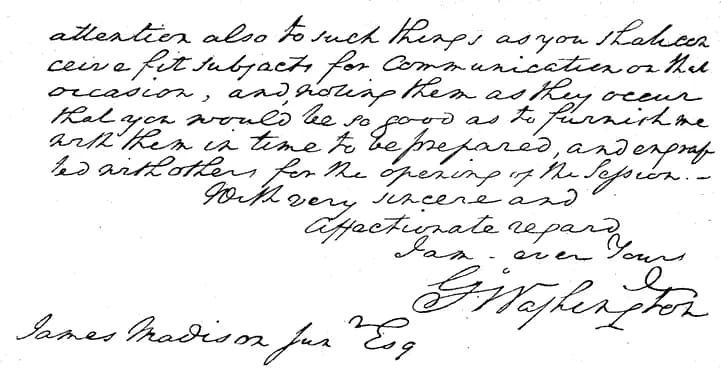
Beyond his executive and legislative service, James Madison was a prolific author and intellectual whose writings profoundly influenced American political thought. His contributions to "Der Föderalist" (known in English as The Federalist Papers), co-authored with Alexander Hamilton and John Jay, are considered essential texts for understanding the intent and meaning of the U.S. Constitution. These essays argued eloquently for the ratification of the Constitution, articulating its principles and structure.
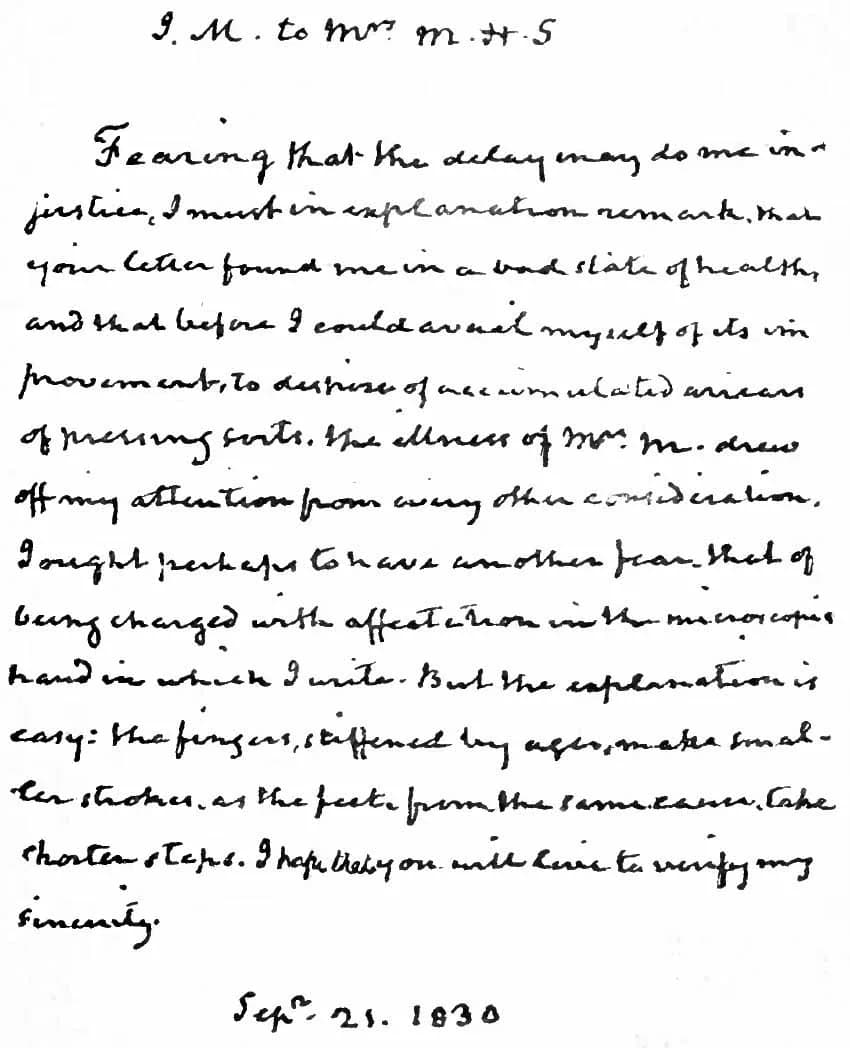
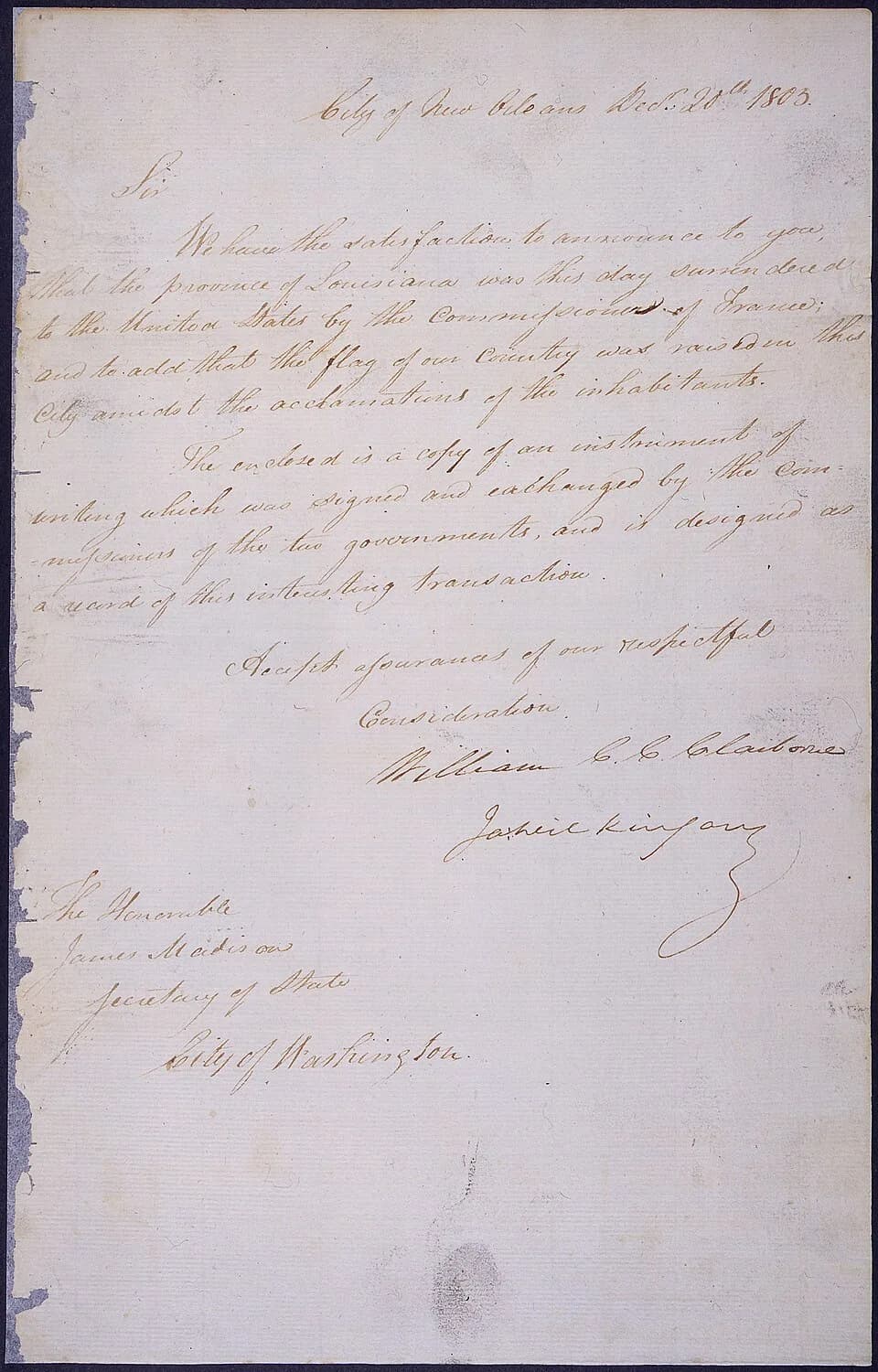
Madison also penned various other significant documents throughout his career. Among these is "An address delivered before the Agricultural Society of Albemarle, on Tuesday, May 12, 1818," showcasing his engagement with economic and societal matters beyond pure governance. As Secretary of State and later as President, he authored official communications such as "Letter from the Secretary of State to Mr. Monroe on the subject of the attack on the Chesapeake" and "Messages from the President of the United States," which documented critical diplomatic and policy decisions. Additionally, his bibliography includes a "vocabulary of New Jersey Delaware," indicating a broader range of intellectual curiosity and scholarship.
Capítulo 6 · 1836· Capítulo 6 de 7
Later Years
After his impactful presidency and a life dedicated to shaping the American republic, James Madison retired from public office. He spent his final years at his Montpelier estate in the United States, where he passed away on June 28, 1836. Even in retirement, his influence persisted through his extensive writings and correspondence, continuing to contribute to intellectual discourse on governance and liberty until the very end of his life.
Capítulo 7· Capítulo 7 de 7
Legacy and Impact
The enduring legacy of James Madison is fundamentally tied to the principles of American democracy and constitutional governance. His designation as the "Father of the Constitution" is a testament to his unmatched dedication and intellectual rigor in crafting the nation's supreme law. He not only designed the framework but also tirelessly defended it, ensuring a government of enumerated powers and protected rights.
As a statesman, diplomat, and philosopher, Madison’s work continues to shape American political thought and practice. His ideas on the separation of powers, checks and balances, and the protection of civil liberties, enshrined in the Constitution and Bill of Rights, have proven remarkably resilient and adaptable. His efforts laid the intellectual and practical foundations for a stable and enduring republic, influencing generations of leaders and citizens alike in the United States and beyond.
Uma vida em momentos
Os momentos que moldaram uma vida
![James Madison - Broadside advertising sale of the library of President James Madison at Orange Court House, Orange, Orange County, Virginia, May 30, 1854. Library of Congress, Washington, D. C. [1]](/_next/image?url=https%3A%2F%2Fcdn.whowasthisguy.com%2Fgallery_wikimedia_commons_1781726682273_3_052d004fd9.webp&w=1920&q=75)
FAQ
Perguntas frequentes
Quando James Madison morreu?
James Madison morreu em 28 de junho de 1836 em Montpelier, United States, aos 85 anos.
Onde James Madison nasceu?
James Madison nasceu em Port Conway, United States em 16 de março de 1751.
Pelo que James Madison é mais conhecido(a)?
James Madison é mais conhecido(a) por President of the United States from 1809 to 1817.
Quantos anos James Madison tinha ao morrer?
James Madison tinha 85 anos no momento da morte.
Qual era a nacionalidade de James Madison?
James Madison era de United States.
Linha do tempo
A vida em resumo
Galeria de fotos
Uma vida em imagens
Clique em uma polaroid para ampliar · 23 fotos
Código QR
Compartilhar Esta Biografia
Imprimir e Compartilhar
Escaneie para visitar a página desta biografia. Imprima para eventos, exposições ou materiais educativos.