Nascimento
March 14, 1934
Chicago, United States
Falecimento
January 16, 2017
Houston, United States
Conhecido por
NASA astronaut, Naval aviator, aeronautical engineer, electrical engineer, fighter pilot, eleventh human to walk on the Moon (Apollo 10 and Apollo 17)
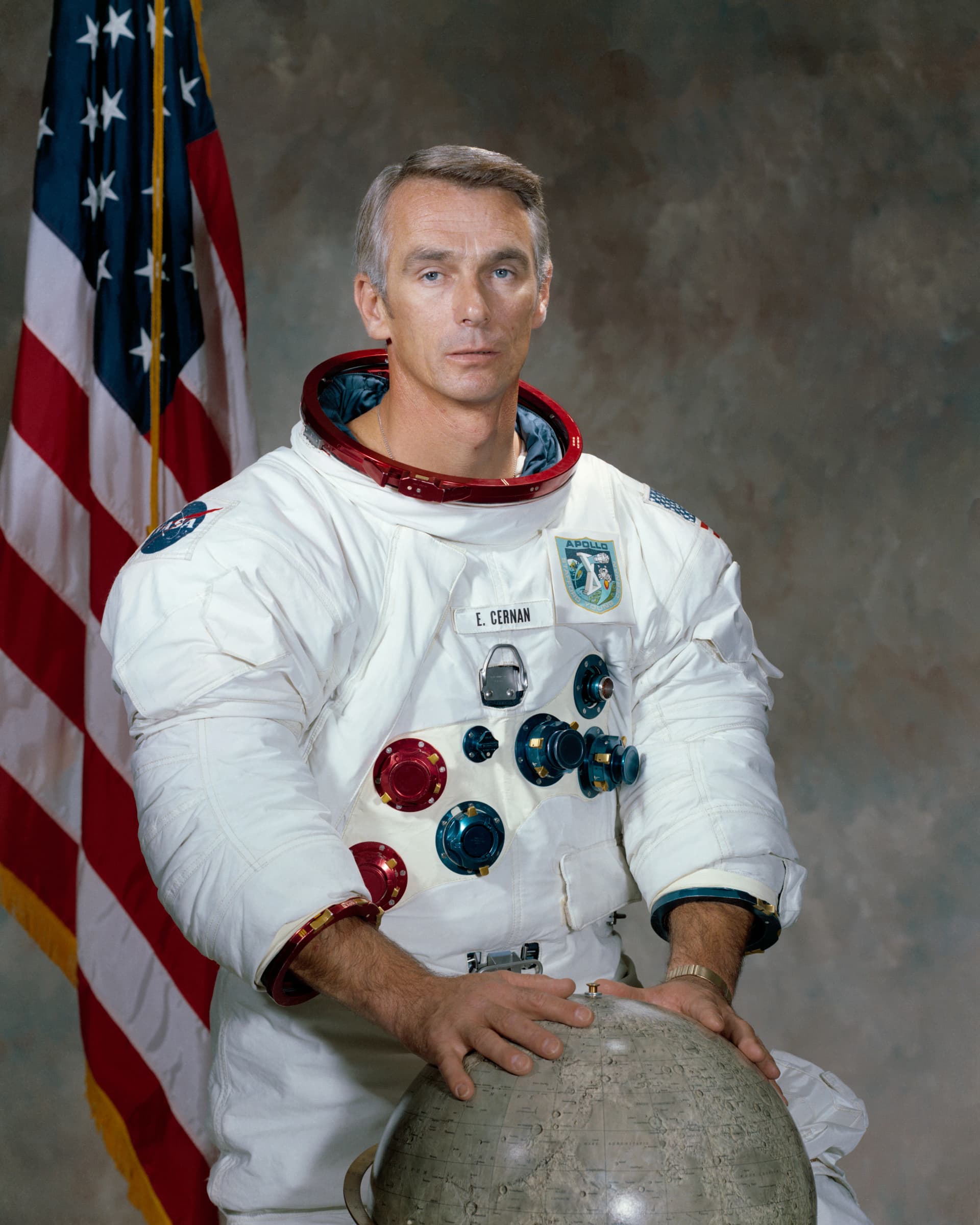
Eugene Cernan (1934–2017) was United States best known for NASA astronaut, Naval aviator, aeronautical engineer, electrical engineer, fighter pilot, eleventh human to walk on the Moon (Apollo 10 and Apollo 17).
Eugene Cernan (March 14, 1934 – January 16, 2017) was an American astronaut and naval aviator. He famously became the eleventh and final human to walk on the Moon during the Apollo 17 mission. His legacy endures as a symbol of humanity's drive for exploration.
Capítulo
Capítulos da vida
Capítulo 1 · 1934· Capítulo 1 de 8
Opening Paragraph
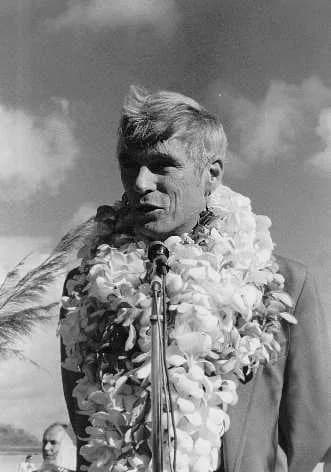
Eugene Cernan, born on March 14, 1934, and who passed away on January 16, 2017, was an American astronaut, naval aviator, and engineer. He is profoundly remembered for his significant contributions to space exploration. Cernan held the unique distinction of being the eleventh human to walk on the Moon and, most notably, was the last person to leave footprints on its surface. His remarkable career highlighted a deep commitment to scientific discovery and the bold spirit of human endeavor.
Capítulo 2 · 1934· Capítulo 2 de 8
Early Life and Origins
Eugene Andrew Cernan was born in Chicago, United States, on March 14, 1934. His early life set the stage for a distinguished career marked by technical excellence and adventure. He pursued and achieved degrees as both an electrical engineer and an aeronautical engineer. These educational achievements provided him with the rigorous technical understanding essential for advanced aviation and spaceflight challenges.
Capítulo 3· Capítulo 3 de 8
Career Beginnings
Cernan's professional journey began with a strong foundation in military service. He served with distinction as a naval aviator and an accomplished fighter pilot. His early roles included a military flight engineer and a naval officer, where he honed critical operational skills. This extensive experience within the U.S. Navy proved instrumental in his selection as a NASA astronaut.
Capítulo 4 · 1969· Capítulo 4 de 8
Major Achievements and Career Highlights
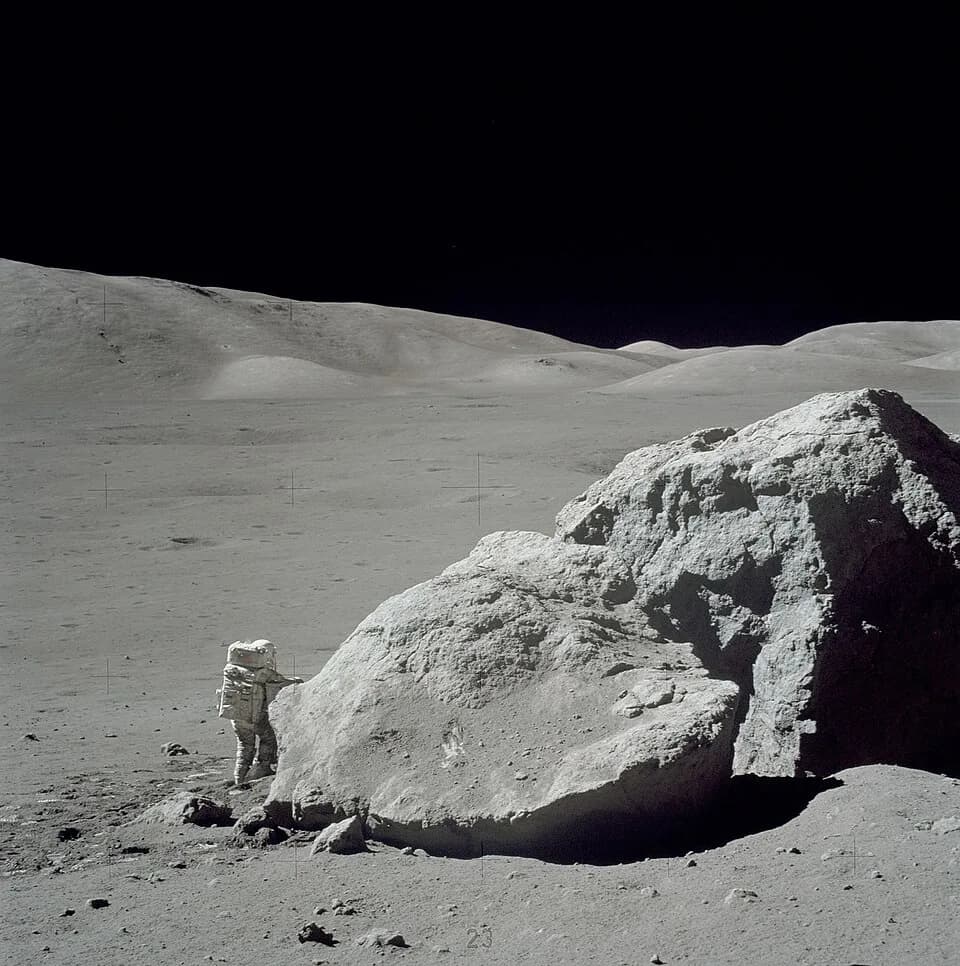
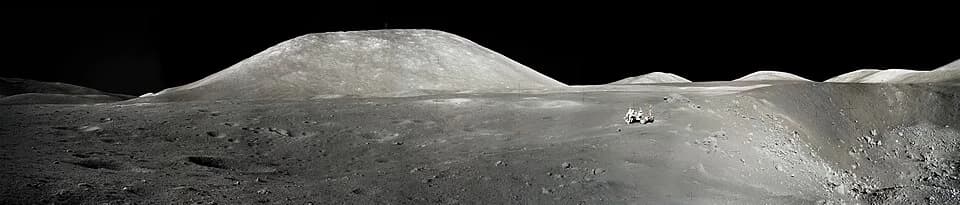
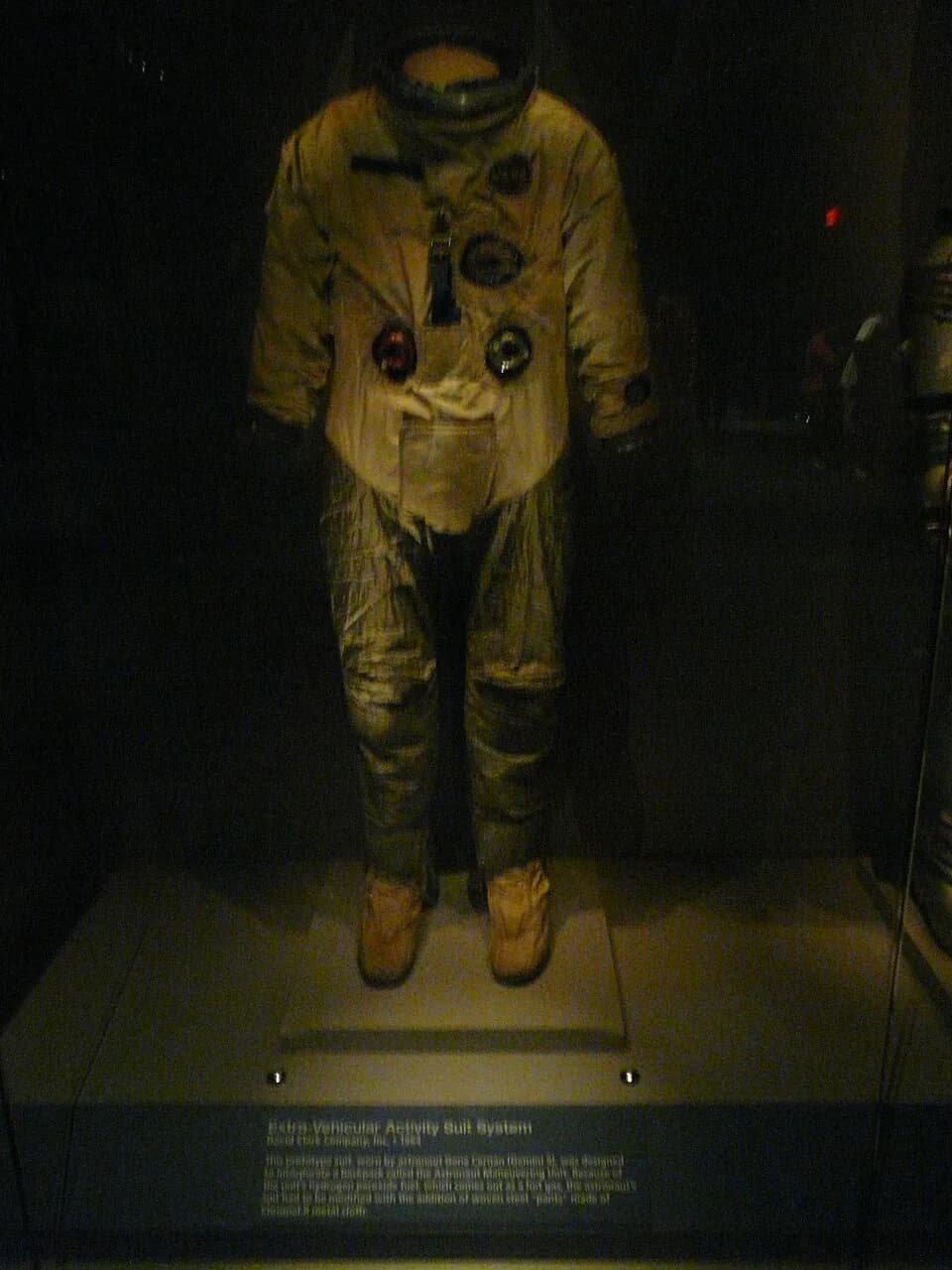
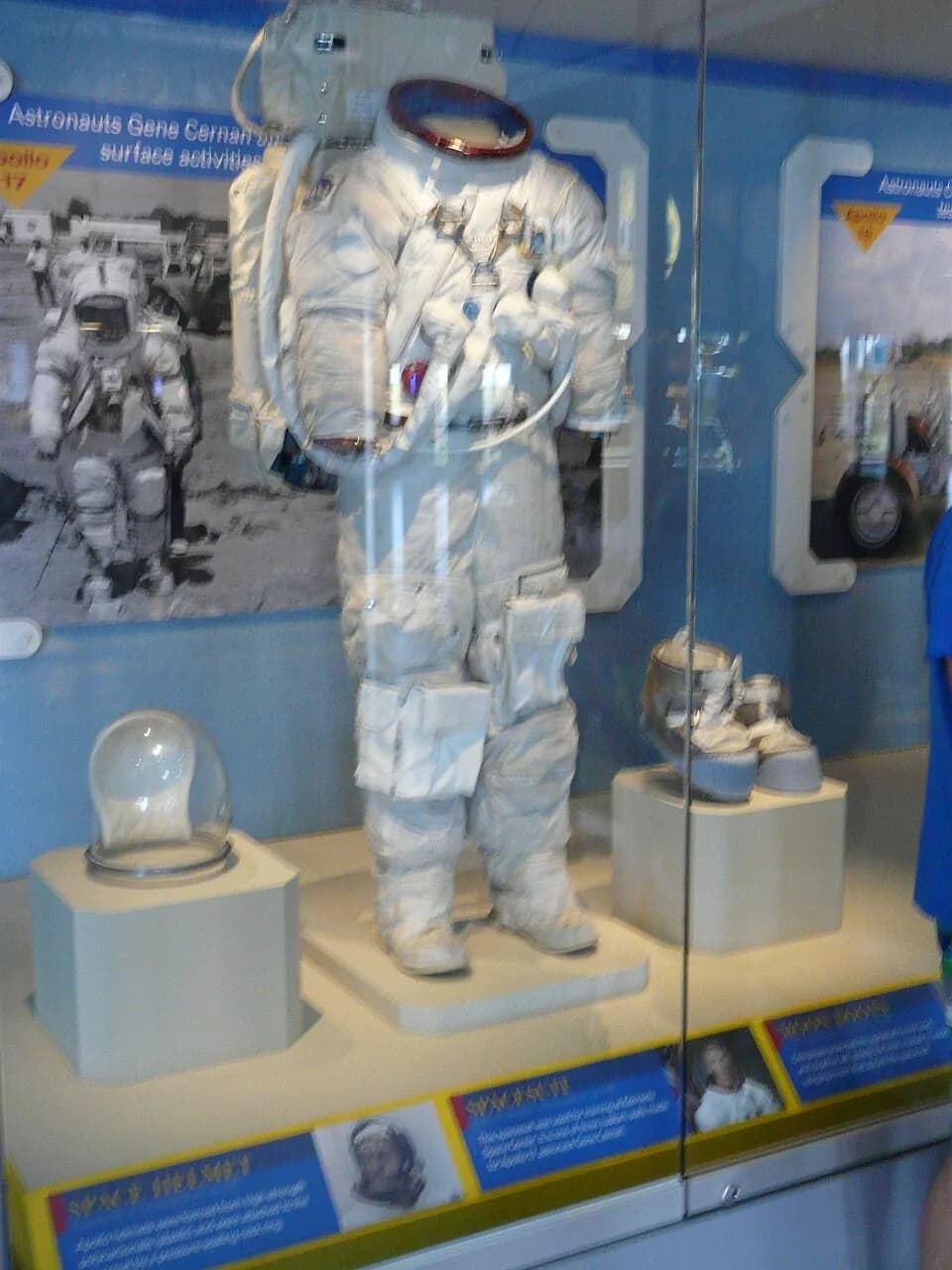
As a NASA astronaut, Eugene Cernan achieved extraordinary milestones that secured his place in history. He participated in two pivotal lunar missions: Apollo 10 and Apollo 17. During the Apollo 10 mission, he circled the Moon in May 1969, performing a crucial dress rehearsal for a lunar landing. In December 1972, he commanded Apollo 17, making him the eleventh human to walk on the Moon and, enduringly, the last person to do so.
Capítulo 5 · 1999· Capítulo 5 de 8
Notable Works or Contributions
Beyond his missions, Cernan was also an impactful autobiographer and an author of scientific papers. His autobiography, "The Last Man on the Moon: Astronaut Eugene Cernan and America's Race in Space," was published in 1999 and has been cited 19 times. This work offers a personal account of his remarkable journey and the broader context of America's space race.
Capítulo 6 · 2006· Capítulo 6 de 8
Academic and Professional Writings
Over his career, he authored 10 papers, achieving an h-index of 4, reflecting his scholarly contributions to the field. His academic works include significant reports like "A geological investigation of the Taurus-Littrow Valley" from 2006, which accumulated 17 citations, and the "Preliminary geologic investigation of the Apollo 17 landing site" from 1973, cited 10 times. He also contributed to broader discussions in "Marketing the Moon: The Selling of the Apollo Lunar Program" (2014) and "Fallen Astronauts: Heroes Who Died Reaching for the Moon" (2003).
Capítulo 7 · 2017· Capítulo 7 de 8
Later Years
After concluding his illustrious career with NASA, Eugene Cernan transitioned into the business sector. He became a successful businessperson, applying his leadership and technical expertise to new ventures. Throughout his later years, he remained an eloquent advocate for space exploration, sharing his unique experiences with audiences worldwide. Eugene Cernan passed away in Houston, United States, on January 16, 2017, leaving a profound void in the space community.
Capítulo 8· Capítulo 8 de 8
Legacy and Impact
Eugene Cernan's legacy is indelibly linked to his role as the "Last Man on the Moon," a title that signifies the zenith of human lunar exploration. His pioneering spirit as an astronaut and his extensive contributions as an engineer continue to inspire future generations in science and exploration. Through his missions and his writings, Cernan provided invaluable insights into the Moon's geology and the human experience of spaceflight. His life stands as a powerful example of dedication, bravery, and humanity's enduring quest for discovery beyond Earth.
Uma vida em momentos
Os momentos que moldaram uma vida
FAQ
Perguntas frequentes
Quando Eugene Cernan morreu?
Eugene Cernan morreu em 16 de janeiro de 2017 em Houston, United States, aos 82 anos.
Onde Eugene Cernan nasceu?
Eugene Cernan nasceu em Chicago, United States em 14 de março de 1934.
Pelo que Eugene Cernan é mais conhecido(a)?
Eugene Cernan é mais conhecido(a) por NASA astronaut, Naval aviator, aeronautical engineer, electrical engineer, fighter pilot, eleventh human to walk on the Moon (Apollo 10 and Apollo 17).
Quantos anos Eugene Cernan tinha ao morrer?
Eugene Cernan tinha 82 anos no momento da morte.
Qual era a nacionalidade de Eugene Cernan?
Eugene Cernan era de United States.
Linha do tempo
A vida em resumo
Galeria de fotos
Uma vida em imagens
Clique em uma polaroid para ampliar · 24 fotos
Código QR
Compartilhar Esta Biografia
Imprimir e Compartilhar
Escaneie para visitar a página desta biografia. Imprima para eventos, exposições ou materiais educativos.