Nascimento
June 14, 1928
Rosario, Argentina
Falecimento
October 9, 1967
La Higuera, Bolivia
Conhecido por
Argentine Marxist revolutionary
Che Guevara (1928–1967) was Argentina best known for Argentine Marxist revolutionary.
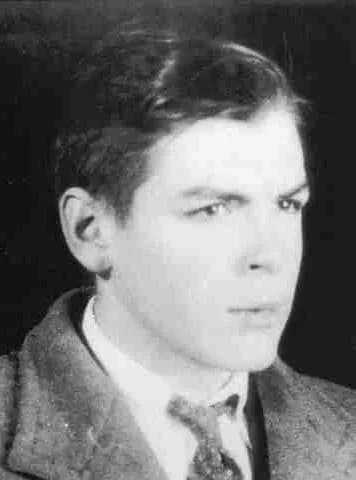
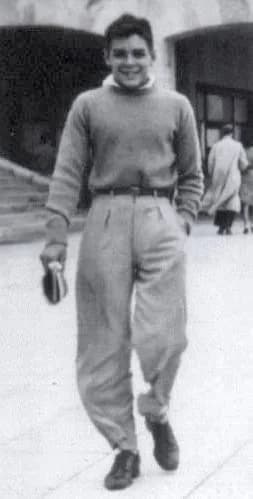
Ernesto "Che" Guevara de la Serna (June 14, 1928 – October 9, 1967) was an Argentine Marxist revolutionary, physician, and guerrilla leader. A major figure of the Cuban Revolution, his stylized visage became a powerful countercultural symbol. His legacy continues to influence global political thought and popular culture.
Capítulo
Capítulos da vida
Capítulo 1 · 1928· Capítulo 1 de 6
Early Life and Origins
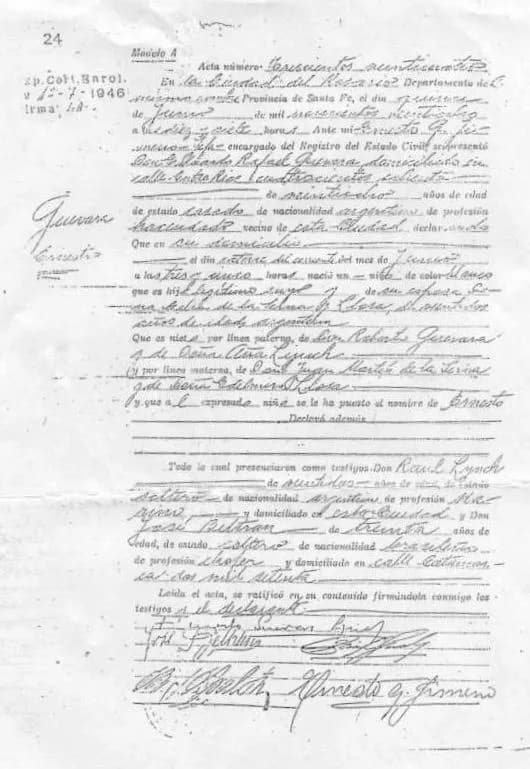
Ernesto "Che" Guevara de la Serna was born on June 14, 1928, in Rosario, Argentina, a city that served as his initial grounding before his global political endeavors. His birth in Argentina provided the foundational context for his upbringing and early education, which would later influence his path as a physician and revolutionary. The cultural and intellectual environment of his home country shaped his formative years, preparing him for a life of intense political and social engagement.
His early life in Rosario, Argentina, established the background against which his political views and revolutionary spirit began to take shape. This period was crucial in developing the critical perspectives that would define his future actions as a partisan and a leader. Guevara's origins as a native of Rosario, Argentina, are an important part of understanding the man who would become a figure of international recognition and influence.
Capítulo 2· Capítulo 2 de 6
Career Beginnings
Guevara embarked on his professional life as a physician, a profession that provided him with direct insight into social inequalities and the health challenges faced by ordinary people. This early career as a doctor played a crucial role in deepening his understanding of societal structures and motivating his eventual shift towards political activism. His work as a physician equipped him with a scientific and analytical approach, which he later applied to revolutionary theory and practice.
The path from physician to partisan marked a significant transition in his life, demonstrating his growing commitment to social change through direct action. His early experiences led him to embrace the role of a revolutionary, dedicating himself to political movements aimed at transforming society. This initial phase of his career laid the groundwork for his future as a prominent Marxist revolutionary and guerrilla leader, solidifying his dedication to the cause.
Capítulo 3· Capítulo 3 de 6
Major Achievements and Career Highlights
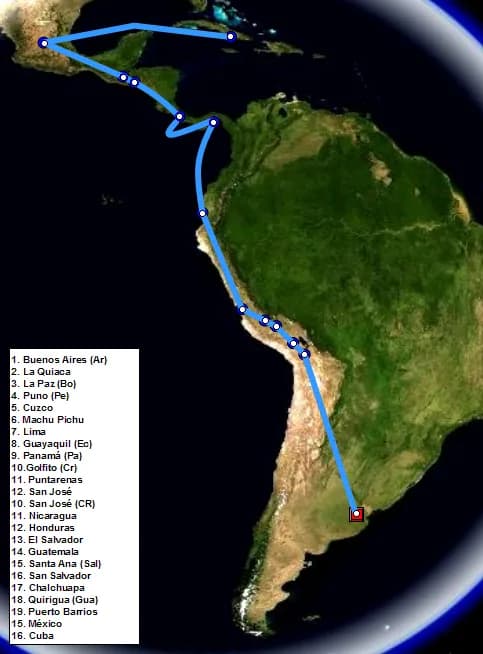
A major figure of the Cuban Revolution, Che Guevara played a central role in one of the 20th century's most defining revolutionary movements. His leadership as a guerrilla commander was instrumental in the success of the Cuban Revolution, earning him widespread recognition and solidifying his reputation as a military strategist. He was a key architect in shaping the new Cuban government following the revolution, serving in various diplomatic and political capacities.
Beyond his direct involvement in Cuba, Guevara's influence extended through his roles as a diplomat and politician, advocating for revolutionary ideals on an international stage. His efforts to spread revolutionary movements further showcased his dedication to global Marxist principles. These achievements cemented his place as an enduring symbol of rebellion and a significant figure in political history.
Capítulo 4· Capítulo 4 de 6
Notable Works or Contributions
As an author and military theorist, Che Guevara articulated his revolutionary philosophy and strategies through various writings. His contributions as an author provided detailed insights into guerrilla warfare tactics and Marxist ideology, influencing subsequent revolutionary movements globally. These intellectual contributions highlighted his analytical mind and his commitment to developing a coherent framework for revolutionary action.
Guevara's most widespread contribution to popular culture is perhaps his stylized visage, which has become a countercultural symbol of rebellion and a global insignia. This powerful image transcends specific political contexts, serving as an iconic representation of resistance worldwide. His impact as a symbol demonstrates the lasting cultural resonance of his life and ideals, far beyond his direct political actions.
Capítulo 5 · 1967· Capítulo 5 de 6
Later Years
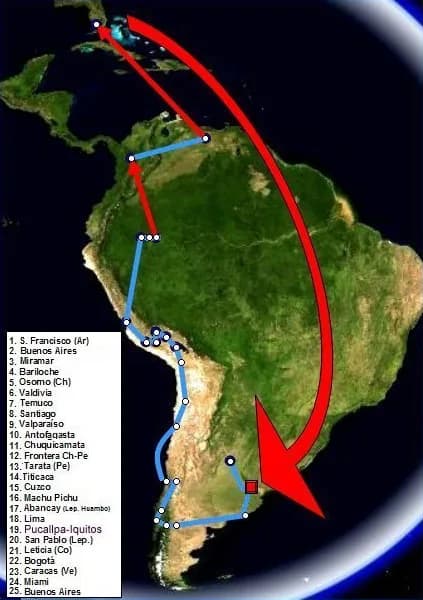
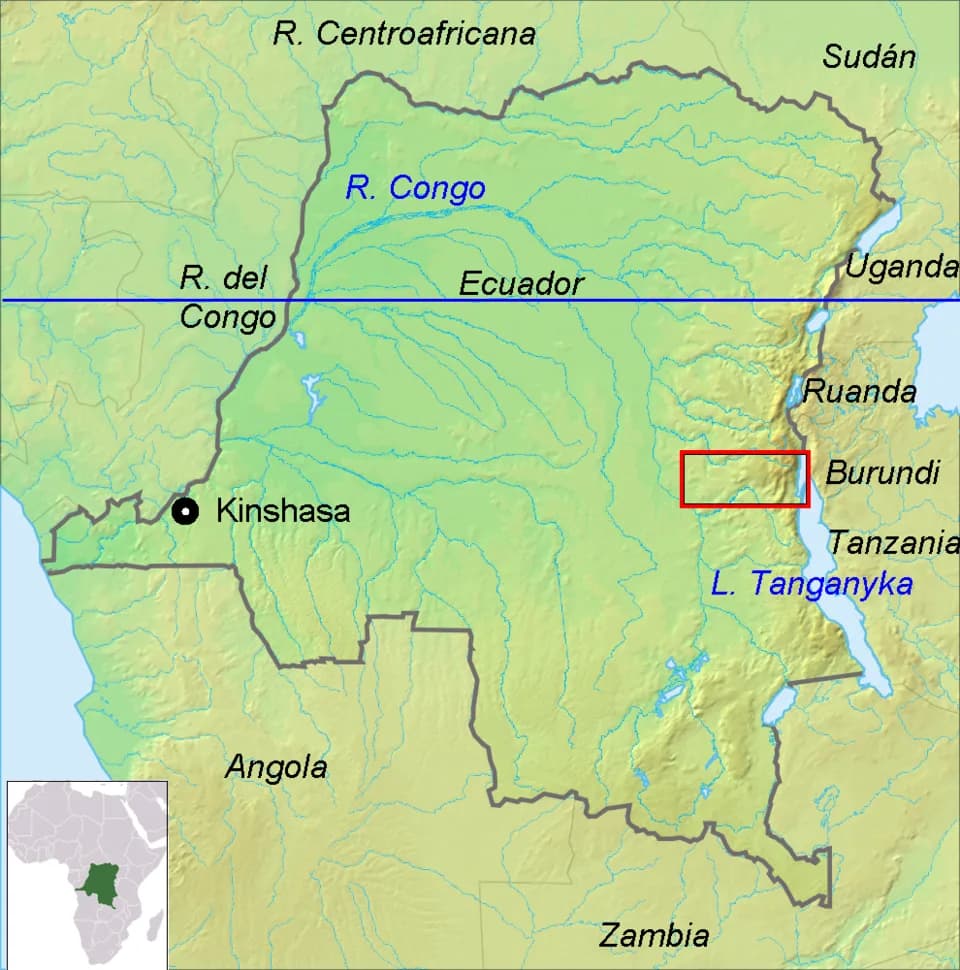
In his later years, Che Guevara continued his commitment to revolutionary activities, extending his efforts beyond Cuba to other regions. His death occurred on October 9, 1967, in La Higuera, Bolivia, while engaged in attempts to spark further revolutionary movements. This final chapter of his life underscores his unwavering dedication to his ideals, even in the face of significant personal risk and adversity.
Guevara's pursuit of revolutionary goals in Bolivia highlighted his belief in the international applicability of his Marxist principles. His passing in La Higuera, Bolivia, brought an end to his direct involvement in revolutionary struggles, yet it also solidified his status as a martyr for many. The circumstances of his death became a powerful element in his enduring legacy, reinforcing his image as a committed revolutionary.
Capítulo 6· Capítulo 6 de 6
Legacy and Impact
Che Guevara's legacy is prominently defined by his stylized visage, which has become an enduring countercultural symbol of rebellion and a global insignia across diverse societies. This iconic image transcends political boundaries, representing various forms of resistance and challenging established norms for generations. His influence continues to be seen in political movements, artistic expressions, and popular culture around the world, making him a complex figure of lasting fascination.
The enduring impact of Che Guevara stems from his identity as an Argentine Marxist revolutionary, whose life and writings sparked debate and inspired action. His role as a military theorist and author means his ideas on guerrilla warfare and socialist transformation continue to be studied and discussed. He remains a powerful and recognizable figure, embodying a particular vision of revolutionary change that resonates globally.
Uma vida em momentos
Os momentos que moldaram uma vida
FAQ
Perguntas frequentes
Quando Che Guevara morreu?
Che Guevara morreu em 9 de outubro de 1967 em La Higuera, Bolivia, aos 39 anos.
Onde Che Guevara nasceu?
Che Guevara nasceu em Rosario, Argentina em 14 de junho de 1928.
Pelo que Che Guevara é mais conhecido(a)?
Che Guevara é mais conhecido(a) por Argentine Marxist revolutionary.
Quantos anos Che Guevara tinha ao morrer?
Che Guevara tinha 39 anos no momento da morte.
Qual era a nacionalidade de Che Guevara?
Che Guevara era de Argentina.
Linha do tempo
A vida em resumo
Galeria de fotos
Uma vida em imagens
Clique em uma polaroid para ampliar · 47 fotos
Código QR
Compartilhar Esta Biografia
Imprimir e Compartilhar
Escaneie para visitar a página desta biografia. Imprima para eventos, exposições ou materiais educativos.