Nascimento
February 6, 1890
Hashtnagar, Pakistan
Falecimento
January 20, 1988
Peshawar, Pakistan
Conhecido por
Pashtun independence activist against British rule in India
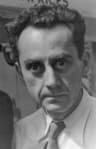
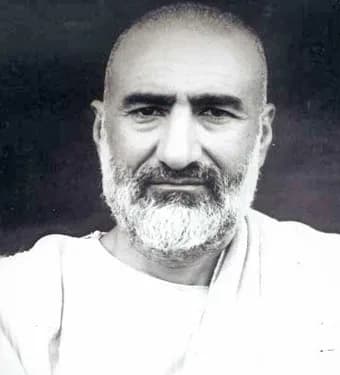
Abdul Ghaffar Khan (1890–1988) was Pakistan best known for Pashtun independence activist against British rule in India.
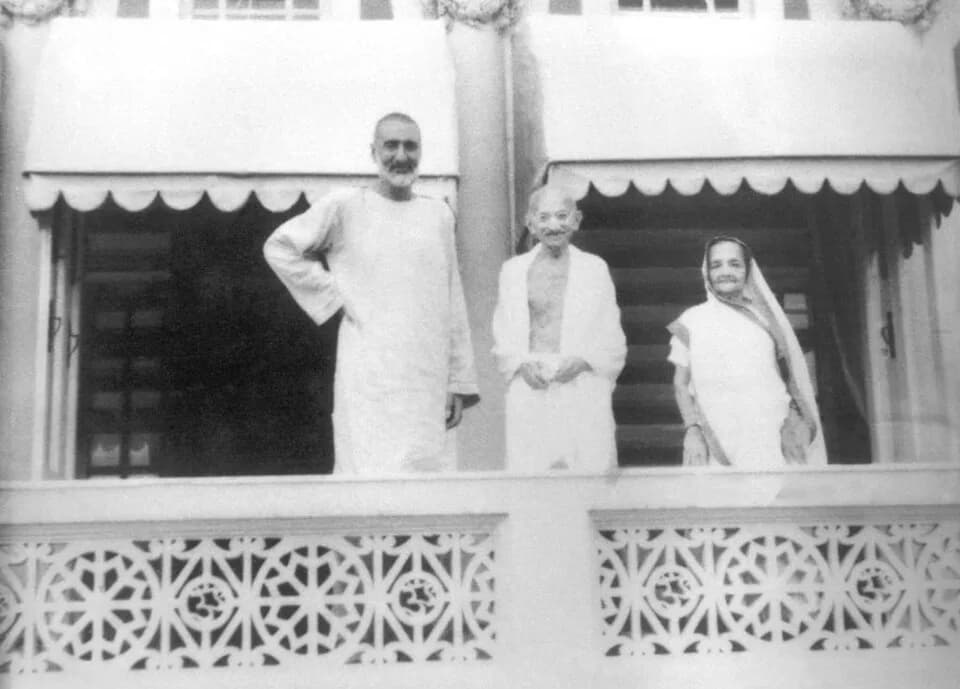
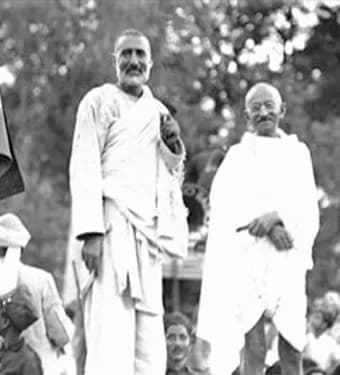
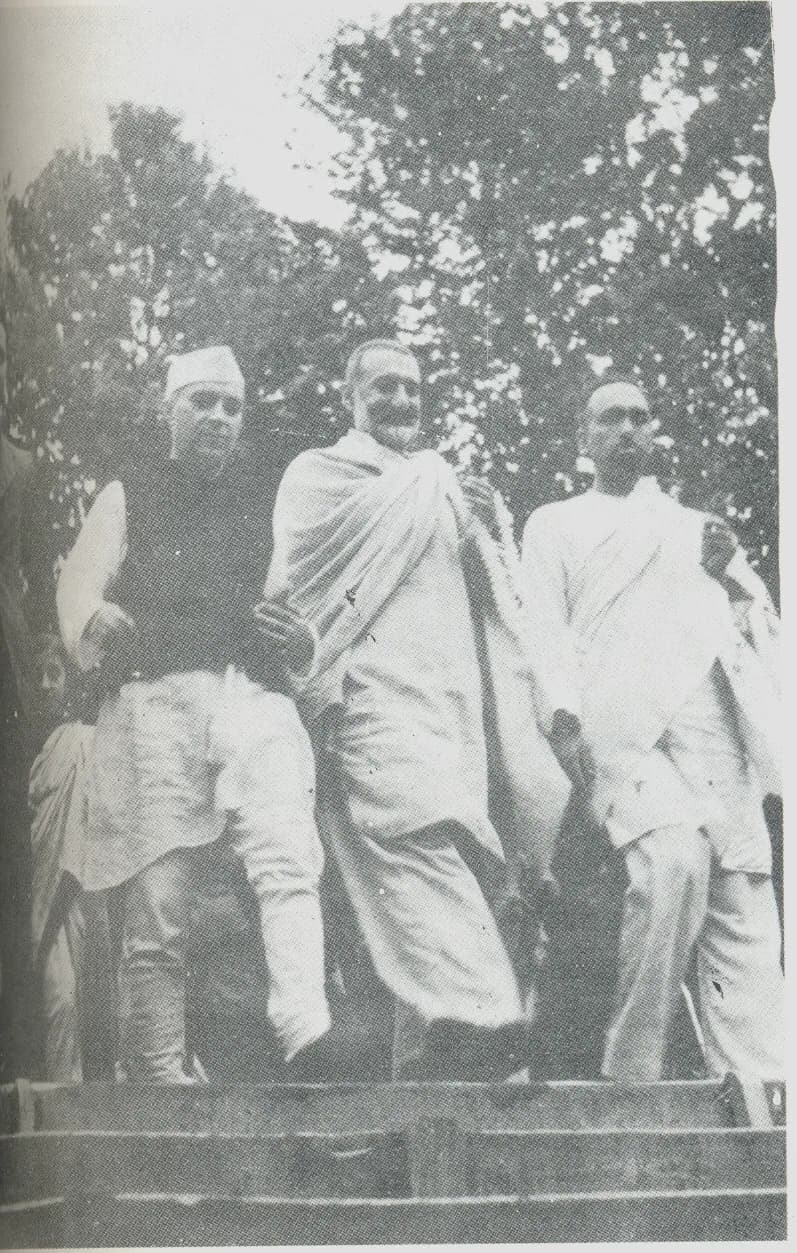
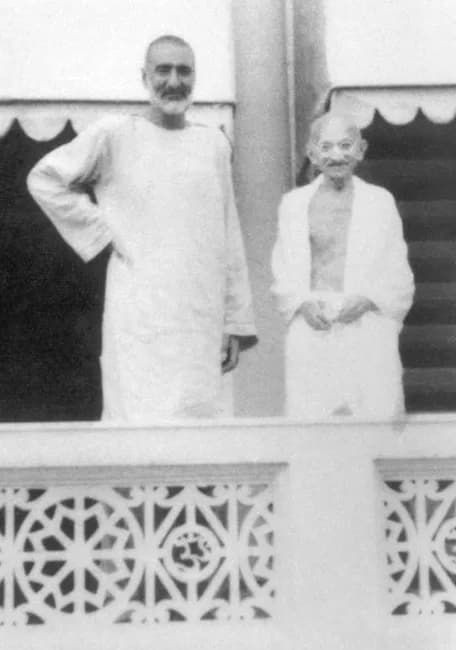
Abdul Ghaffar Khan (February 6, 1890 – January 20, 1988) was a politician and freedom fighter from British India, later Pakistan. He founded the Khudai Khidmatgar resistance movement against British rule and advocated for Pashtun rights. His enduring legacy as Bacha Khan inspires generations.
Capítulo
Capítulos da vida
Capítulo 1· Capítulo 1 de 6
Early Life and Origins
Abdul Ghaffar Khan's birth in Hashtnagar, a village within the then-North-West Frontier Province of British India, placed him at the heart of a region with a rich cultural heritage and complex political realities. The Pashtun community, known for its strong traditions and independent spirit, faced the unique challenges imposed by British colonial administration. His upbringing during this era provided him with direct observations of colonial policies and their impact on local communities, fostering an early awareness of the need for self-determination.
The social and educational opportunities available in the North-West Frontier Province during the late 19th and early 20th centuries were often limited, especially for indigenous populations. However, Abdul Ghaffar Khan’s family background, rooted in a respected lineage, allowed him access to education that many of his peers did not receive. These early experiences and the inherent values of his Pashtun heritage profoundly influenced his developing worldview, cementing his commitment to communal welfare and justice from a young age.
Capítulo 2· Capítulo 2 de 6
Career Beginnings
Abdul Ghaffar Khan’s emergence as a public figure was driven by a deep conviction to empower his people and dismantle the structures of colonial control. He began his political journey not through traditional power structures but by focusing on grassroots movements and social upliftment, understanding that true freedom required an educated and self-aware populace. His initial work involved establishing schools and advocating for social reforms, aiming to prepare the Pashtun community for the challenges of self-governance. This foundational period demonstrated his practical approach to activism, believing in the power of education and community building.
As British policies continued to restrict the freedoms of indigenous populations, Abdul Ghaffar Khan transitioned from social reform to more overt political organization. He recognized the necessity of a unified and disciplined resistance to challenge the vast power of the colonial administration. His dedication to these early efforts quickly earned him recognition and trust among the Pashtun people, setting the stage for the creation of a powerful and unique resistance movement that would define his life's work.
Capítulo 3· Capítulo 3 de 6
Major Achievements and Career Highlights
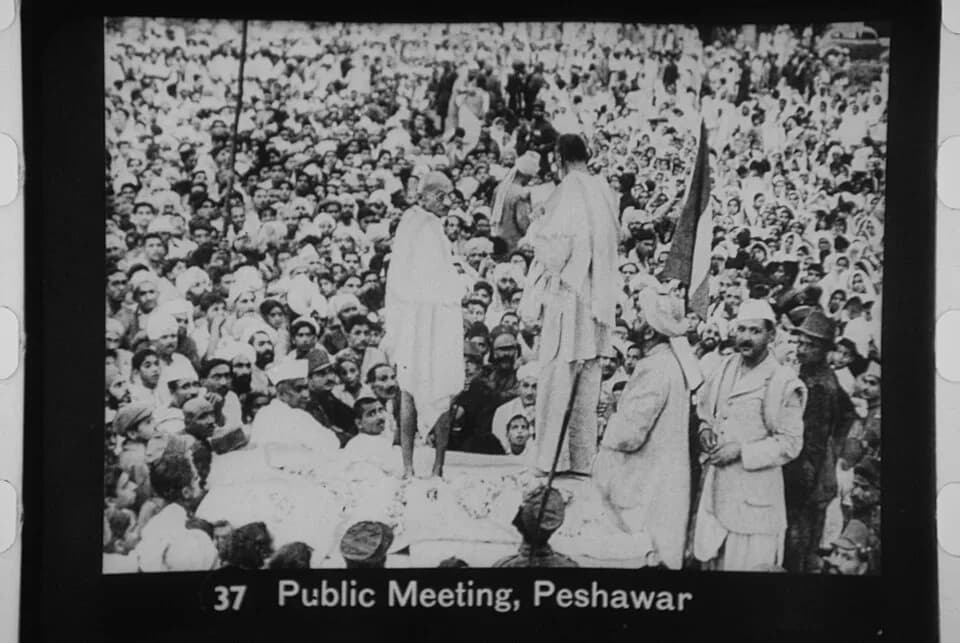
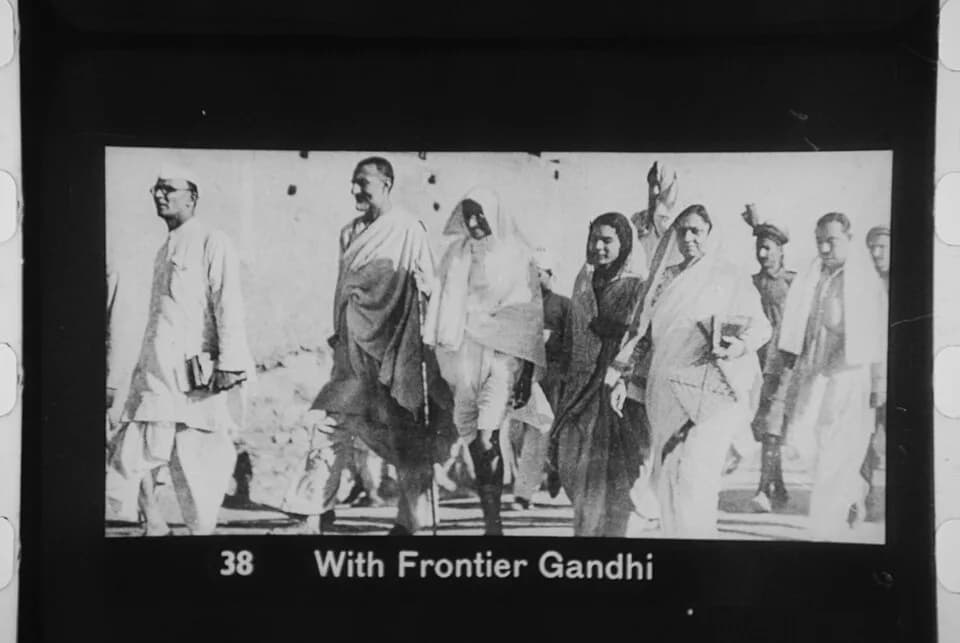
The creation and leadership of the Khudai Khidmatgar resistance movement against British rule stand as Abdul Ghaffar Khan's most significant achievement. This organization, often referred to as the "Servants of God" or "Red Shirts," became a formidable force in the Indian independence movement, particularly within the North-West Frontier Province. It mobilized Pashtuns through a disciplined, organized structure dedicated to resistance against British dominion, a path that deeply resonated with Khan's own principles. The movement's widespread support underscored his immense influence and the popular desire for freedom.
As an Indian independence activist, Abdul Ghaffar Khan tirelessly advocated for the complete autonomy of British India, extending his influence beyond regional Pashtun concerns to the broader national struggle. His strategic engagement with other nationalist efforts strengthened the overall movement, highlighting the unity of purpose across diverse communities fighting for self-rule. Following the complex events of the 1947 partition, Abdul Ghaffar Khan transitioned into the political landscape of the newly formed Pakistan. He continued his activism as a Pakistani politician, notably leading the Azad Party, a platform through which he championed the rights and welfare of the Pashtun people within the new national framework. This continuous engagement demonstrated his unwavering dedication to his community, regardless of changing geopolitical borders.
Capítulo 4· Capítulo 4 de 6
Notable Works or Contributions
Abdul Ghaffar Khan's enduring contribution lies in the pioneering establishment and steadfast nurturing of the Khudai Khidmatgar movement. This resistance movement was not merely a political instrument but a profound social and ethical undertaking aimed at the moral and material upliftment of the Pashtun people. It instilled discipline and courage among its members, transforming ordinary individuals into dedicated freedom fighters committed to challenging colonial rule. The movement served as a powerful example of how organized resistance could confront even the most entrenched colonial powers, inspiring widespread participation and solidarity.
Through the Khudai Khidmatgar, Abdul Ghaffar Khan articulated a vision for a just society where individuals could live with dignity and self-respect, free from exploitation and foreign domination. His efforts went beyond political slogans; they encompassed social reforms, education, and economic empowerment, addressing the root causes of oppression. This comprehensive approach to liberation ensured that the movement's impact was deeply felt at every level of Pashtun society, cultivating a sense of collective identity and purpose that outlasted the immediate struggle for independence.
Capítulo 5 · 1947· Capítulo 5 de 6
Later Years
After the momentous and often traumatic partition of India in 1947, Abdul Ghaffar Khan continued his dedicated political work within the newly established state of Pakistan. Despite the altered political landscape, his core mission remained consistent: advocating for the rights and cultural preservation of the Pashtun people. His leadership of the Azad Party allowed him to channel these aspirations into a formal political structure, continuing to press for regional autonomy and fair representation. These years were marked by persistent efforts to ensure that the Pashtun voice was heard in the nascent Pakistani political system.
Throughout his later life, Abdul Ghaffar Khan endured various political challenges and periods of incarceration due to his unwavering stance against perceived injustices. Yet, his commitment to his principles and his people never faltered, serving as a powerful symbol of resistance and resilience. He lived to the advanced age of 97, passing away peacefully on January 20, 1988, in Peshawar, Pakistan. His long life spanned nearly a century of profound historical change, during which he remained a constant, principled force for freedom and justice.
Capítulo 6· Capítulo 6 de 6
Legacy and Impact
Abdul Ghaffar Khan's legacy is immense, cementing his status as a titan of the independence movement and a perpetual inspiration. His honorific titles, Bacha Khan (King of Chiefs) and Badshah Khan (King of Kings), were bestowed upon him by his people, reflecting their deep affection and reverence for his leadership and moral authority. These titles underscore the profound personal connection and trust he cultivated with the Pashtun community, serving as a testament to his authentic leadership and unwavering dedication to their cause.
His contributions as a Pashtun independence activist and freedom fighter had a lasting impact on the political and social consciousness of South Asia. Abdul Ghaffar Khan demonstrated the power of principled resistance and the importance of advocating for minority rights within larger national narratives. His life exemplifies a steadfast commitment to justice, self-determination, and activism against colonial rule, inspiring subsequent generations to pursue these ideals. His unique journey from a freedom fighter in British India to a prominent politician in Pakistan continues to offer valuable lessons on resilience and moral courage.
Uma vida em momentos
Os momentos que moldaram uma vida
FAQ
Perguntas frequentes
Quando Abdul Ghaffar Khan morreu?
Abdul Ghaffar Khan morreu em 20 de janeiro de 1988 em Peshawar, Pakistan, aos 97 anos.
Onde Abdul Ghaffar Khan nasceu?
Abdul Ghaffar Khan nasceu em Hashtnagar, Pakistan em 6 de fevereiro de 1890.
Pelo que Abdul Ghaffar Khan é mais conhecido(a)?
Abdul Ghaffar Khan é mais conhecido(a) por Pashtun independence activist against British rule in India.
Quantos anos Abdul Ghaffar Khan tinha ao morrer?
Abdul Ghaffar Khan tinha 97 anos no momento da morte.
Qual era a nacionalidade de Abdul Ghaffar Khan?
Abdul Ghaffar Khan era de Pakistan.
Linha do tempo
A vida em resumo
- 1947
Later Years
Galeria de fotos
Uma vida em imagens
Clique em uma polaroid para ampliar · 20 fotos
Código QR
Compartilhar Esta Biografia
Imprimir e Compartilhar
Escaneie para visitar a página desta biografia. Imprima para eventos, exposições ou materiais educativos.