Ur.
June 12, 1908
Vienna, Austria
Zm.
July 5, 1975
Madrid, Spain
Znany/a z
Austrian Waffen-SS officer
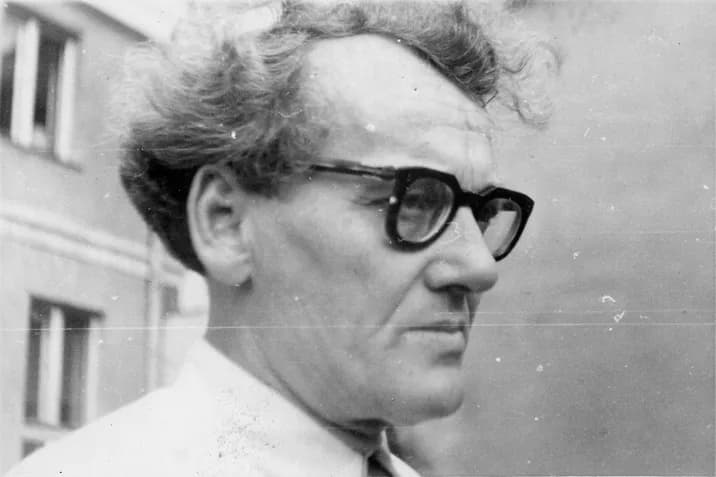
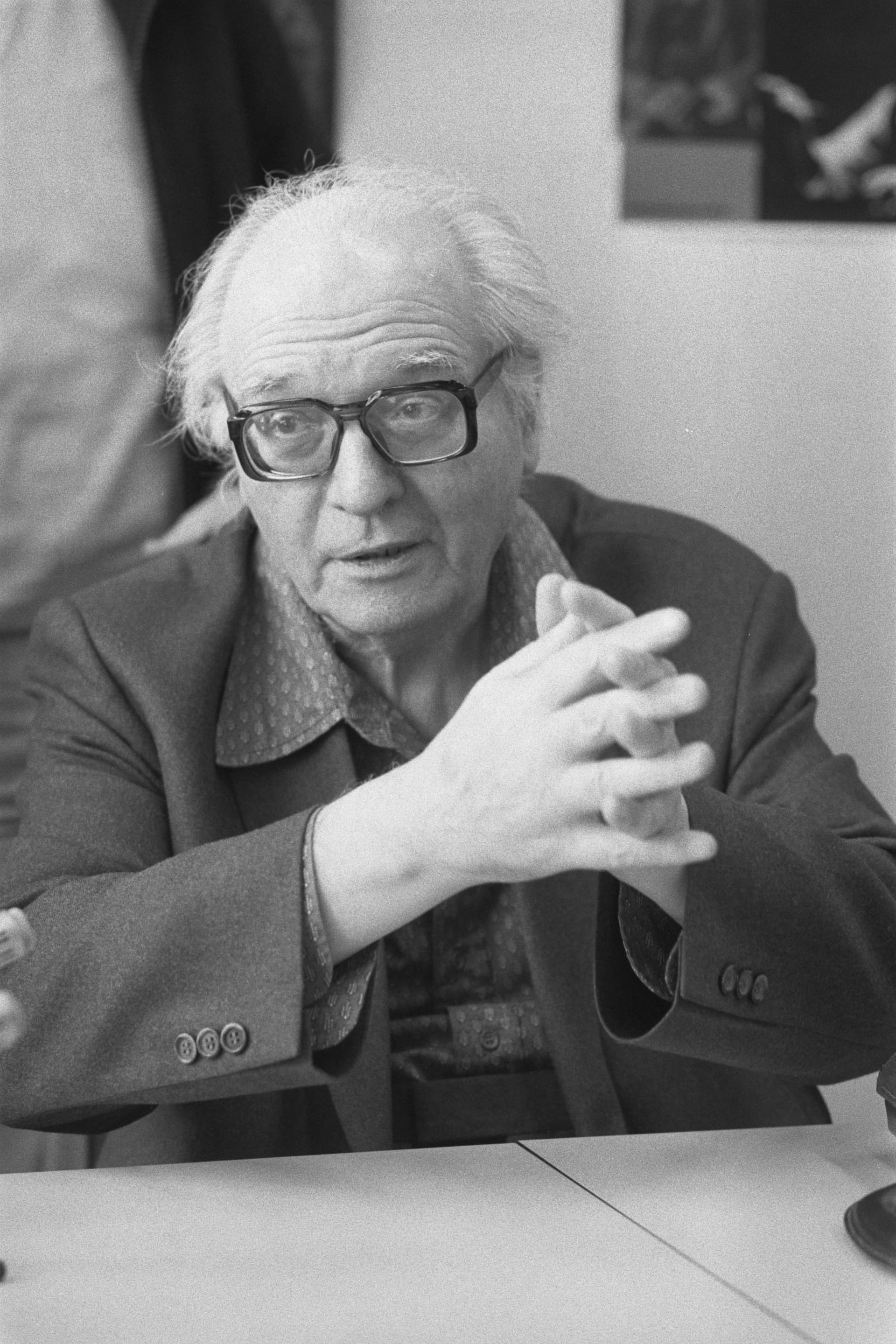
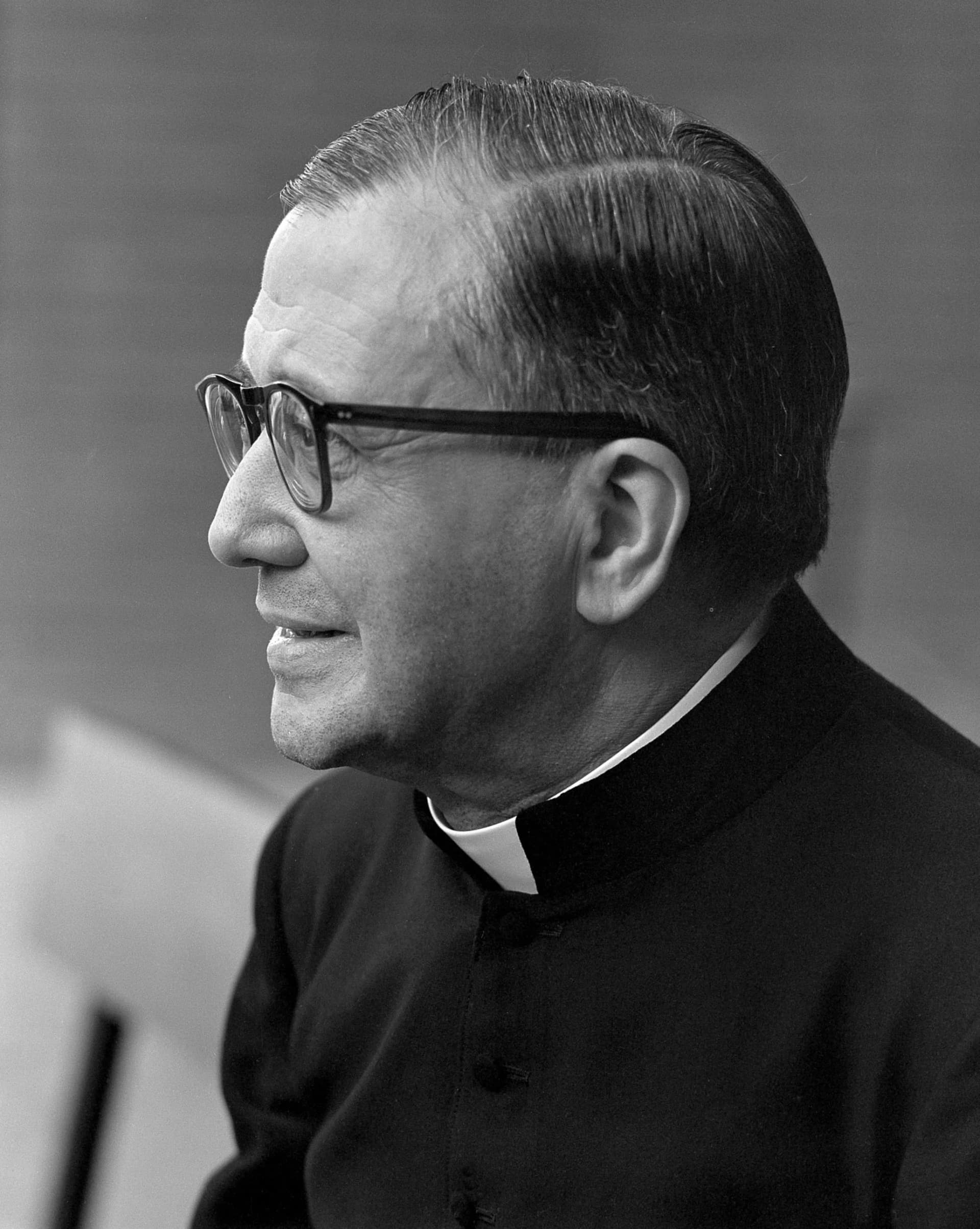
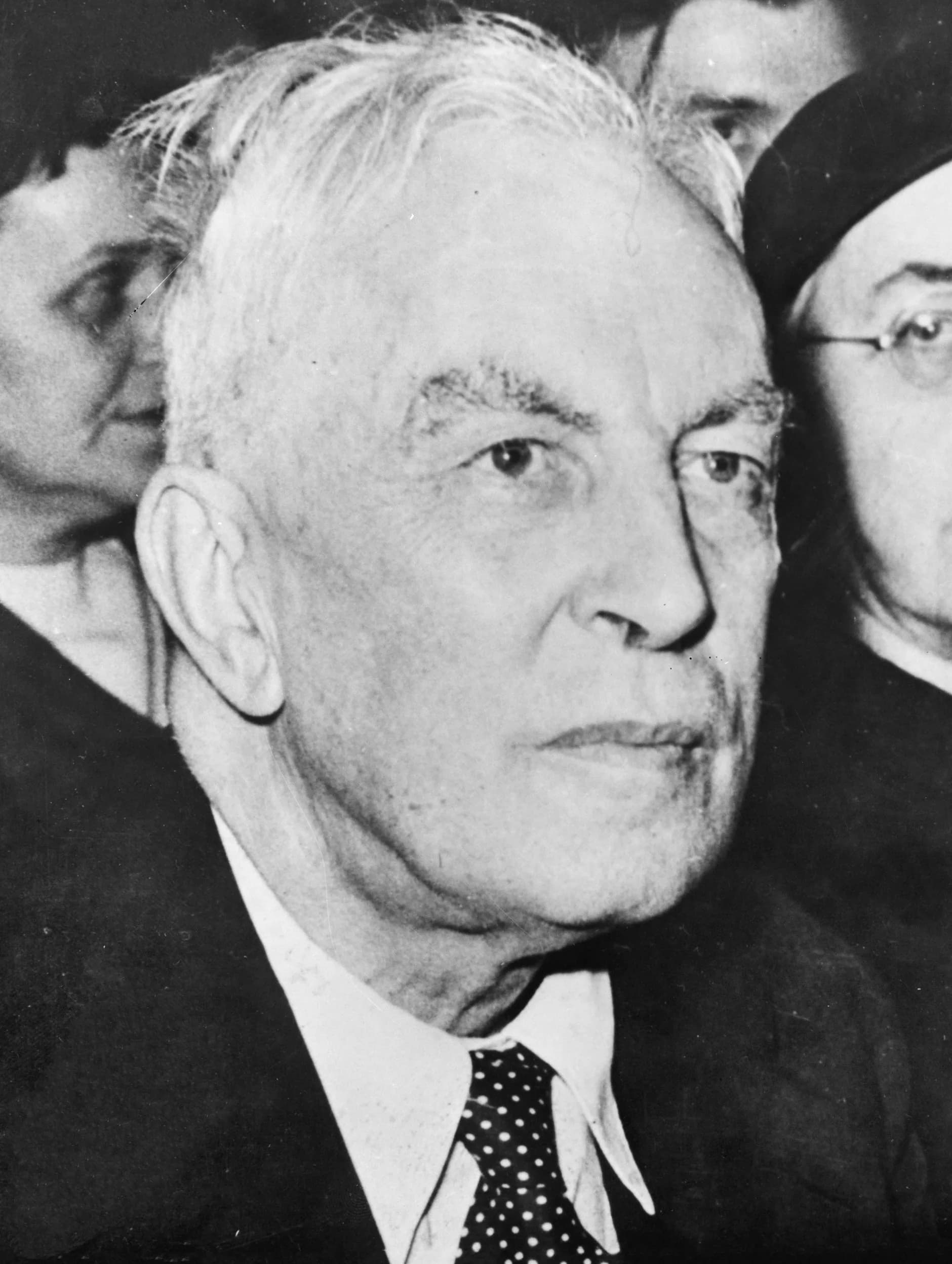
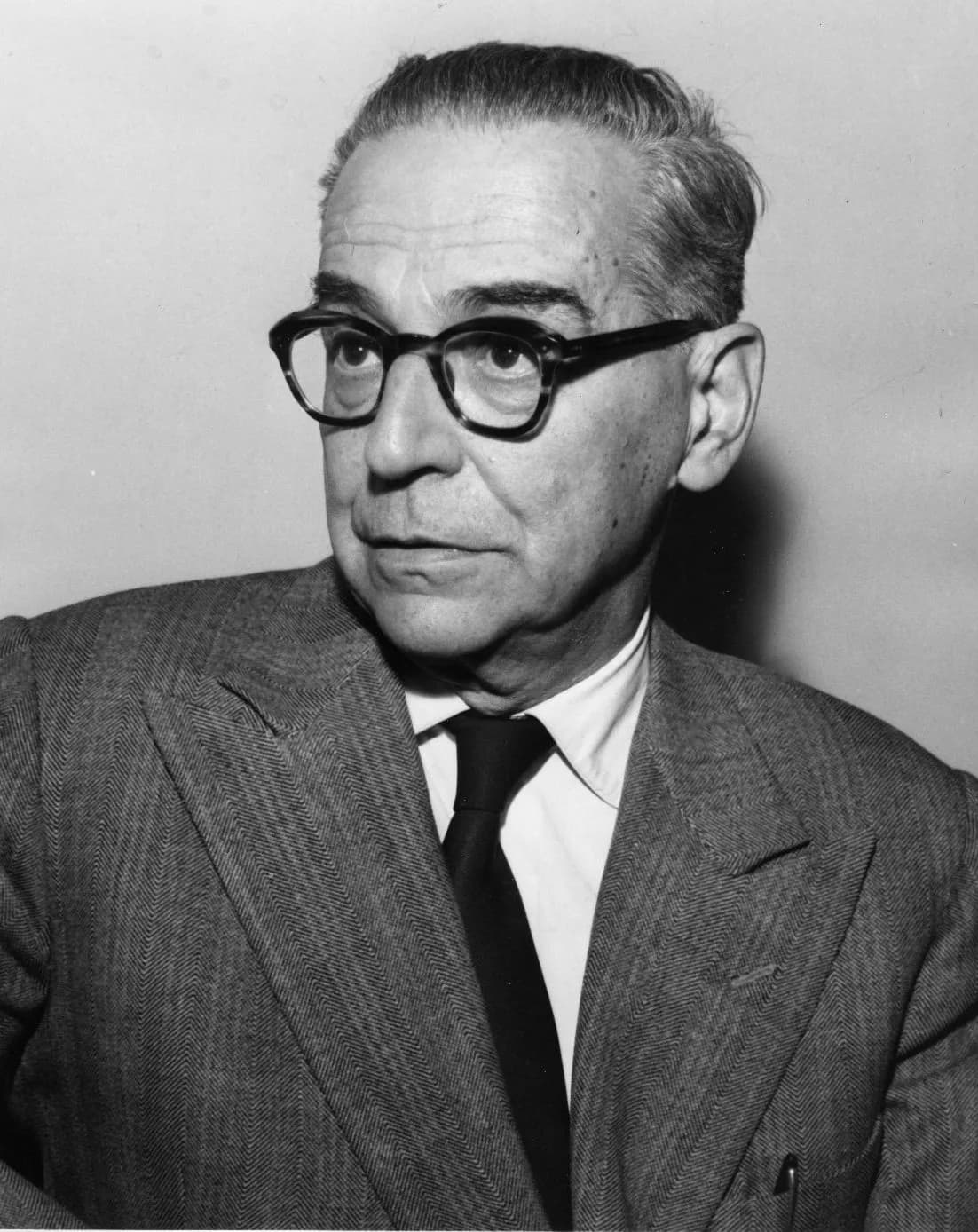
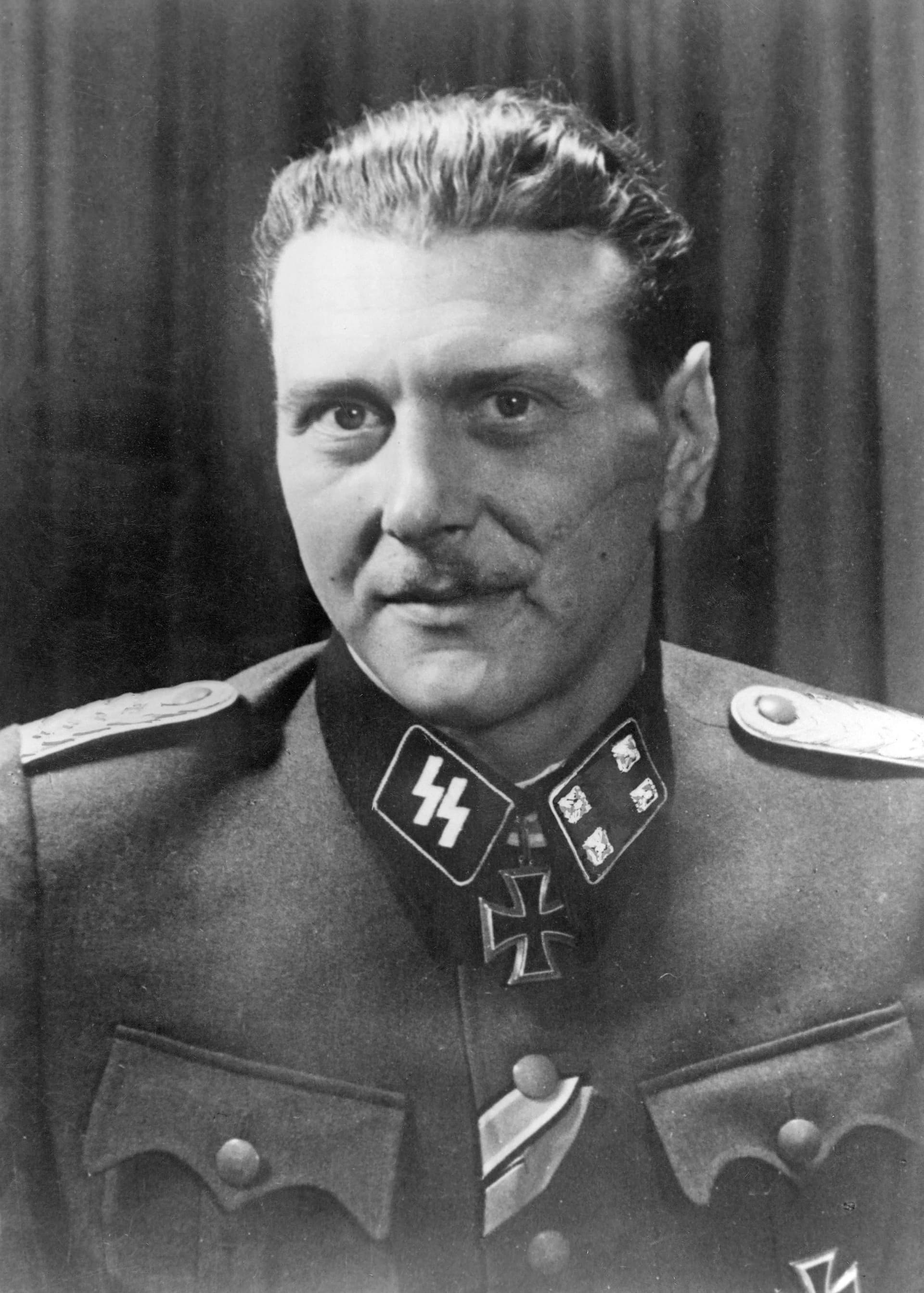
Otto Skorzeny (1908–1975) was Austria best known for Austrian Waffen-SS officer.
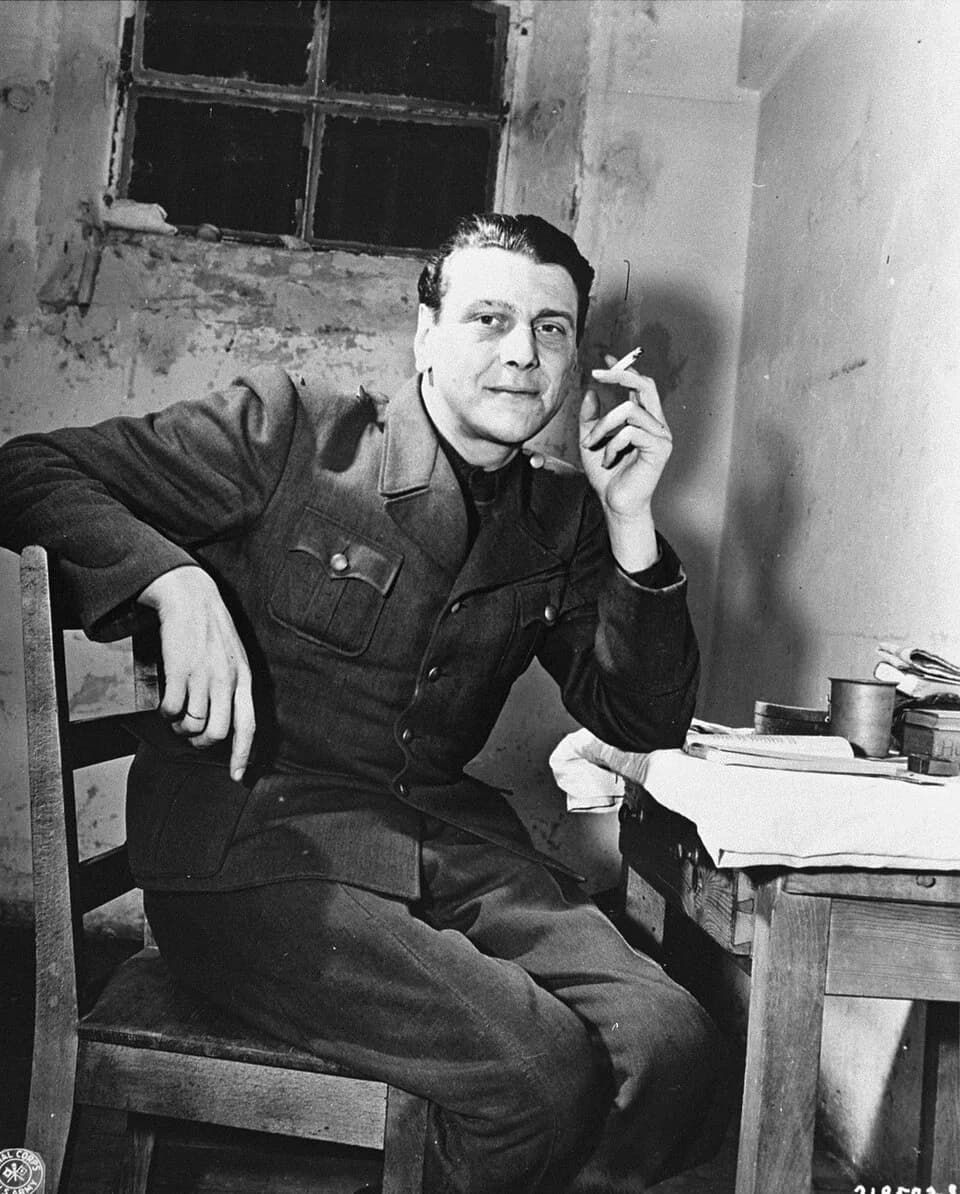
Otto Skorzeny (June 12, 1908 – July 5, 1975) was an engineer and military officer from Vienna, Austria. He gained notoriety as an Austrian Waffen-SS officer during World War II, leading operations such as the rescue of Benito Mussolini. His military career involved controversial special tactics.
Życie w chwilach
Chwile, które ukształtowały życie
Rozdział
Rozdziały życia
Rozdział 1 · 1908· Rozdział 1 z 6
Early Life and Origins
Otto Johann Anton Skorzeny first entered the world on June 12, 1908, in Vienna, Austria. This European capital was his birthplace and the setting for his formative years. He pursued an education in engineering, a field that cultivated a methodical and practical approach to problem-solving, which would later prove advantageous in his military endeavors.
His academic background provided him with a unique perspective, combining technical knowledge with a strategic mindset. These early experiences in Vienna, coupled with his engineering studies, laid a foundation for the trajectory his life would ultimately take as he transitioned into military service during a turbulent global period.
Rozdział 2· Rozdział 2 z 6
Career Beginnings
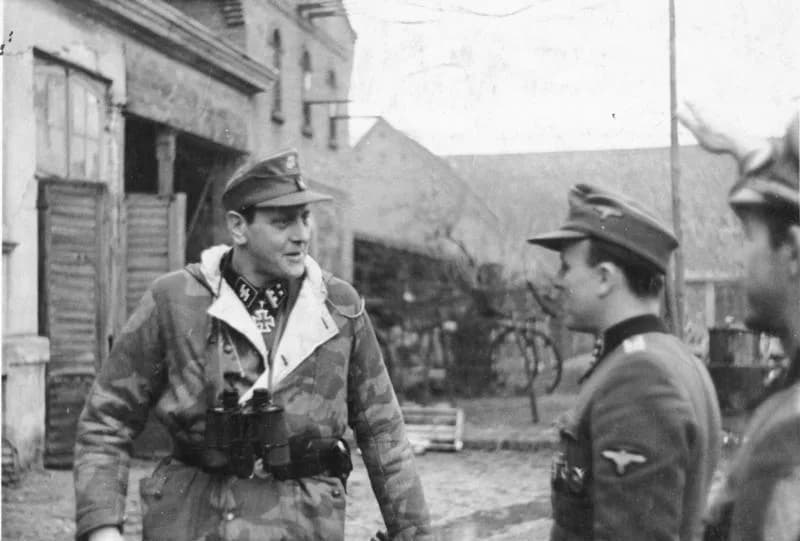
Skorzeny's professional journey began in engineering, but the geopolitical landscape of the early 20th century soon drew him into military service. He eventually rose through the ranks to become an SS-Obersturmbannführer within the Waffen-SS, a key branch of the German military during World War II. This position placed him at the forefront of Germany's special operations efforts.
His integration into the Waffen-SS marked a decisive turn in his career, transitioning him from a civilian engineer to a military officer specialized in unconventional tactics. It was within this role that he began to cultivate a reputation for audacious planning and execution, setting the stage for his future high-profile assignments.
Rozdział 3 · 1943· Rozdział 3 z 6
Major Achievements and Career Highlights
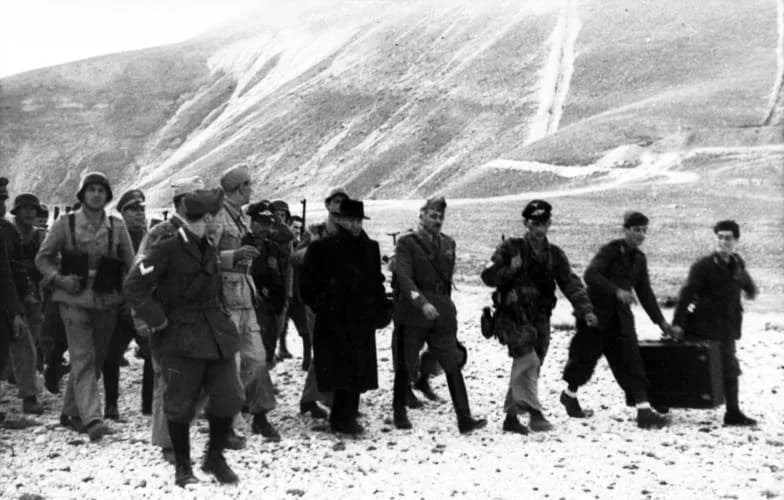
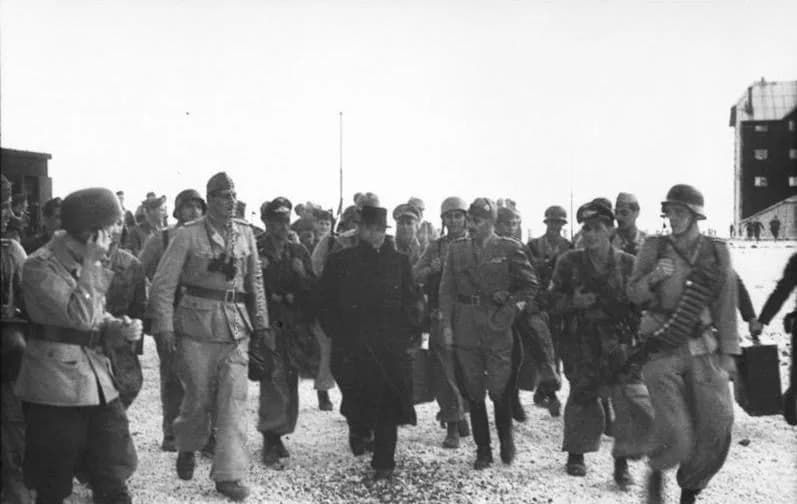
Throughout his tenure as an SS-Obersturmbannführer, Skorzeny was tasked with and successfully completed several daring operations that captured international attention. One of his most celebrated actions was the Gran Sasso raid in September 1943. This mission saw him personally lead a glider-borne assault to rescue Benito Mussolini, the deposed Italian dictator, from his mountain-top captivity.
The successful execution of the Gran Sasso raid was a strategic victory and a significant propaganda coup, earning Skorzeny widespread recognition. It demonstrated his expertise in planning and executing complex, high-risk special operations behind enemy lines. This achievement solidified his status as a master of commando tactics within the Waffen-SS.
Rozdział 4 · 1944· Rozdział 4 z 6
Key Operations and Strategic Impact
Skorzeny's influence extended to other critical theaters of war, notably in Hungary. In October 1944, he orchestrated the removal of Hungarian Regent Miklós Horthy from power, a crucial intervention designed to prevent Hungary from negotiating a separate peace with the Allied powers. This action ensured Hungary remained within the German sphere of influence at a pivotal moment in the war.
Another highly controversial but tactically distinct operation was Operation Greif, launched during the Battle of the Bulge in December 1944. Under Skorzeny's command, German soldiers infiltrated Allied lines wearing captured American and British uniforms. The objective was to create confusion, disrupt communications, and seize key bridges, showcasing his preference for deceptive and psychological warfare tactics.
These specific operations, from the precise Gran Sasso rescue to the large-scale deception of Operation Greif, illustrate the breadth of Skorzeny's operational responsibilities. His command involved coordinating diverse teams and employing innovative methods to achieve strategic objectives under intense pressure. His role in these events made him a central figure in the history of World War II special forces.
Rozdział 5 · 1947· Rozdział 5 z 6
Later Years and Legal Proceedings
As World War II concluded, Otto Skorzeny faced legal repercussions for his wartime actions, particularly regarding Operation Greif. In 1947, he was brought before the Dachau Military Tribunal, accused of breaching the 1907 Hague Convention, which governs the laws and customs of war. The specific charge related to the use of enemy uniforms by German soldiers, a controversial aspect of his command.
Despite the seriousness of the charges, the tribunal ultimately acquitted Skorzeny. Following his acquittal, he spent his later years in Spain. He established residence in Madrid, the capital city, where he lived for decades after the war. Otto Skorzeny passed away in Madrid, Spain, on July 5, 1975, at the age of 67, concluding a life that had spanned momentous historical periods.
Rozdział 6· Rozdział 6 z 6
Legacy and Historical Context
Otto Skorzeny's legacy is primarily associated with his role as a special operations officer within the Waffen-SS during World War II. His name remains strongly linked to the specific, high-stakes missions he led, particularly the Gran Sasso raid and Operation Greif. These events are often cited in military histories examining unconventional warfare strategies.
His post-war trial and subsequent acquittal also contribute to his enduring historical profile, sparking ongoing discussions about military ethics and international law during conflict. Skorzeny's life provides a case study for understanding the complexities of leadership and strategy within the context of total war. His story continues to be a subject of historical analysis regarding the tactics employed in the mid-20th century.
FAQ
Często zadawane pytania
Kiedy zmarł(a) Otto Skorzeny?
Otto Skorzeny zmarł(a) 5 lipca 1975 w Madrid, Spain w wieku 67 lat.
Gdzie urodził(a) się Otto Skorzeny?
Otto Skorzeny urodził(a) się w Vienna, Austria 12 czerwca 1908.
Z czego najbardziej znany(a) jest Otto Skorzeny?
Otto Skorzeny jest najbardziej znany(a) z Austrian Waffen-SS officer.
Ile lat miał(a) Otto Skorzeny w chwili śmierci?
Otto Skorzeny miał(a) 67 lat w chwili śmierci.
Jakiej narodowości był(a) Otto Skorzeny?
Otto Skorzeny pochodził(a) z Austria.
Oś czasu
Życie w skrócie
Galeria zdjęć
Życie w obrazach
Kliknij dowolny polaroid, by go powiększyć · 22 zdjęć
Kod QR
Udostępnij tę biografię
Drukuj i udostępnij
Zeskanuj, aby odwiedzić tę stronę biografii. Wydrukuj na wydarzenia, wystawy lub materiały edukacyjne.