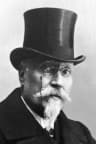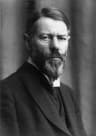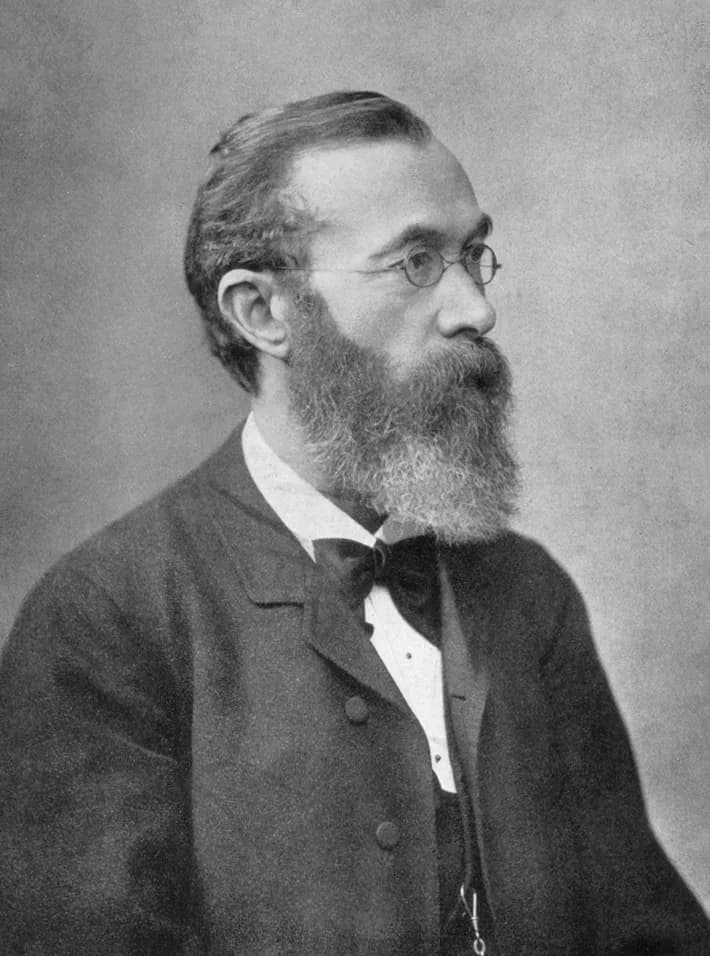
Geboren
August 16, 1832
Neckarau, Germany
Overleden
August 31, 1920
Großbothen, Germany
Bekend om
German physician, physiologist, philosopher and professor
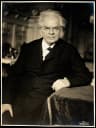
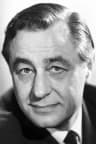
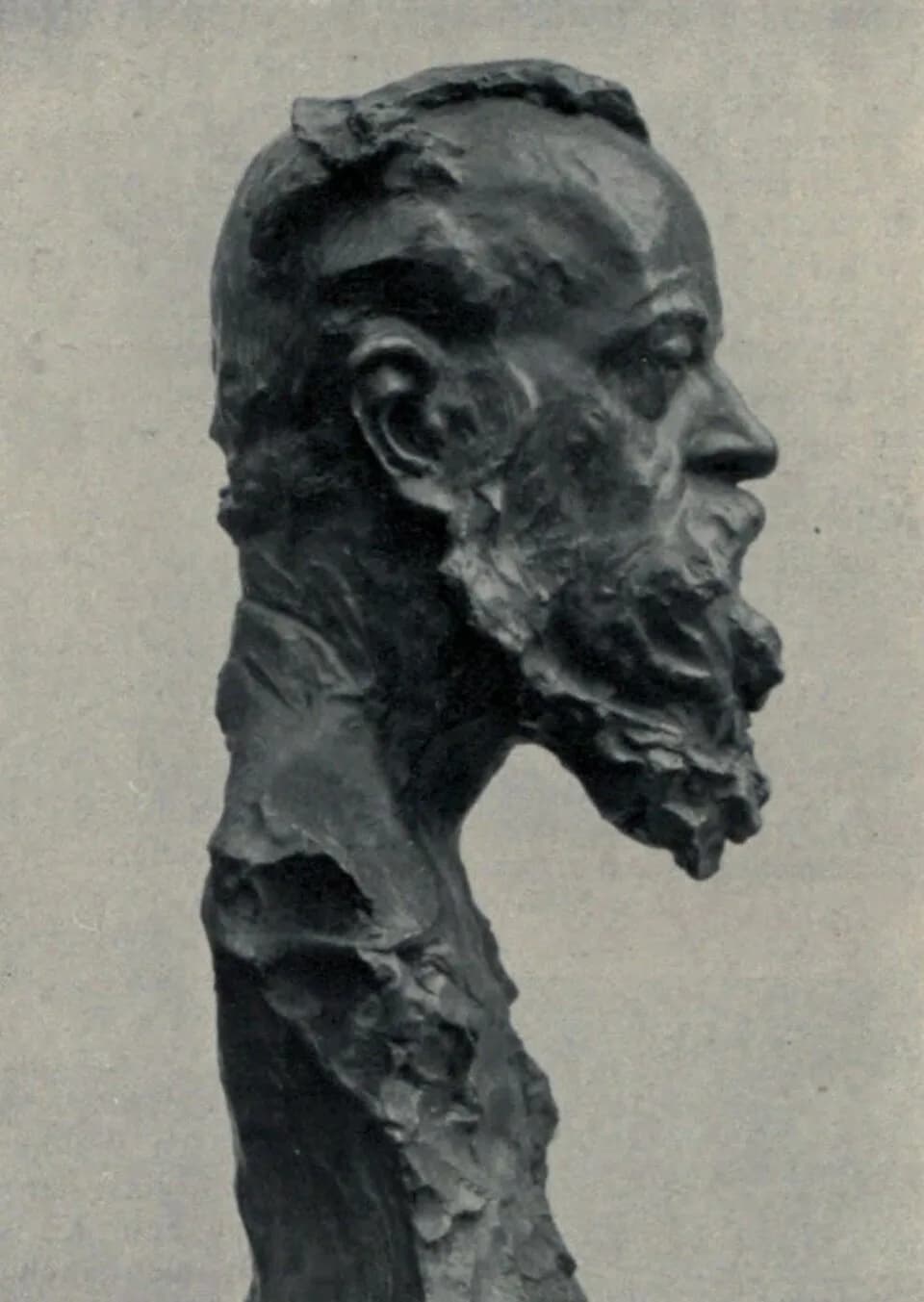
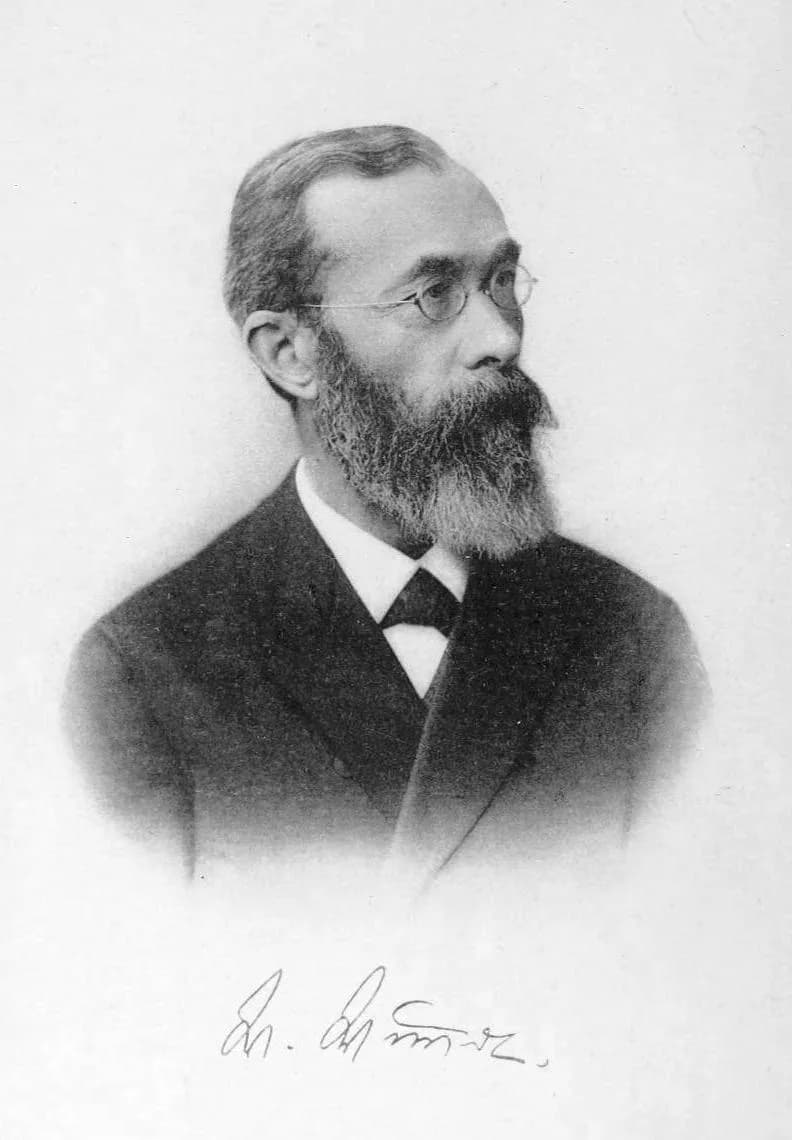
Wilhelm Wundt (1832–1920) was Germany best known for German physician, physiologist, philosopher and professor.
Wilhelm Maximilian Wundt (August 16, 1832 – August 31, 1920) was a German physician, physiologist, philosopher, and professor. He is celebrated as one of the fathers of modern psychology, distinguishing it as a science and becoming the first person to call himself a psychologist. Wundt's extensive writings and foundational work continue to influence the field.
Hoofdstuk
Levenshoofdstukken
Hoofdstuk 1 · 1832· Hoofdstuk 1 van 7
Early Life and Origins
Wilhelm Wundt began his journey on August 16, 1832, in Neckarau, Germany. This central European birthplace situated him within a rich intellectual and scientific environment that characterized 19th-century Germany. The context of his birth into a region steeped in academic rigor and philosophical inquiry likely fostered an early intellectual curiosity within him. The societal and academic atmosphere of his youth would undoubtedly influence his later choices and the multidisciplinary nature of his academic pursuits.
Hoofdstuk 2· Hoofdstuk 2 van 7
A Foundation in Science and Thought
Before his focused work in psychology, Wundt established a strong foundation in several demanding scientific and philosophical disciplines. His early career saw him trained and working as a physician, a profession that instilled in him a rigorous, empirical approach to observation and diagnosis. This medical background provided a crucial understanding of biological processes and their impact on human experience, which would later inform his physiological psychology. The precision and systematic methodologies inherent in medicine were carried forward into his later academic endeavors.
Further enriching his scientific perspective, Wundt also dedicated significant time to physiology, examining the functions and processes of living organisms. This detailed study of the body's mechanisms was vital for understanding sensation, perception, and other psychological phenomena from a biological standpoint. Concurrently, his profound engagement with philosophy provided him with the conceptual tools necessary to grapple with complex questions about the mind, consciousness, and human experience. This formidable blend of medical science, physiological research, and philosophical inquiry uniquely prepared him to address the then-unexplored territory of psychology.
Hoofdstuk 3· Hoofdstuk 3 van 7
Pioneering the Science of Psychology
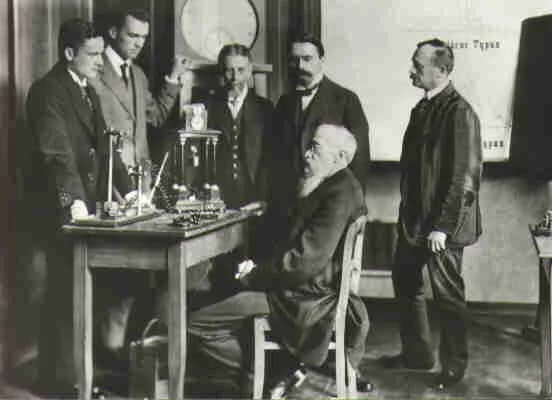
Wilhelm Wundt's most indelible contribution was his monumental effort to establish psychology as a distinct and independent science. At a time when the study of the mind was primarily a branch of philosophy or physiology, Wundt meticulously articulated methods and theoretical frameworks to give psychology its own identity. This critical differentiation marked a watershed moment, allowing for systematic, empirical investigation into mental processes rather than relying solely on philosophical introspection or biological reductionism. He championed experimental techniques as the proper way to study the mind, fostering a scientific approach.
His visionary approach led him to be the first individual to publicly embrace the title of 'psychologist.' This self-identification was more than a mere label; it was a profound statement of purpose and a declaration of the emergence of a new scientific field. By calling himself a psychologist, Wundt solidified the professional identity of this nascent discipline and inspired countless others to follow suit. His commitment to making psychology a rigorous science, complete with its own laboratories and methodologies, solidified his standing as a true pioneer.
Hoofdstuk 4· Hoofdstuk 4 van 7
Extensive Written Contributions
Throughout his extensive career, Wilhelm Wundt was an exceptionally prolific writer, producing a vast body of work that shaped academic discourse in psychology and related fields. His role as a writer was integral to disseminating his theories, experimental findings, and philosophical insights to a global audience. The sheer volume and intellectual depth of his publications reflected a mind constantly at work, systematically building a new scientific discipline through carefully articulated arguments and empirical evidence. His writings served as foundational texts for generations of students and researchers.
These numerous works spanned a wide spectrum of topics, from fundamental principles of human and animal psychology to elaborate discussions on folk psychology and ethical systems. Wundt's commitment to documenting his thoughts and experiments ensured that his ideas could be rigorously examined, critiqued, and built upon by the wider academic community. His bibliography showcases a comprehensive engagement with both the scientific and humanistic dimensions of understanding the mind. The impact of his written legacy continues to be felt in psychological scholarship today.
Hoofdstuk 5· Hoofdstuk 5 van 7
Key Works and Enduring Influence
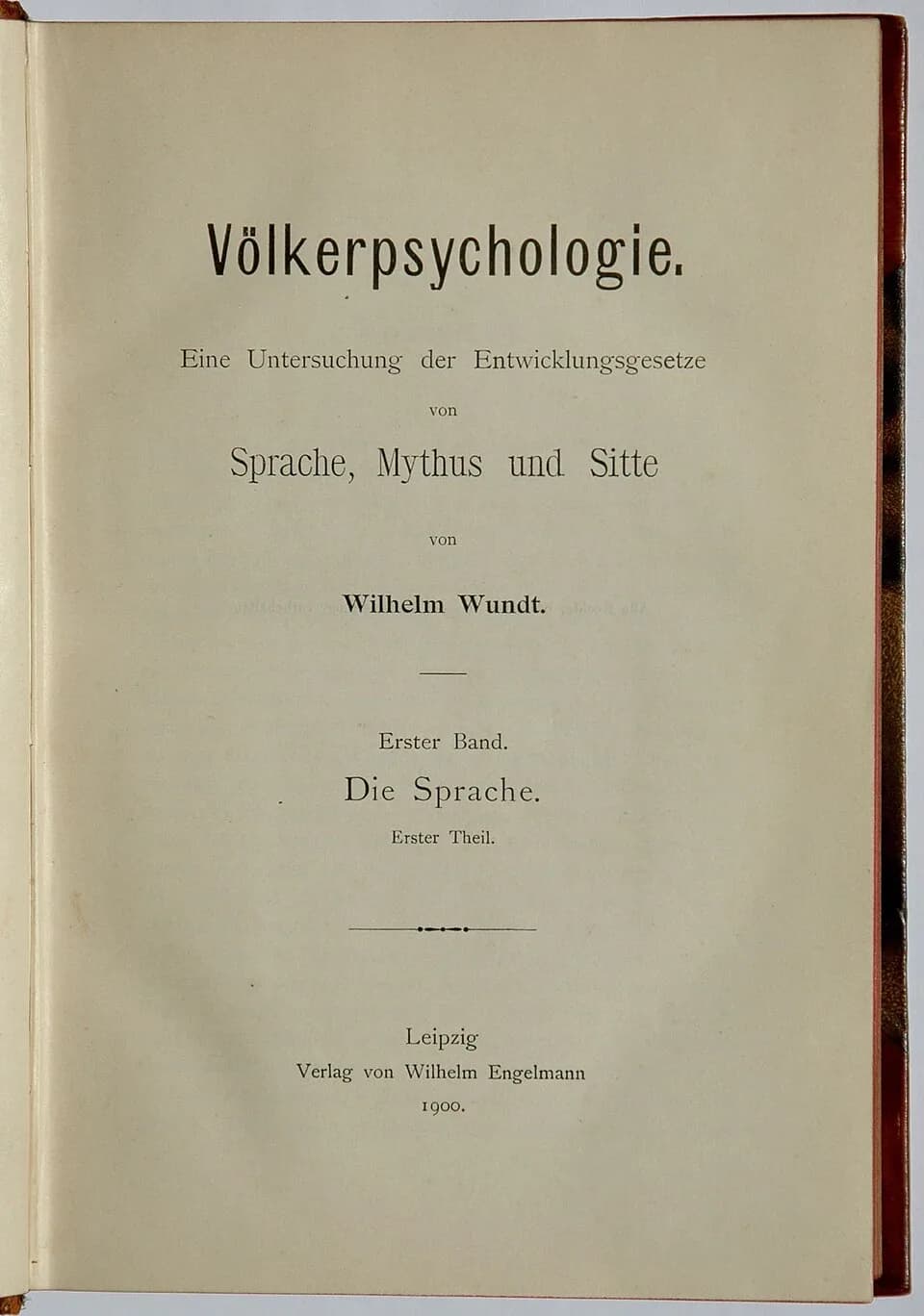
Wilhelm Wundt's bibliography is a testament to his expansive intellectual endeavors and his commitment to formalizing psychology. Among his most recognized works are *An Introduction To Psychology* and *Outlines of Psychology*, which served as foundational texts to introduce the principles of his experimental psychology to students and scholars. These books systematically laid out the methodologies and theoretical underpinnings for the scientific study of mental processes, providing essential educational resources.
His interest in cultural and societal aspects of the mind was deeply explored in works such as *Elements Of Folk Psychology* and the more comprehensive *Elements of Folk Psychology - Outline of a Psychological History of the Development of Mankind*. These texts demonstrate Wundt's recognition that individual psychological processes are intertwined with broader cultural and historical contexts, offering a more holistic view of human experience. He also published *Lectures on human and animal psycology*, highlighting his comparative approach to understanding mental phenomena across species.
Beyond psychology, Wundt delved into broader philosophical and ethical considerations with titles like *Ethical Systems* and *Principles of Morality and the Departments of the Moral Life*, illustrating his continued engagement with fundamental questions of human conduct. His academic output, further highlighted by an h-index of 4 across 12 papers, showcases consistent scholarly productivity. Notably, works like *Hypnotismus und Suggestion* (republished in 2009 and cited 14 times) and *Elementos de psicología de los pueblos* (published in 1990 and cited 10 times) demonstrate the enduring relevance and continued study of his ideas even decades after his death. The re-publication of *Principios de psicología fisológica* (originally 1874, republished 2003, cited 7 times) further underscores the lasting importance of his physiological psychology principles.
Hoofdstuk 6 · 1920· Hoofdstuk 6 van 7
Later Life and Continued Scholarly Pursuit
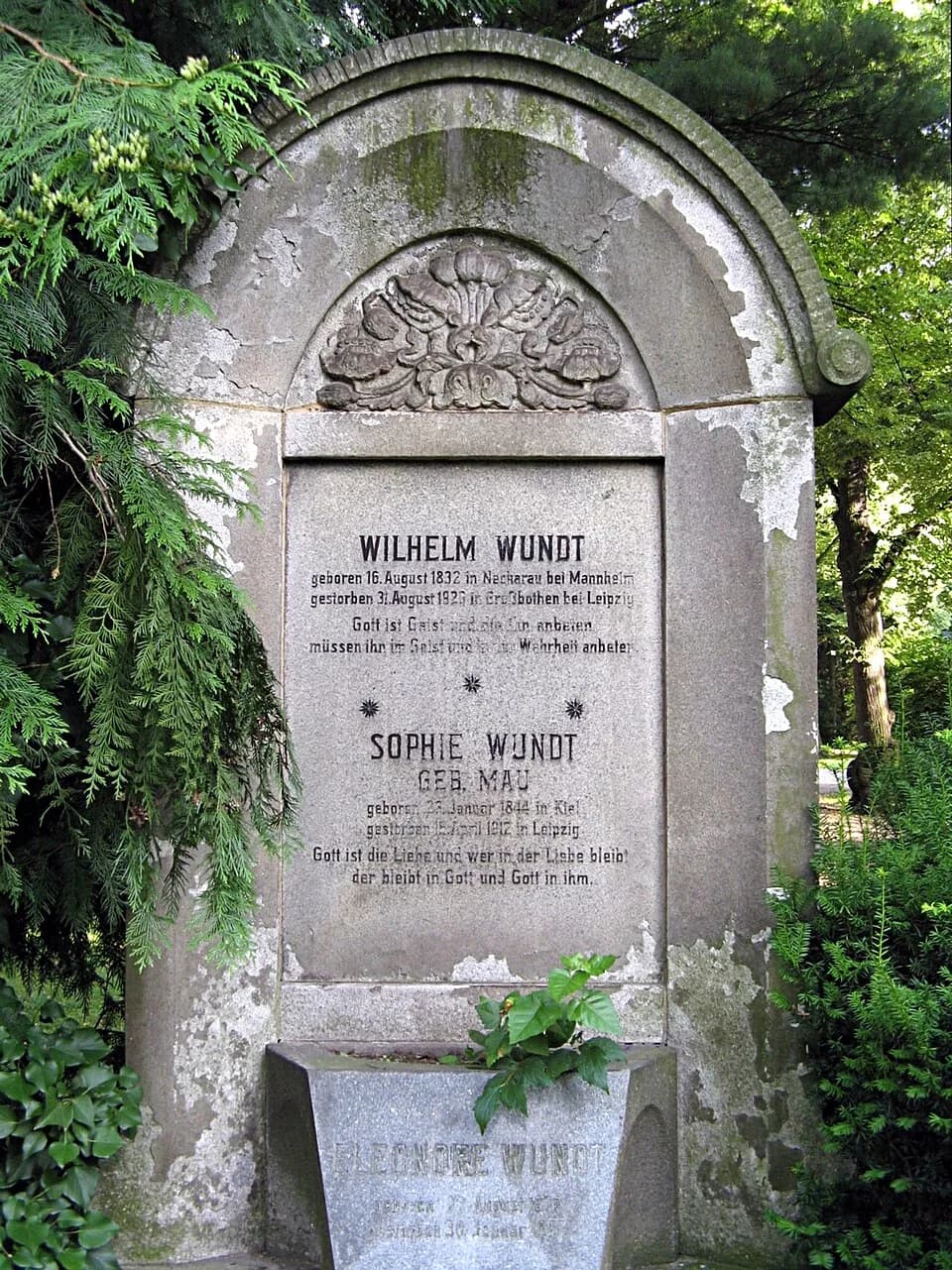
Wilhelm Wundt lived a long and remarkably productive life, deeply immersed in scholarship and the development of his chosen fields. His passing on August 31, 1920, in Großbothen, Germany, marked the end of an era for psychology. By then, he had dedicated nearly six decades to academic life and had witnessed the transformation of psychology from a philosophical tangent to a burgeoning experimental science.
Even in his advanced years, Wundt's influence continued to reverberate through the academic world, as his students carried his methodologies and theories to universities across Europe and North America. His death at 88 years old concluded a lifetime committed to intellectual rigor, scientific exploration, and the systematic establishment of psychology. The legacy he left behind was already well-established and poised for further growth, built upon the solid foundations he so carefully constructed.
Hoofdstuk 7· Hoofdstuk 7 van 7
Legacy and Impact
The legacy of Wilhelm Wundt is monumental and deeply ingrained in the very fabric of modern psychology. His most significant impact lies in his singular achievement of formally establishing psychology as a scientific discipline, distinct from its predecessors. This fundamental shift provided the necessary framework for future empirical research and theoretical development, moving the study of the mind into a new scientific age. His work created the institutional and intellectual space for psychology to flourish.
As the first person to declare himself a psychologist, Wundt set a precedent for professional identity within the field. His extensive publications, rigorous experimental methods, and the generation of students he taught directly contributed to psychology's global dissemination and development. Through his tireless efforts as a physiologist, philosopher, professor, and writer, Wilhelm Wundt undeniably shaped the trajectory of a nascent science. He ensured that the study of human experience could be approached with the same scientific principles applied to the natural world, forever changing how we understand ourselves. His contributions remain a cornerstone for psychological inquiry today.
Een leven in momenten
De momenten die een leven hebben gevormd
Veelgestelde vragen
Veelgestelde vragen
Wanneer is Wilhelm Wundt overleden?
Wilhelm Wundt overleed op 31 augustus 1920 in Großbothen, Germany op 88-jarige leeftijd.
Waar werd Wilhelm Wundt geboren?
Wilhelm Wundt werd geboren in Neckarau, Germany op 16 augustus 1832.
Waar is Wilhelm Wundt het meest bekend om?
Wilhelm Wundt is het meest bekend om German physician, physiologist, philosopher and professor.
Hoe oud was Wilhelm Wundt bij overlijden?
Wilhelm Wundt was 88 jaar oud op het moment van overlijden.
Wat was de nationaliteit van Wilhelm Wundt?
Wilhelm Wundt kwam uit Germany.
Tijdlijn
Een leven in een oogopslag
Fotogalerij
Een leven in beelden
Klik op een polaroid om uit te vergroten · 44 foto's
QR-code
Deel deze biografie
Afdrukken en delen
Scan om deze biografiepagina te bezoeken. Druk af voor evenementen, tentoonstellingen of educatief materiaal.