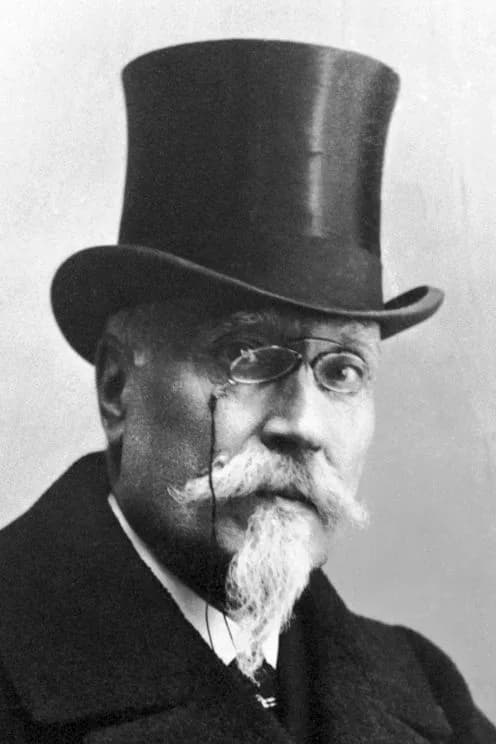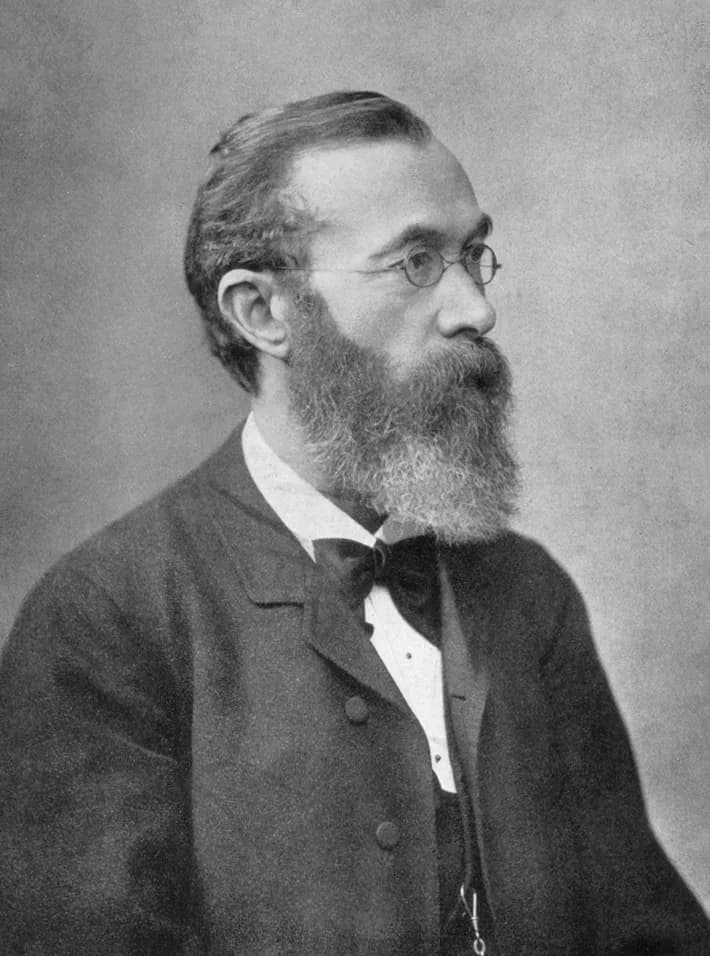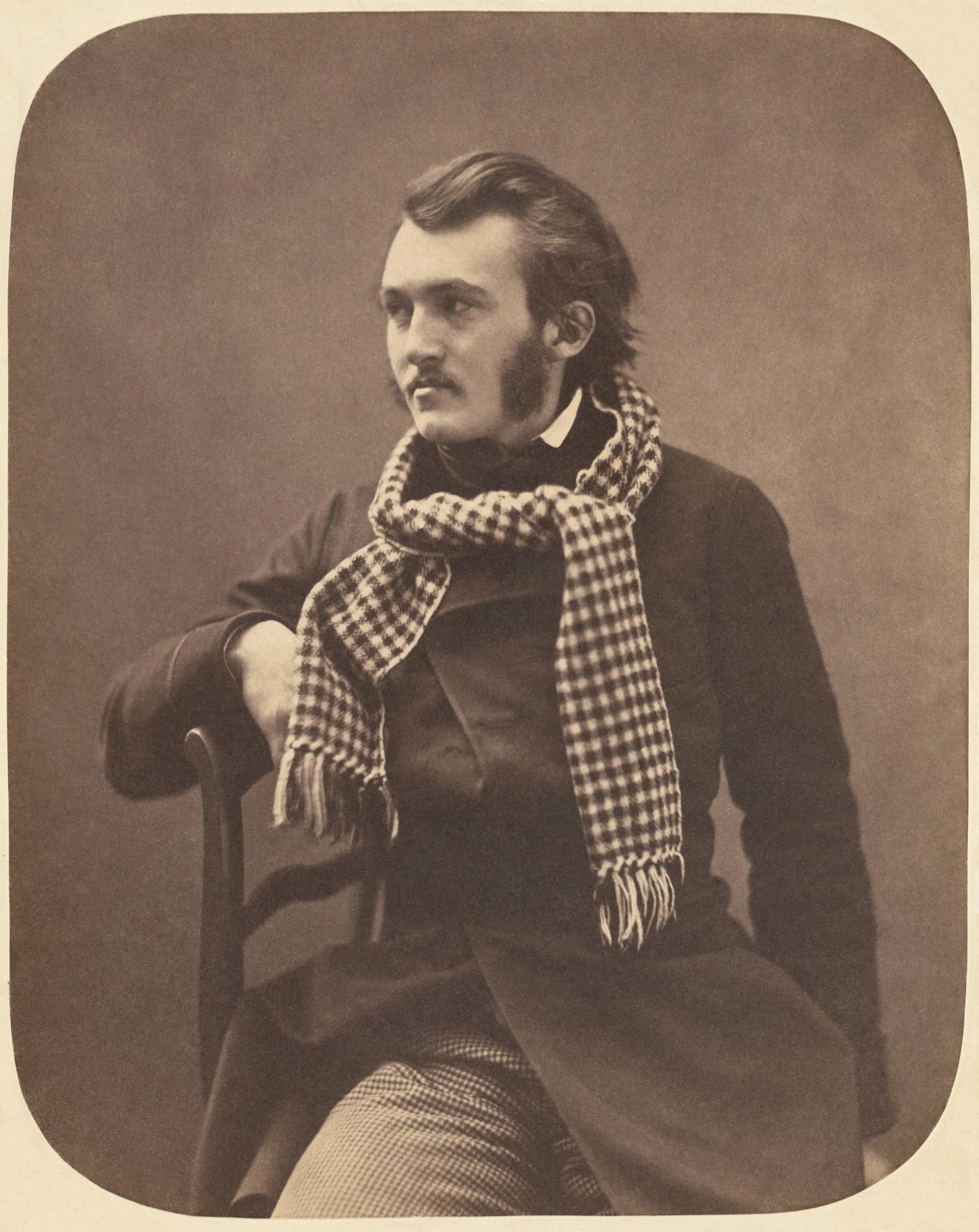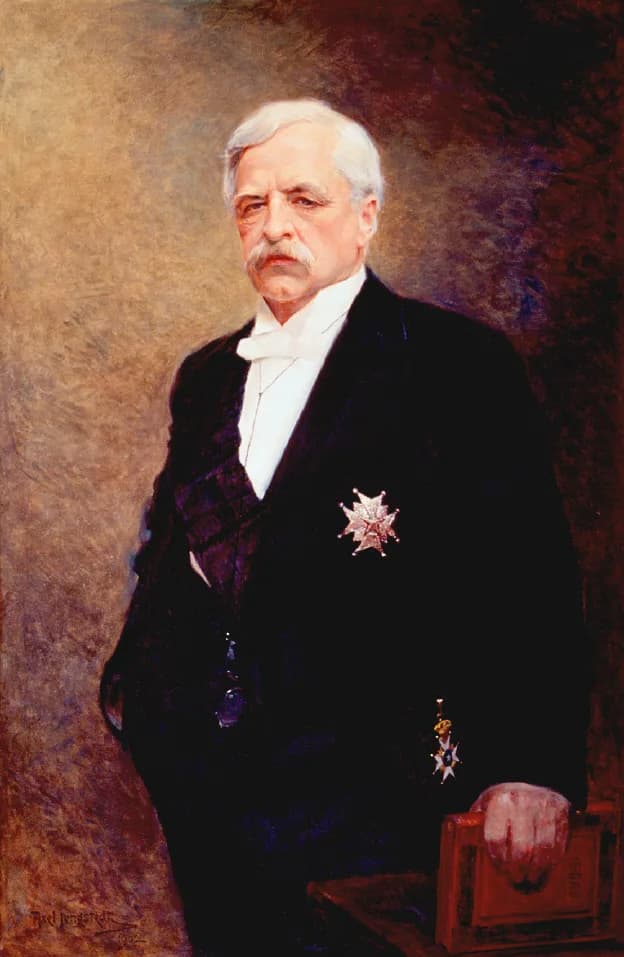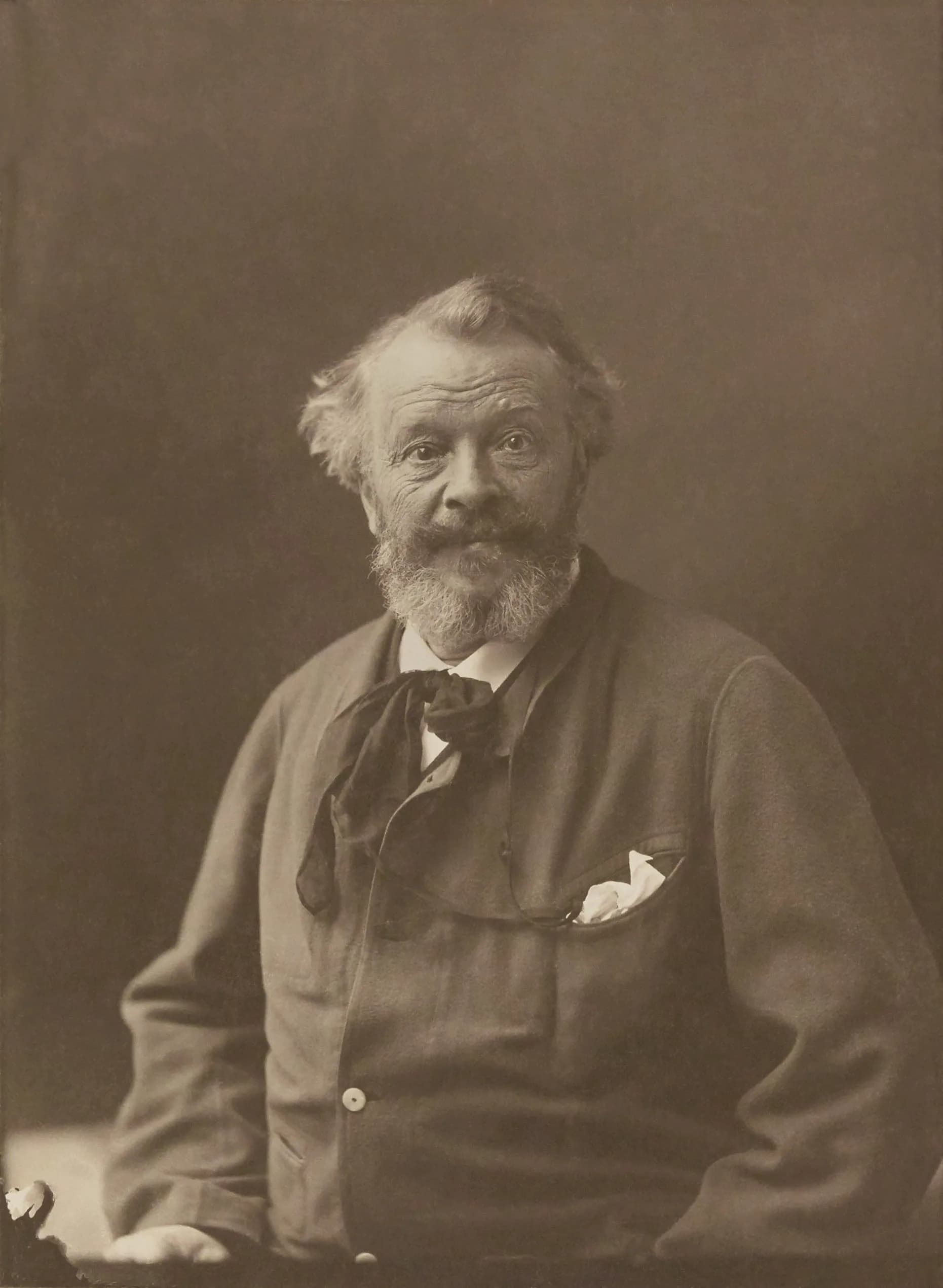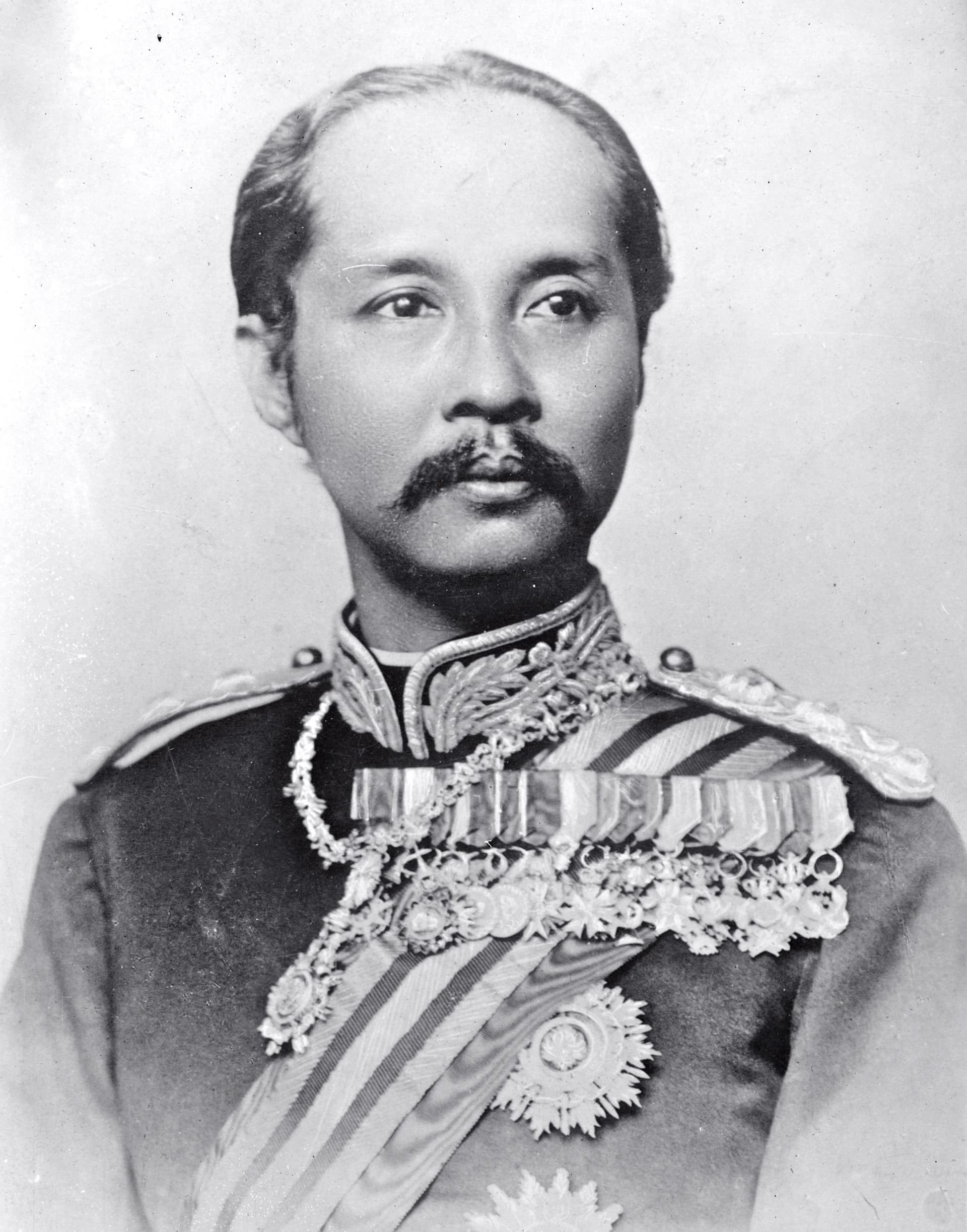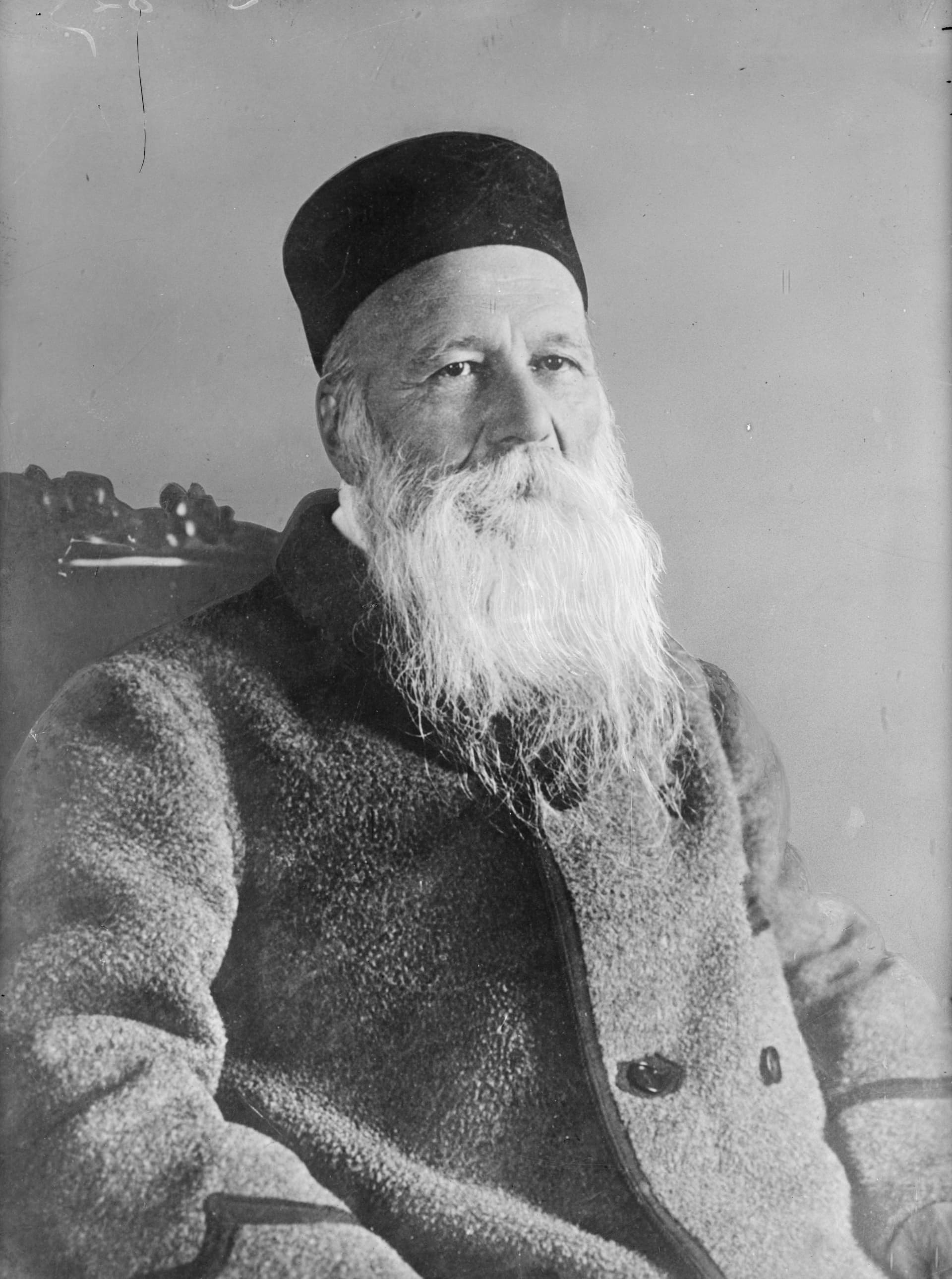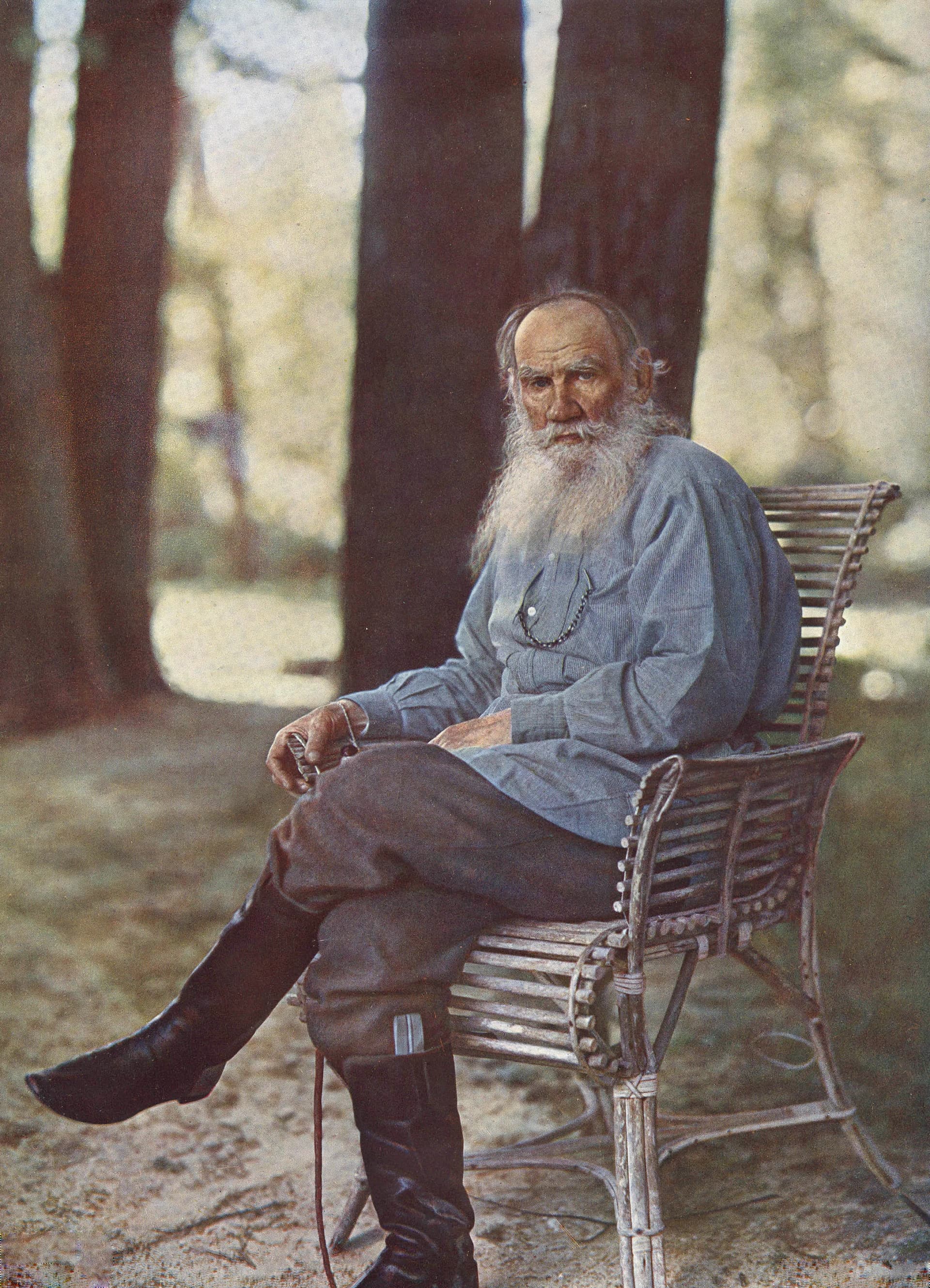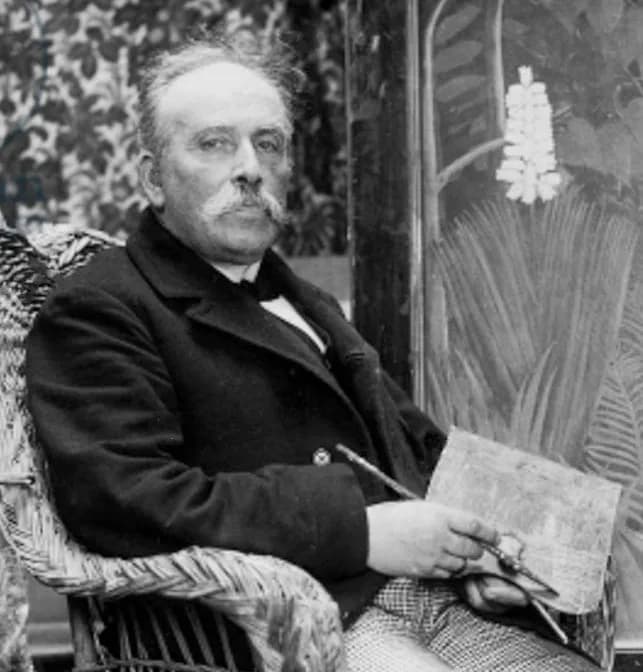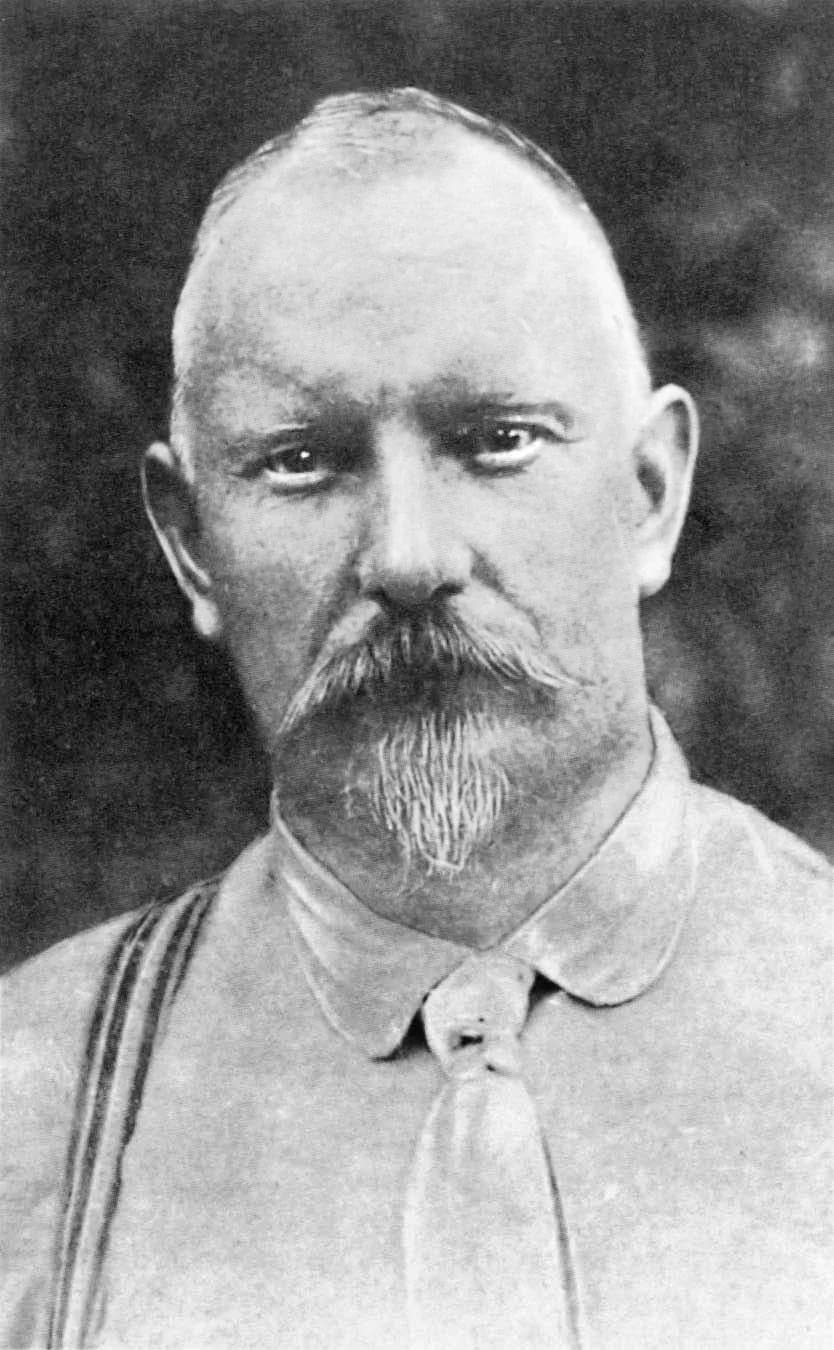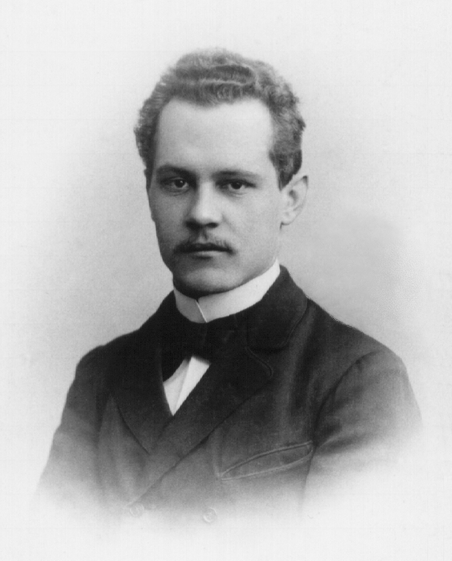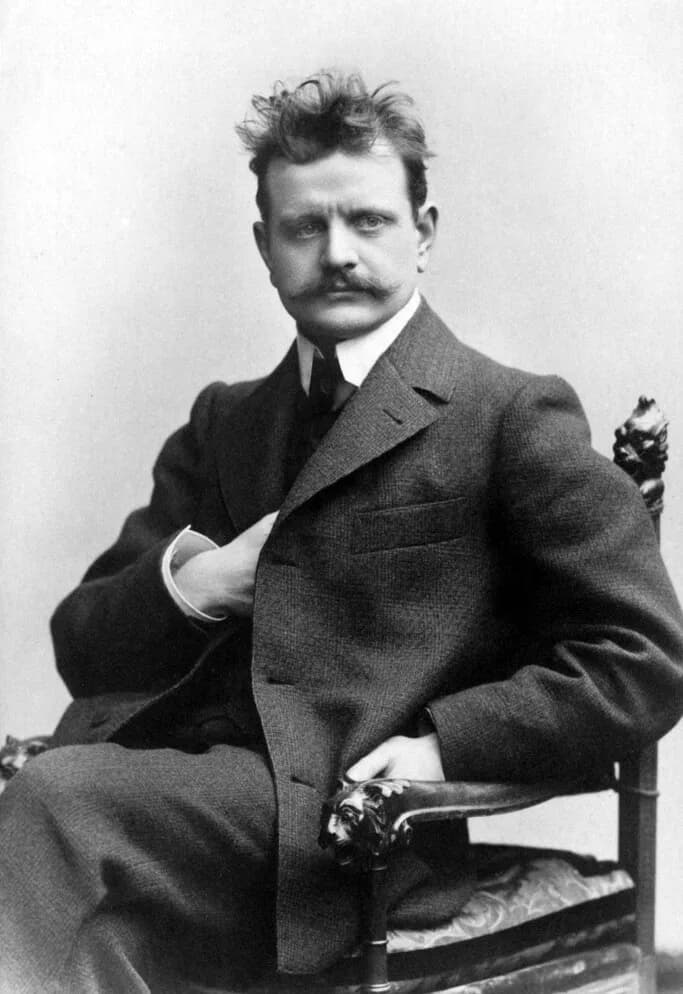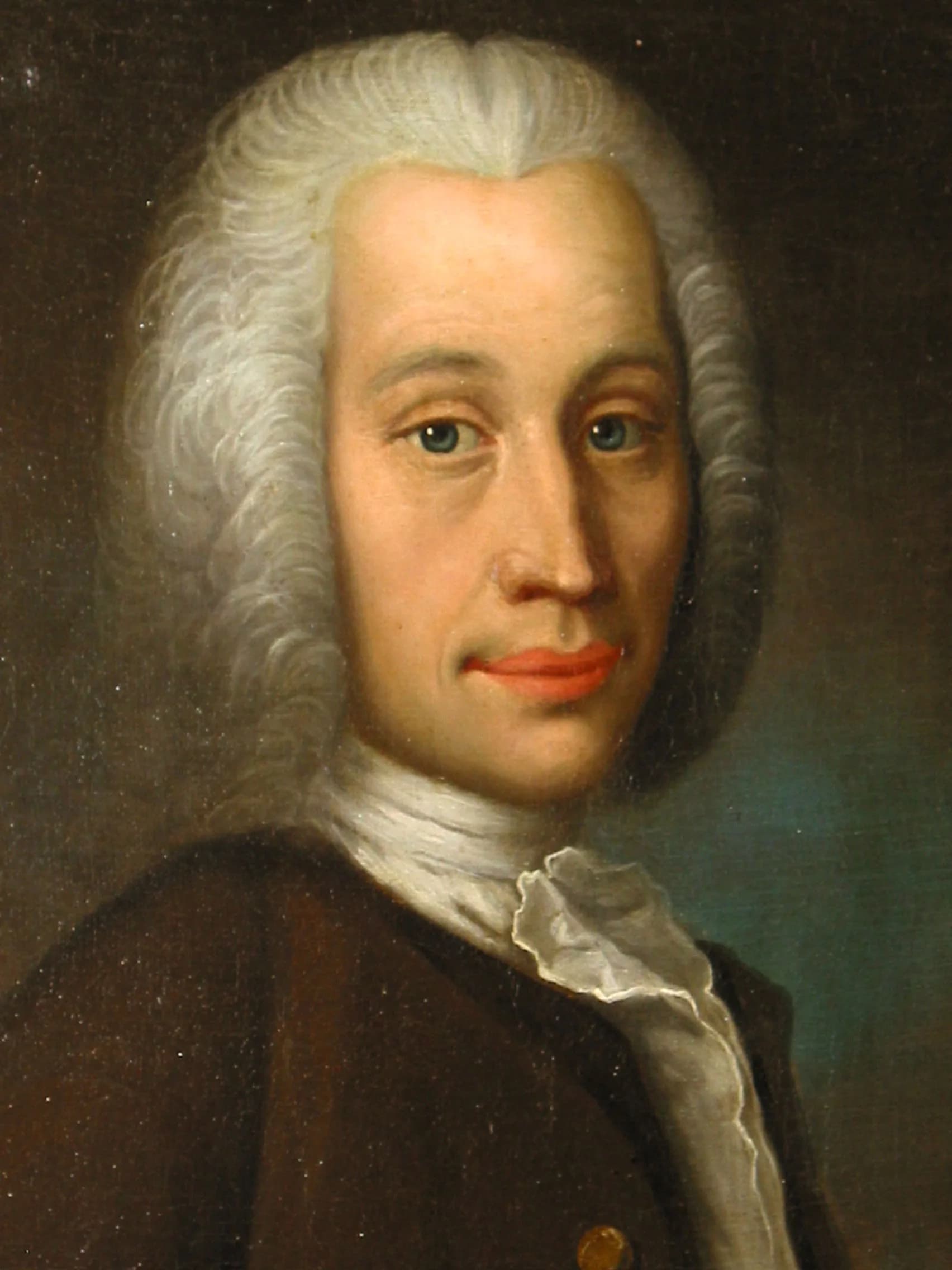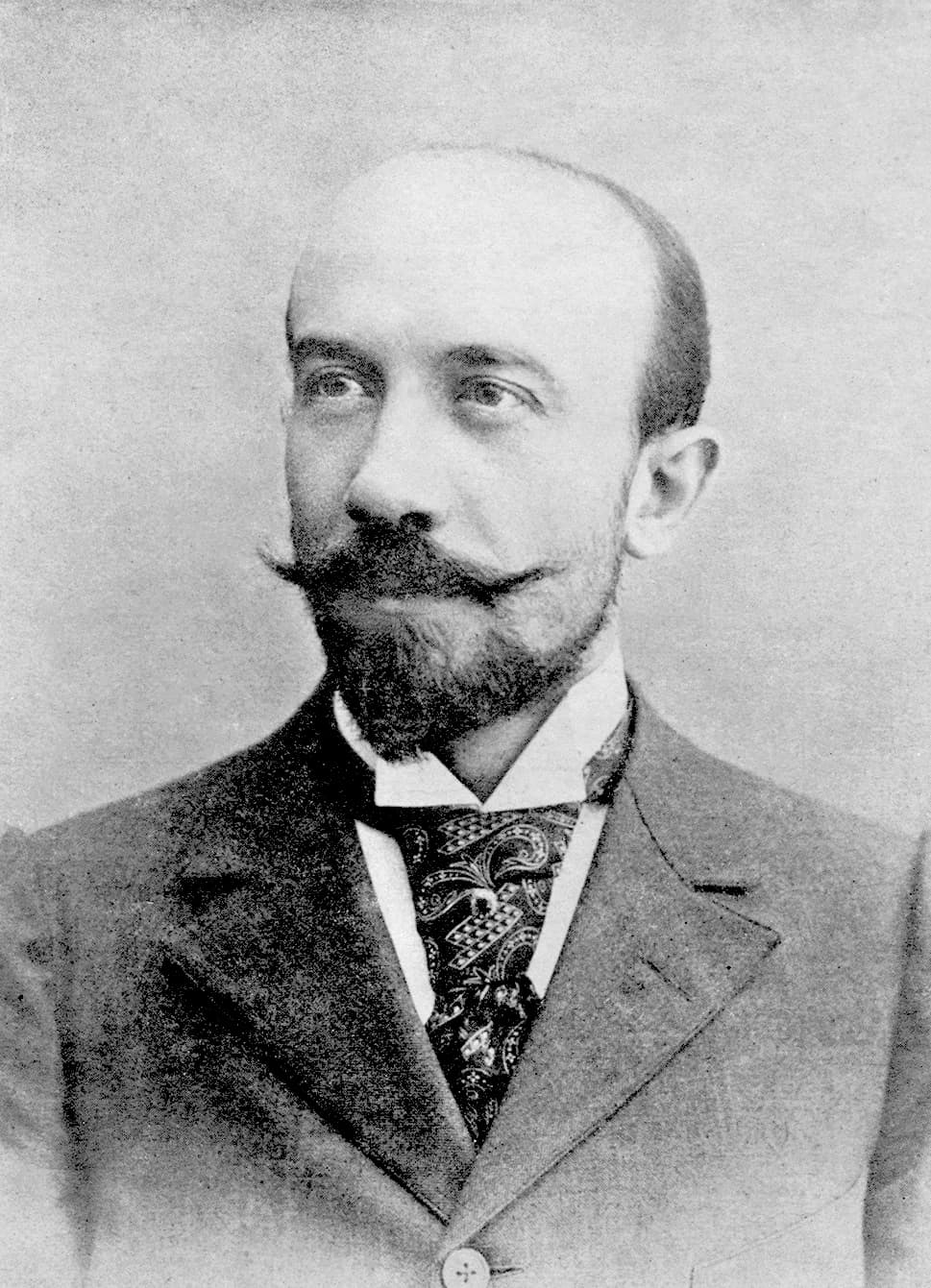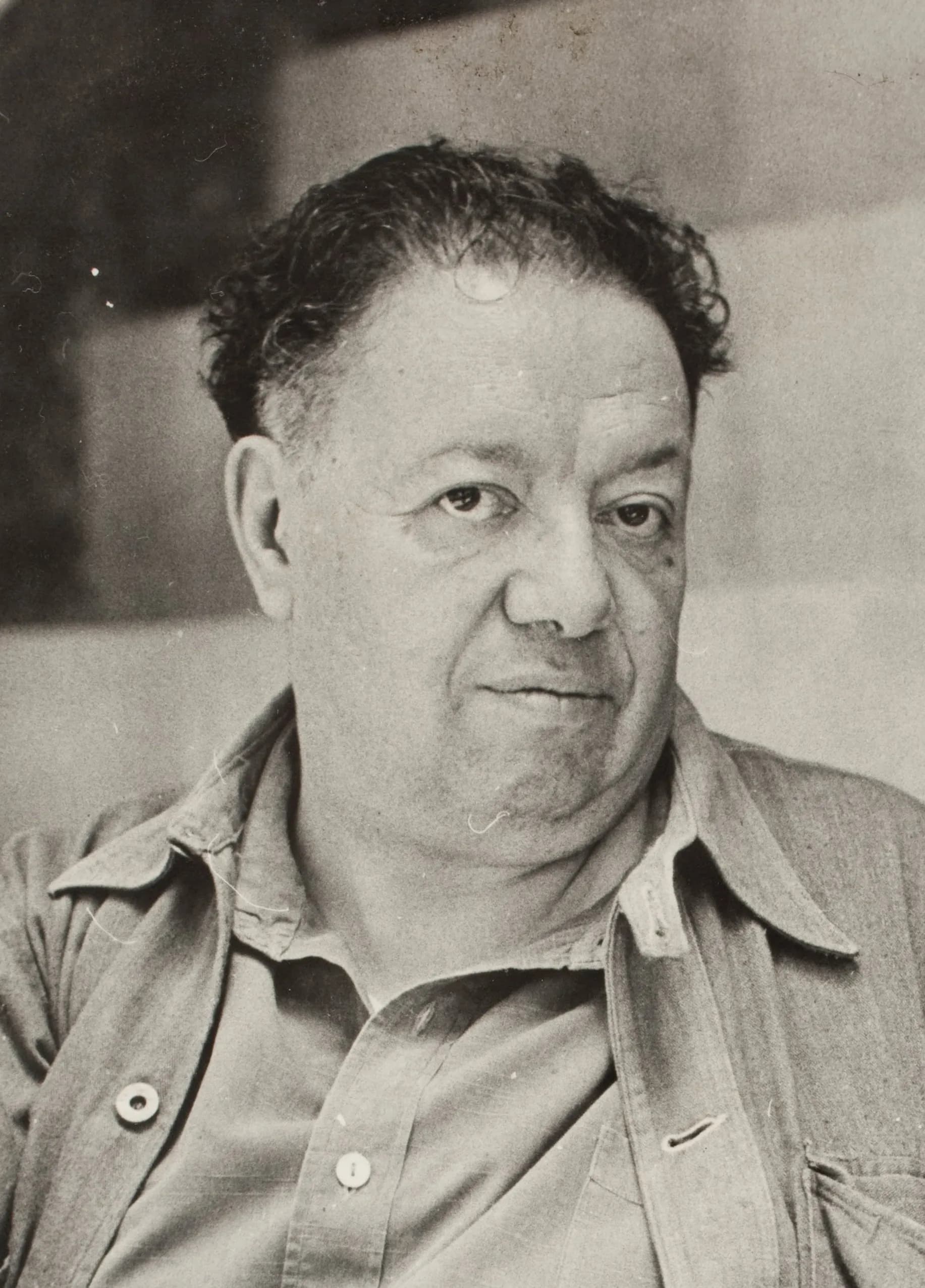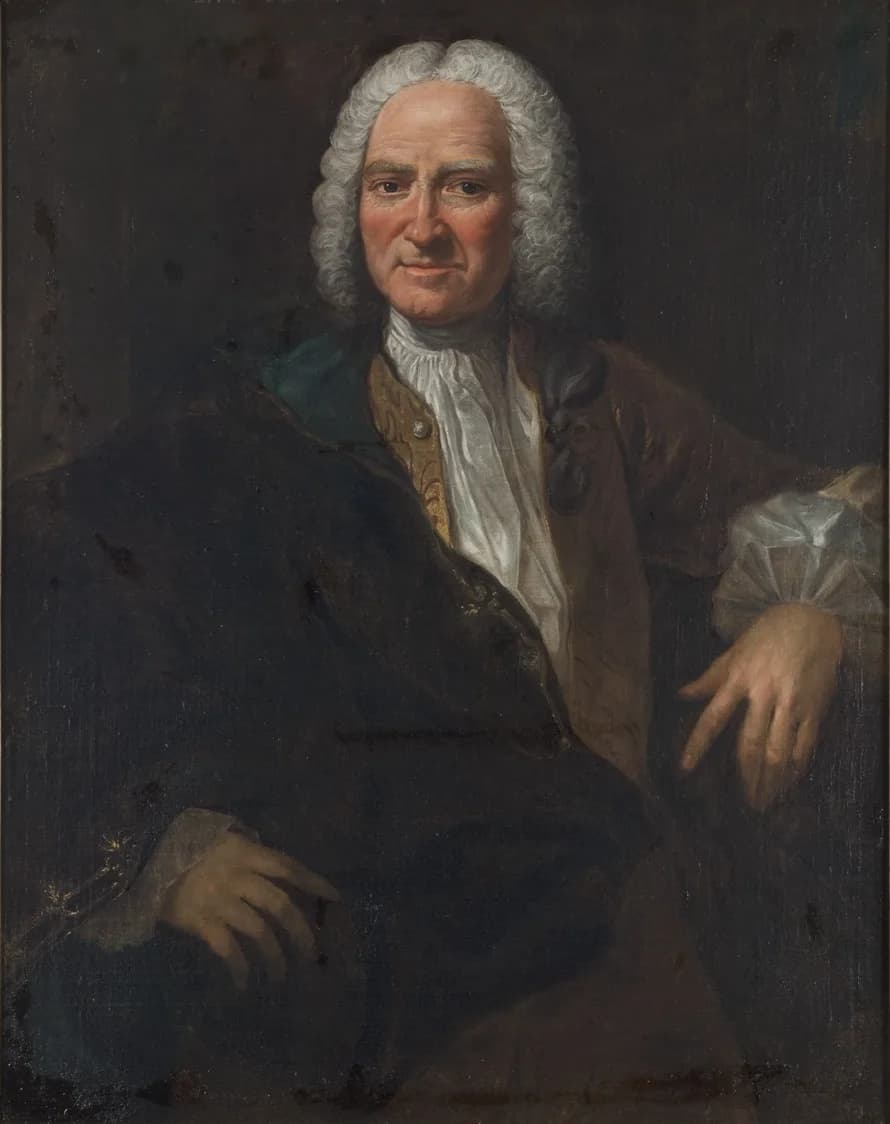
Geboren
December 8, 1832
Kvikne, Norway
Overleden
April 26, 1910
Paris, France
Bekend om
Norwegian writer
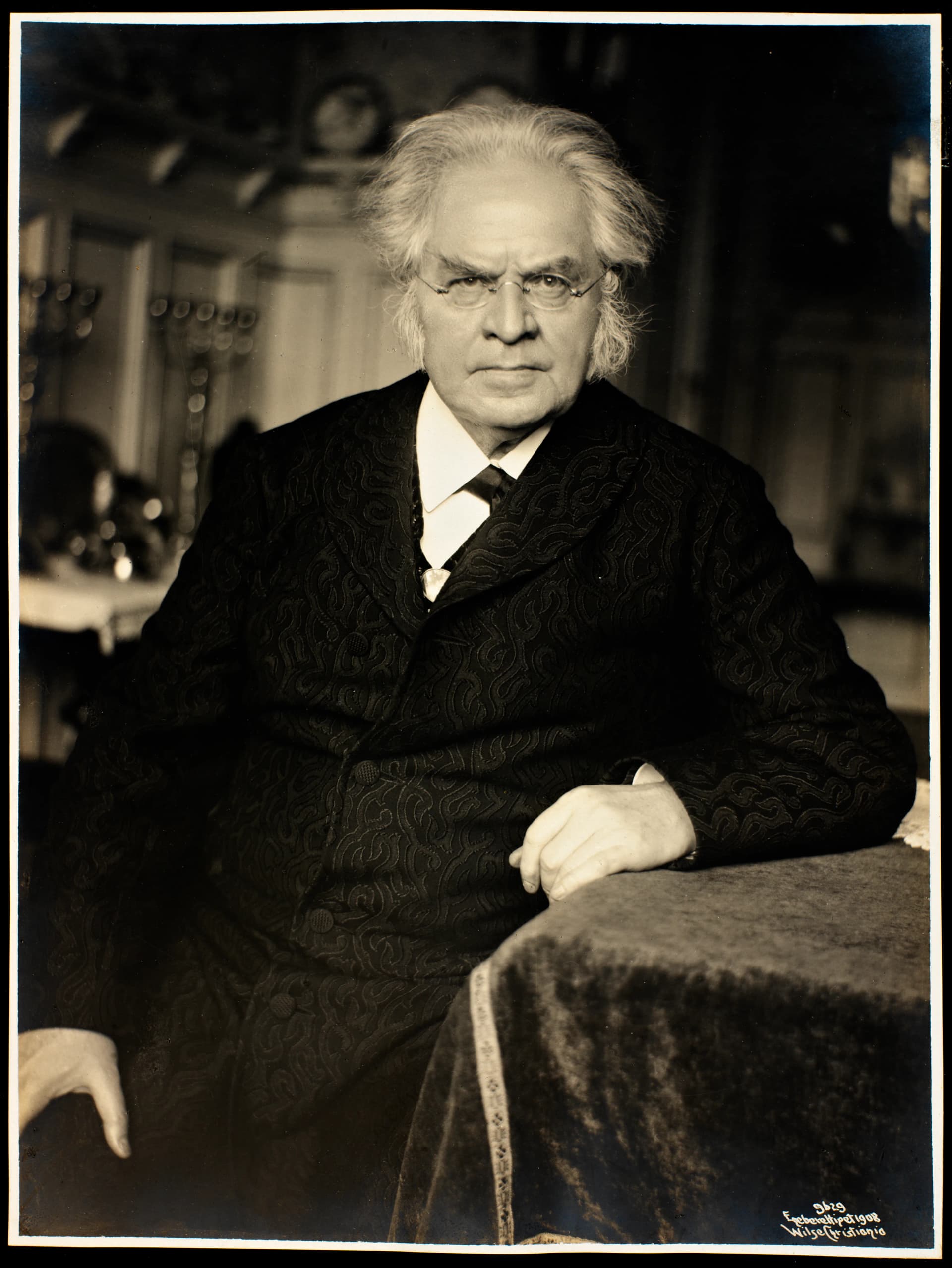
Bjørnstjerne Bjørnson (1832–1910) was Norway best known for Norwegian writer.
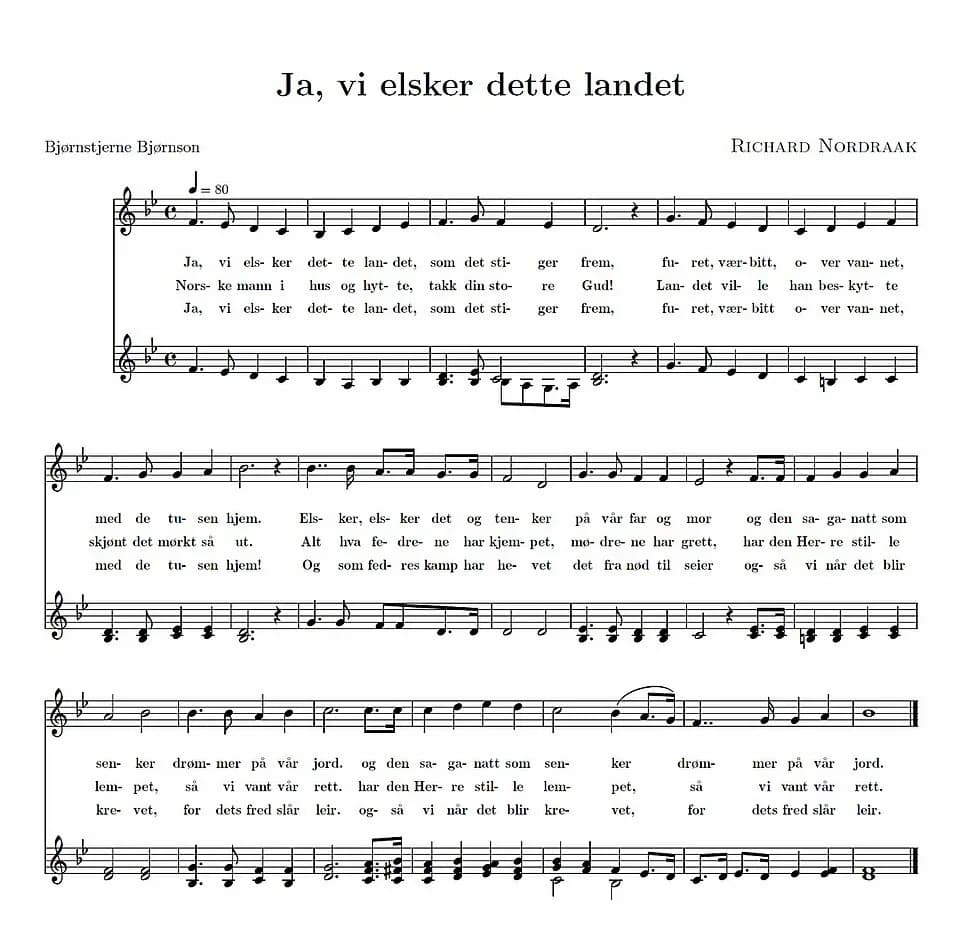
Bjørnstjerne Martinius Bjørnson (December 8, 1832 – April 26, 1910) was a Norwegian writer. He received the 1903 Nobel Prize in Literature for his inspiring and versatile poetry. Bjørnson also penned the lyrics to Norway's national anthem, "Ja, vi elsker dette landet," securing his lasting legacy.
Een leven in momenten
De momenten die een leven hebben gevormd
Hoofdstuk
Levenshoofdstukken
Hoofdstuk 1 · 1832· Hoofdstuk 1 van 7
Bjørnstjerne Martinius Bjørnson: A Literary Giant
Bjørnstjerne Martinius Bjørnson (December 8, 1832 – April 26, 1910) was a distinguished Norwegian writer, poet, politician, playwright, and journalist, a true luminary of Scandinavian culture. He stands as a towering figure in Norwegian literature and public life, revered for his profound contributions to his nation's cultural identity and political discourse. As the first Norwegian Nobel laureate in Literature, awarded in 1903, his influence extended across the Nordic region and garnered international acclaim. His extensive body of works shaped the cultural fabric of Norway, solidifying his place among the revered four great Norwegian writers alongside Henrik Ibsen, Jonas Lie, and Alexander Kielland.
Hoofdstuk 2 · 1832· Hoofdstuk 2 van 7
Early Life and Origins
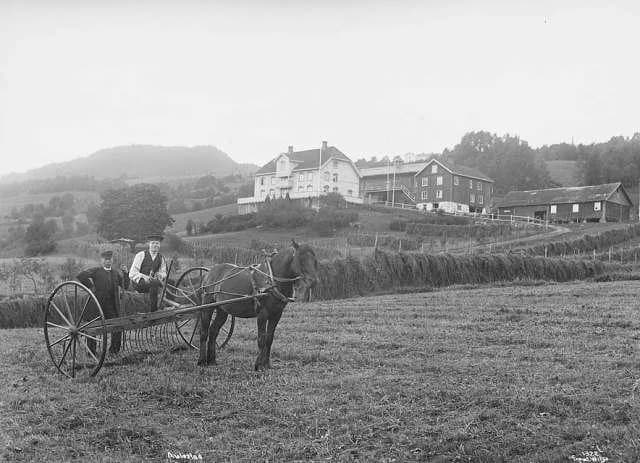
Bjørnstjerne Martinius Bjørnson was born on December 8, 1832, in Kvikne, Norway, a rural setting that profoundly influenced his connection to his homeland and its people. This specific geographical origin instilled in him a unique perspective, which later permeated his literary works with an authentic Norwegian spirit and deep national sentiment. His early environment thus laid essential groundwork for his lifelong engagement with Norwegian life and identity, fostering the themes that would characterize much of his writing.
While detailed accounts of his family life or specific educational institutions are not explicitly provided, his subsequent trajectory into a prolific and influential writer indicates a period of significant intellectual development. His early years, though sparsely documented, clearly prepared him for a career dedicated to both artistic expression and passionate advocacy for Norwegian cultural and political causes. The groundwork for his future multifaceted career was undoubtedly established during these formative times.
Hoofdstuk 3· Hoofdstuk 3 van 7
Career Beginnings
Bjørnson's professional journey commenced through diverse and influential roles that enabled him to cultivate and express his burgeoning literary and public voice. He swiftly established himself as a writer, poet, and journalist, utilizing these platforms to articulate his incisive observations and perspectives on contemporary Norwegian society and broader Scandinavian concerns. These initial endeavors were crucial in honing his distinctive literary style and crafting a public persona characterized by fervent national spirit.
His early engagement as a respected playwright and accomplished prose writer further underscored his remarkable versatility and command of various narrative forms. Through these varied capacities, Bjørnson rapidly emerged as a significant intellectual figure within Norway's vibrant cultural and intellectual circles. These contributions, initiated during his early career, created the essential foundation for the extensive and celebrated impact that followed, marked by both artistic innovation and committed national engagement.
Hoofdstuk 4 · 1903· Hoofdstuk 4 van 7
Major Achievements and Career Highlights
A true pinnacle of Bjørnstjerne Bjørnson's illustrious career was the reception of the 1903 Nobel Prize in Literature, a testament to his exceptional literary prowess. This esteemed award recognized his "noble, magnificent and versatile poetry," which the Nobel committee praised specifically for its "freshness of its inspiration and the rare purity of its spirit." As the first Norwegian to be granted this prestigious international honor, he brought significant global attention to Norwegian literature and solidified its standing.
Beyond his momentous Nobel recognition, Bjørnson served as a central and dynamic figure in Norwegian public life and vigorously participated in Scandinavian cultural discussions. He gained widespread recognition as a prolific polemicist, engaging passionately in debates that fundamentally shaped national opinion and influenced policy across the region. Bjørnson is permanently enshrined as one of the four great Norwegian writers, whose lyrical contributions include the enduring words to Norway's national anthem, "Ja, vi elsker dette landet," a song that has become an indelible symbol of national identity and deep patriotic pride.
Hoofdstuk 5· Hoofdstuk 5 van 7
Notable Works and Contributions
Bjørnstjerne Bjørnson's creative output was both extensive and remarkably varied, encompassing poetry, plays, and prose that collectively captured the essence of Norwegian life, history, and profound thought. Among his most celebrated narrative works is "Arne, or Peasant life in Norway," a novel that vividly portrays rural Norwegian existence with sensitivity and realism. Another historically rich contribution is "Arnljot Gelline," a powerful saga reflecting Norway's ancient past and its heroic traditions. These pieces exemplify his exceptional skill in seamlessly blending compelling narrative with deep cultural insights.
His dramatic works include the thought-provoking play "Beyond our power (Over Evne)," a compelling piece that courageously delves into complex spiritual and psychological themes with great depth. Other significant titles such as "L'énigme" and "Auf Gottes Wegen" further demonstrate his impressive intellectual breadth and his consistent willingness to explore profound and challenging human subjects. Bjørnson's commitment to documenting his own life and insightful thoughts is clearly evidenced in "Kamp-liv; brev fra årene 1879-1884 med innledning og oplysninger," a valuable collection of letters offering unique insights into a crucial and productive period of his creative journey.
Beyond his influential written texts, Bjørnson's artistic impact notably extended into the realm of music, as his evocative poetry served as inspiration for various composers. Both Fredrikke Waaler and Anna Teichmüller, for example, based significant compositions for voice and piano directly on his literary texts, demonstrating the powerful and widespread artistic resonance of his eloquent words. His political engagement is also clearly reflected through contributions such as "Af mine foredrag om republiken," which showcases his active participation in critical discourse surrounding Norway's governance and future direction.
Hoofdstuk 6 · 1903· Hoofdstuk 6 van 7
Later Years
Bjørnstjerne Bjørnson remained an active and deeply revered figure throughout his later years, continuing to exert significant influence on both Norwegian literature and public opinion. The momentous award of the Nobel Prize in Literature in 1903, which occurred just seven years before his passing, served as a crowning culmination of his life's work and firmly solidified his standing as an undeniable global literary giant. This period was notably characterized by sustained intellectual engagement and widespread public admiration for his manifold achievements and enduring contributions.
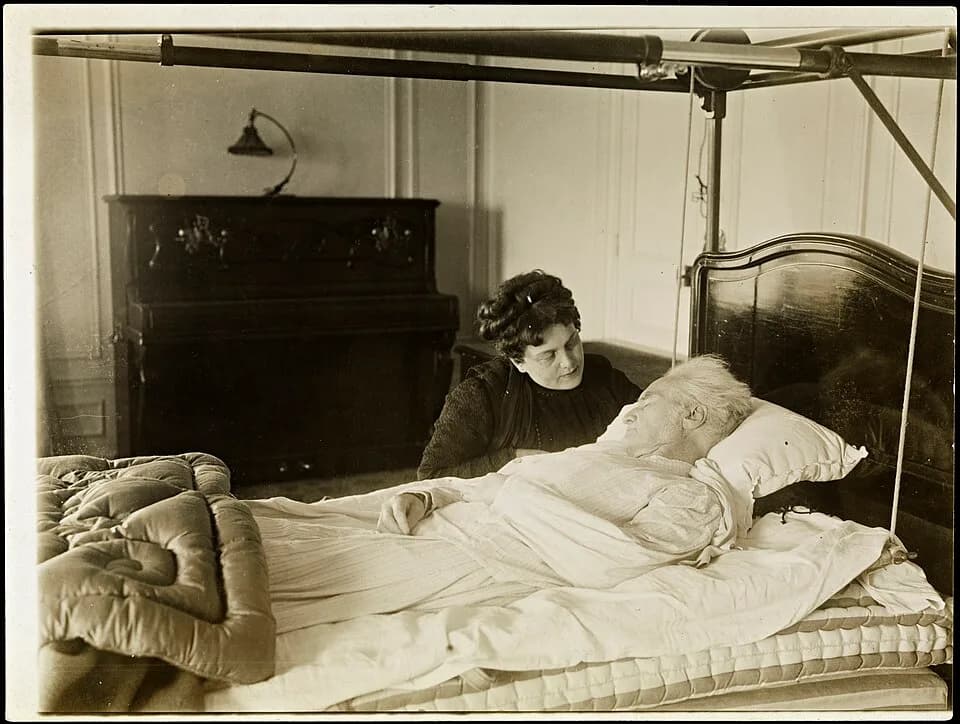
His final years were spent reflecting upon a distinguished career wholeheartedly dedicated to the promotion and enrichment of Norwegian culture and national identity. Bjørnstjerne Bjørnson peacefully passed away on April 26, 1910, in the vibrant city of Paris, France, a cosmopolitan center far from his humble Norwegian birthplace but where he was celebrated as a renowned international figure. His passing marked the end of a pivotal era for Norwegian literature, but his extraordinary legacy was already firmly established and poised to endure for generations.
Hoofdstuk 7· Hoofdstuk 7 van 7
Legacy and Impact
The enduring legacy of Bjørnstjerne Bjørnson is profoundly woven into the very fabric of Norwegian national identity and its rich literary history. His distinguished status as the first Norwegian Nobel laureate in Literature remains a point of immense national pride, clearly underscoring the global recognition afforded to his remarkable artistic achievements. The Nobel Committee's precise citation, praising his "noble, magnificent and versatile poetry" for its "freshness of its inspiration and the rare purity of its spirit," accurately captures the lasting appeal and quality of his significant body of work.
Bjørnson is permanently recognized as one of the four great Norwegian writers, a celebrated group responsible for fundamentally shaping the country's literary landscape and intellectual discourse. His deeply moving lyrical contribution to Norway's cherished national anthem, "Ja, vi elsker dette landet," unequivocally secures his place in the nation's collective memory, a song proudly sung across countless generations. He continues to be extensively studied and widely celebrated for his far-reaching influence on Norwegian public life and his central, instrumental role in robust Scandinavian cultural debate.
Veelgestelde vragen
Veelgestelde vragen
Wanneer is Bjørnstjerne Bjørnson overleden?
Bjørnstjerne Bjørnson overleed op 26 april 1910 in Paris, France op 77-jarige leeftijd.
Waar werd Bjørnstjerne Bjørnson geboren?
Bjørnstjerne Bjørnson werd geboren in Kvikne, Norway op 8 december 1832.
Waar is Bjørnstjerne Bjørnson het meest bekend om?
Bjørnstjerne Bjørnson is het meest bekend om Norwegian writer.
Hoe oud was Bjørnstjerne Bjørnson bij overlijden?
Bjørnstjerne Bjørnson was 77 jaar oud op het moment van overlijden.
Wat was de nationaliteit van Bjørnstjerne Bjørnson?
Bjørnstjerne Bjørnson kwam uit Norway.
Tijdlijn
Een leven in een oogopslag
Fotogalerij
Een leven in beelden
Klik op een polaroid om uit te vergroten · 50 foto's
QR-code
Deel deze biografie
Afdrukken en delen
Scan om deze biografiepagina te bezoeken. Druk af voor evenementen, tentoonstellingen of educatief materiaal.