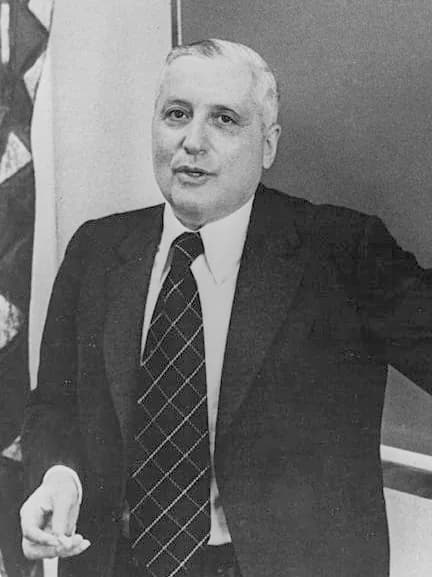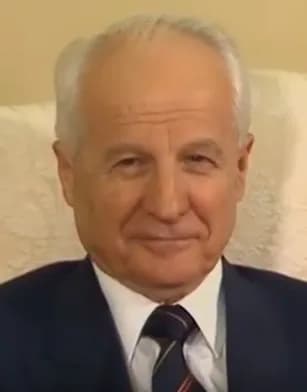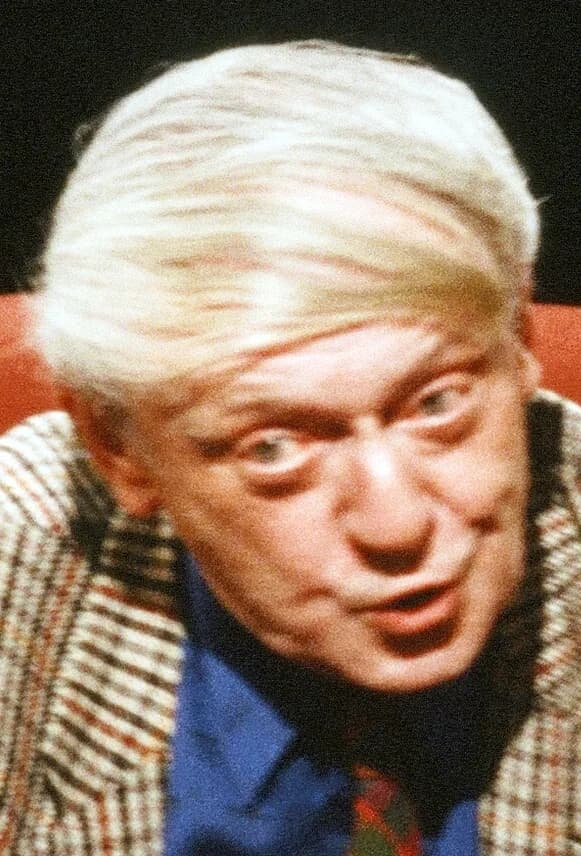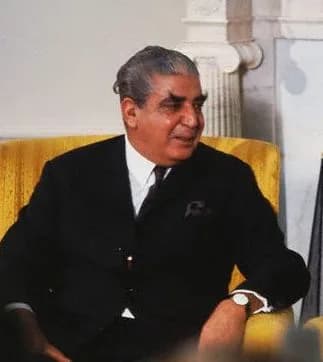
Geboren
December 21, 1917
Cologne, Germany
Overleden
July 16, 1985
Langenbroich, Germany
Bekend om
German writer
Heinrich Böll (1917–1985) was Germany best known for German writer.
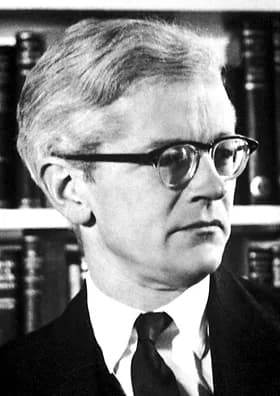
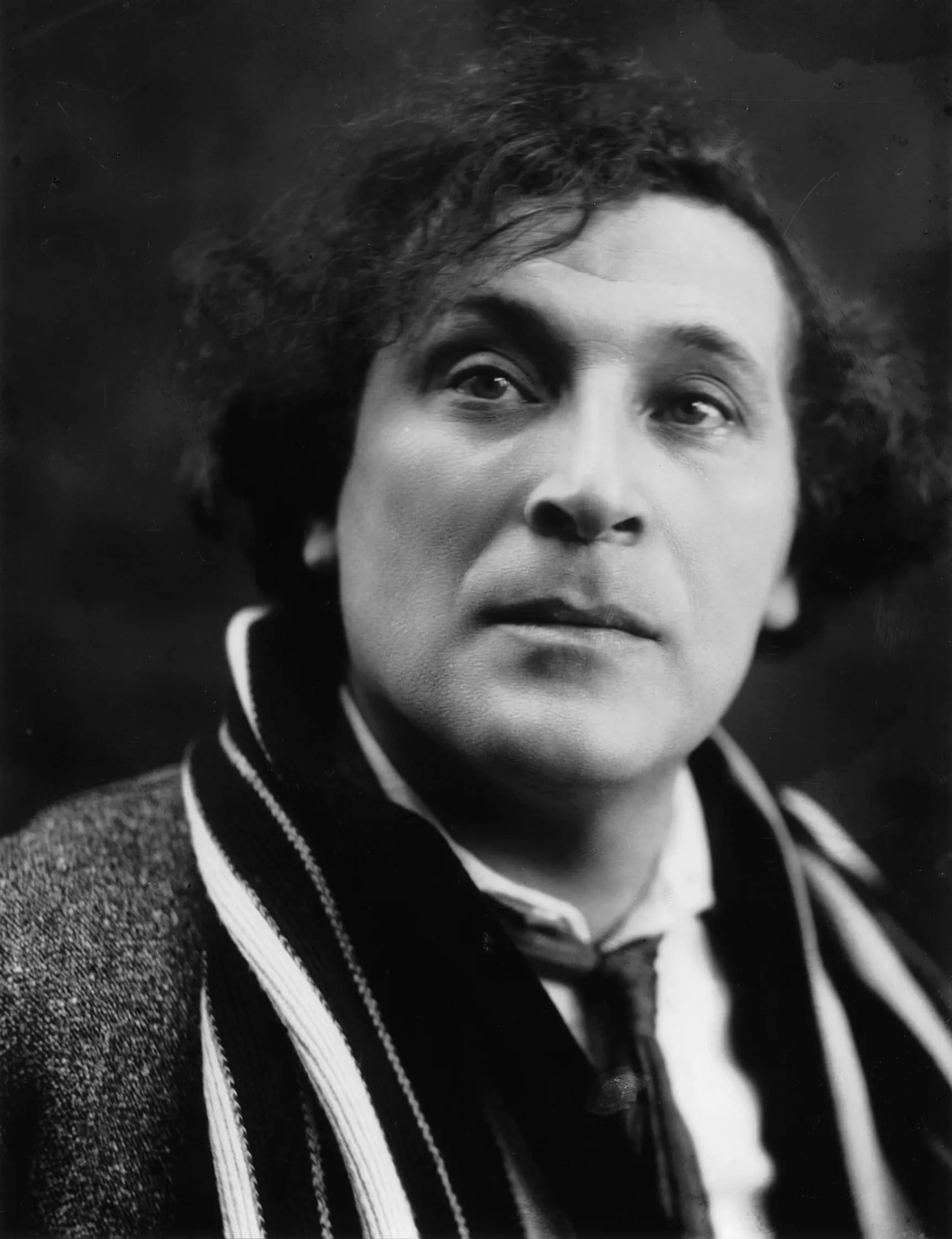
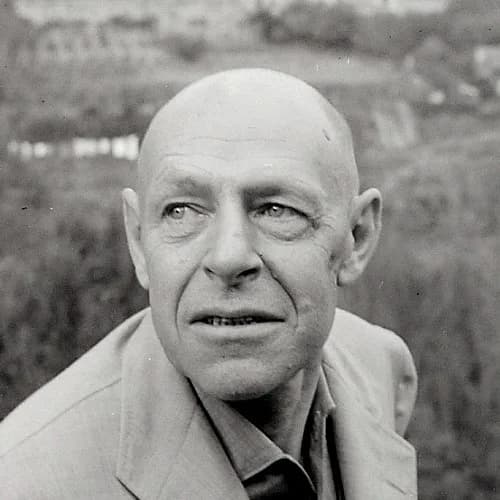
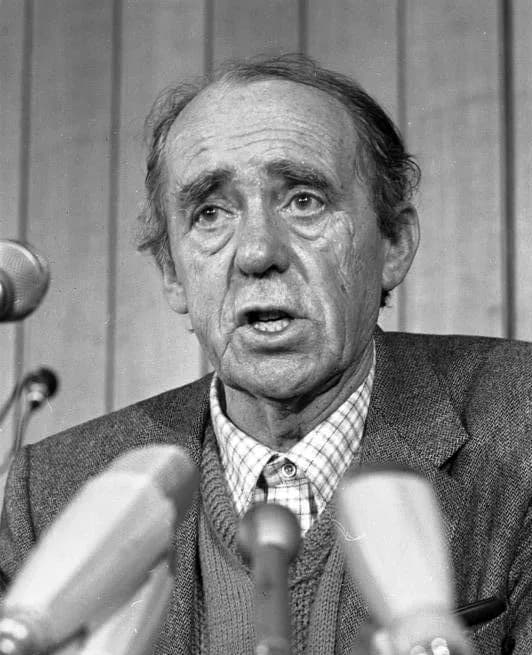
Heinrich Böll (December 21, 1917 – July 16, 1985) was a German writer from Cologne. He was one of Germany's foremost post-World War II writers, receiving the Georg Büchner Prize and the Nobel Prize for Literature. His work significantly contributed to the renewal of German literature.
Een leven in momenten
De momenten die een leven hebben gevormd
Hoofdstuk
Levenshoofdstukken
Hoofdstuk 1 · 1917· Hoofdstuk 1 van 8
Opening
Heinrich Böll, born December 21, 1917, and who passed away on July 16, 1985, stands as one of Germany's most important writers. A novelist, screenwriter, poet, and translator, he profoundly shaped post-World War II German literature. His works offered a broad perspective on his time and showcased a sensitive skill in characterization.
Hoofdstuk 2 · 1917· Hoofdstuk 2 van 8
Early Life and Origins
Heinrich Theodor Böll was born in Cologne, Germany, on December 21, 1917. This vibrant city in Germany was his birthplace, laying the foundation for his life and eventual literary career. His early years in Cologne undoubtedly influenced his understanding of German society and its complexities.
Hoofdstuk 3· Hoofdstuk 3 van 8
Career Beginnings
Böll emerged as a significant voice in the aftermath of World War II, contributing to the literary landscape of a nation in recovery. He is widely considered one of Germany's foremost post-war writers. His dedication to his craft saw him engage in various forms of writing, including being a lyricist and a public figure.
Hoofdstuk 4 · 1967· Hoofdstuk 4 van 8
Major Achievements and Career Highlights
Throughout his career, Heinrich Böll garnered significant recognition for his literary contributions. He was honored with the prestigious Georg Büchner Prize in 1967, a testament to his growing influence and critical acclaim. This award acknowledged his impactful work and his standing among German literary figures.
A crowning achievement came in 1972 when he was awarded the Nobel Prize for Literature. The Nobel Committee cited his writing "for his writing which through its combination of a broad perspective on his time and a sensitive skill in characterization has contributed to a renewal of German literature." This global recognition solidified his place as a literary giant.
Hoofdstuk 5· Hoofdstuk 5 van 8
Personal Life
While the details of Heinrich Böll's personal life are not extensively provided in the available information, his public role as a writer and translator suggests a life dedicated to literature and intellectual pursuits. His focus remained on conveying the human experience through his varied works.
Hoofdstuk 6· Hoofdstuk 6 van 8
Notable Works or Contributions
Heinrich Böll's bibliography includes a range of compelling works that explored the human condition and the realities of post-war Germany. Among his notable titles are "איפה היית אדם?", "Zur Ruhe kam der Baum des Menschen nie", "Engel, wenn du ihn suchst", and "Lettres de guerre". These works often delved into the moral and social issues of his era.
His literary output further encompassed titles such as "UdSSR", "Der Wegwerfer", "Als der Krieg ausbrach", and "Schalom". Beyond novels, Böll's versatility was evident in his roles as a screenwriter, poet, and translator, showcasing a broad creative spectrum. His writings continually offered unique insights into the world around him.
Hoofdstuk 7 · 1985· Hoofdstuk 7 van 8
Later Years
Heinrich Böll continued his literary endeavors into his later years, maintaining his position as a respected intellectual and artist. He passed away on July 16, 1985, in Langenbroich, Germany. His death marked the end of an era for German literature, leaving behind a profound body of work.
Hoofdstuk 8· Hoofdstuk 8 van 8
Legacy and Impact
Heinrich Böll's impact on German literature, and indeed on world literature, is undeniable. He is remembered as one of Germany's foremost post–World War II writers, whose voice captured the spirit and struggles of his generation. His commitment to truthful storytelling resonated deeply with readers and critics alike.
His Nobel Prize citation specifically noted his contribution to "a renewal of German literature." Through his unique combination of perspective and characterization, Böll left an enduring legacy. His works continue to be studied and celebrated for their relevance and literary merit, ensuring his place in history.
Veelgestelde vragen
Veelgestelde vragen
Wanneer is Heinrich Böll overleden?
Heinrich Böll overleed op 16 juli 1985 in Langenbroich, Germany op 67-jarige leeftijd.
Waar werd Heinrich Böll geboren?
Heinrich Böll werd geboren in Cologne, Germany op 21 december 1917.
Waar is Heinrich Böll het meest bekend om?
Heinrich Böll is het meest bekend om German writer.
Hoe oud was Heinrich Böll bij overlijden?
Heinrich Böll was 67 jaar oud op het moment van overlijden.
Wat was de nationaliteit van Heinrich Böll?
Heinrich Böll kwam uit Germany.
Tijdlijn
Een leven in een oogopslag
Fotogalerij
Een leven in beelden
Klik op een polaroid om uit te vergroten · 47 foto's
QR-code
Deel deze biografie
Afdrukken en delen
Scan om deze biografiepagina te bezoeken. Druk af voor evenementen, tentoonstellingen of educatief materiaal.