Geboren
July 11, 1888
Plettenberg, Germany
Overleden
April 7, 1985
Plettenberg, Germany
Bekend om
German jurist, political theorist and professor of law
Carl Schmitt (1888–1985) was Germany best known for German jurist, political theorist and professor of law.
Carl Schmitt (July 11, 1888 – April 7, 1985) was a German jurist, political theorist, and professor of law. He was noted as an authoritarian conservative theorist, a critic of parliamentary democracy, liberalism, and cosmopolitanism. His extensive work profoundly shaped 20th-century political thought.
Hoofdstuk
Levenshoofdstukken
Hoofdstuk 1 · 1888· Hoofdstuk 1 van 6
Early Life and Origins
Carl Schmitt was born on July 11, 1888, in Plettenberg, a town located within Germany. His early life in imperial Germany provided the backdrop for his formative intellectual development. He pursued a rigorous academic path that would ultimately lead him to prominence as a scholar and a public intellectual. This period of his life was crucial for the development of his foundational legal and philosophical interests.
Hoofdstuk 2· Hoofdstuk 2 van 6
Career Beginnings
Schmitt began his professional journey as a jurist, laying the groundwork for his extensive later work. He eventually became a distinguished professor of law, a role that allowed him to shape generations of legal scholars. This foundational period in legal academia established him as an authority in constitutional and international law. Beyond his academic work, he also took on roles as a politician and geopolitical analyst, broadening his influence.
Hoofdstuk 3· Hoofdstuk 3 van 6
Major Achievements and Career Highlights
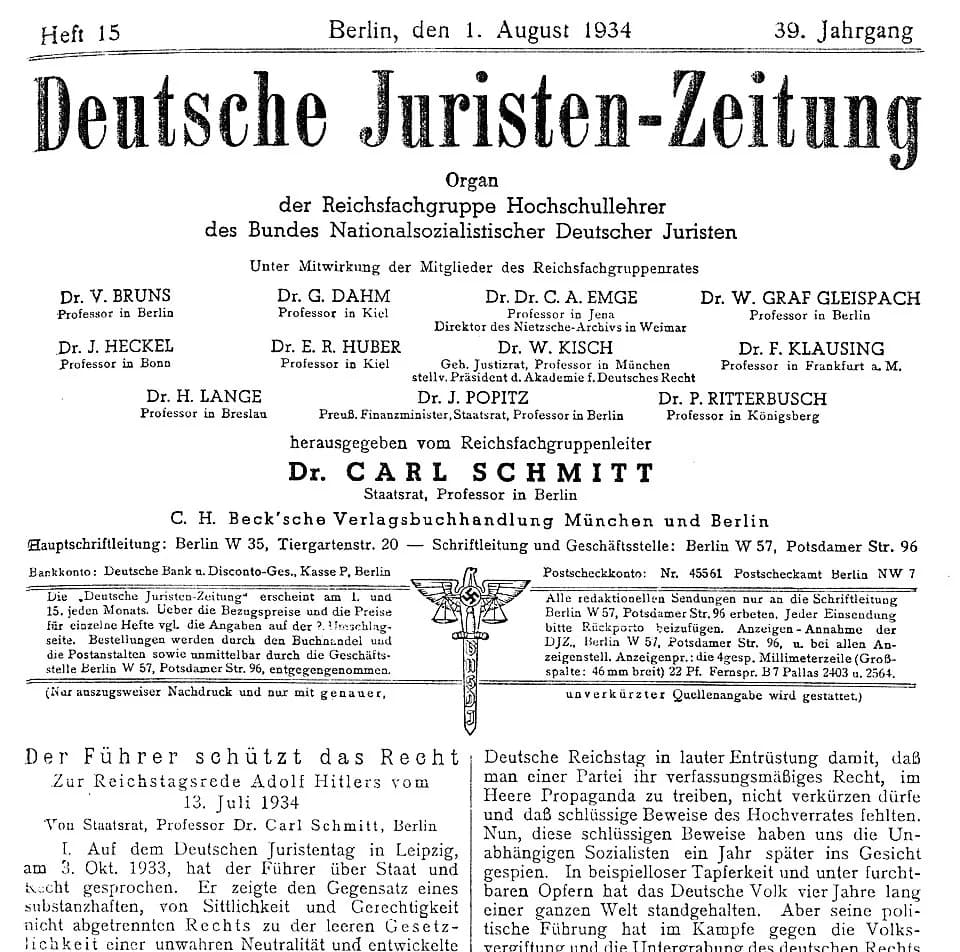
Throughout his long career, Carl Schmitt established himself as a leading authoritarian conservative theorist. His intellectual output consistently challenged dominant political paradigms. A significant highlight was his sustained criticism of parliamentary democracy, questioning its efficacy and legitimacy. He further made a name for himself through his sharp analyses and critiques of liberalism. This included scrutinizing its emphasis on individual rights and universal principles. Schmitt also targeted cosmopolitanism, arguing for the importance of distinct national and state identities over universalistic ideals. These critical stances defined much of his scholarly work.
Hoofdstuk 4· Hoofdstuk 4 van 6
Notable Works or Contributions
Schmitt's primary contributions were his profound theoretical explorations, which often took the form of detailed critiques. As a political theorist, he extensively explored concepts such as sovereignty, the political, and the exception. His writings presented compelling arguments that challenged the conventional understandings of constitutional law and international relations. He specifically offered detailed arguments against the foundational principles of parliamentary governance. Moreover, his work provided a powerful counter-narrative to liberal political thought. These contributions continue to be studied for their intellectual rigor and challenging perspectives.
Hoofdstuk 5 · 1985· Hoofdstuk 5 van 6
Later Years
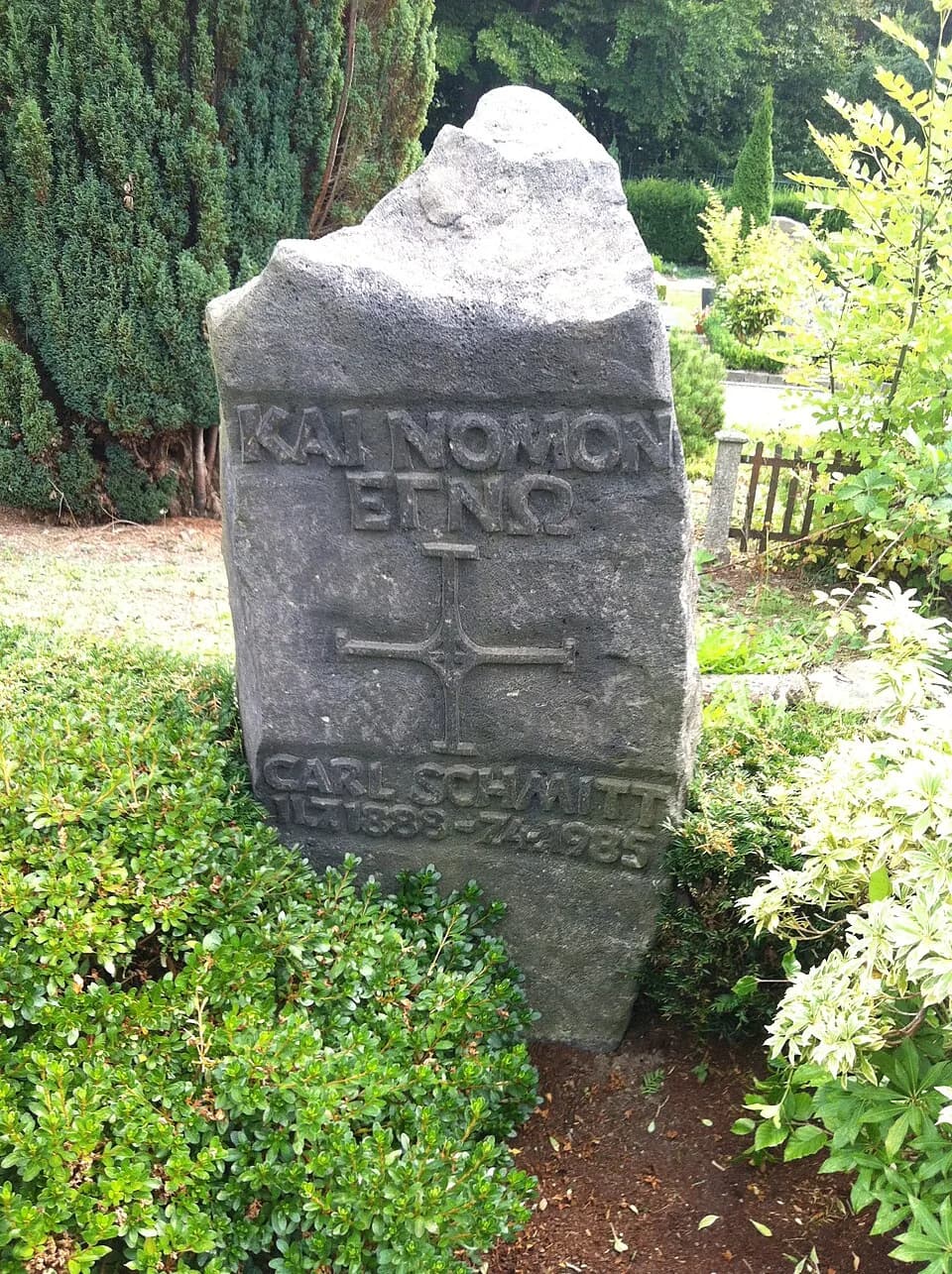
Carl Schmitt lived a long and intellectually active life, passing away on April 7, 1985. He died in his hometown of Plettenberg, Germany, where his life's journey had begun almost a century prior. His final years were spent in Plettenberg, bringing his life full circle from his birth in the same town in 1888. Even in his advanced age, his published works and ideas remained subjects of intense academic and political discussion, demonstrating their enduring relevance.
Hoofdstuk 6· Hoofdstuk 6 van 6
Legacy and Impact
The legacy of Carl Schmitt is a subject of ongoing academic debate and discussion within various disciplines. His incisive work as a jurist, political theorist, and geopolitical analyst left an undeniable mark on 20th-century thought. Schmitt's influential critiques of parliamentary democracy, liberalism, and cosmopolitanism continue to be essential reference points. His ideas have shaped discussions in political science, legal theory, and philosophy, prompting scholars to reconsider foundational concepts of state and power. He remains a controversial but undeniably significant figure whose contributions require careful study.
Een leven in momenten
De momenten die een leven hebben gevormd



Veelgestelde vragen
Veelgestelde vragen
Wanneer is Carl Schmitt overleden?
Carl Schmitt overleed op 7 april 1985 in Plettenberg, Germany op 96-jarige leeftijd.
Waar werd Carl Schmitt geboren?
Carl Schmitt werd geboren in Plettenberg, Germany op 11 juli 1888.
Waar is Carl Schmitt het meest bekend om?
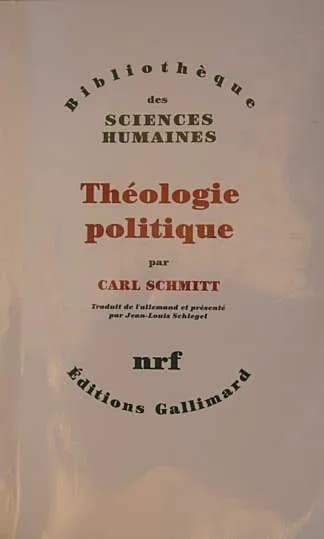
Carl Schmitt is het meest bekend om German jurist, political theorist and professor of law.
Hoe oud was Carl Schmitt bij overlijden?
Carl Schmitt was 96 jaar oud op het moment van overlijden.
Wat was de nationaliteit van Carl Schmitt?
Carl Schmitt kwam uit Germany.
Tijdlijn
Een leven in een oogopslag
Fotogalerij
Een leven in beelden
Klik op een polaroid om uit te vergroten · 48 foto's
QR-code
Deel deze biografie
Afdrukken en delen
Scan om deze biografiepagina te bezoeken. Druk af voor evenementen, tentoonstellingen of educatief materiaal.