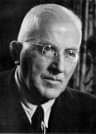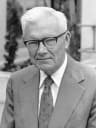
Nascita
December 17, 1908
Grand Valley, United States
Morte
September 8, 1980
Los Angeles, United States
Conosciuto per
American physical chemist
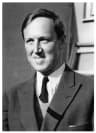
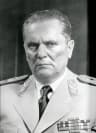
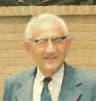
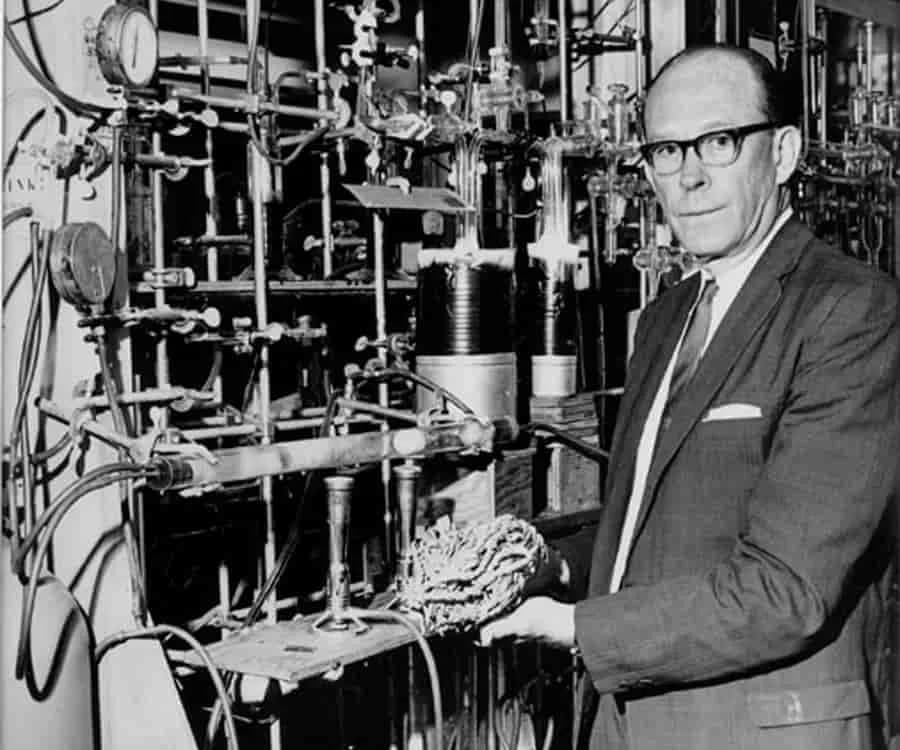
Willard Libby (1908–1980) was United States best known for American physical chemist.
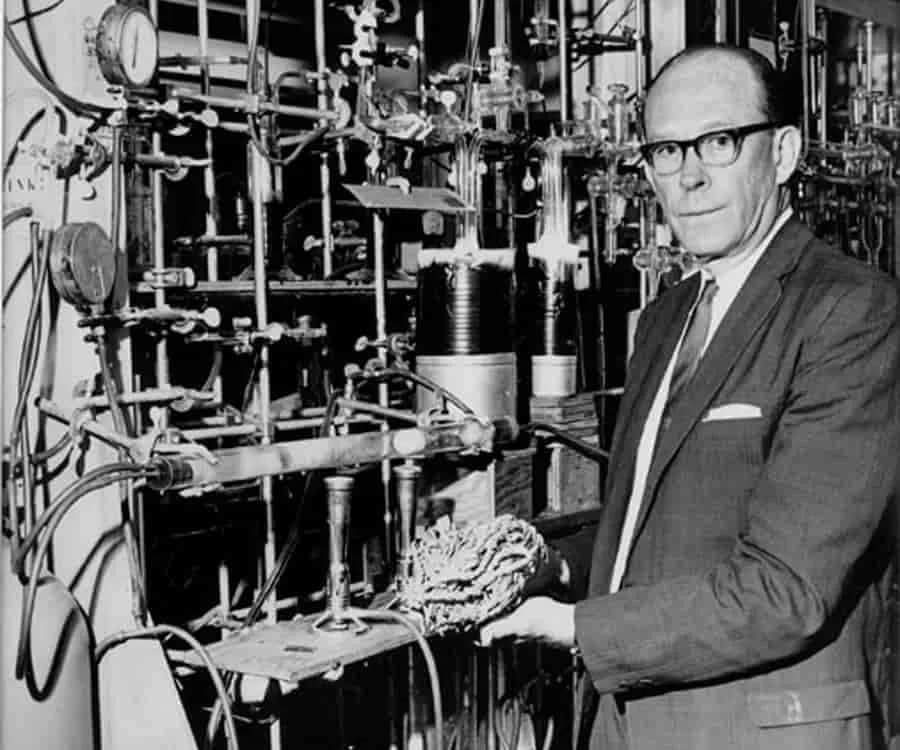
Willard Frank Libby (December 17, 1908 – September 8, 1980) was an American physical chemist from Grand Valley, United States. He is renowned for developing radiocarbon dating, a process that revolutionized archaeology and palaeontology. His work earned him the Nobel Prize in Chemistry in 1960 and continues to shape historical understanding.
Capitolo
Capitoli di vita
Capitolo 1 · 1908· Capitolo 1 di 7
Early Life and Origins
Willard Libby was born on December 17, 1908, in Grand Valley, United States. Details of his early childhood and family life are not extensively provided in the available records. His formative years likely cultivated an early interest in the sciences, ultimately guiding him towards a distinguished career as a chemist and university teacher. This foundational period set the stage for his later scientific triumphs.
Capitolo 2· Capitolo 2 di 7
Career Beginnings
Libby's professional journey commenced within the academic and scientific communities, where he dedicated himself to the field of chemistry. He established himself as a respected university teacher, sharing his knowledge and inspiring future generations of scientists. While specific early roles are not detailed, this period of rigorous study and instruction prepared him for the significant research that would define his legacy. He steadily built the expertise necessary for his significant discoveries.
Capitolo 3 · 1949· Capitolo 3 di 7
Major Achievements and Career Highlights
The defining moment in Willard Libby's career arrived with his integral role in the 1949 development of radiocarbon dating. This ingenious process, also known as carbon-14 dating, enabled scientists to accurately determine the age of ancient organic matter. Its introduction revolutionized archaeology and palaeontology, offering unprecedented clarity on past civilizations and ecosystems. For this monumental achievement, which forever altered historical research, Libby was awarded the Nobel Prize in Chemistry in 1960.
Capitolo 4· Capitolo 4 di 7
Personal Life
Information pertaining to Willard Libby's personal life, including details about his family and hobbies outside of his scientific endeavors, is not extensively documented in the provided biographical summaries. His public persona was largely defined by his exceptional scientific contributions and his role as a prominent academic. While private aspects of his life remain less known, his professional legacy is clear and enduring.
Capitolo 5 · 1981· Capitolo 5 di 7
Notable Works or Contributions
Beyond his Nobel-winning work, Willard Libby maintained a highly productive academic career, authoring 320 papers across various scientific topics. His h-index of 41 reflects the significant influence and recognition his published research garnered within the global scientific community. Though specific contexts for all works are not provided, titles such as "Talking to people" (1981) and "Geometrical Theory of Heterogeneous Catalysis and the Role of Tunneling Therein" (1981) illustrate his diverse research interests. These publications contributed broadly to physical chemistry and related fields.
Capitolo 6 · 2014· Capitolo 6 di 7
Later Years
Willard Libby continued to contribute to science and academia in his later years, building upon the foundational impact of radiocarbon dating. His insights remained valuable, evidenced by posthumous citations in works like "Passing of the Last of the Three Who Established 14C Dating: A Historical Footnote" (2014). He passed away on September 8, 1980, in Los Angeles, United States, concluding a life dedicated to scientific exploration. His intellectual contributions persisted long after his passing.
Capitolo 7· Capitolo 7 di 7
Legacy and Impact
Willard Libby's lasting legacy is inextricably linked to the method of radiocarbon dating, which remains a cornerstone of historical and archaeological research. This scientific tool continues to provide critical chronological frameworks for countless discoveries. It fundamentally reshaped disciplines by allowing scientists to accurately date artifacts, fossils, and environmental changes. His innovation ensures that our understanding of Earth's past is continually refined and expanded, making his influence truly enduring.
Una vita in momenti
I momenti che hanno plasmato una vita
FAQ
Domande frequenti
Quando è morto/a Willard Libby?
Willard Libby è morto/a il 8 settembre 1980 a Los Angeles, United States, all'età di 71 anni.
Dove è nato/a Willard Libby?
Willard Libby è nato/a a Grand Valley, United States il 17 dicembre 1908.
Per cosa è più conosciuto/a Willard Libby?
Willard Libby è più conosciuto/a per American physical chemist.
Quanti anni aveva Willard Libby al momento della morte?
Willard Libby aveva 71 anni al momento della morte.
Di che nazionalità era Willard Libby?
Willard Libby era originario/a di United States.
Cronologia
La vita in sintesi
Galleria fotografica
Una vita in immagini
Clicca su una polaroid per ingrandirla · 25 foto
Codice QR
Condividi questa biografia
Stampa e Condividi
Scansiona per visitare questa pagina biografica. Stampa per eventi, mostre o materiali didattici.