Nascita
October 27, 1782
Genoa, Italy
Morte
May 27, 1840
Nice, France
Conosciuto per
Italian violinist and composer
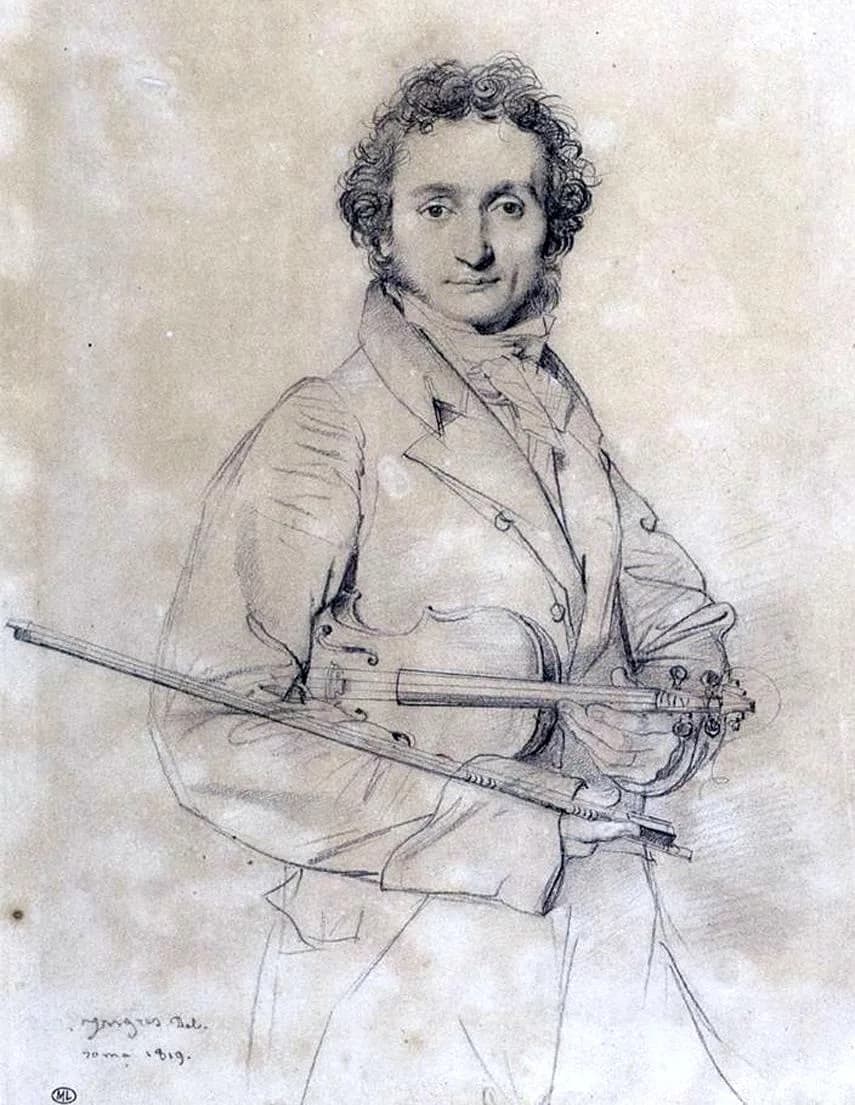
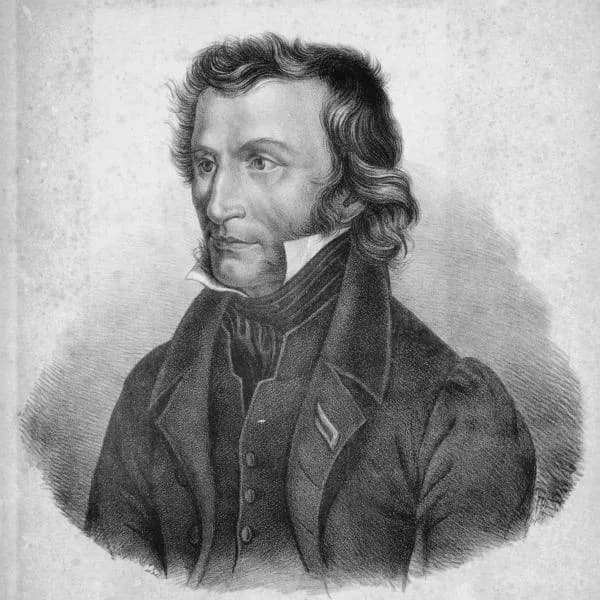
Niccolò Paganini (1782–1840) was Italy best known for Italian violinist and composer.
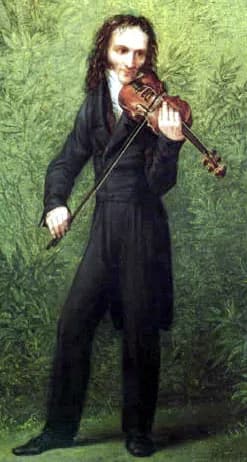
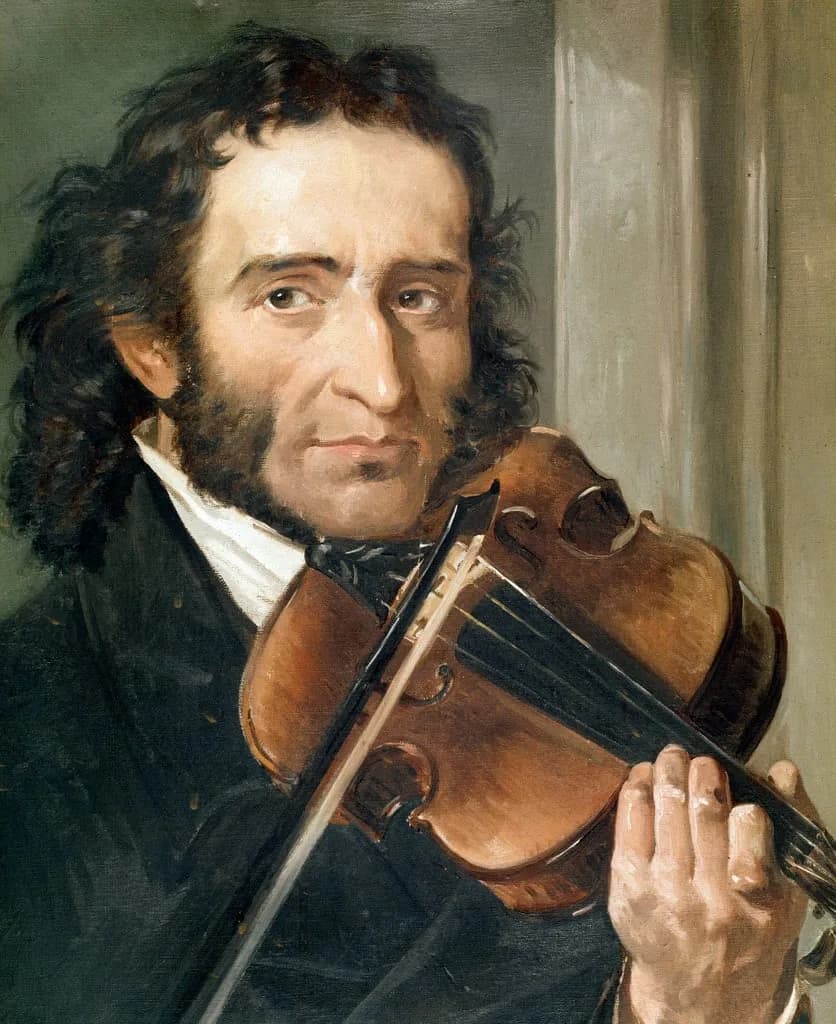
Niccolò Paganini (October 27, 1782 – May 27, 1840) was an Italian violinist and composer from Genoa, Italy. He was renowned as the most celebrated violin virtuoso of his era. His groundbreaking technique and compositions, like the 24 Caprices for Solo Violin, profoundly influenced classical music.
Una vita in momenti
I momenti che hanno plasmato una vita
Capitolo
Capitoli di vita
Capitolo 1 · 1782· Capitolo 1 di 6
Early Life and Origins
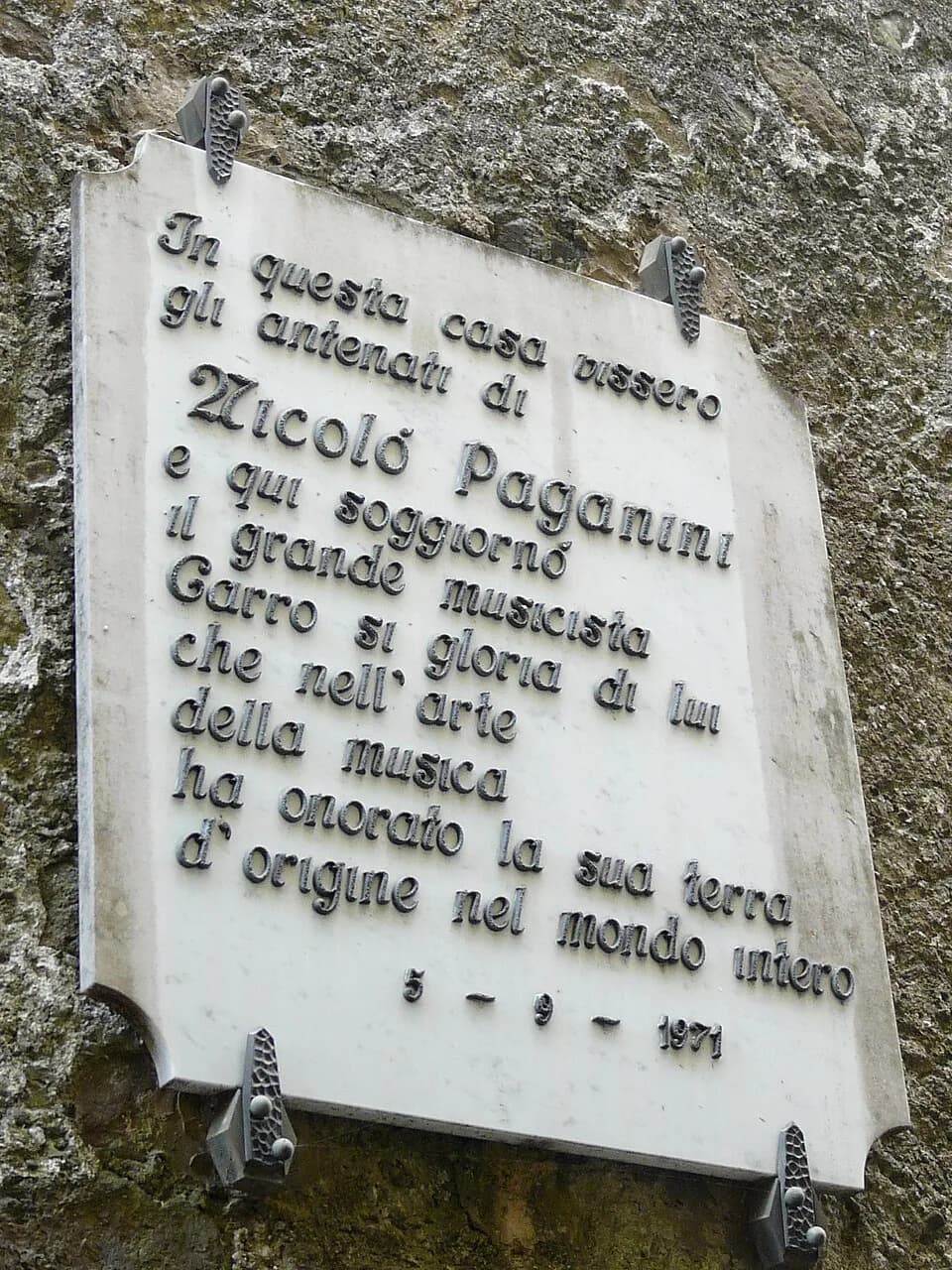
Niccolò Paganini was born on October 27, 1782, in Genoa, Italy. While specific details about his family and early upbringing are not extensively documented beyond his birthplace, Genoa served as the backdrop for the early development of his remarkable musical talents. It was in this vibrant Italian city that his journey toward becoming a world-renowned musician began.
Capitolo 2· Capitolo 2 di 6
Career Beginnings
Paganini’s exceptional skill on the violin became apparent early in his life. He quickly distinguished himself through his astonishing technique and innovative approach to the instrument. His early career saw him honing his craft, which would eventually lead him to captivate audiences across Europe with his unparalleled performances.
Capitolo 3· Capitolo 3 di 6
Major Achievements and Career Highlights
Throughout his career, Niccolò Paganini achieved international fame as an unmatched violin virtuoso. He set new standards for violin performance, pushing the boundaries of what was thought possible on the instrument. His technical mastery and expressive interpretations solidified his reputation as the most celebrated violinist of his era, influencing countless musicians and composers.
Among his significant accomplishments was his profound influence on modern violin technique. Paganini's innovative methods and demanding compositions required a new level of skill, permanently altering the approach to violin playing. He developed and popularized techniques that remain fundamental to classical violinists today.
Capitolo 4· Capitolo 4 di 6
Notable Works or Contributions
Paganini's compositional output is as significant as his performance artistry. His 24 Caprices for Solo Violin Op. 1 stand as some of his best-known works, challenging performers with their technical brilliance and musical depth. These caprices have inspired numerous prominent composers and continue to be a cornerstone of the violin repertoire.
His discography showcases a range of important works that highlight his compositional genius. Recordings such as "Violin Concerto no. 1, op. 6 / Cantabile, op. 17" from 1955 and "Paganini Caprices" from 1960 demonstrate the enduring appeal of his music. Later re-releases like the 2024 Stereo Remaster of his Concerto in One Movement further attest to his lasting influence in classical music.
Other notable recordings feature his "Concerto no. 1 in D major" and "Concerto per violino n°2 “La Campanella”", both frequently performed and recorded. These works, alongside pieces like "La Primavera" and "Non più mesta" from 1975, confirm his position as a prolific and influential classical composer.
Capitolo 5 · 1840· Capitolo 5 di 6
Later Years
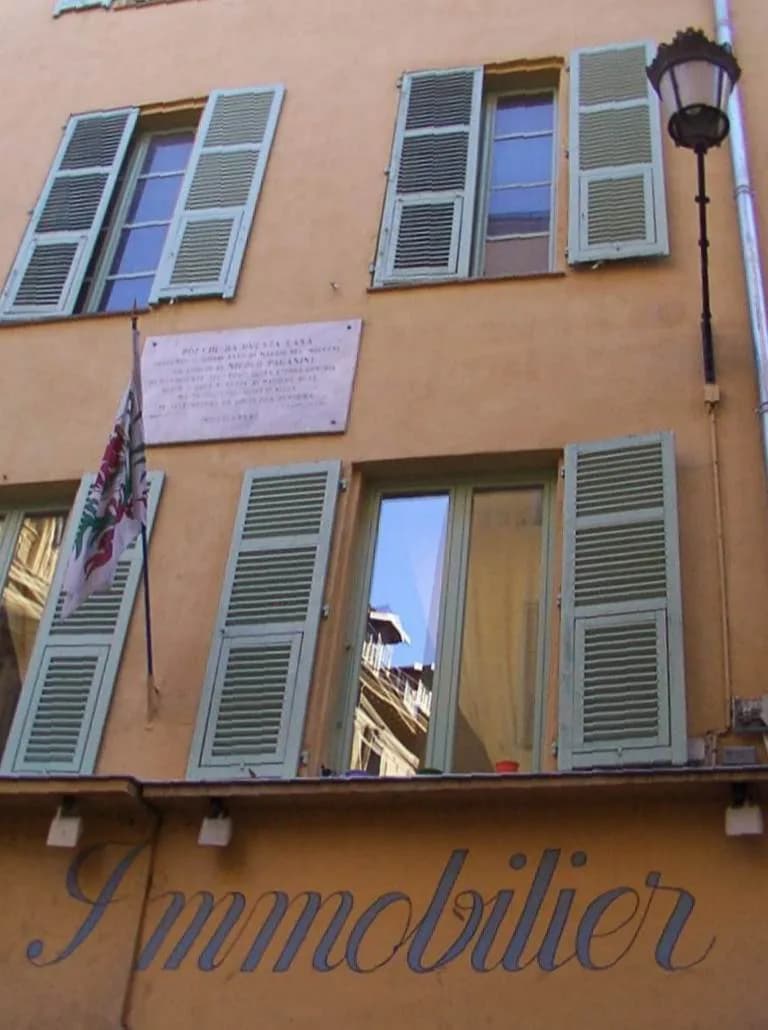
Niccolò Paganini's life journey concluded on May 27, 1840, in Nice, France. Even in his later years, his musical contributions continued to resonate, leaving an indelible mark on the world of classical music. His passing marked the end of an era for violin performance, but his spirit lived on through his compositions and the techniques he pioneered.
Capitolo 6· Capitolo 6 di 6
Legacy and Impact
Paganini's legacy extends far beyond his lifetime, shaping the course of classical music and violin playing. He redefined the capabilities of the violin, inspiring a new generation of composers and performers to explore the instrument's full potential. His innovative compositions and unparalleled virtuosity continue to challenge and inspire musicians worldwide.
His work remains a vital part of the classical repertoire, studied and performed by leading artists. The 24 Caprices for Solo Violin Op. 1, in particular, serve as a touchstone for violinists seeking to master the instrument. Niccolò Paganini is rightly remembered as a visionary whose impact on violin technique and classical composition is profound and enduring.
FAQ
Domande frequenti
Quando è morto/a Niccolò Paganini?
Niccolò Paganini è morto/a il 27 maggio 1840 a Nice, France, all'età di 57 anni.
Dove è nato/a Niccolò Paganini?
Niccolò Paganini è nato/a a Genoa, Italy il 27 ottobre 1782.
Per cosa è più conosciuto/a Niccolò Paganini?
Niccolò Paganini è più conosciuto/a per Italian violinist and composer.
Quanti anni aveva Niccolò Paganini al momento della morte?
Niccolò Paganini aveva 57 anni al momento della morte.
Di che nazionalità era Niccolò Paganini?
Niccolò Paganini era originario/a di Italy.
Cronologia
La vita in sintesi
Galleria fotografica
Una vita in immagini
Clicca su una polaroid per ingrandirla · 24 foto
Codice QR
Condividi questa biografia
Stampa e Condividi
Scansiona per visitare questa pagina biografica. Stampa per eventi, mostre o materiali didattici.