Nascita
April 20, 1808
Paris, France
Morte
January 9, 1873
Chislehurst, United Kingdom
Conosciuto per
President of the Second French Republic, Emperor of the Second French Empire and last monarch of France
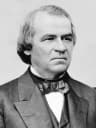
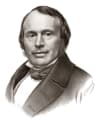
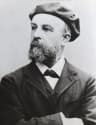
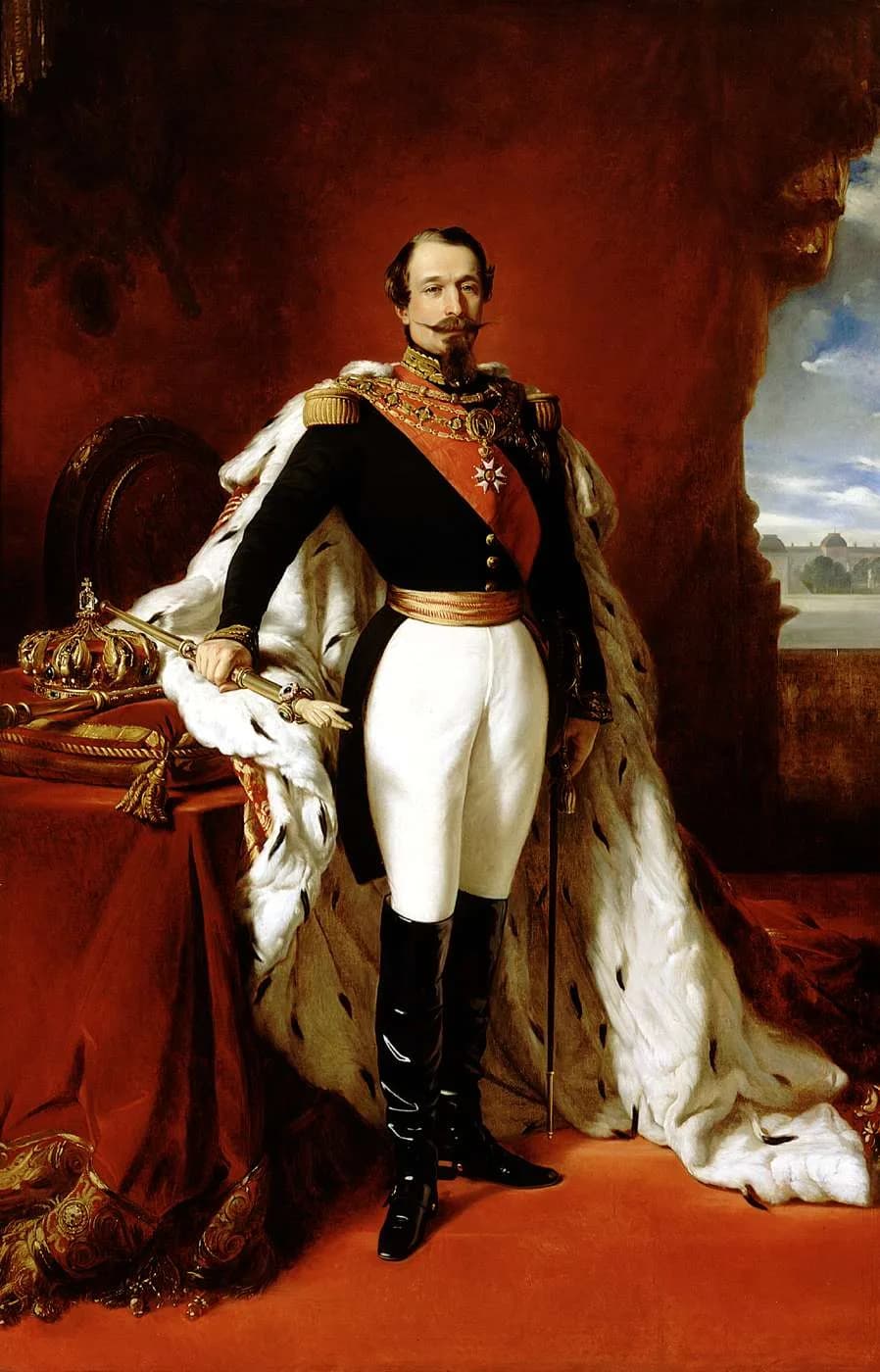
Napoleon III (1808–1873) was France best known for President of the Second French Republic, Emperor of the Second French Empire and last monarch of France.
Napoleon III (April 20, 1808 – January 9, 1873) was a writer and politician from France. He served as President of the Second French Republic and Emperor of the Second French Empire, becoming the last monarch of France. His reign saw rapid industrialization and expansion of French influence in world politics.
Capitolo
Capitoli di vita
Capitolo 1 · 1808· Capitolo 1 di 8
Opening
Today, we remember Napoleon III (1808–1873), a significant figure in French history. Born Louis-Napoleon Bonaparte, he was a distinguished writer and influential politician. His career saw him serve as President of the Second French Republic before ascending to become Emperor of the Second French Empire, ultimately holding the distinction of being the last monarch of France.
Capitolo 2 · 1808· Capitolo 2 di 8
Early Life and Origins
Napoleon III was born on April 20, 1808, in the vibrant city of Paris, France. His birth into the Bonaparte family set the stage for his future involvement in French politics and his aspiration to restore imperial grandeur.
He was the son of Louis Bonaparte, who briefly served as the King of Holland. Crucially, he was also the nephew of Napoleon, the renowned Emperor of the French. This direct lineage provided him with a strong connection to France's imperial past and a claim to its future.
Capitolo 3 · 1848· Capitolo 3 di 8
Career Beginnings
Napoleon III embarked on his political journey with ambition and strategic foresight. He successfully entered the political arena following the 1848 revolution.
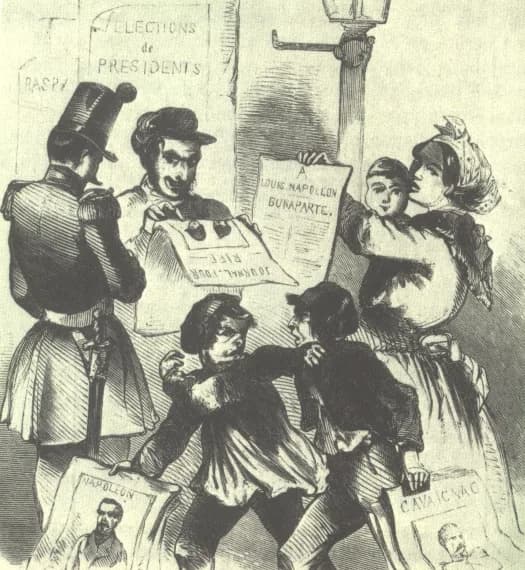
In 1848, he was elected as the first President of the Second French Republic. This initial role as head of state allowed him to consolidate power and establish a foundation for his future imperial aspirations, marking a pivotal moment in his career.
Capitolo 4 · 1848· Capitolo 4 di 8
Major Achievements and Career Highlights
His tenure as President of France spanned from 1848 to 1852. Following this presidential term, he engineered the creation of the Second French Empire in 1852, declaring himself Emperor of the French, a position he held until his deposition in 1870.
Napoleon III served as France's head of state for a remarkable 22 years. This long period made him the longest-reigning French head of state since the end of the ancien régime, a testament to his enduring presence in French leadership.
During his reign, France experienced a period of significant progress and renewed influence. The Second French Empire saw rapid industrialization across the nation, alongside a rapid expansion of vital infrastructure. France's standing in world politics also rose considerably after several preceding decades of instability, showcasing his impact on national development.
Capitolo 5· Capitolo 5 di 8
Personal Life
Born into the illustrious Bonaparte family, Napoleon III's personal background was intrinsically linked to European royalty and statesmanship. His father, Louis Bonaparte, held the title of King of Holland, and he was famously the nephew of the legendary Napoleon, Emperor of the French.
While the provided information primarily focuses on his public life and political career, his family connections underscore the environment in which he was raised. This heritage undoubtedly shaped his worldview and his aspirations for France.
Capitolo 6· Capitolo 6 di 8
Notable Works or Contributions
Beyond his political and imperial duties, Napoleon III also distinguished himself as a writer. His intellectual pursuits offered another dimension to his public persona.
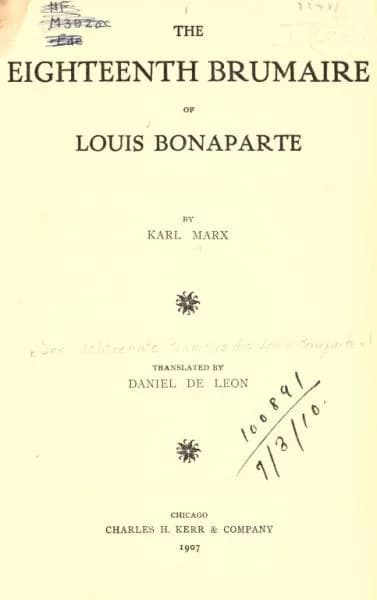
Among his notable literary contributions are scholarly works focusing on historical figures. These include "History of Julius Caesar. Volume 1" and "History of Julius Caesar. Volume 2," demonstrating his interest in classical history and his ability to articulate complex narratives.
Capitolo 7 · 1870· Capitolo 7 di 8
Later Years
Napoleon III's reign as Emperor came to an end with his deposition in 1870. This event marked a significant turning point in both his life and French history, leading to the establishment of the Third Republic.
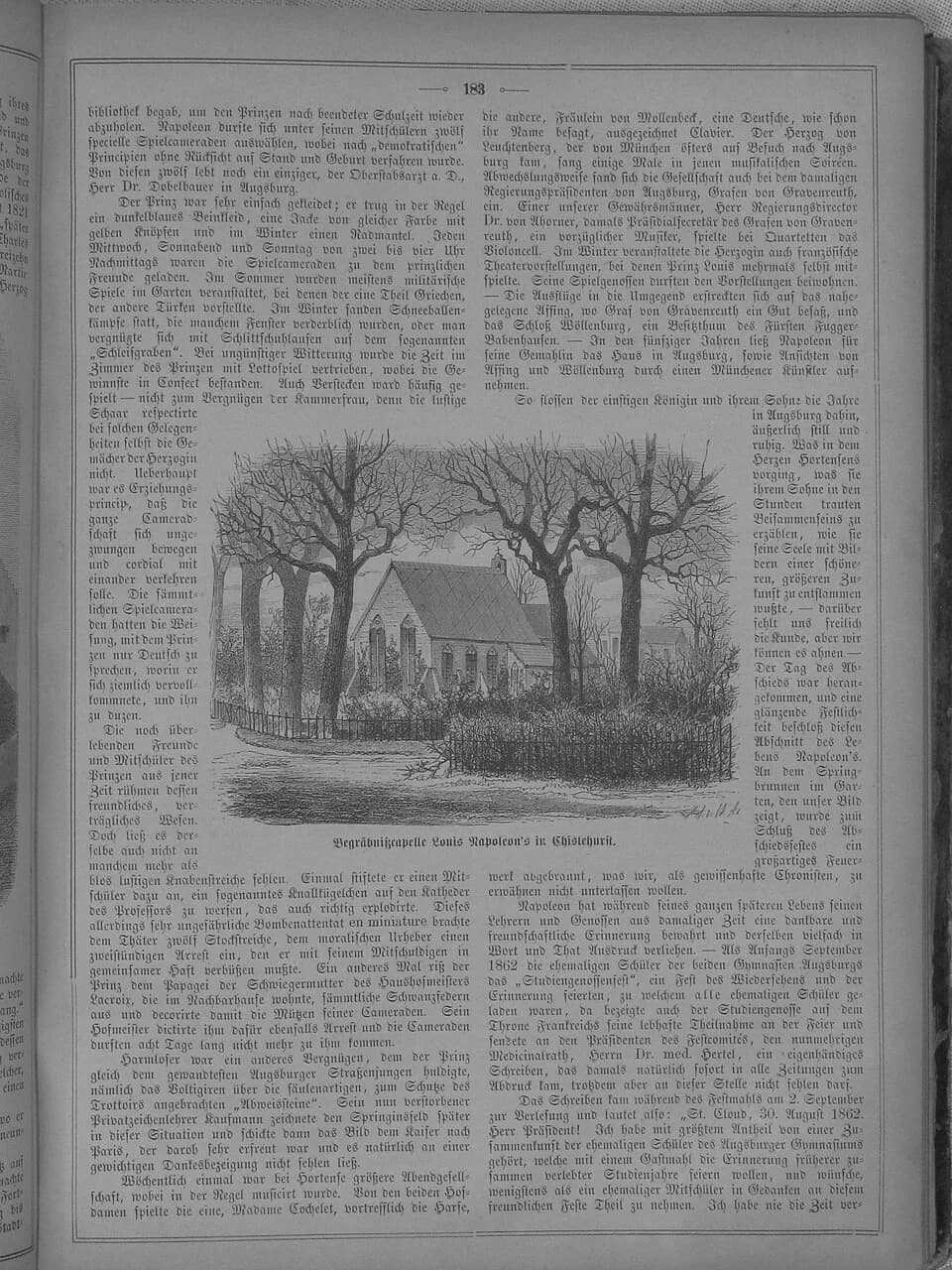
He passed away on January 9, 1873, in Chislehurst, United Kingdom. His death brought to a close the life of a leader who left an undeniable mark on France during a period of considerable change and modernization.
Capitolo 8· Capitolo 8 di 8
Legacy and Impact
Napoleon III's legacy is defined by his ambitious modernization efforts and his restoration of France's international standing. His reign introduced a period of stability and economic growth, fostering significant advancements in industry and public works across the country.
As the last monarch of France, his rule concludes a distinct chapter in the nation's political evolution. His impact continues to be studied and debated, highlighting his enduring relevance in understanding the trajectory of French history.
Una vita in momenti
I momenti che hanno plasmato una vita
FAQ
Domande frequenti
Quando è morto/a Napoleon III?
Napoleon III è morto/a il 9 gennaio 1873 a Chislehurst, United Kingdom, all'età di 64 anni.
Dove è nato/a Napoleon III?
Napoleon III è nato/a a Paris, France il 20 aprile 1808.
Per cosa è più conosciuto/a Napoleon III?
Napoleon III è più conosciuto/a per President of the Second French Republic, Emperor of the Second French Empire and last monarch of France.
Quanti anni aveva Napoleon III al momento della morte?
Napoleon III aveva 64 anni al momento della morte.
Di che nazionalità era Napoleon III?
Napoleon III era originario/a di France.
Cronologia
La vita in sintesi
Galleria fotografica
Una vita in immagini
Clicca su una polaroid per ingrandirla · 50 foto
Codice QR
Condividi questa biografia
Stampa e Condividi
Scansiona per visitare questa pagina biografica. Stampa per eventi, mostre o materiali didattici.