Nascita
March 27, 1785
Versailles, France
Morte
June 8, 1795
Paris, France
Conosciuto per
heir of the French throne
Louis XVII of France (1785–1795) was France best known for heir of the French throne.
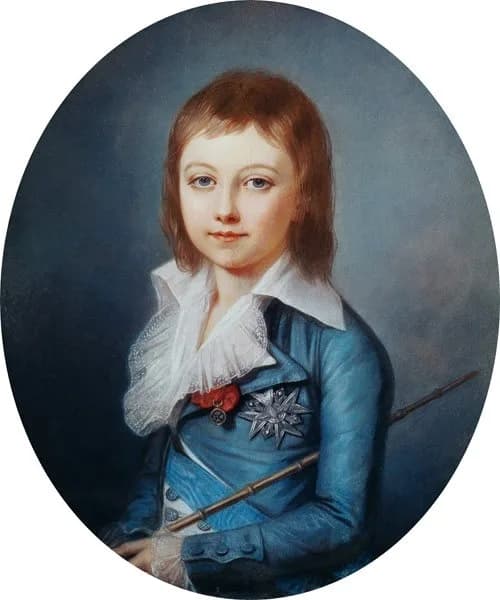
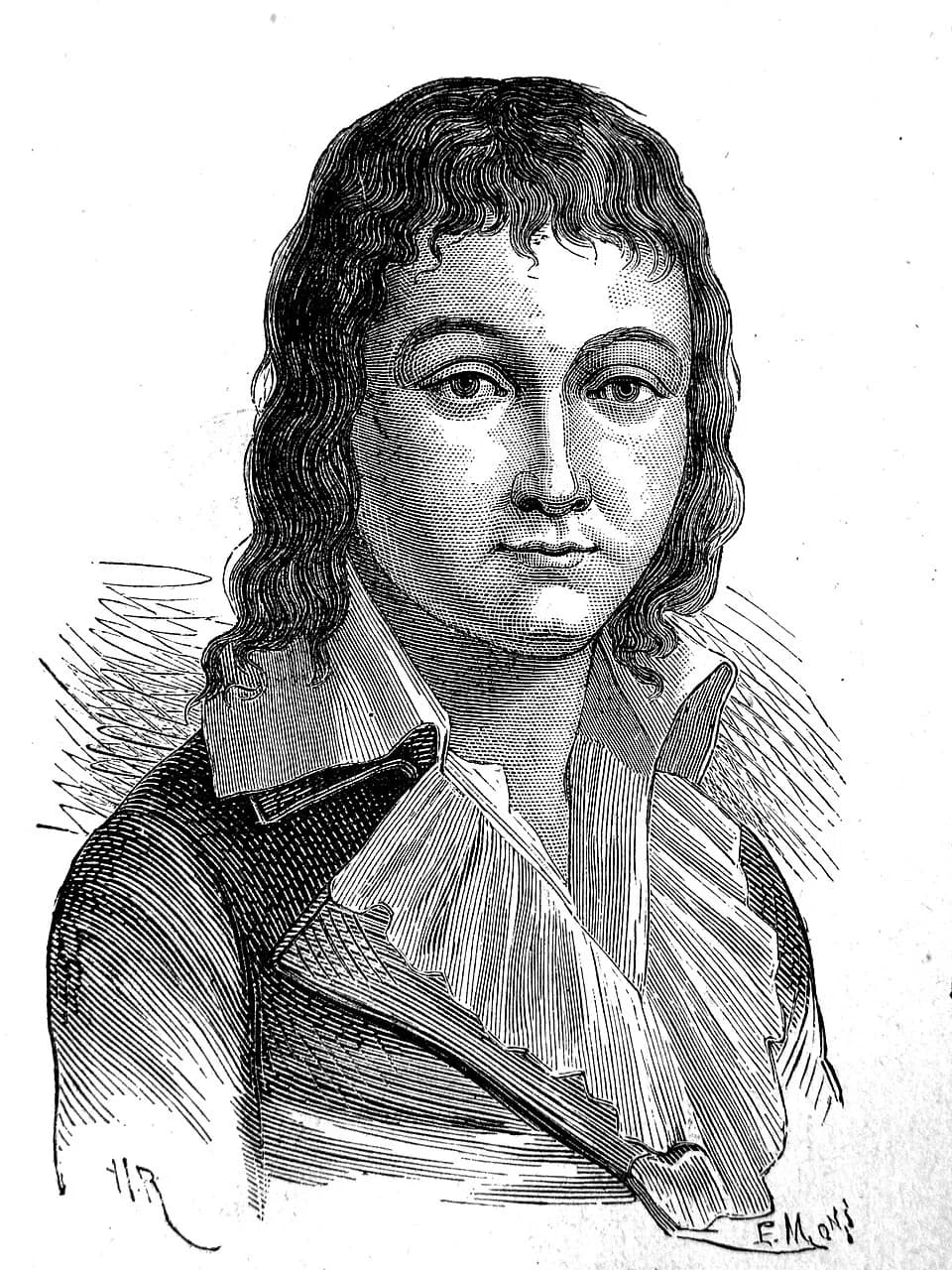
Louis XVII of France (March 27, 1785 – June 8, 1795) was a prince from Versailles, France. He became the heir to the French throne as Dauphin just before the French Revolution. His brief life made him a significant symbol during a turbulent period in French history.
Capitolo
Capitoli di vita
Capitolo 1 · 1785· Capitolo 1 di 6
Early Life and Origins
Louis Charles de France was born on March 27, 1785, in the opulent Palace of Versailles, France. He was the younger son of King Louis XVI and Queen Marie Antoinette, a lineage placing him at the very heart of French aristocracy. His early years would have been spent amidst the grandeur and strict protocols of the French royal court, a stark contrast to the fate that awaited him.
His family included an elder brother, Louis Joseph, who was the Dauphin of France and thus the direct heir to the throne. The young Louis Charles grew up under the watchful eyes of the court, learning the ways of royal life. His early childhood was marked by the presence of his immediate family, living a privileged existence within the palace walls.
Capitolo 2 · 1789· Capitolo 2 di 6
Becoming Dauphin and Prince Royal
A significant change occurred in Louis Charles’s life in June 1789, when his older brother, Louis Joseph, Dauphin of France, passed away. This event, happening just over a month before the onset of the French Revolution, instantly elevated Louis Charles to the position of the new Dauphin. This title designated him as the immediate heir to the French throne.
As the political climate in France intensified, constitutional changes began to reshape the monarchy. In 1791, a new constitution was adopted that altered the traditional royal titles. Under this new framework, the heir apparent, which was Louis Charles, was accorded the title of Prince Royal, reflecting a shift in the legal and political status of the monarchy.
Capitolo 3 · 1789· Capitolo 3 di 6
Life Amidst Revolution
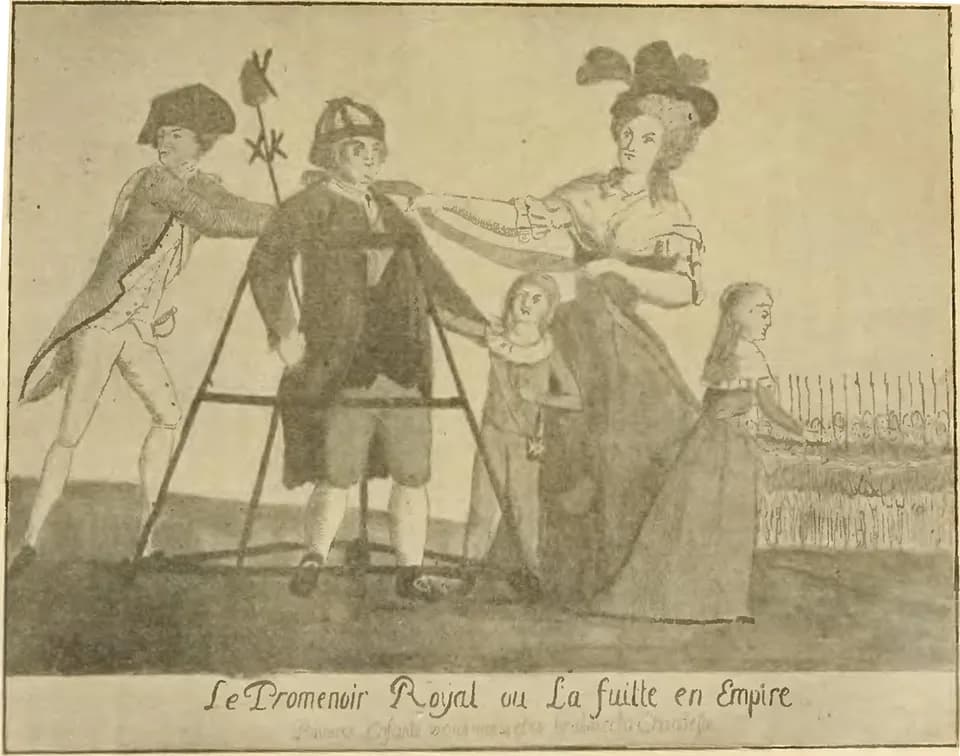
The period during which Louis XVII held the titles of Dauphin and later Prince Royal was one of immense upheaval for France. The French Revolution, which began in July 1789, fundamentally challenged the very existence of the monarchy. This volatile environment directly impacted the young prince and his family.
His status as the heir to the French throne, even under a changing constitution, placed him at the center of the revolutionary conflict. The royal family’s privileges and authority were systematically dismantled, and their lives became increasingly precarious. Louis XVII’s childhood was spent under the looming shadow of this national unrest.
Capitolo 4· Capitolo 4 di 6
His Symbolic Role
Despite his tender age and limited direct agency, Louis XVII’s position as the son of the king and queen made him a powerful symbol. For royalists, he represented the legitimate continuity of the French monarchy and the hope for its restoration. His existence, however tragic, was central to their aspirations during and after the Revolution.
His identity as the heir, first as Dauphin and then as Prince Royal, held profound weight in the political struggles of the time. He was not merely a child; he embodied a principle of hereditary succession that revolutionaries sought to abolish. This made him a figure around whom various factions could rally or oppose.
Capitolo 5· Capitolo 5 di 6
Later Years and Passing
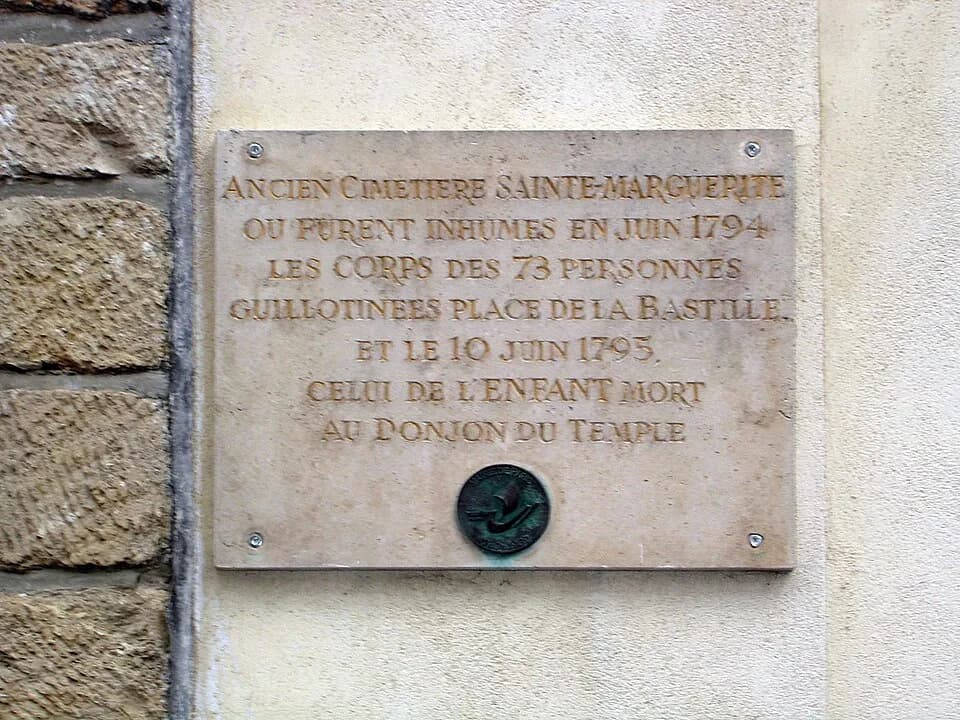
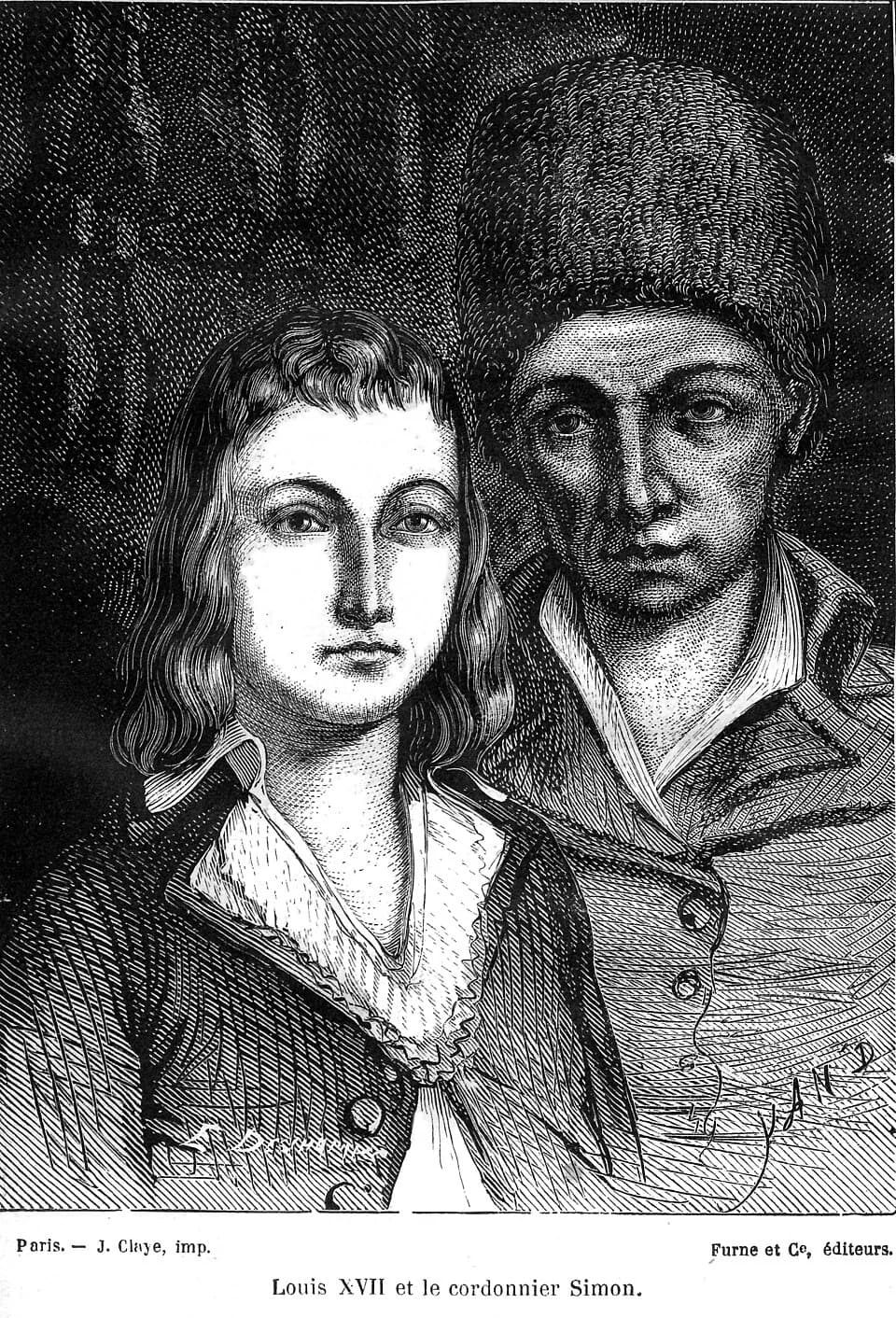
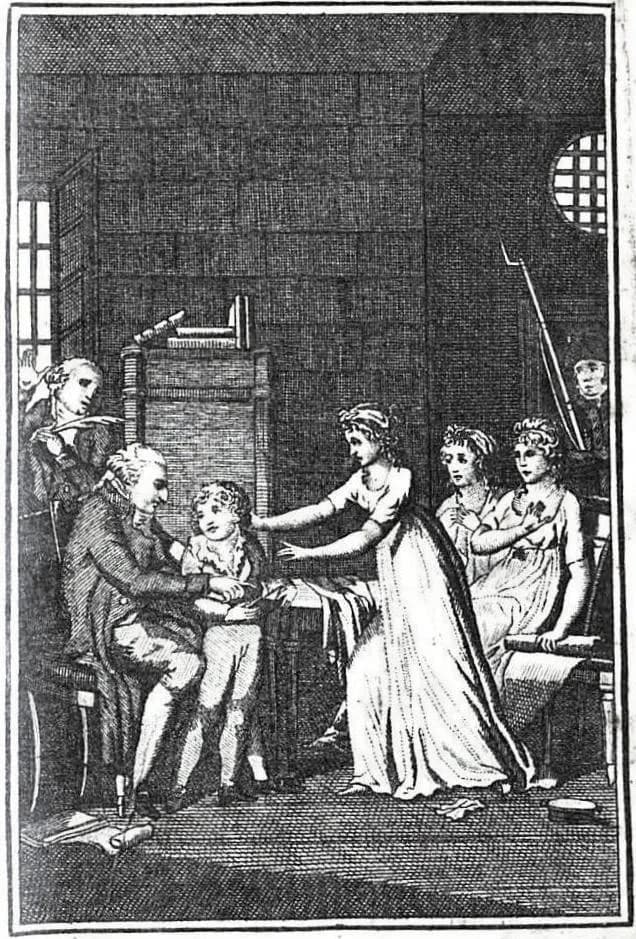
Louis XVII's life was tragically cut short, a victim of the tumultuous period in which he lived. Following the execution of his parents, he remained imprisoned, his health deteriorating under harsh conditions. His final years were spent in captivity in Paris.
He passed away on June 8, 1795, in Paris, France, at the young age of ten. His death marked a somber end to a life that had been defined by his royal birth and the subsequent downfall of the monarchy. The exact circumstances and details of his final days have been subjects of historical discussion.
Capitolo 6· Capitolo 6 di 6
Legacy and Lasting Impact
Louis XVII's legacy is primarily that of a tragic figure whose life was inseparable from the fate of the French monarchy during its most challenging period. Though he never truly reigned, his claim to the throne and his untimely death left a lasting mark on French history. He became a potent symbol for future generations of royalists and remains a subject of historical interest.
His story highlights the human cost of political revolution and the vulnerability of even the highest-born individuals during times of radical change. The memory of Louis XVII serves as a reminder of the dramatic shifts in power and ideology that shaped France, ensuring his name endures in historical narratives.
Una vita in momenti
I momenti che hanno plasmato una vita

FAQ
Domande frequenti
Quando è morto/a Louis XVII of France?
Louis XVII of France è morto/a il 8 giugno 1795 a Paris, France, all'età di 10 anni.
Dove è nato/a Louis XVII of France?
Louis XVII of France è nato/a a Versailles, France il 27 marzo 1785.
Per cosa è più conosciuto/a Louis XVII of France?
Louis XVII of France è più conosciuto/a per heir of the French throne.
Quanti anni aveva Louis XVII of France al momento della morte?
Louis XVII of France aveva 10 anni al momento della morte.
Di che nazionalità era Louis XVII of France?
Louis XVII of France era originario/a di France.
Cronologia
La vita in sintesi
Galleria fotografica
Una vita in immagini
Clicca su una polaroid per ingrandirla · 25 foto
Codice QR
Condividi questa biografia
Stampa e Condividi
Scansiona per visitare questa pagina biografica. Stampa per eventi, mostre o materiali didattici.