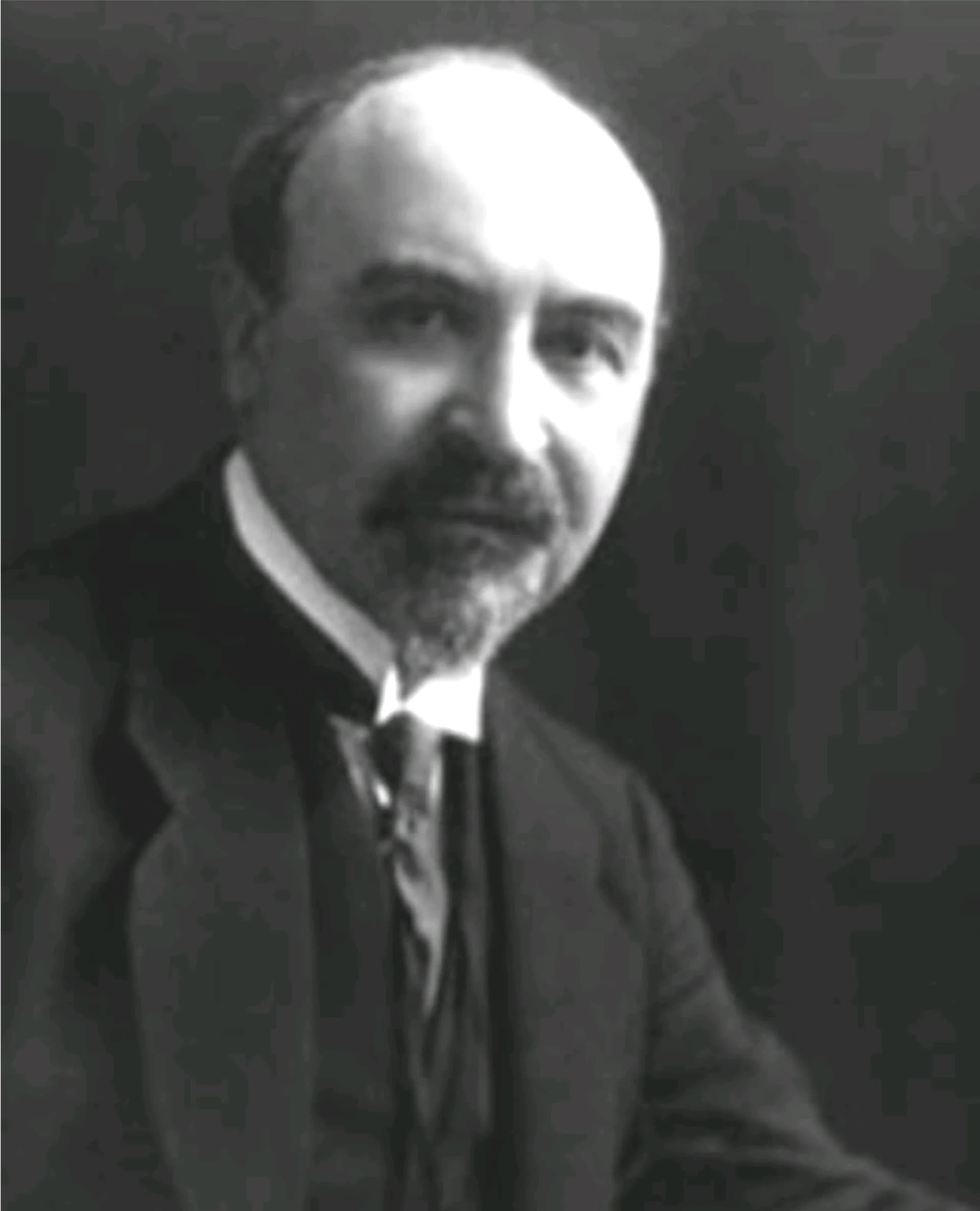
Nascita
November 14, 1863
Ghent, Belgium
Morte
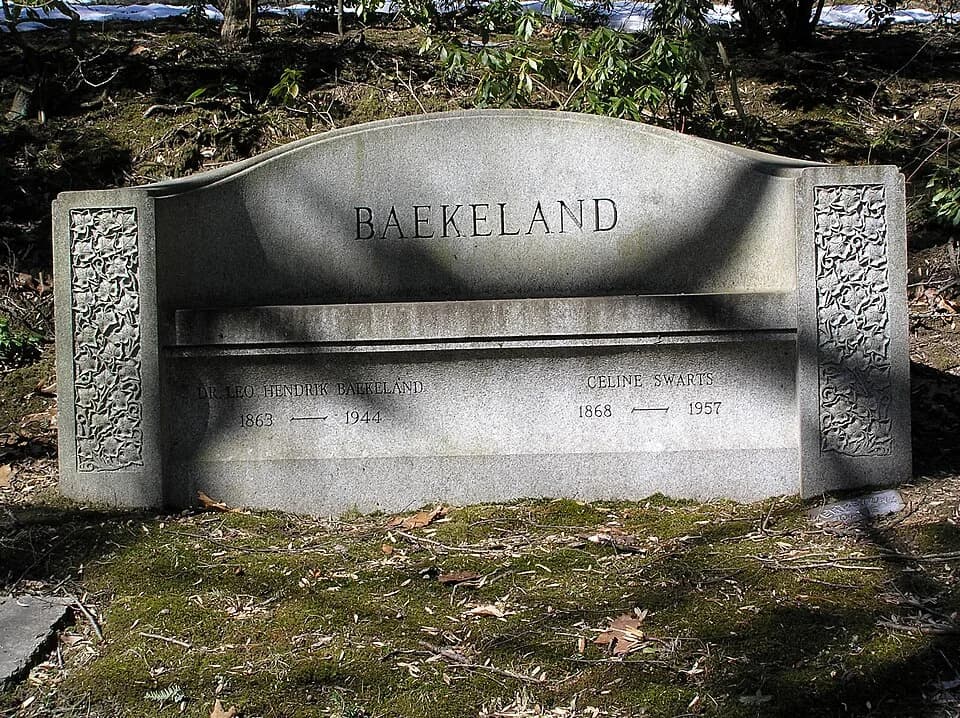
February 23, 1944
Beacon, United States
Conosciuto per
Belgium American inventor
Leo Baekeland (1863–1944) was Belgium best known for Belgium American inventor.
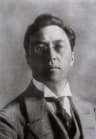
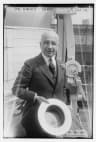
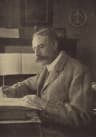
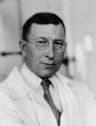
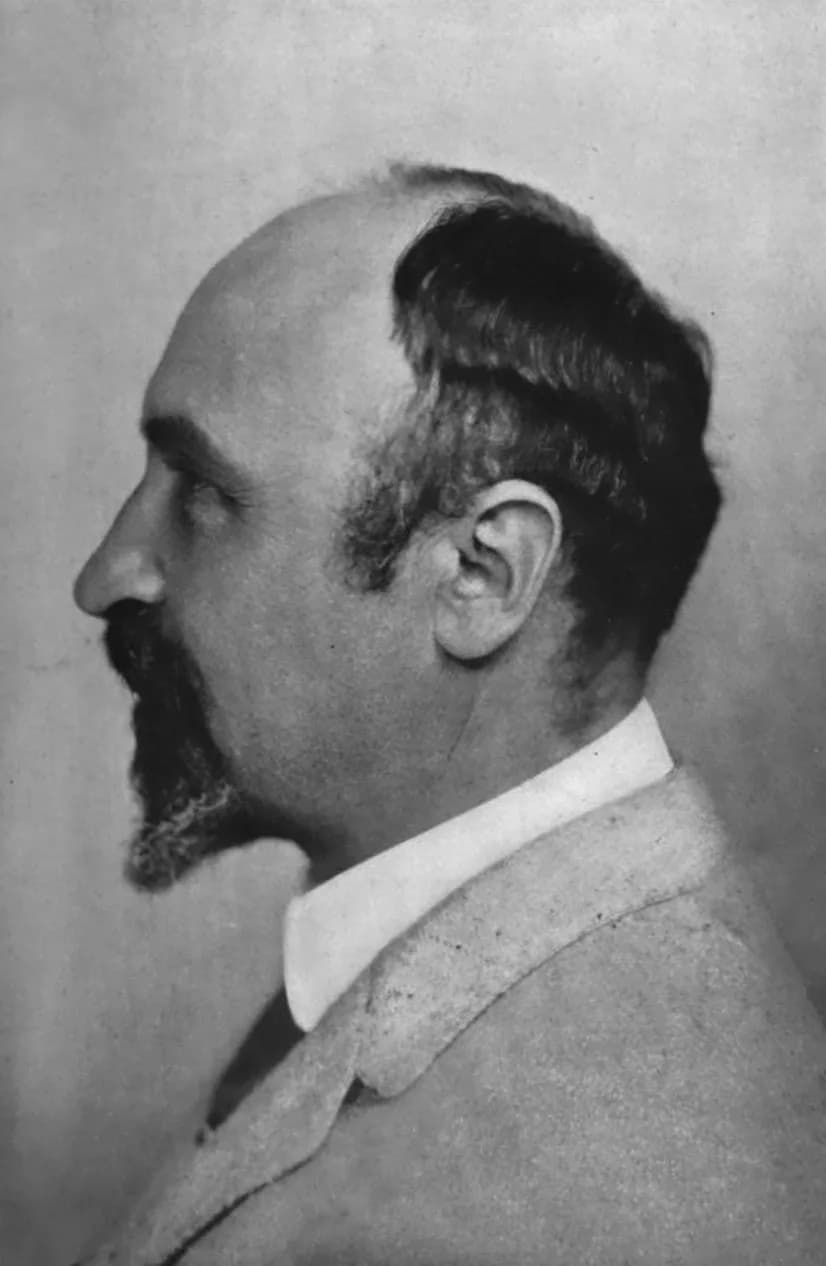
Leo Baekeland (November 14, 1863 – February 23, 1944) was a Belgian American inventor and chemist from Ghent, Belgium. He is best known for inventing Velox photographic paper and revolutionary Bakelite, an inexpensive and versatile plastic. His work earned him the title "The Father of the Plastics Industry," profoundly influencing modern manufacturing.
Capitolo
Capitoli di vita
Capitolo 1 · 1863· Capitolo 1 di 6
Early Life and Origins
Leo Hendrik Baekeland began his life in Ghent, Belgium, on November 14, 1863. His early education took place in Belgium and Germany, where he cultivated a deep understanding of chemistry. This formative period prepared him for a distinguished career marked by scientific breakthroughs.
Capitolo 2· Capitolo 2 di 6
Career Beginnings
Following his education, Leo Baekeland dedicated most of his professional life to the United States. His initial work focused on chemical processes, leading to early successes in applied science. He demonstrated an early aptitude for practical invention, translating scientific knowledge into tangible products.
Capitolo 3 · 1893· Capitolo 3 di 6
Major Achievements and Career Highlights
Among Leo Baekeland's most significant accomplishments was the invention of Velox photographic paper in 1893. This innovation greatly improved photographic processes, making high-quality printing more accessible. His invention was a commercial success and demonstrated his inventive prowess early in his career.
His most renowned achievement came in 1907 with the invention of Bakelite. This inexpensive, non-flammable, and versatile plastic was revolutionary, marking the beginning of the modern plastics industry. Bakelite's properties made it suitable for a vast array of applications, from electrical insulators to household items, establishing a new era of material science.
Capitolo 4· Capitolo 4 di 6
Notable Works or Contributions
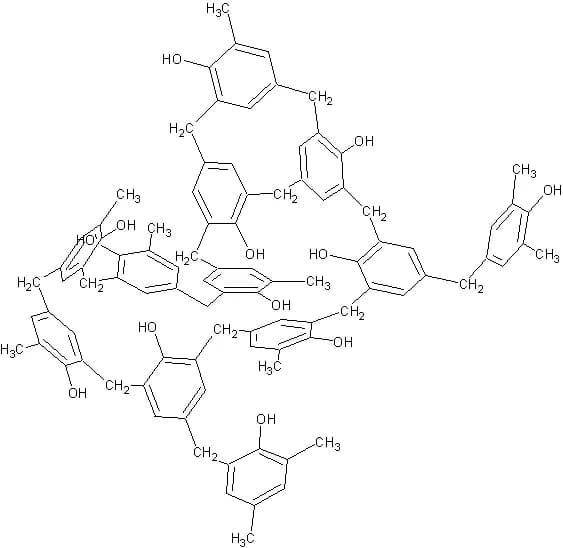
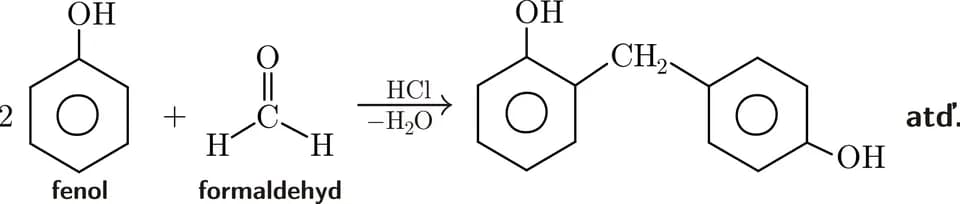
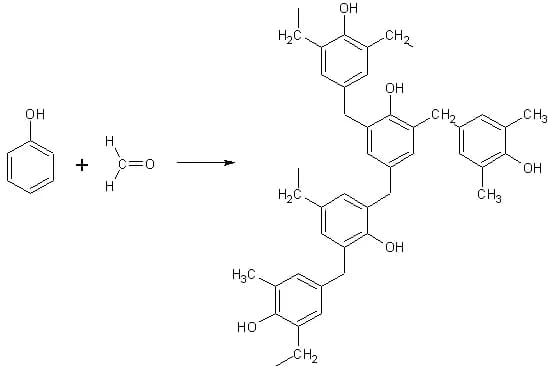
Beyond the initial breakthroughs, Leo Baekeland's work with Bakelite demonstrated plastic's vast potential. This thermosetting phenol formaldehyde resin proved durable and heat-resistant, quickly finding uses in automotive parts, telephone casings, and radio sets. His rigorous development process ensured Bakelite's reliability and widespread adoption across various industries.
While primarily recognized for his industrial inventions, academic publication records show an h-index of 0 across three papers attributed to a Leo Baekeland. These contributions, though distinct from his celebrated material science work, reflect a broad engagement with scientific inquiry.
Capitolo 5· Capitolo 5 di 6
Later Years
Leo Baekeland continued to influence the chemical industry well into his later years. His innovations, particularly Bakelite, cemented his reputation as a visionary. He witnessed the significant influence of his inventions on daily life and industrial production.
He passed away on February 23, 1944, in Beacon, United States. By the time of his death, the plastics industry he helped found was a significant global force, a direct outcome of his pioneering spirit and scientific rigor.
Capitolo 6· Capitolo 6 di 6
Legacy and Impact
Leo Baekeland is affectionately known as "The Father of the Plastics Industry" for a compelling reason. His invention of Bakelite, an inexpensive, non-flammable, and versatile plastic, launched a new era of material science. This single innovation marked the definitive beginning of the modern plastics industry, fundamentally altering manufacturing and consumer goods.
His dual legacy, encompassing both photographic advancements with Velox and the revolutionary plastics with Bakelite, showcases an inventor who consistently sought practical solutions through chemical understanding. Baekeland's work continues to shape our world, demonstrating the lasting power of scientific ingenuity.
Una vita in momenti
I momenti che hanno plasmato una vita
FAQ
Domande frequenti
Quando è morto/a Leo Baekeland?
Leo Baekeland è morto/a il 23 febbraio 1944 a Beacon, United States, all'età di 80 anni.
Dove è nato/a Leo Baekeland?
Leo Baekeland è nato/a a Ghent, Belgium il 14 novembre 1863.
Per cosa è più conosciuto/a Leo Baekeland?
Leo Baekeland è più conosciuto/a per Belgium American inventor.
Quanti anni aveva Leo Baekeland al momento della morte?
Leo Baekeland aveva 80 anni al momento della morte.
Di che nazionalità era Leo Baekeland?
Leo Baekeland era originario/a di Belgium.
Cronologia
La vita in sintesi
Galleria fotografica
Una vita in immagini
Clicca su una polaroid per ingrandirla · 25 foto
Codice QR
Condividi questa biografia
Stampa e Condividi
Scansiona per visitare questa pagina biografica. Stampa per eventi, mostre o materiali didattici.