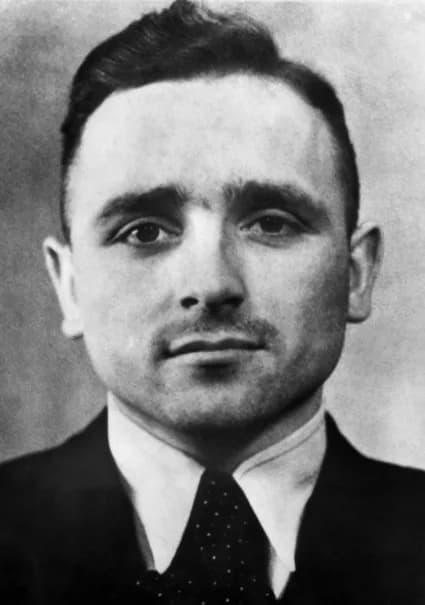
Nascita
October 25, 1913
Bad Godesberg, Germany
Morte
September 25, 1991
Lyon, France
Conosciuto per
German SS officer, head of the Gestapo in Lyon and convicted war criminal
Klaus Barbie (1913–1991) was Germany best known for German SS officer, head of the Gestapo in Lyon and convicted war criminal.
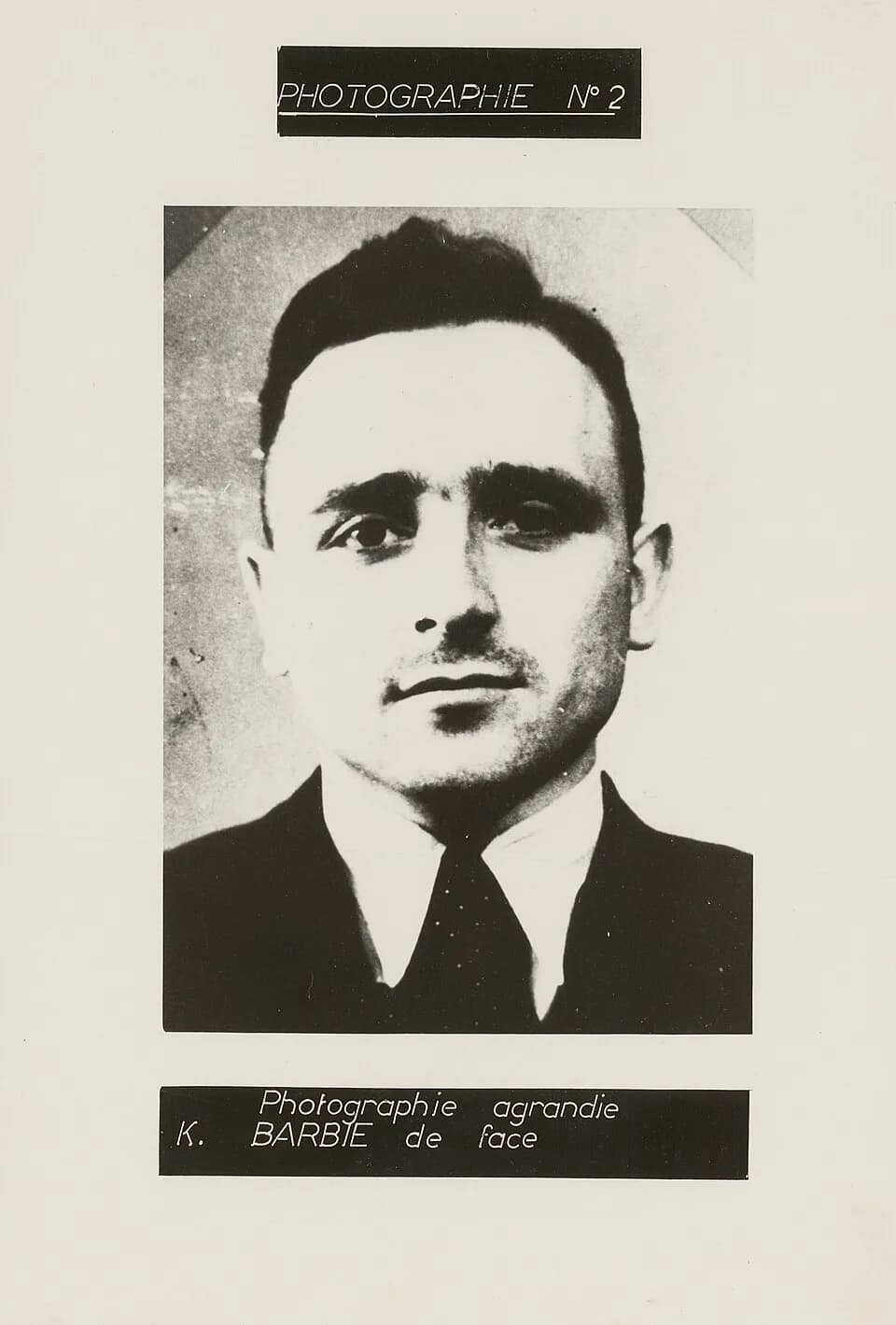
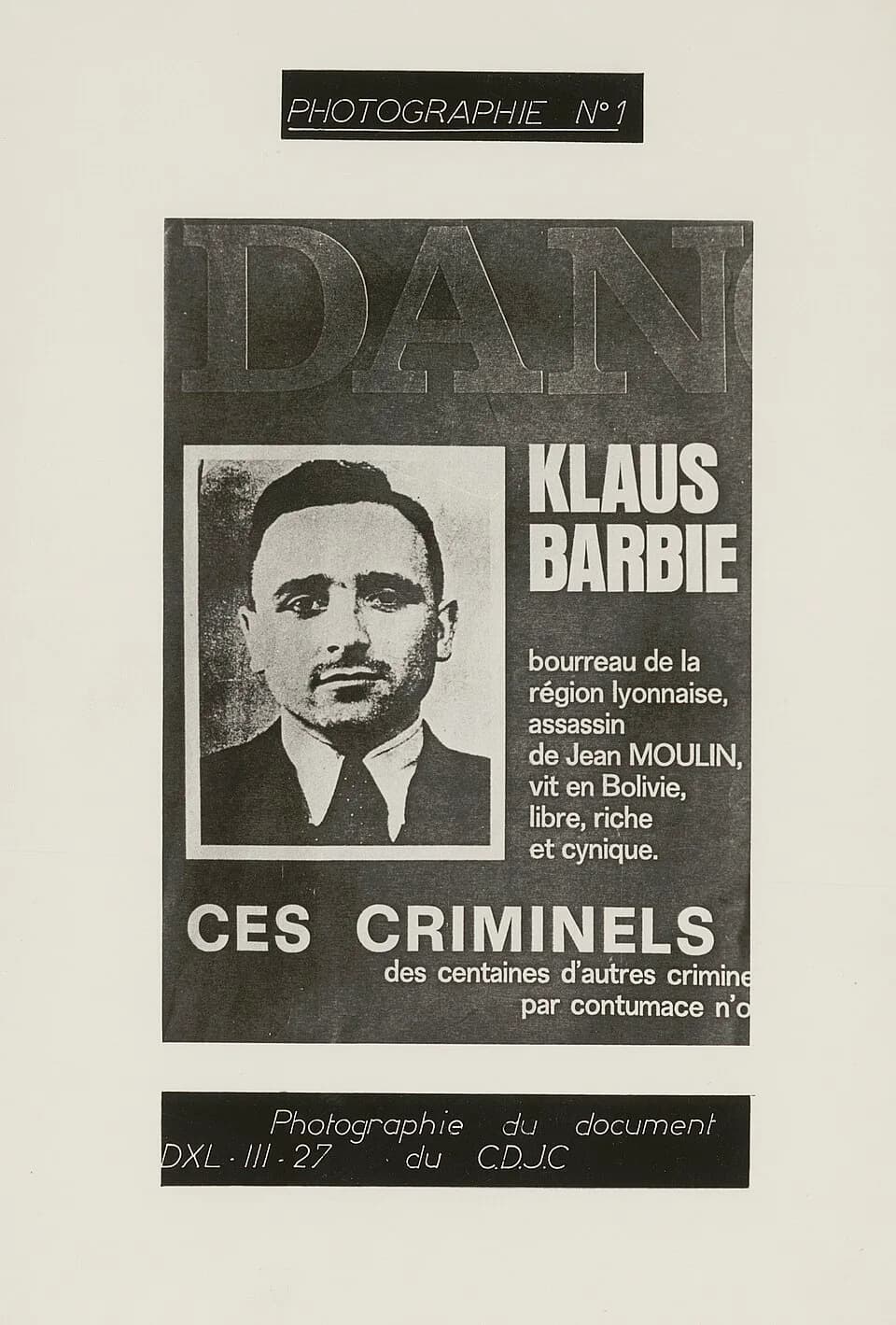
Klaus Barbie (October 25, 1913 – September 25, 1991) was a German SS officer from Bad Godesberg, Germany. Known as the "Butcher of Lyon," he headed the Gestapo in Lyon and was convicted as a war criminal. His actions included the torture of Jews and French Resistance members.
Capitolo
Capitoli di vita
Capitolo 1 · 1913· Capitolo 1 di 7
Early Life and Origins
Klaus Barbie was born on October 25, 1913, in Bad Godesberg, Germany. Details of his early childhood and family life beyond his place and date of birth are not widely publicized. His upbringing in Germany preceded his involvement in the Schutzstaffel and Sicherheitsdienst, organizations central to the Nazi regime.
Capitolo 2· Capitolo 2 di 7
Career Beginnings
Barbie began his career by joining the German Schutzstaffel (SS) and Sicherheitsdienst (SD), significant organizations within Nazi Germany. This early affiliation marked the start of his path within the German military and intelligence apparatus. His role within these structures positioned him for later deployment to occupied territories during World War II.
Capitolo 3· Capitolo 3 di 7
Key Roles and Actions
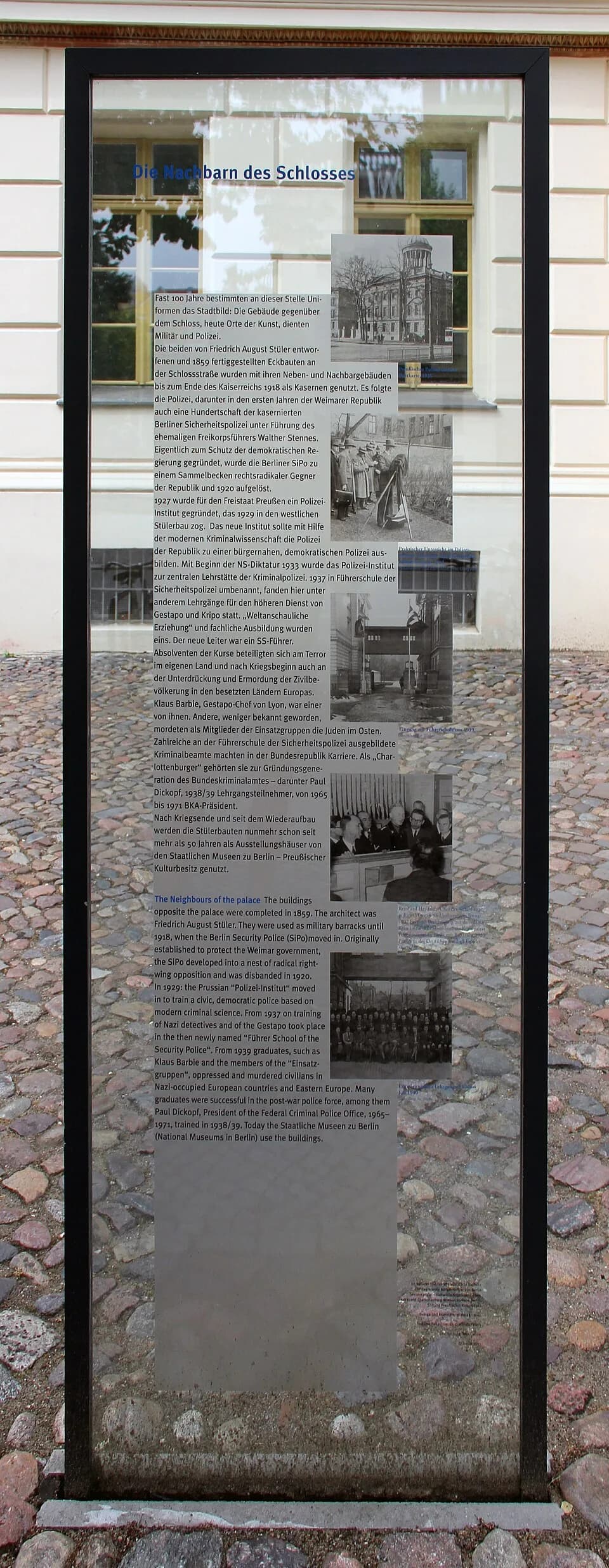
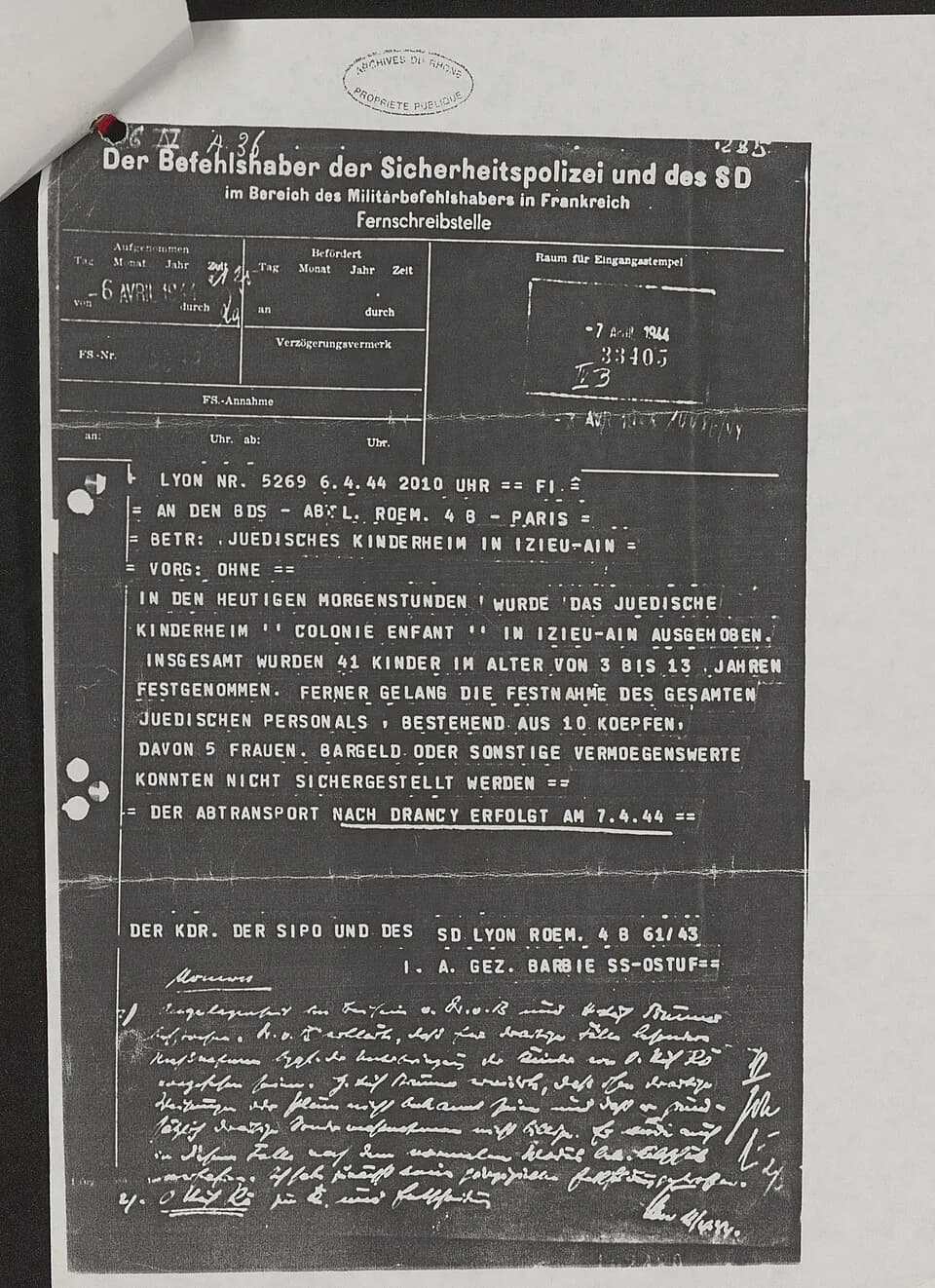
During World War II, Klaus Barbie was assigned to Vichy France, where he served as a German officer. He became notorious as the head of the Gestapo in Lyon, earning him the chilling moniker, 'the Butcher of Lyon.' In this role, he was responsible for personally torturing numerous prisoners, primarily targeting Jewish individuals and members of the French Resistance.
His methods and the scale of his operations against these groups were widely documented following the war. These actions led to his identification as a significant perpetrator of wartime atrocities. The impact of his command was felt deeply by those subjected to the brutal policies of the Gestapo in Lyon.
Capitolo 4· Capitolo 4 di 7
Personal Life
Information regarding Klaus Barbie's personal life, including family, relationships, or personal interests, is not provided in historical records readily available for this memorial. His public identity became almost exclusively defined by his professional roles and the grave actions associated with them. The focus of historical accounts remains firmly on his military and criminal activities.
Capitolo 5· Capitolo 5 di 7
Notable Works or Contributions
Klaus Barbie is not recognized for any 'notable works' or positive contributions in the traditional sense, such as scientific discoveries, artistic creations, or humanitarian efforts. His notoriety stems entirely from his role as an SS officer and head of the Gestapo. His actions in this capacity, particularly the torture of prisoners, became his defining 'contribution' to history, albeit a dark one.
Capitolo 6· Capitolo 6 di 7
Later Years
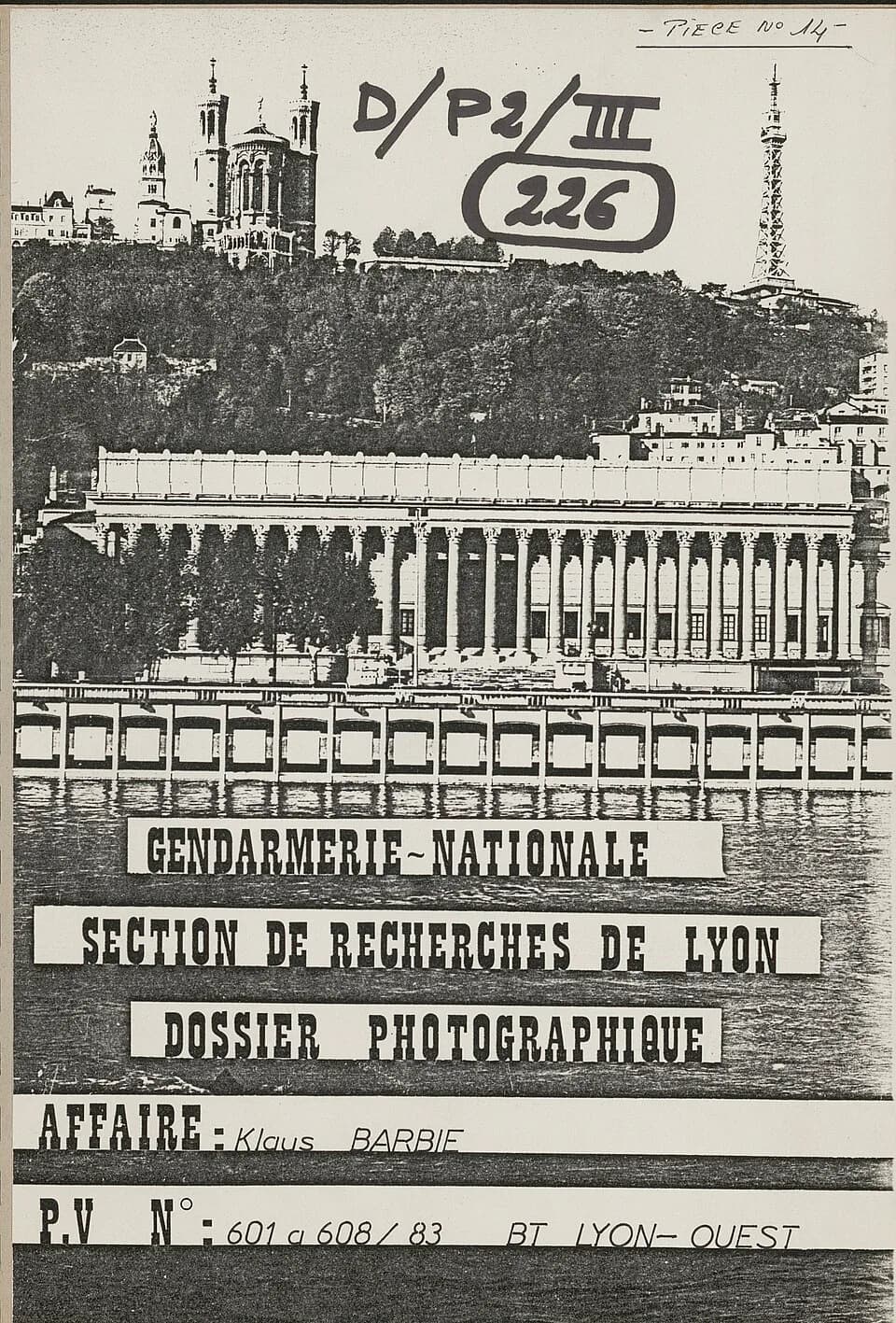
Following World War II, Klaus Barbie evaded justice for many years, living under various guises. His pursuit by investigators spanned decades until his eventual capture and extradition to France. He faced trial for his war crimes in Lyon, France, where he had committed many of his atrocities.
During his trial, he was convicted for crimes against humanity. Klaus Barbie ultimately died in Lyon, France, on September 25, 1991, as a convicted war criminal. His passing marked the end of a life deeply entwined with the brutal history of World War II and the subsequent pursuit of justice.
Capitolo 7· Capitolo 7 di 7
Legacy and Impact
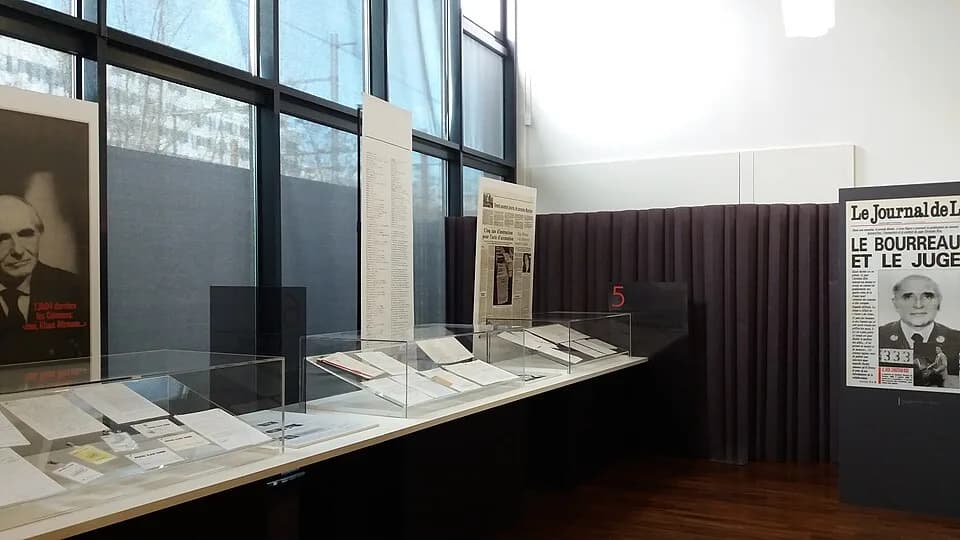
Klaus Barbie's legacy is primarily defined by his extreme cruelty as the 'Butcher of Lyon' and his long period as a fugitive from justice. His eventual trial and conviction underscored the international commitment to prosecuting war criminals, regardless of the passage of time. The legal proceedings against him brought to light the suffering endured by countless victims during the occupation of France.
His story remains a stark reminder of the atrocities committed during World War II and the importance of accountability for such acts. Barbie's actions cemented his place in history as a symbol of wartime brutality. His case serves as a critical reference point in the ongoing study of war crimes and international law.
Una vita in momenti
I momenti che hanno plasmato una vita
FAQ
Domande frequenti
Quando è morto/a Klaus Barbie?
Klaus Barbie è morto/a il 25 settembre 1991 a Lyon, France, all'età di 77 anni.
Dove è nato/a Klaus Barbie?
Klaus Barbie è nato/a a Bad Godesberg, Germany il 25 ottobre 1913.
Per cosa è più conosciuto/a Klaus Barbie?
Klaus Barbie è più conosciuto/a per German SS officer, head of the Gestapo in Lyon and convicted war criminal.
Quanti anni aveva Klaus Barbie al momento della morte?
Klaus Barbie aveva 77 anni al momento della morte.
Di che nazionalità era Klaus Barbie?
Klaus Barbie era originario/a di Germany.
Cronologia
La vita in sintesi
Galleria fotografica
Una vita in immagini
Clicca su una polaroid per ingrandirla · 24 foto
Codice QR
Condividi questa biografia
Stampa e Condividi
Scansiona per visitare questa pagina biografica. Stampa per eventi, mostre o materiali didattici.