Nascita
October 8, 1895
Lobos, Argentina
Morte
July 1, 1974
Quinta presidencial de Olivos, Argentina
Conosciuto per
president of Argentina (1946–55, 1973–74)
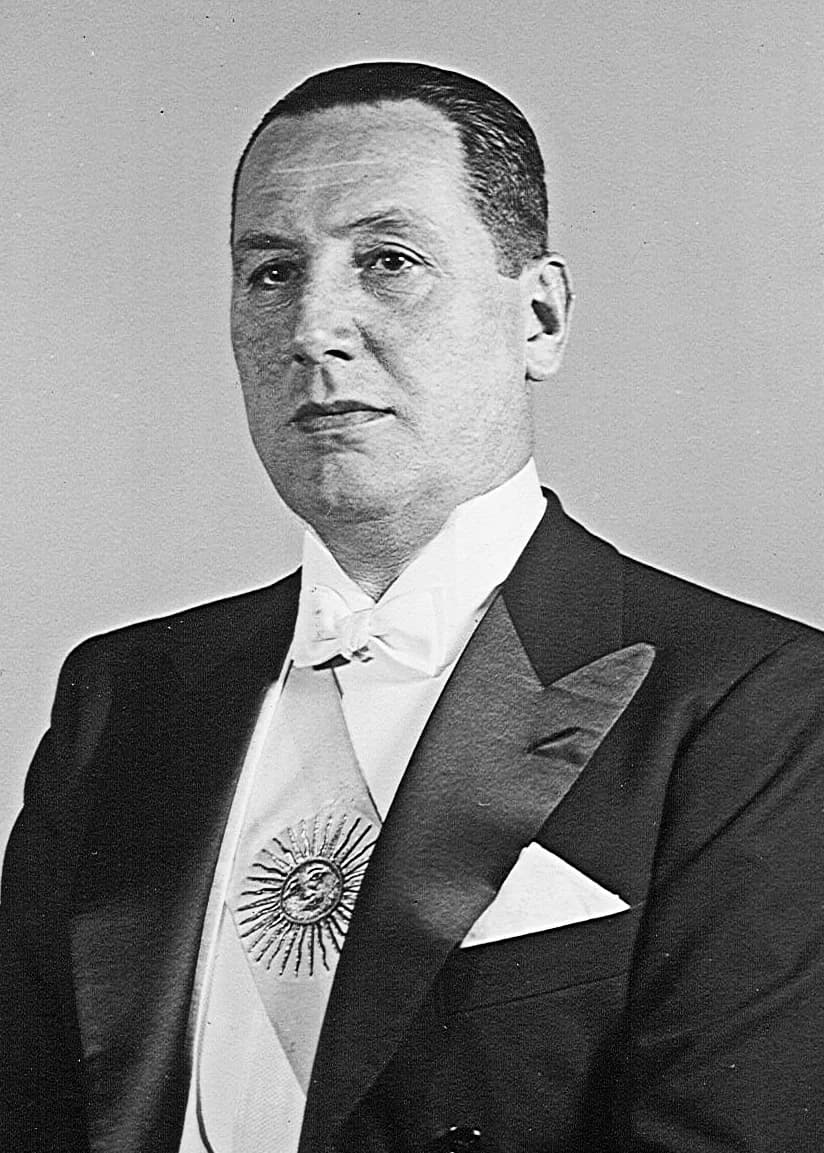
Juan Perón (1895–1974) was Argentina best known for president of Argentina (1946–55, 1973–74).
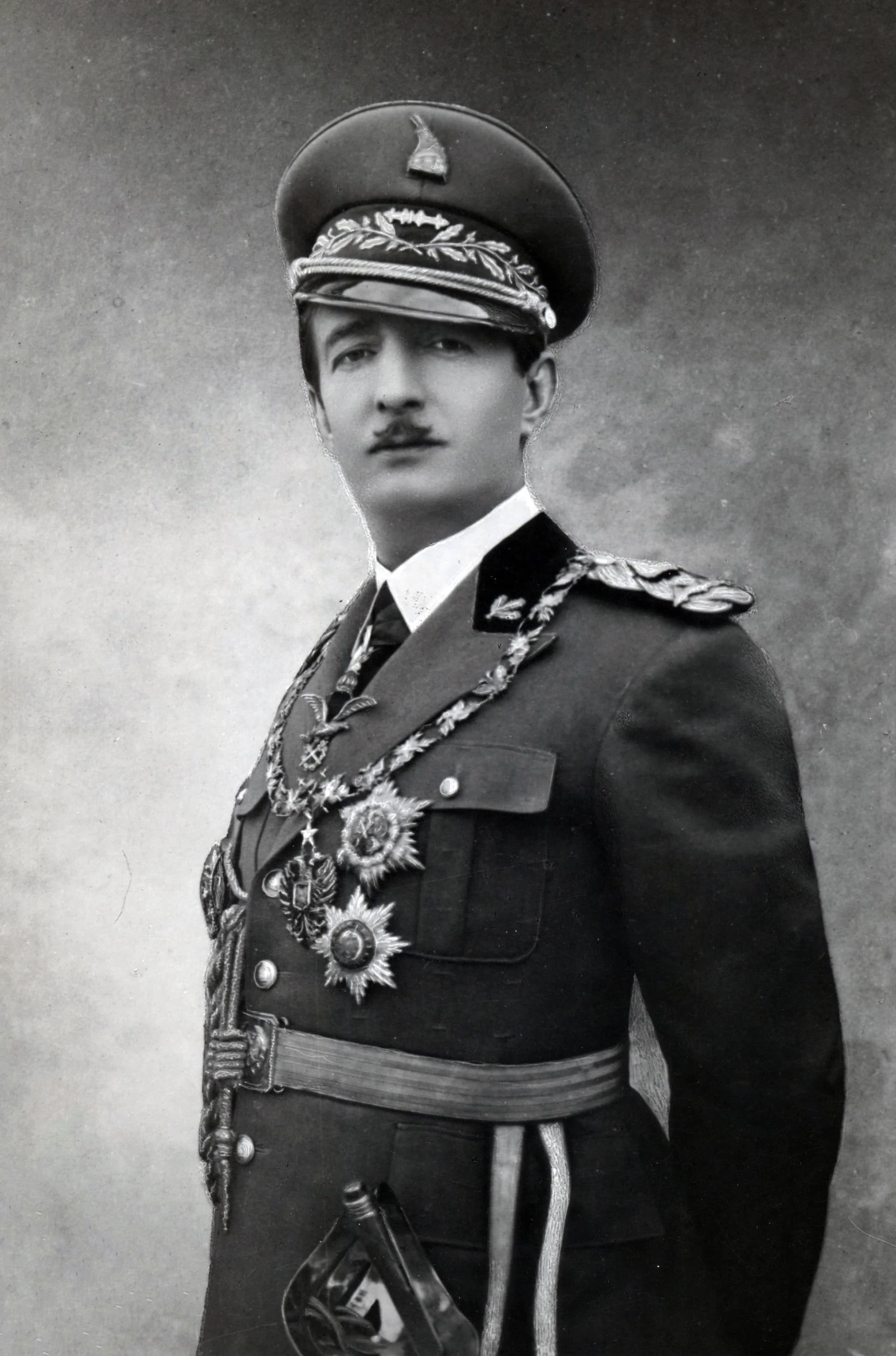
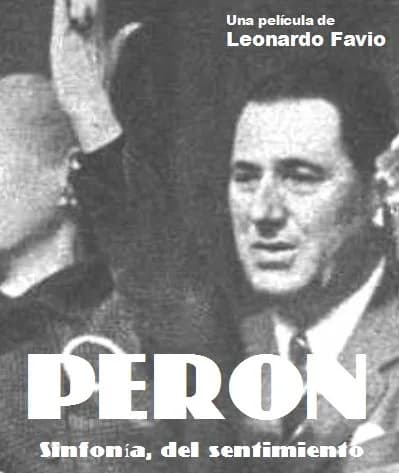
Juan Perón (October 8, 1895 – July 1, 1974) was an Argentine military officer and politician. He served as president of Argentina twice, from 1946–55 and again from 1973–74, making him the only president elected three times. His ideas, known as Peronism, continue to shape Argentine politics.
Una vita in momenti
I momenti che hanno plasmato una vita
Capitolo
Capitoli di vita
Capitolo 1 · 1895· Capitolo 1 di 8
Opening Paragraph
Juan Domingo Perón, born on October 8, 1895, and who passed away on July 1, 1974, was a significant Argentine military officer, politician, and statesperson. He served as the 29th and 40th president of Argentina, leaving a lasting and often controversial mark on the nation's history. His influence, rooted in his ideas and policies known as Peronism, continues to resonate in Argentine politics today.
Capitolo 2 · 1895· Capitolo 2 di 8
Early Life and Origins
Juan Domingo Perón was born on October 8, 1895, in Lobos, Argentina. This rural town in the province of Buenos Aires marked the beginning of a life that would eventually lead him to the highest office in the country. His formative years in Lobos preceded a career that would make him one of Argentina's most discussed figures.
Capitolo 3· Capitolo 3 di 8
Career Beginnings
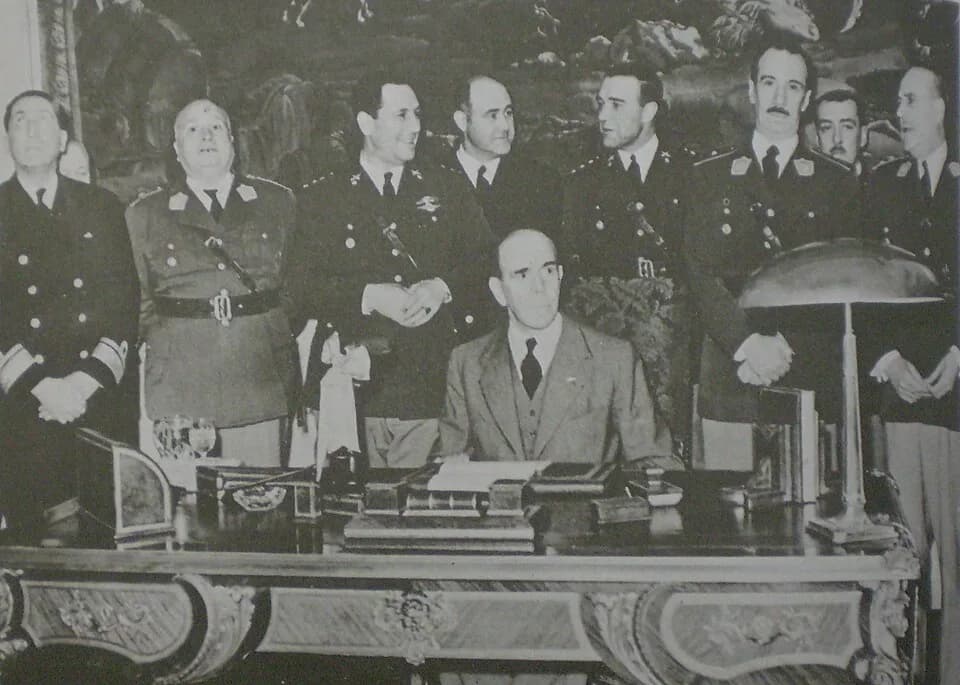
Perón began his distinguished career as a military officer. Before entering the political arena, he dedicated himself to service within the Argentine armed forces, building a foundation of discipline and strategic thinking. This background in the military would prove instrumental in his ascent to power and his subsequent roles as a politician and statesperson.
His journey from a military officer into the political sphere began to shape the path that would see him become a central figure in 20th-century Argentina. The experiences gained during his early military service undoubtedly influenced his later political philosophy and leadership style.
Capitolo 4 · 1946· Capitolo 4 di 8
Major Achievements and Career Highlights
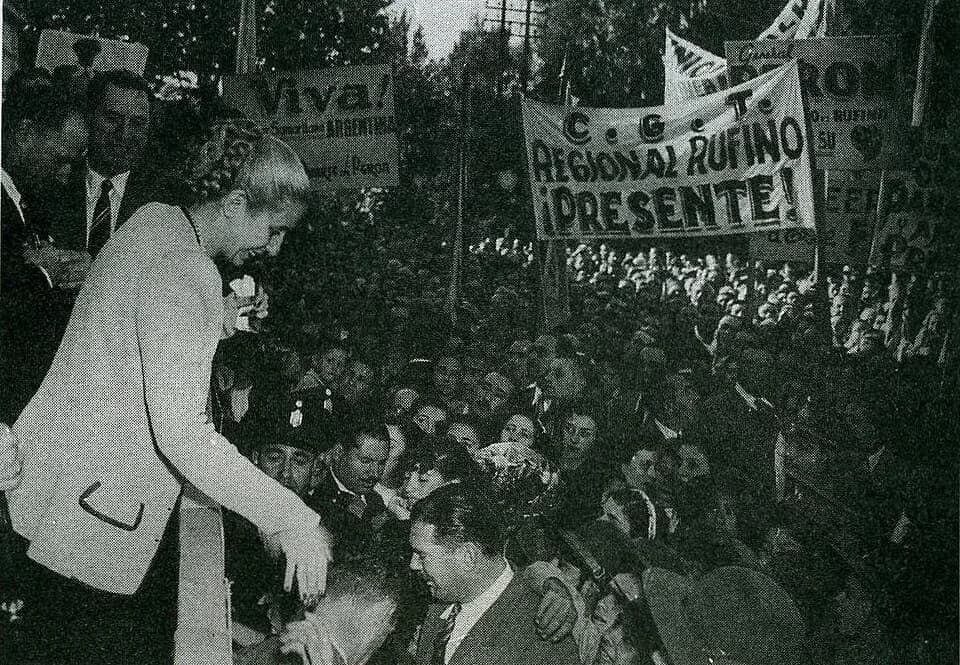
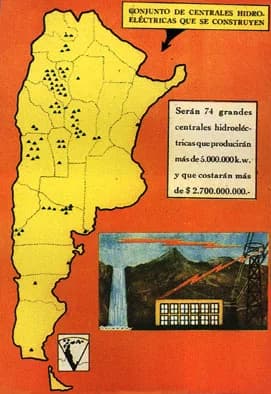
Juan Perón achieved the remarkable feat of being elected president of Argentina three times. He first served as the 29th president from 1946 to his overthrow in 1955, a period that saw significant social and economic reforms. This initial tenure established many of the policies and ideas that would define his political movement.
Following his overthrow, Perón later returned to office, serving as the 40th president from 1973 to 1974. His re-election showcased a powerful, enduring connection with the Argentine populace, demonstrating continued widespread support. He also holds the distinction of achieving the highest percentage of votes in clean elections, further highlighting his broad popular appeal across Argentina.
Capitolo 5· Capitolo 5 di 8
Personal Life
While the provided details focus primarily on Juan Perón's significant public and political career, specific information regarding his personal life and family beyond these roles is not available in the given summary. His public persona and political actions were the defining aspects presented for his historical record as president and military officer.
Capitolo 6· Capitolo 6 di 8
Notable Works or Contributions
Perón's most significant contribution is the development of Peronism, a political ideology and movement that bears his name. This comprehensive system of ideas and policies became a powerful force in Argentina, advocating for social justice, economic independence, and political sovereignty. Peronism sought to reshape Argentine society according to its principles.
Even decades after his death, Peronism continues to be a dominant force in Argentine politics, influencing elections and public policy. The principles and directives established by Juan Perón during his presidencies have profoundly shaped the nation's political discourse and social fabric, ensuring his ongoing relevance.
Capitolo 7 · 1955· Capitolo 7 di 8
Later Years
After his initial overthrow in 1955, Juan Perón spent years in exile before his triumphant return to Argentina. He was once again elected president in 1973, marking his second tenure in the nation's highest office after a lengthy absence. His return to power, following an almost two-decade period away from Argentina, was a testament to his enduring influence and popular support.
Perón's second presidency was tragically short-lived, as he served from 1973 until his death on July 1, 1974. He passed away at the Quinta presidencial de Olivos, Argentina, the official residence of the president at the time. His death brought an end to an extraordinary political career that spanned many decades and profoundly impacted Argentina.
Capitolo 8· Capitolo 8 di 8
Legacy and Impact
Juan Perón remains one of the most important and controversial Argentine politicians of the 20th century. His extensive influence on Argentina's social and political development cannot be overstated, extending far beyond his years in office. He is remembered as a figure of immense political power and a catalyst for significant national change.
Despite being a highly debated figure, Perón's impact continues to shape contemporary Argentine society. The movement he founded, Peronism, maintains its status as a major political force, influencing elections and public policy in Argentina to this very day, solidifying his lasting historical importance.
FAQ
Domande frequenti
Quando è morto/a Juan Perón?
Juan Perón è morto/a il 1 luglio 1974 a Quinta presidencial de Olivos, Argentina, all'età di 78 anni.
Dove è nato/a Juan Perón?
Juan Perón è nato/a a Lobos, Argentina il 8 ottobre 1895.
Per cosa è più conosciuto/a Juan Perón?
Juan Perón è più conosciuto/a per president of Argentina (1946–55, 1973–74).
Quanti anni aveva Juan Perón al momento della morte?
Juan Perón aveva 78 anni al momento della morte.
Di che nazionalità era Juan Perón?
Juan Perón era originario/a di Argentina.
Cronologia
La vita in sintesi
Galleria fotografica
Una vita in immagini
Clicca su una polaroid per ingrandirla · 50 foto
Codice QR
Condividi questa biografia
Stampa e Condividi
Scansiona per visitare questa pagina biografica. Stampa per eventi, mostre o materiali didattici.