Nascita
January 1, 1940
Fez, Morocco
Morte
November 30, 2015
Rabat, Morocco
Conosciuto per
1940-2015, Moroccan sociologist, writer and feminist
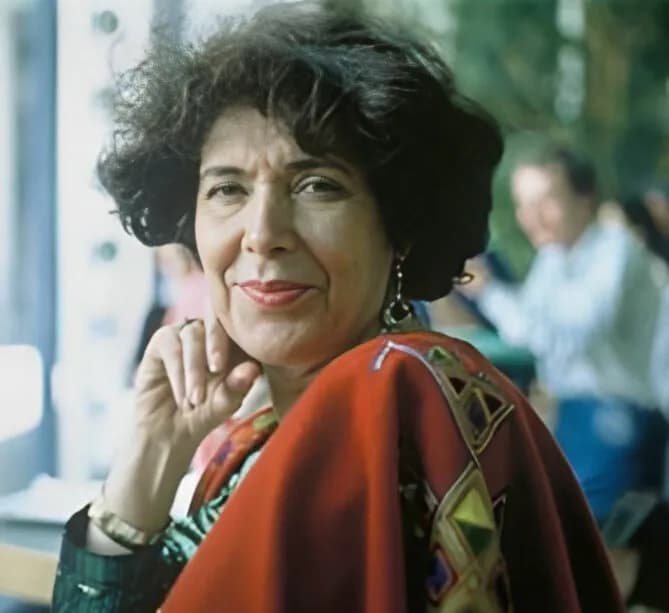
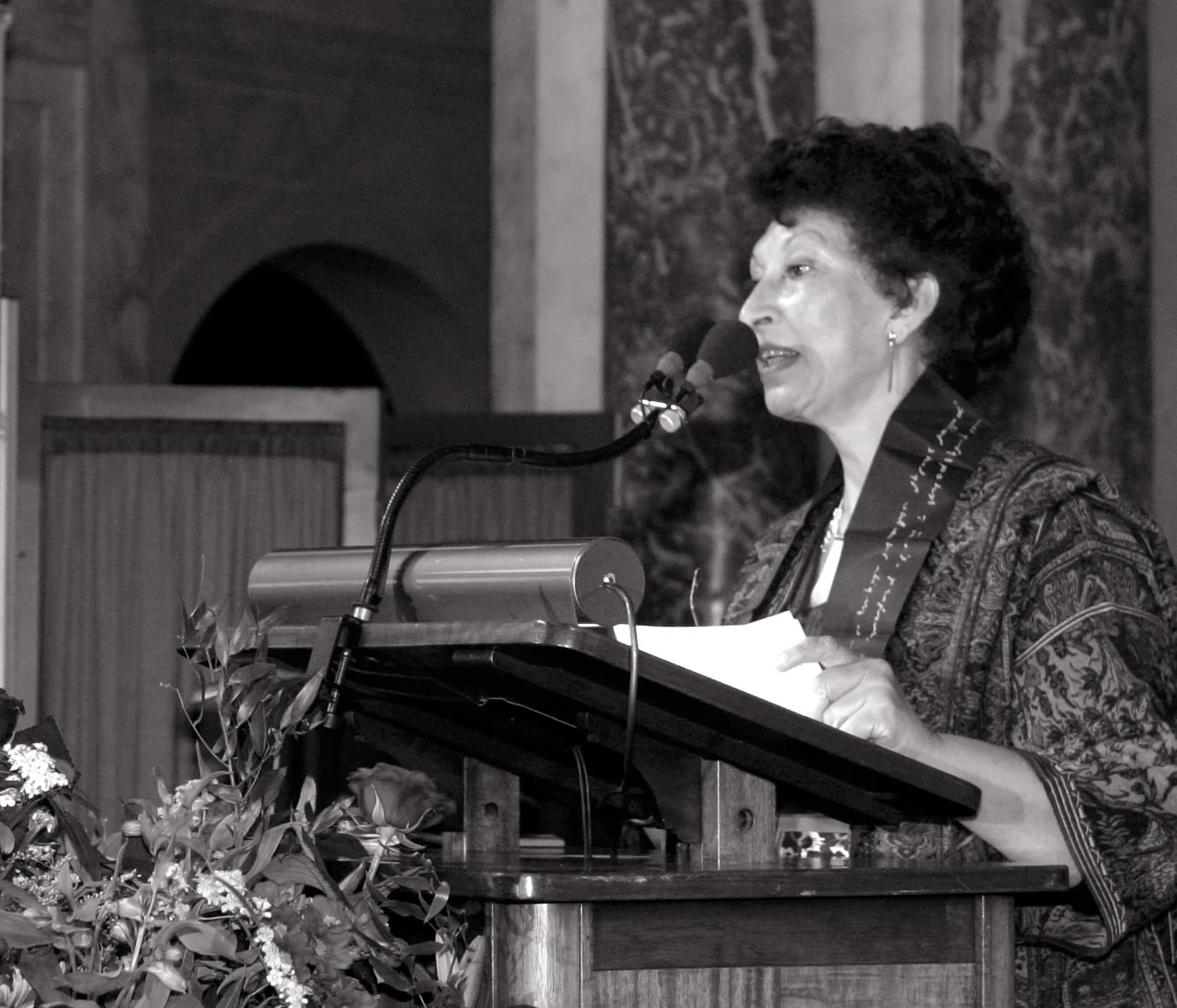
Fatema Mernissi (1940 – 2015) was a Moroccan sociologist, writer, and feminist. She was known for her insightful works challenging perceptions of women's rights and Islamic societies. Her legacy continues to influence global discourse on gender and culture.
Una vita in momenti
I momenti che hanno plasmato una vita
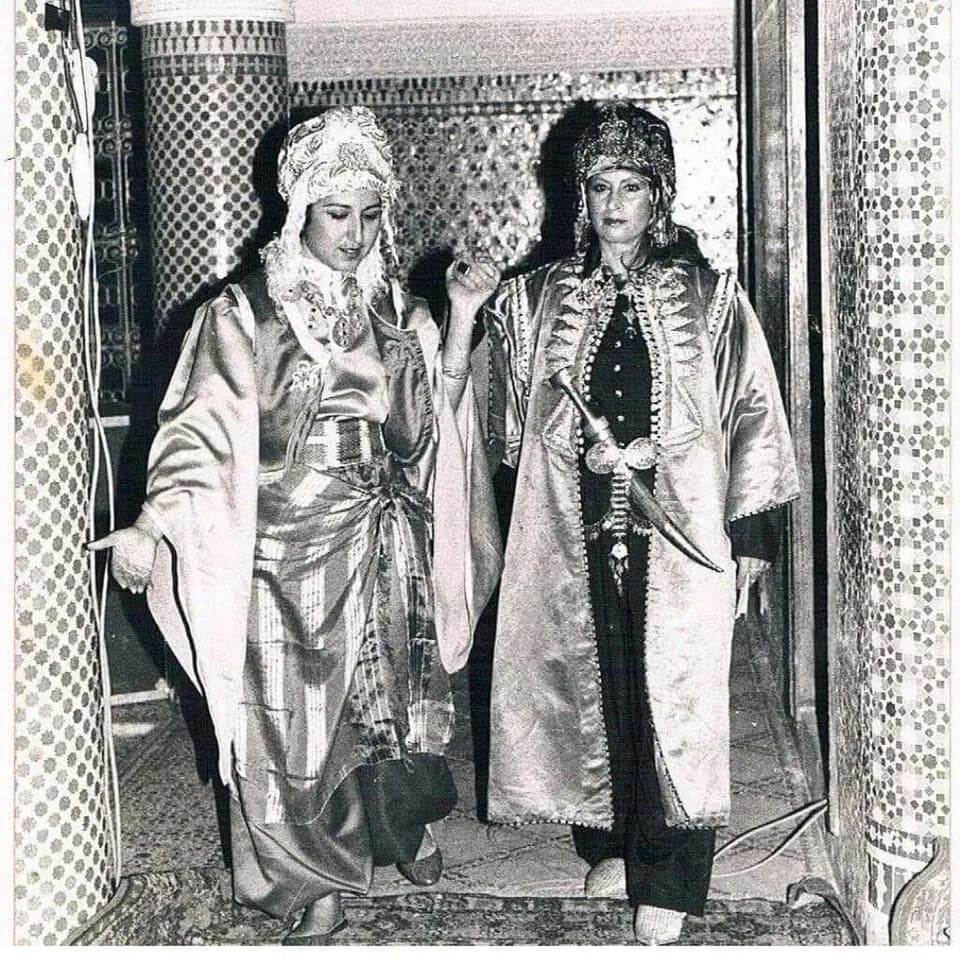
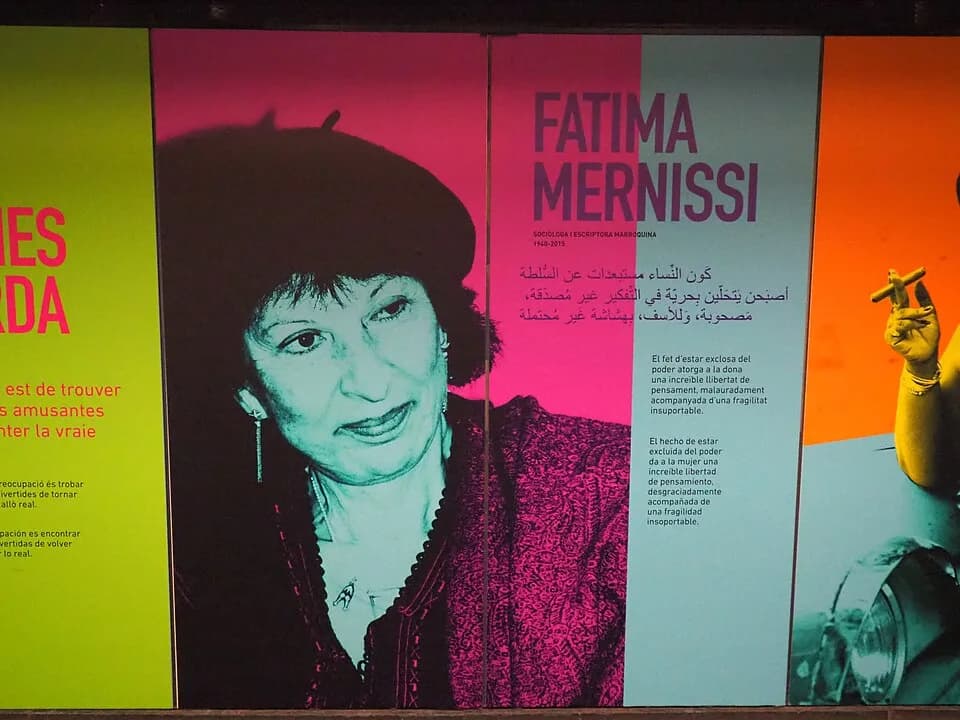




Capitolo
Capitoli di vita
Capitolo 1 · 1940· Capitolo 1 di 7
Early Life and Origins
Born on January 1, 1940, in Fez, Morocco, Fatema Mernissi grew up within the walls of a traditional home, a setting that profoundly influenced her later scholarly pursuits. Her early experiences offered a unique vantage point on women's lives and societal constraints, fueling her intellectual curiosity. This Moroccan city, rich in history and intellectual tradition, provided a vibrant backdrop for her formative years and initial education.
Her family background, which included both traditional elements and a progressive outlook on education, encouraged her intellectual development. Mernissi pursued higher education, equipping her with the critical tools of sociology and a global perspective. These academic foundations at a young age were instrumental in shaping her future career as a leading intellectual figure.
Capitolo 2· Capitolo 2 di 7
Career Beginnings
Fatema Mernissi began her professional life as a sociologist and university teacher, dedicating herself to rigorous academic inquiry and research. Her early work focused intensely on the social structures affecting women in Morocco and the broader Islamic world. This foundational scholarship laid the essential groundwork for her extensive career as a prolific writer, essayist, and public intellectual.
She swiftly gained recognition for her incisive analysis and courage in addressing sensitive topics related to gender and power. Mernissi's early publications started to position her as a key voice in feminist discourse, offering perspectives rooted in specific cultural and historical contexts. Her commitment to academic rigor was evident from the outset of her career.
Capitolo 3· Capitolo 3 di 7
Major Achievements and Career Highlights
Throughout her career, Fatema Mernissi established herself not merely as an academic but as a leading feminist and women's rights activist on an international scale. Her academic contributions were consistently paired with a strong commitment to public discourse and social change. She brought vital attention to the complex issues facing women in diverse societies, from historical interpretations to contemporary challenges.
Mernissi became particularly known for her critical analysis, which challenged Orientalist depictions of Muslim women and advocated for a reinterpretation of Islamic texts to support gender equality. Her work consistently sought to empower women by uncovering their historical agency and intellectual contributions. She successfully bridged academic theory with practical social commentary, making her insights accessible to a wide audience.
Capitolo 4· Capitolo 4 di 7
Personal Life
While Fatema Mernissi's public life was dedicated primarily to her intellectual pursuits and tireless advocacy, details about her personal relationships or specific hobbies are not extensively documented in the provided information. Her unwavering focus remained on her scholarly work, her role as a university teacher, and her deep commitment to social change and women's rights. She lived and worked predominantly in Morocco, notably in Rabat, contributing significantly to its intellectual and social landscape until her passing.
Capitolo 5· Capitolo 5 di 7
Notable Works or Contributions
Fatema Mernissi authored several influential books that garnered significant international recognition and translated into multiple languages. Among these seminal works was "El Harén en Occidente," also known as "L'harem occidental," which critically examined Western perceptions of the harem and contrasting realities of gender relations. This book offered a powerful counter-narrative to prevalent stereotypes.
"Sueños en el umbral. Memorias de una niña del Harén," also published as "SOMNIS DE L'HAREM" and "Soños no limiar," provided a deeply personal and reflective account of female experience within a traditional Moroccan setting. This work offered a vivid memoir-like quality, blending personal narrative with broader sociological observations. Her intellectual range was further demonstrated in "Islam and democracy," where she meticulously explored the political and social dynamics within Islamic contexts, advocating for democratic principles.
Capitolo 6· Capitolo 6 di 7
Later Years
Fatema Mernissi continued her prolific work as a writer, sociologist, and women's rights activist well into her later years, maintaining an active intellectual presence. She remained a vocal participant in global dialogues concerning women's rights and societal development, offering her seasoned perspectives on evolving challenges. Her final years were spent in Rabat, Morocco, where she continued to write and influence thought until her passing.
She passed away on November 30, 2015, in Rabat, Morocco, leaving behind a substantial body of work and a generation of scholars and activists inspired by her dedication. Her contributions remained relevant and impactful until the very end of her life. Her intellectual output consistently pushed boundaries and fostered crucial discussions.
Capitolo 7· Capitolo 7 di 7
Legacy and Impact
Fatema Mernissi's legacy as a Moroccan sociologist, writer, and feminist is profoundly significant and far-reaching. She fundamentally reshaped critical conversations surrounding women's roles, power structures, and cultural narratives within Islamic societies and in the global arena. Her rigorous scholarship challenged both internal and external misconceptions about Islam and women's place within it.
Her writings continue to inspire and inform countless scholars, activists, and readers worldwide, offering incisive insights into gender studies, human rights, and the complexities of cultural identity. Mernissi's pioneering work remains a cornerstone for understanding contemporary social issues and for advocating for a more equitable future. She left an enduring intellectual framework for feminist thought originating from the Global South.
FAQ
Domande frequenti
Quando è morto/a Fatema Mernissi?
Fatema Mernissi è morto/a il 30 novembre 2015 a Rabat, Morocco, all'età di 75 anni.
Dove è nato/a Fatema Mernissi?
Fatema Mernissi è nato/a a Fez, Morocco il 1 gennaio 1940.
Per cosa è più conosciuto/a Fatema Mernissi?
Fatema Mernissi è più conosciuto/a per 1940-2015, Moroccan sociologist, writer and feminist.
Quanti anni aveva Fatema Mernissi al momento della morte?
Fatema Mernissi aveva 75 anni al momento della morte.
Di che nazionalità era Fatema Mernissi?
Fatema Mernissi era originario/a di Morocco.
Cronologia
La vita in sintesi
Galleria fotografica
Una vita in immagini
Clicca su una polaroid per ingrandirla · 16 foto
Codice QR
Condividi questa biografia
Stampa e Condividi
Scansiona per visitare questa pagina biografica. Stampa per eventi, mostre o materiali didattici.