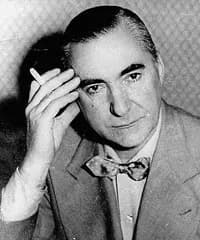
Nascita
June 9, 1898
Prato, Italy
Morte
July 19, 1957
Rome, Italy
Conosciuto per
Italian writer
Curzio Malaparte (1898–1957) was Italy best known for Italian writer.
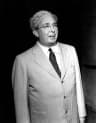
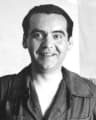
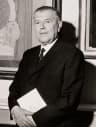
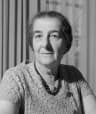
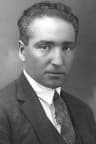
Curzio Malaparte (June 9, 1898 – July 19, 1957) was an influential Italian writer from Prato, Italy. He is best known for his powerful semi-fictionalized accounts of World War II, <em>Kaputt</em> and <em>The Skin</em>. His diverse career also included roles as a war correspondent, diplomat, and film director.
Capitolo
Capitoli di vita
Capitolo 1 · 1898· Capitolo 1 di 7
Early Life and Origins
Curzio Malaparte was born in Prato, Italy, on June 9, 1898. His formative years in this historic Italian city likely contributed to his distinctive worldview and later literary expressions. While specific details of his early family life are not extensively documented in public records, his origins in Prato remained a part of his identity.
Capitolo 2· Capitolo 2 di 7
Career Beginnings
Malaparte embarked on a remarkably diverse career path from an early age, demonstrating a keen intellect and broad interests. He served as a poet and journalist, laying the groundwork for his later, more extensive literary and professional pursuits. His initial forays into writing quickly established him as a distinctive voice in Italian letters.
Throughout his career, Curzio Malaparte embraced a wide array of professions including screenwriter, writer, diplomat, playwright, and war correspondent. This breadth of experience provided him with rich material and varied perspectives, informing his unique narrative style. He also functioned as a film director, novelist, and essayist, showcasing his versatile talents across different media.
Capitolo 3· Capitolo 3 di 7
Major Achievements and Career Highlights
As an Italian writer, filmmaker, war correspondent, and diplomat, Malaparte left an undeniable mark on 20th-century literature and reportage. He is most renowned for his semi-fictionalized accounts of wartime experiences that blended observation with personal reflection. His ability to fuse journalistic rigor with literary artistry defined his unique contribution.
His 1944 work, Kaputt, captured the chilling realities of the Eastern Front during the Second World War with unflinching honesty. This powerful narrative provided readers with a visceral understanding of the conflict, drawing on his experiences as a war correspondent. Following this, The Skin, published in 1949, explored the complex moral landscape of Naples in the immediate post-war period. This novel delved into the ethical dilemmas faced by individuals in a society grappling with profound change, earning him further acclaim.
Capitolo 4· Capitolo 4 di 7
Personal Life
While specific details of Curzio Malaparte's personal relationships remain largely private in public records, his extensive range of professions — including diplomat and film director — points to a life rich in experience and human interaction. He maintained a strong public persona through his writings and political engagements. His life was undoubtedly shaped by the dramatic events he witnessed and reported on.
Capitolo 5· Capitolo 5 di 7
Notable Works or Contributions
Beyond his internationally acclaimed Kaputt and The Skin, Malaparte authored numerous significant works that showcased his versatile intellect and sharp critical eye. His bibliography includes Tecnica del colpo di stato, a theoretical exploration of the mechanics of seizing power, and I custodi del disordine. These writings often challenged conventional political and social thought.
Other notable contributions include L'Europa vivente e altri saggi politici, 1921-1931, which collected his political essays from a crucial decade. His cultural observations were also evident in Maledetti Toscani and Italia barbara, reflecting on Italian identity and society. He also penned works such as Das Kapital, L'inglese in paradiso, Coup d'etat, and Don Camaleo, demonstrating a continuous output across various genres.
Capitolo 6 · 1957· Capitolo 6 di 7
Later Years
Curzio Malaparte continued to engage with the world through his writing and various roles until his passing. He died in Rome, Italy, on July 19, 1957, at the age of 59. His creative output remained consistent throughout his life, reflecting an enduring commitment to literature and commentary even in his final years.
Capitolo 7· Capitolo 7 di 7
Legacy and Impact
Curzio Malaparte's legacy endures through his unique literary voice and his courageous reporting from the front lines of history. He remains celebrated for his ability to intertwine personal experience with broad historical narratives, providing a distinctive perspective on 20th-century conflicts. His works provide invaluable insights into the human condition during times of war and profound societal upheaval, cementing his place as an important figure in Italian and world literature.
Una vita in momenti
I momenti che hanno plasmato una vita
FAQ
Domande frequenti
Quando è morto/a Curzio Malaparte?
Curzio Malaparte è morto/a il 19 luglio 1957 a Rome, Italy, all'età di 59 anni.
Dove è nato/a Curzio Malaparte?
Curzio Malaparte è nato/a a Prato, Italy il 9 giugno 1898.
Per cosa è più conosciuto/a Curzio Malaparte?
Curzio Malaparte è più conosciuto/a per Italian writer.
Quanti anni aveva Curzio Malaparte al momento della morte?
Curzio Malaparte aveva 59 anni al momento della morte.
Di che nazionalità era Curzio Malaparte?
Curzio Malaparte era originario/a di Italy.
Cronologia
La vita in sintesi
Galleria fotografica
Una vita in immagini
Clicca su una polaroid per ingrandirla · 19 foto
Codice QR
Condividi questa biografia
Stampa e Condividi
Scansiona per visitare questa pagina biografica. Stampa per eventi, mostre o materiali didattici.