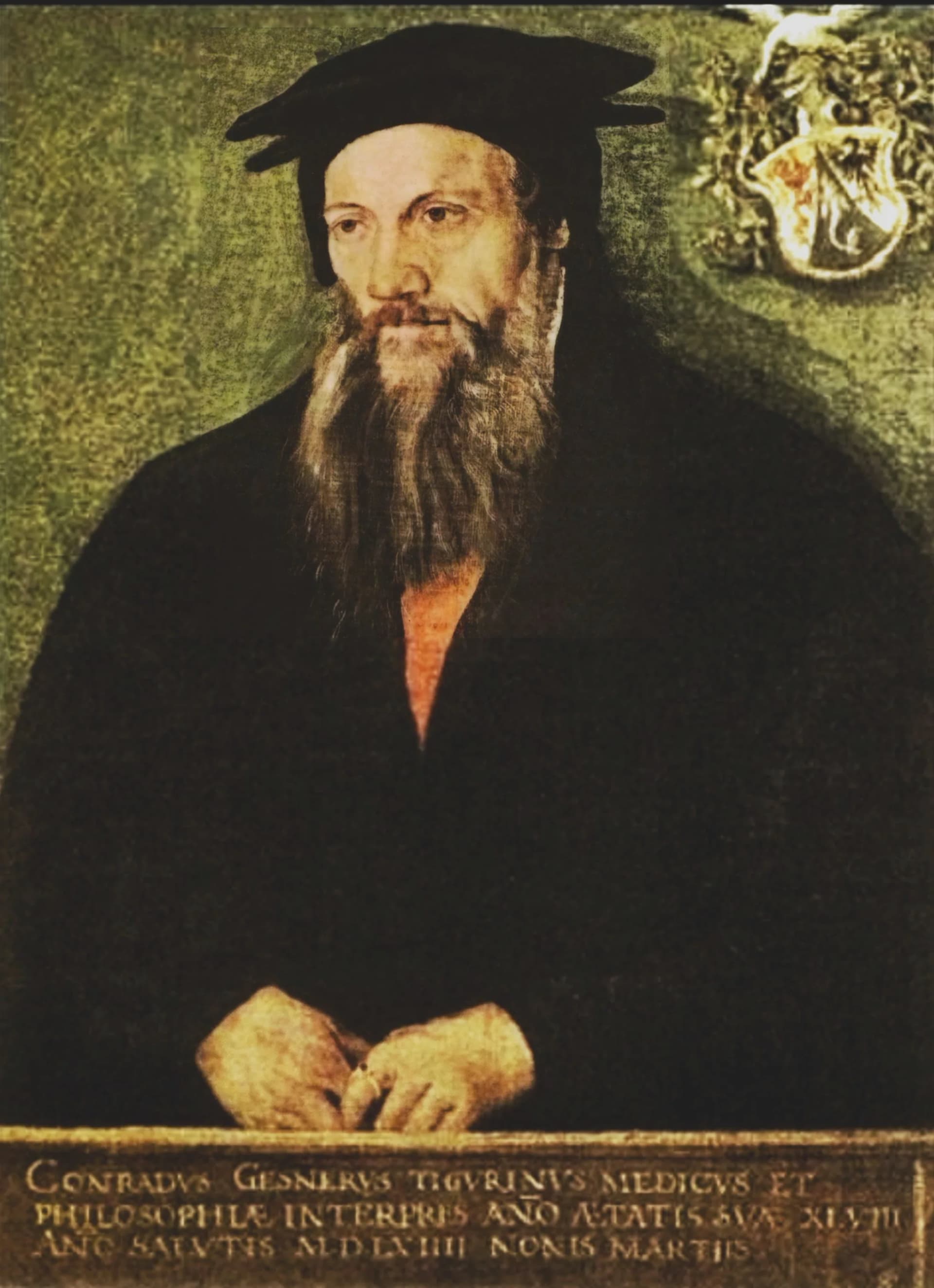
Nascita
April 5, 1516
Zurich, Switzerland
Morte
December 23, 1565
Zurich, Switzerland
Conosciuto per
Swiss physician, bibliographer and naturalist
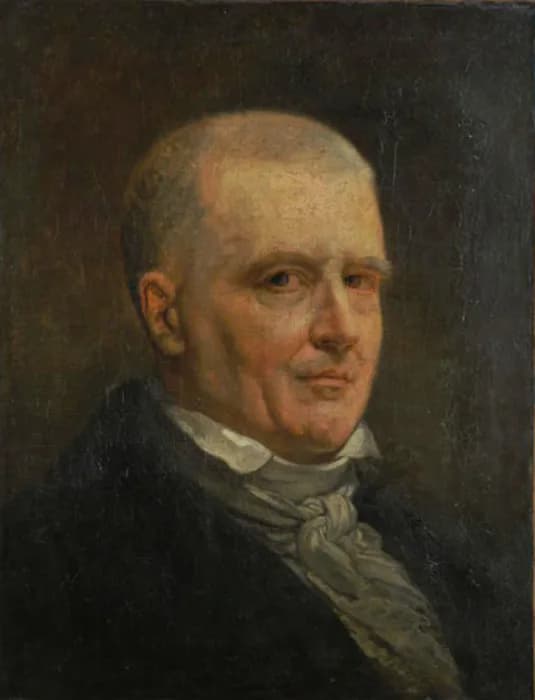
Conrad Gessner (1516–1565) was Switzerland best known for Swiss physician, bibliographer and naturalist.
Conrad Gessner (April 5, 1516 – December 23, 1565) was a Swiss physician, naturalist, and bibliographer from Zurich, Switzerland. He is celebrated for his monumental works in zoology and bibliography, and for being a pioneer in modern scientific classification. Gessner's early descriptions of European species, like the tulip in 1559, solidified his lasting legacy in natural history.
Una vita in momenti
I momenti che hanno plasmato una vita
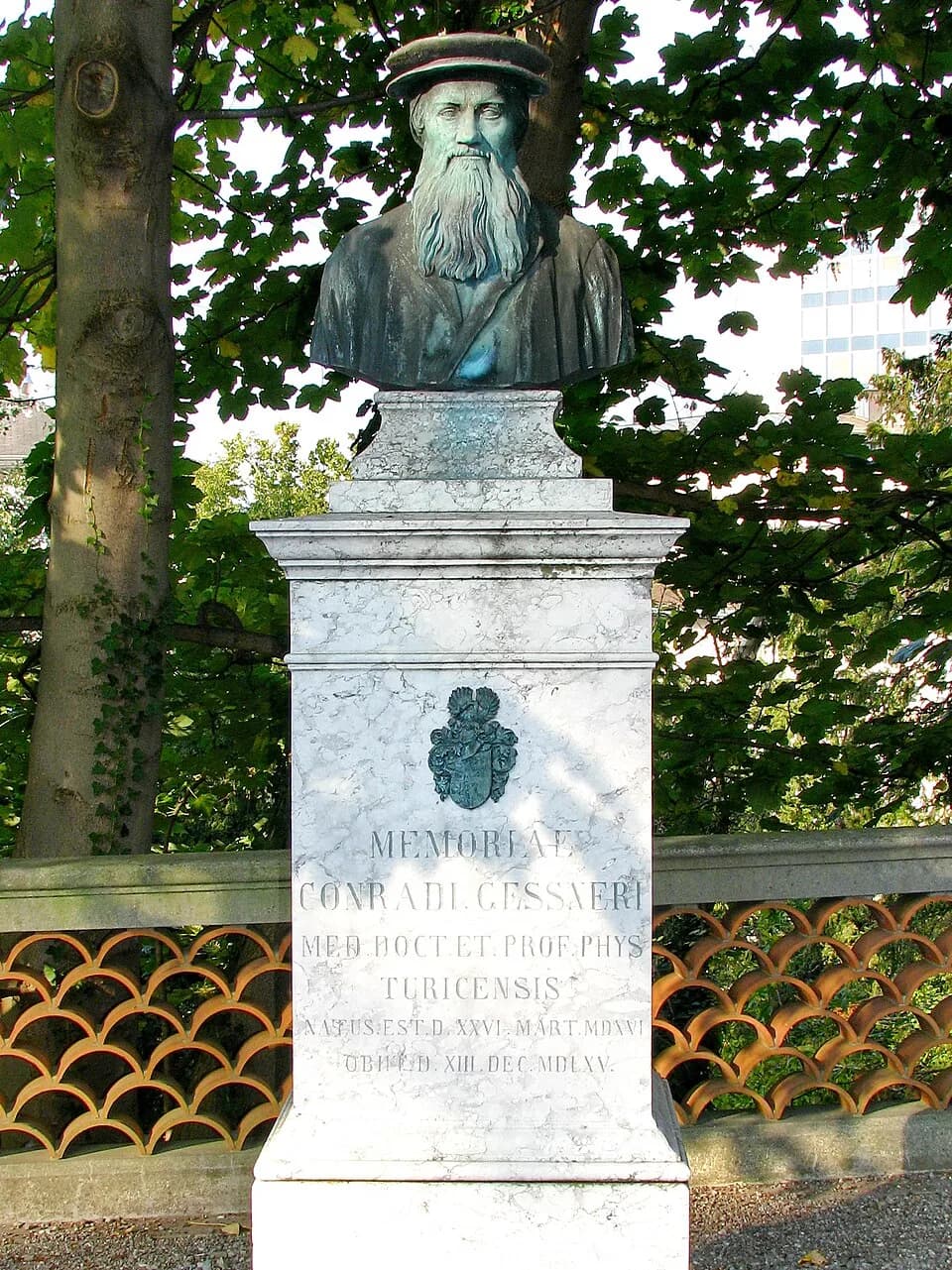
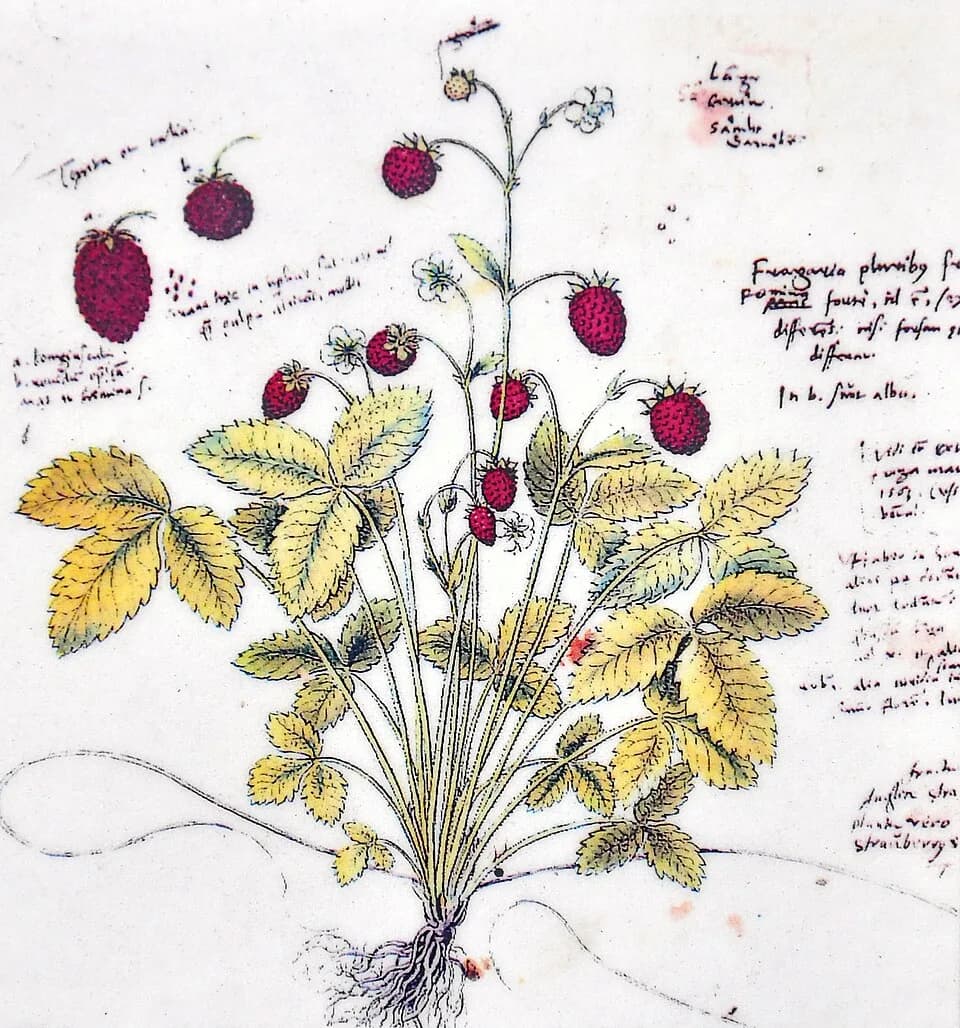
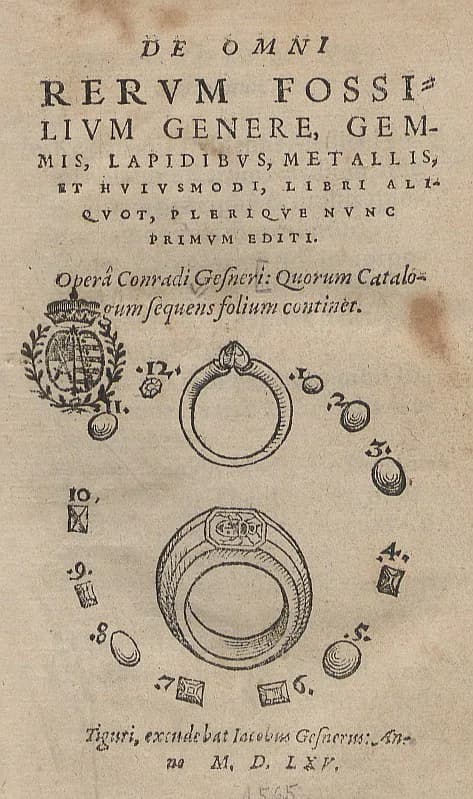
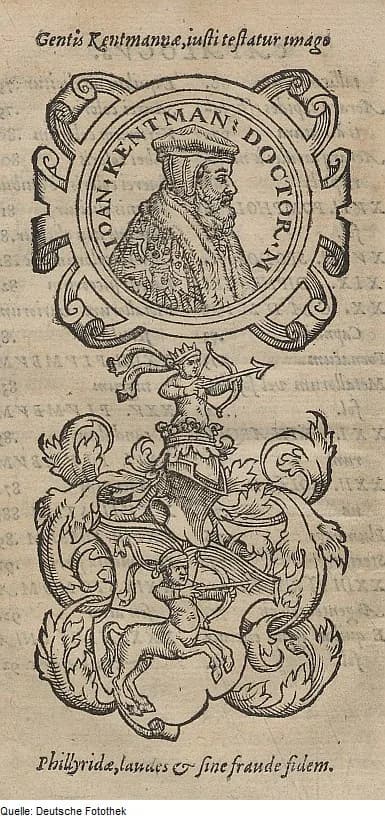
Capitolo
Capitoli di vita
Capitolo 1 · 1516· Capitolo 1 di 6
Early Life and Origins
Conrad Gessner was born into humble beginnings in Zurich, Switzerland, on April 5, 1516. Despite his family's poor circumstances, young Conrad's innate intellectual gifts were quickly recognized by both his father and his insightful teachers. These early mentors were crucial in fostering his talents, providing the essential support he needed to pursue higher education. Their encouragement allowed him to overcome financial hurdles and pursue a path of rigorous academic study, setting the stage for his future scholarly achievements.
His early education prepared him for a diverse academic journey, as he explored classical languages, theology, and medicine at various universities. This broad intellectual foundation equipped Gessner with a unique interdisciplinary perspective that would later define his approach to natural history and bibliography. The opportunity to study such varied subjects allowed him to develop a broad understanding of the world, a rarity even among the learned individuals of his time.
Capitolo 2· Capitolo 2 di 6
Career Beginnings
Upon completing his extensive studies, Conrad Gessner returned to his native Zurich, where he became the city's physician. This esteemed position provided him with a stable livelihood and a base from which to pursue his burgeoning scientific interests. While his medical duties were significant, Gessner skillfully managed his time, allocating substantial portions to his personal passions: collecting, research, and writing. This balance between professional responsibility and intellectual curiosity allowed him to cultivate his pioneering work.
Even in these early stages of his career, Gessner demonstrated an incredible dedication to systematically documenting the world around him. His role as a physician gave him practical insights into human health and disease, but his gaze extended far beyond, encompassing the entire natural world. He began to establish the methodological rigor that would characterize his later, more ambitious projects, laying the groundwork for his future monumental achievements.
Capitolo 3· Capitolo 3 di 6
Major Achievements and Career Highlights
Conrad Gessner's career was marked by a series of monumental achievements that redefined scientific inquiry. He earned the distinguished title of the father of modern scientific bibliography, zoology, and botany, a clear indication of his wide-ranging and profound influence. His pioneering work involved the first systematic efforts to catalog and describe the natural world, moving beyond anecdotal observations to rigorous, documented research. Gessner’s contributions were not merely descriptive; they introduced a new level of scientific methodology.
One of his most celebrated achievements was being among the first to describe various species of plants and animals found in Europe. For instance, he famously provided an early description of the tulip in 1559, a plant that would later become widely cultivated and admired. This particular instance highlights his keen observational skills and his commitment to recording biological diversity, solidifying his reputation as an astute naturalist. Throughout his life, Gessner’s efforts contributed significantly to the burgeoning field of natural history, laying critical groundwork for future generations of scientists.
Capitolo 4· Capitolo 4 di 6
Notable Works or Contributions
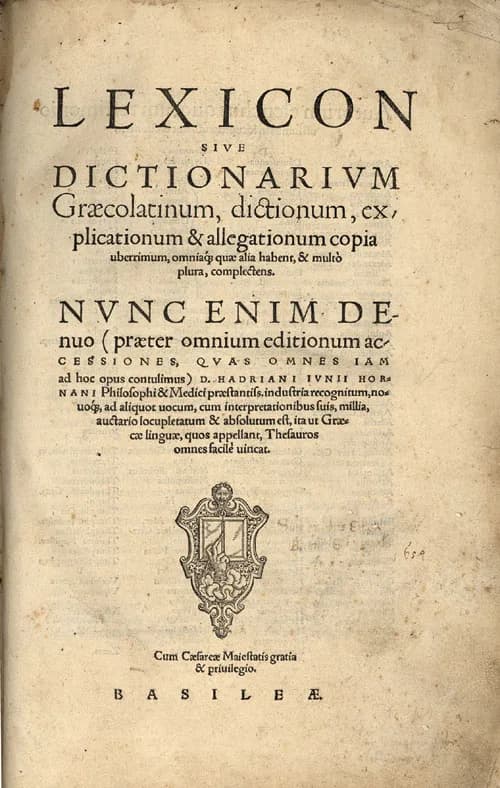
Conrad Gessner is perhaps best known for compiling monumental works that served as cornerstones for their respective fields. His vast encyclopedic endeavors were unprecedented in their scope and detail for the 16th century. These works did not merely list observations but attempted a systematic organization of knowledge, a revolutionary approach at the time.
His contributions to bibliography were particularly significant, earning him recognition as the father of modern scientific bibliography. He sought to create comprehensive catalogs of books and authors, providing scholars with invaluable tools for research and knowledge discovery. Similarly, his extensive writings on zoology were revolutionary, offering detailed descriptions and classifications of animals that far surpassed earlier, less rigorous accounts. At the time of his untimely death, Gessner was also deeply engrossed in a major botanical text, which promised to be as exhaustive and influential as his other works. His dedication to completing this botanical opus highlighted his ambition to document the full spectrum of nature.
Capitolo 5· Capitolo 5 di 6
Legacy and Impact
Conrad Gessner's influence resonated significantly across the centuries, shaping the trajectory of scientific thought and methodology. His insistence on meticulous documentation and systematic classification established standards that continue to underpin modern scientific research. By moving beyond anecdotal evidence and embracing empirical observation, Gessner provided a template for future generations of naturalists and scholars.
His designation as the father of modern scientific bibliography, zoology, and botany is not merely an honorary title; it reflects the enduring changes he brought to these disciplines. The careful descriptions of species, like the tulip, became benchmarks for biological study, inspiring countless others to explore and categorize the natural world. The recognition of his lasting impact is further evidenced by the fact that numerous plants and animals have been named in his honor, a fitting tribute to a man who dedicated his life to understanding them.
Capitolo 6· Capitolo 6 di 6
Later Years and Untimely Passing
Conrad Gessner's later years were marked by an unwavering commitment to his research and writing, even as he continued his duties as Zurich's city physician. He was immersed in the ambitious task of completing his major botanical text, a project that promised to cap his already extraordinary scholarly career. His passion for discovery and the systematic organization of knowledge remained undimmed throughout this period.
Tragically, Gessner's productive life was cut short when he succumbed to the plague on December 23, 1565, in his native Zurich. He was only 49 years old, an age when many scholars are still reaching the peak of their intellectual powers. His passing left a significant void in the scientific community, depriving the world of further potential monumental contributions from this visionary polymath.
FAQ
Domande frequenti
Quando è morto/a Conrad Gessner?
Conrad Gessner è morto/a il 23 dicembre 1565 a Zurich, Switzerland, all'età di 49 anni.
Dove è nato/a Conrad Gessner?
Conrad Gessner è nato/a a Zurich, Switzerland il 5 aprile 1516.
Per cosa è più conosciuto/a Conrad Gessner?
Conrad Gessner è più conosciuto/a per Swiss physician, bibliographer and naturalist.
Quanti anni aveva Conrad Gessner al momento della morte?
Conrad Gessner aveva 49 anni al momento della morte.
Di che nazionalità era Conrad Gessner?
Conrad Gessner era originario/a di Switzerland.
Cronologia
La vita in sintesi
Galleria fotografica
Una vita in immagini
Clicca su una polaroid per ingrandirla · 19 foto
Codice QR
Condividi questa biografia
Stampa e Condividi
Scansiona per visitare questa pagina biografica. Stampa per eventi, mostre o materiali didattici.