Nascita
November 8, 1922
Beaufort West, South Africa
Morte
September 2, 2001
Paphos, Cyprus
Conosciuto per
South African cardiac surgeon
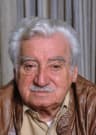
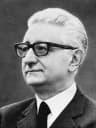
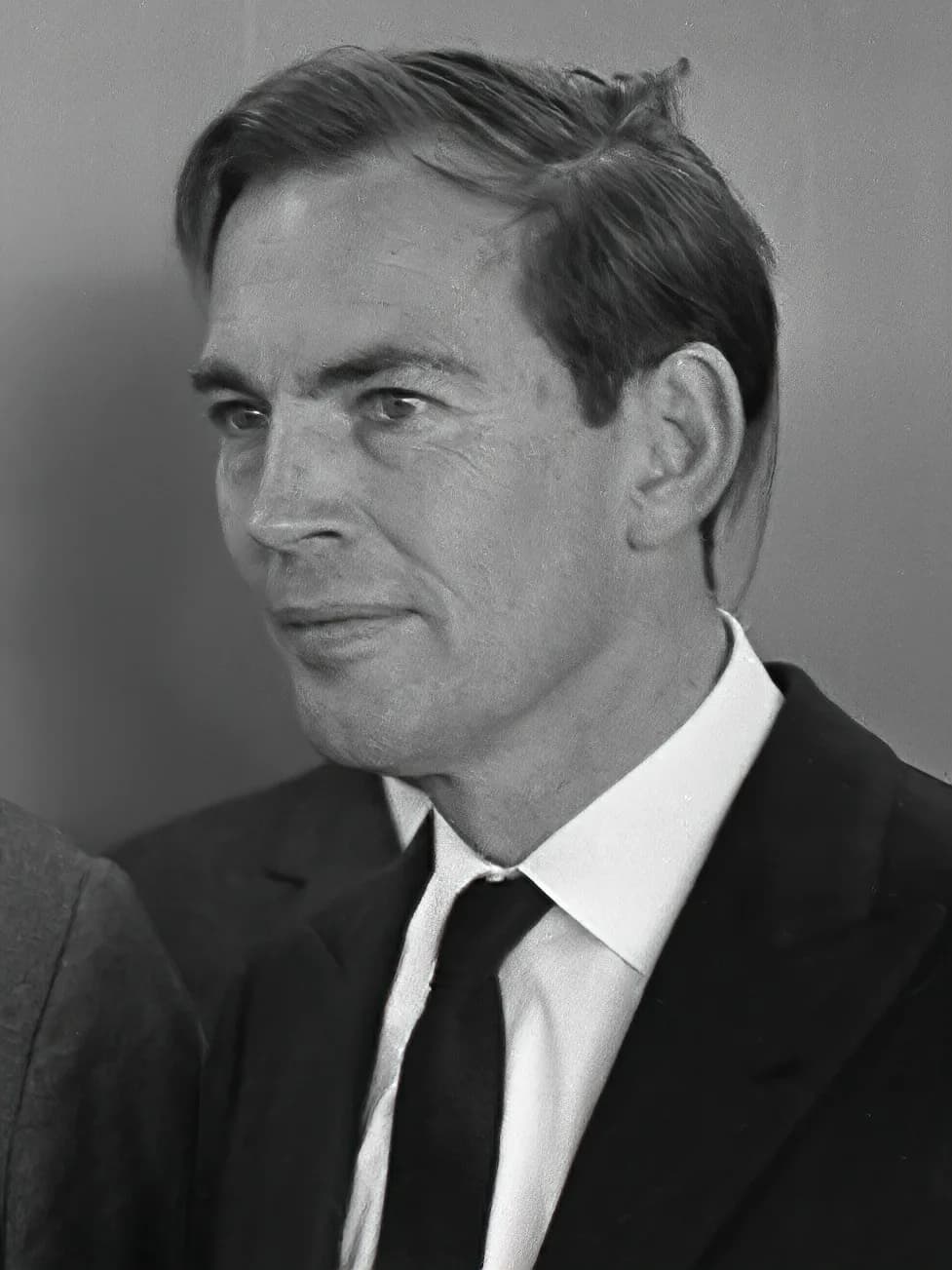
Christiaan Barnard (1922–2001) was South Africa best known for South African cardiac surgeon.
Christiaan Neethling Barnard (November 8, 1922 – September 2, 2001) was a South African cardiac surgeon. He performed the world's first human-to-human heart transplant on December 3, 1967. His pioneering work initiated a new era in organ transplantation and inspired global medical advancements.
Capitolo
Capitoli di vita
Capitolo 1 · 1922· Capitolo 1 di 7
Early Life and Origins
Christiaan Barnard was born on November 8, 1922, in the small town of Beaufort West, located in South Africa. His early life in this Karoo town provided the foundation for a career that would eventually touch millions. Growing up in South Africa, he pursued his education with diligence, setting the stage for his future medical studies.
Details about his specific family upbringing are not extensively provided, but his early environment undoubtedly shaped his dedication. His path led him into the demanding field of medicine, where his intellectual curiosity and determination became evident. This background fueled his ambition to tackle complex medical challenges.
Capitolo 2· Capitolo 2 di 7
Career Beginnings
Barnard's journey into surgery began after his initial medical training, eventually specializing in cardiology. He was drawn to the intricacies of the heart and the critical need for advanced cardiac interventions. His early professional years involved rigorous study and practice, honing the skills that would later define his global reputation.
He dedicated himself to understanding cardiovascular diseases and exploring innovative treatment methods. This intensive preparation laid the groundwork for his future contributions to surgical science. His persistent research and surgical training prepared him for the complex procedures he would later perform.
Capitolo 3 · 1967· Capitolo 3 di 7
Major Achievements and Career Highlights
The defining moment of Christiaan Barnard's career occurred on December 3, 1967, at Groote Schuur Hospital in Cape Town, South Africa. On this historic day, he successfully transplanted the heart of accident victim Denise Darvall into the chest of 54-year-old Louis Washkansky. This audacious procedure stunned the medical world and humanity at large.
Louis Washkansky initially regained full consciousness following the surgery, even conversing easily with his wife. However, he tragically succumbed to pneumonia 18 days later, largely due to the anti-rejection drugs suppressing his immune system. Dr. Barnard had communicated an 80% chance of success to the Washkanskys, an assessment which faced later scrutiny from the medical community.
Undeterred by the initial outcome, Barnard continued his pioneering work. His second transplant patient, Philip Blaiberg, received a new heart at the beginning of 1968. Blaiberg's case proved more enduring, as he returned home from the hospital and lived for a year and a half, demonstrating improved long-term viability for heart transplantation. These early operations cemented Barnard's place in medical history.
Capitolo 4· Capitolo 4 di 7
Personal Life
Beyond his demanding surgical career, Christiaan Barnard also embraced the profession of a writer. This aspect of his life suggests a breadth of interests extending beyond the operating theatre. While specific details about his family and personal relationships are not provided, his literary endeavors highlight a thoughtful and expressive individual.
His dual professions as a surgeon and writer illustrate a unique combination of scientific rigor and creative expression. This capacity for both highly technical work and communication allowed him to share his experiences and insights with a wider audience. His commitment to both fields reflects a full and engaged life.
Capitolo 5· Capitolo 5 di 7
Notable Works or Contributions
Christiaan Barnard's contributions extended beyond surgical practice into the literary world, where he authored several notable works. These publications often explored medical topics, ethical considerations, and personal reflections from his extraordinary career. He aimed to inform and educate the public about complex health issues.
Among his significant published works are titles such as "The Living Body" and "Living in the future." He also authored books in other languages, including "Les saisons de la nuit" in French and "Arche der Hoffnung" in German, demonstrating his international reach. His work "Mieux vivre l'arthrite et les rhumatismes" highlighted his interest in broader health concerns. These writings allowed him to communicate his expertise and perspectives to a global readership.
Capitolo 6· Capitolo 6 di 7
Later Years
After his intense surgical career, Christiaan Barnard continued to contribute to public discourse, leveraging his experience as both a surgeon and a writer. His later years were marked by reflection on medical advancements and societal changes. He remained a prominent figure, sharing insights drawn from a lifetime at the forefront of medical innovation.
Christiaan Barnard passed away on September 2, 2001, in Paphos, Cyprus, at the age of 78. His death marked the end of a life dedicated to pushing the boundaries of medical science and inspiring countless others. He left behind a legacy of courage and relentless pursuit of medical progress.
Capitolo 7· Capitolo 7 di 7
Legacy and Impact
Christiaan Barnard's legacy is immense, primarily for his daring execution of the first human heart transplant. His initial operation, though short-lived for the patient, opened the floodgates for transplant medicine worldwide. It proved that such a procedure was technically possible, sparking intensive research into immunosuppression and surgical techniques.
His work fundamentally altered the medical community's understanding of what was achievable in organ replacement therapy. By taking that critical first step, he inspired generations of surgeons and scientists to refine the process, leading to the highly successful heart transplant outcomes we see today. Barnard's pioneering spirit continues to influence the pursuit of medical frontiers.
Una vita in momenti
I momenti che hanno plasmato una vita
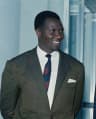
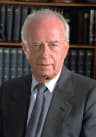
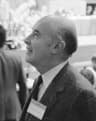
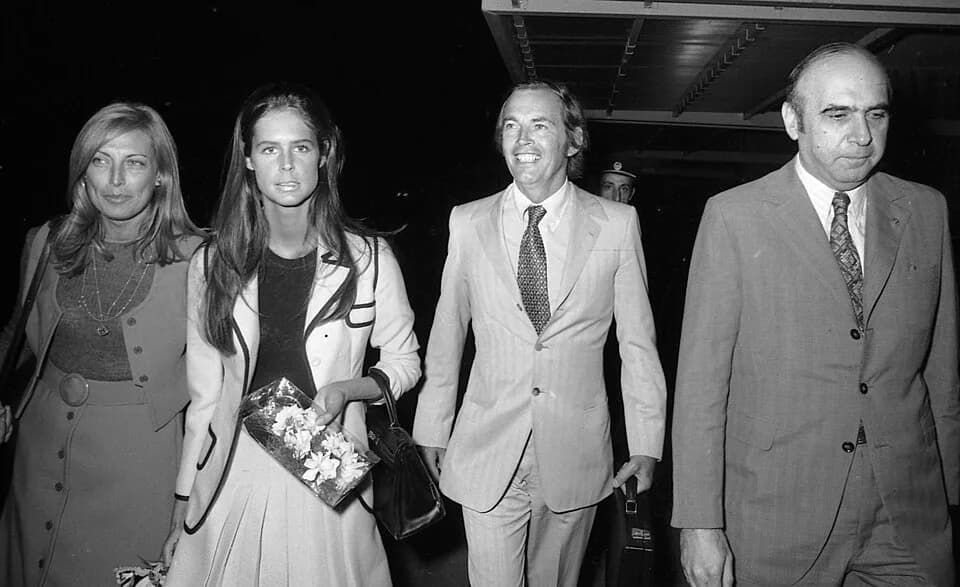
![Christiaan Barnard - Collectie / Archief : Fotocollectie Anefo
Reportage / Serie : [ onbekend ]
Beschrijving : Aankomst Dr. Chris Barnard op Schiphol. Hier tijdens persconferentie
Datum : 8 mei 1968
T](/_next/image?url=https%3A%2F%2Fcdn.whowasthisguy.com%2Fgallery_wikimedia_commons_1778032166041_0_48726f17ab.webp&w=1920&q=75)
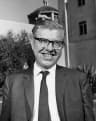
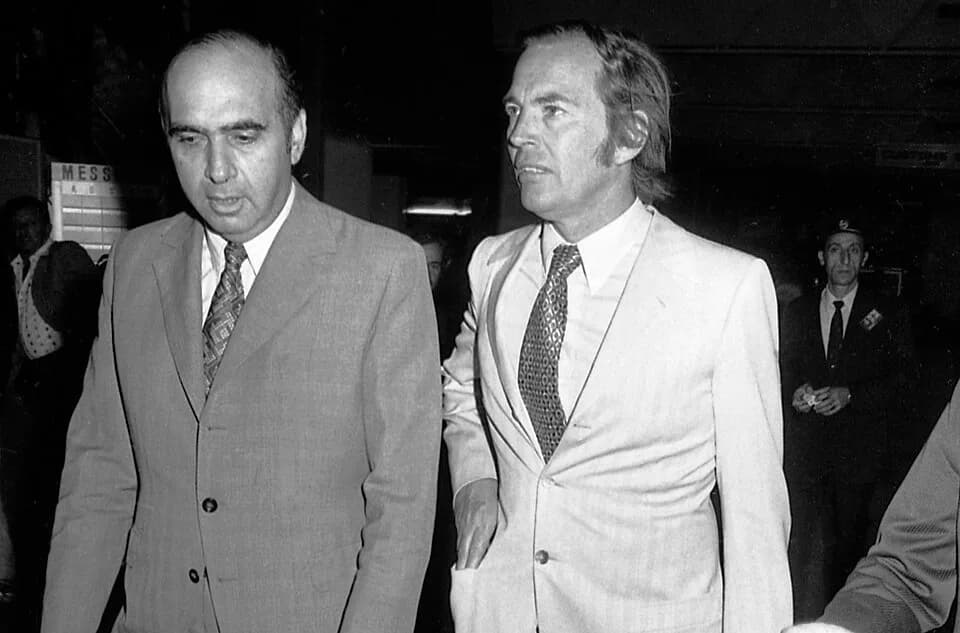
![Christiaan Barnard - Collectie / Archief : Fotocollectie Anefo
Reportage / Serie : [ onbekend ]
Beschrijving : Aankomst Dr. Chris Barnard op Schiphol. Hier tijdens persconferentie
Datum : 8 mei 1968
T](/_next/image?url=https%3A%2F%2Fcdn.whowasthisguy.com%2Fgallery_wikimedia_commons_1778032167517_1_92bb224757.webp&w=1920&q=75)
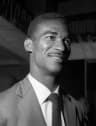
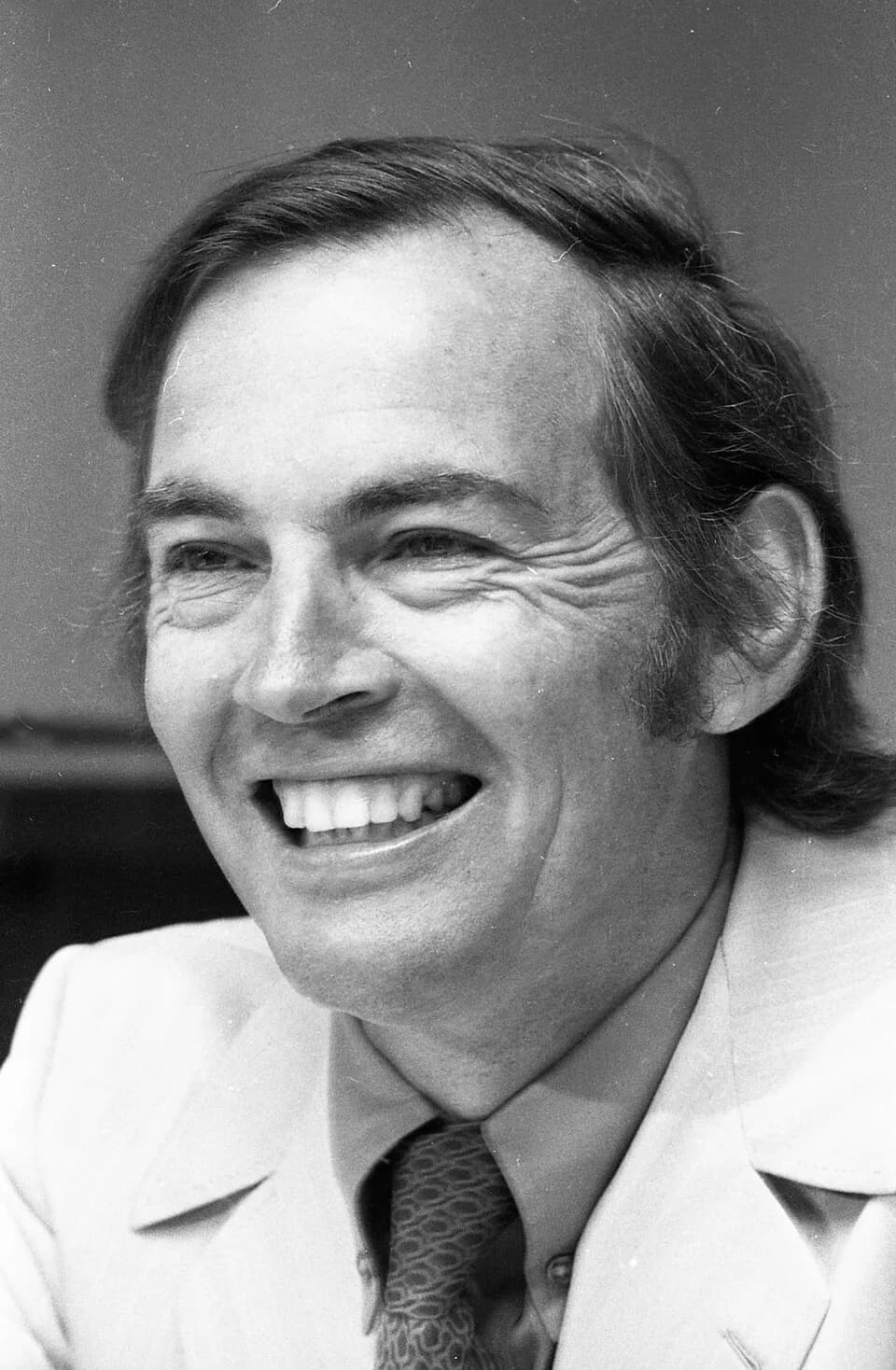
![Christiaan Barnard - Collectie / Archief : Fotocollectie Elsevier
Reportage / Serie : [ onbekend ]
Beschrijving : bezoeken, artsen, persconferenties, Barnard Ch., Greep J.M.
Datum : 20 augustus 1968
L](/_next/image?url=https%3A%2F%2Fcdn.whowasthisguy.com%2Fgallery_wikimedia_commons_1778032168453_2_36056a83e9.webp&w=1920&q=75)
FAQ
Domande frequenti
Quando è morto/a Christiaan Barnard?
Christiaan Barnard è morto/a il 2 settembre 2001 a Paphos, Cyprus, all'età di 78 anni.
Dove è nato/a Christiaan Barnard?
Christiaan Barnard è nato/a a Beaufort West, South Africa il 8 novembre 1922.
Per cosa è più conosciuto/a Christiaan Barnard?
Christiaan Barnard è più conosciuto/a per South African cardiac surgeon.
Quanti anni aveva Christiaan Barnard al momento della morte?
Christiaan Barnard aveva 78 anni al momento della morte.
Di che nazionalità era Christiaan Barnard?
Christiaan Barnard era originario/a di South Africa.
Cronologia
La vita in sintesi
Galleria fotografica
Una vita in immagini
Clicca su una polaroid per ingrandirla · 45 foto
Codice QR
Condividi questa biografia
Stampa e Condividi
Scansiona per visitare questa pagina biografica. Stampa per eventi, mostre o materiali didattici.