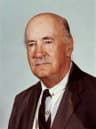
Nascita
October 3, 1904
Busan, South Korea
Morte
October 26, 1989
Salem, United States
Conosciuto per
American organic chemist
Charles J. Pedersen (1904–1989) was South Korea best known for American organic chemist.
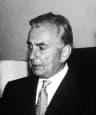
Charles J. Pedersen (October 3, 1904 – October 26, 1989) was an American organic chemist. He is best known for discovering crown ethers and sharing the Nobel Prize in Chemistry in 1987. His work significantly influenced the field of supramolecular chemistry.
Capitolo
Capitoli di vita
Capitolo 1 · 1904· Capitolo 1 di 7
In Memoriam: Charles J. Pedersen
Charles J. Pedersen (October 3, 1904 – October 26, 1989) was an esteemed American organic chemist whose scientific contributions profoundly advanced the field of chemistry. He is widely recognized for his pioneering work in discovering crown ethers and developing methods for their synthesis. This significant achievement earned him a share of the Nobel Prize in Chemistry in 1987, solidifying his place among the most influential chemists of his era. His dedication to research spanned a remarkable 42-year career, leaving a lasting impact on how scientists understand molecular interactions.
Capitolo 2 · 1904· Capitolo 2 di 7
Early Life and Origins
Charles J. Pedersen was born on October 3, 1904, in Busan, South Korea. His early life in Korea set the stage for a career that would eventually lead him to become a prominent figure in American science. Details about his family and early education are not extensively documented, but his journey from his birthplace to becoming a Nobel laureate highlights a remarkable trajectory.
Capitolo 3· Capitolo 3 di 7
Career Beginnings
Pedersen dedicated his entire professional life to DuPont, where he spent 42 years as a chemist and researcher. His long and productive tenure primarily took place at two of DuPont's key research facilities. These included the DuPont Experimental Station in Wilmington, Delaware, and DuPont's Jackson Laboratory in Deepwater, New Jersey. It was within these innovative environments that he conducted the research that would eventually redefine aspects of organic chemistry.
Capitolo 4· Capitolo 4 di 7
Major Achievements and Career Highlights
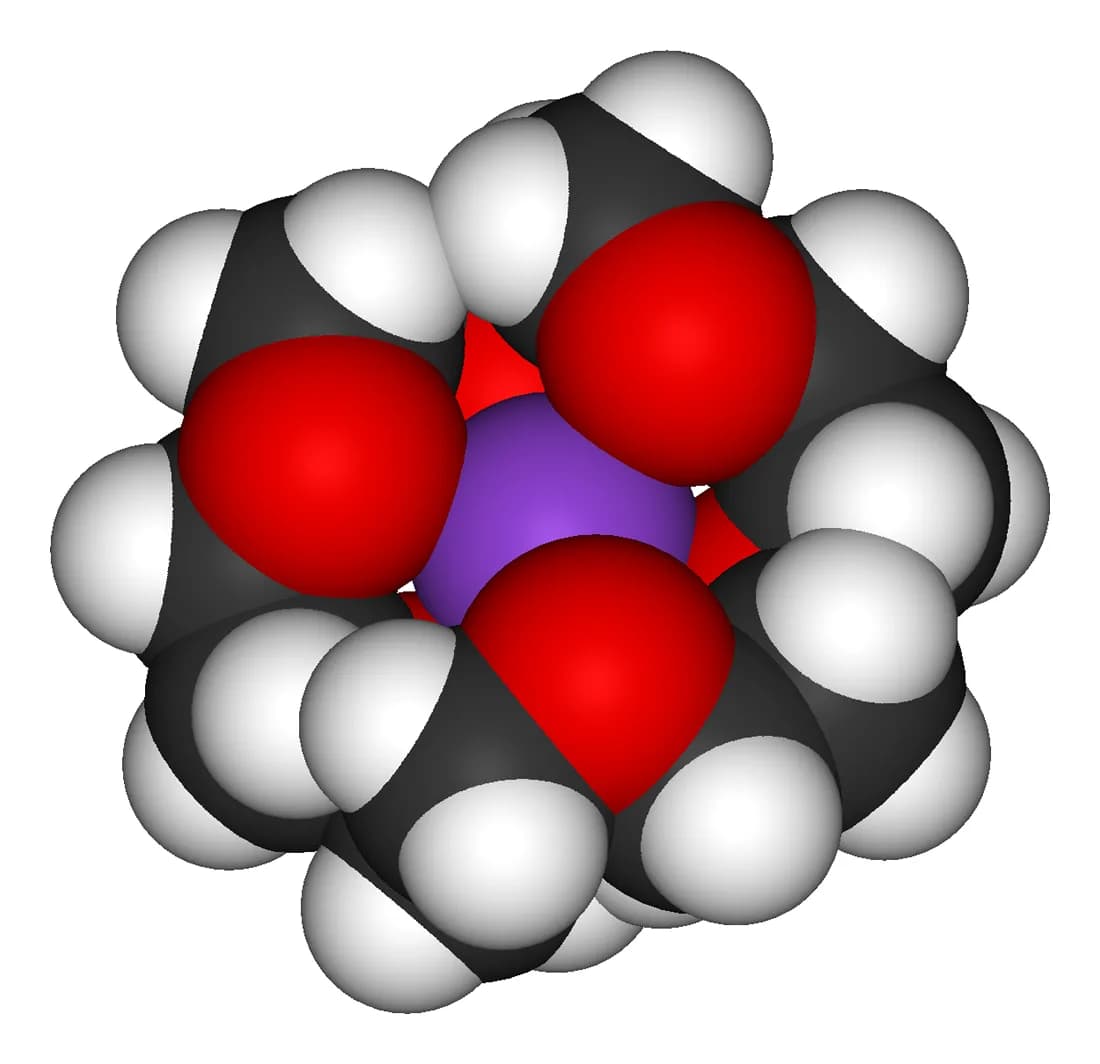
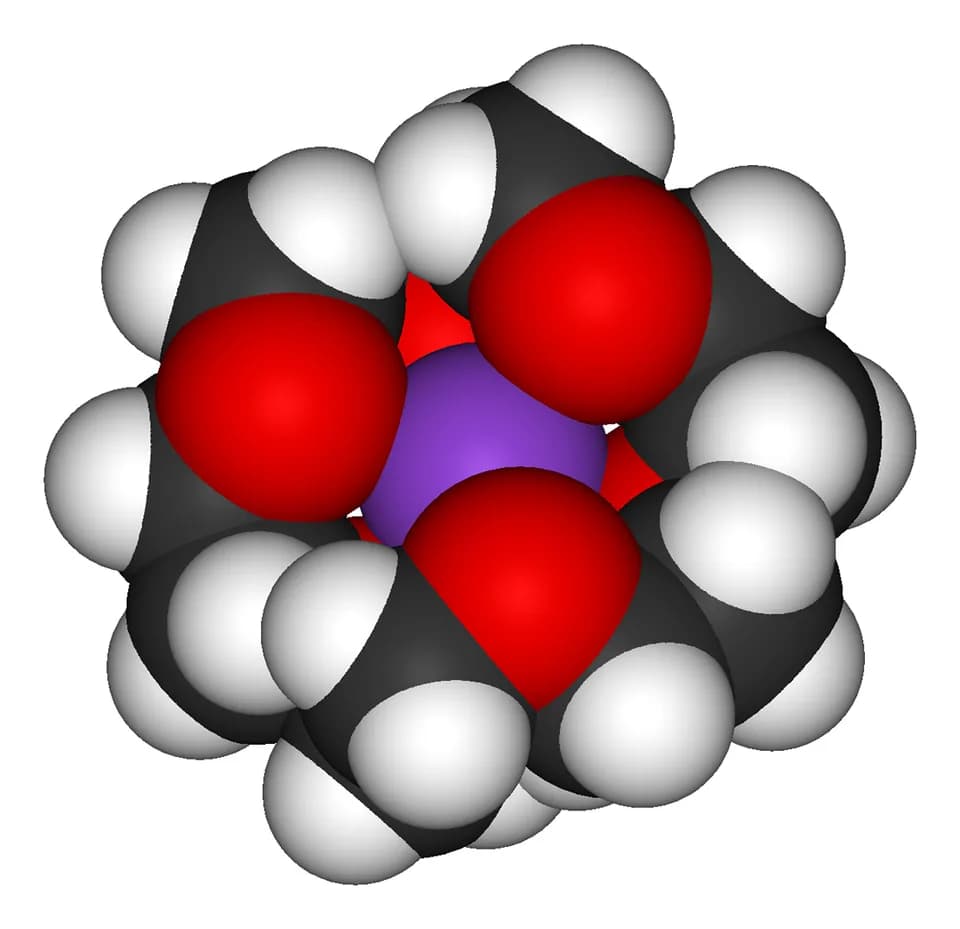
Pedersen's most significant scientific achievement was the discovery of crown ethers, a class of cyclic chemical compounds. He not only identified these unique molecules but also developed practical methods for their synthesis, which opened new avenues in chemical research. His work on crown ethers demonstrated their ability to selectively bind to metal ions, a phenomenon with far-reaching implications.
This pioneering research culminated in Charles J. Pedersen being awarded the Nobel Prize in Chemistry in 1987. He shared this prestigious honor with Donald J. Cram and Jean-Marie Lehn. The Nobel Committee recognized their collective efforts "for their development and use of molecules with structure-specific interactions of high selectivity." Pedersen's name is often associated with Reed McNeil Izatt due to their collaborative contributions to the field. He stands as one of only three Nobel Prize laureates born in Korea, alongside Kim Dae-jung and Han Kang.
Capitolo 5 · 1988· Capitolo 5 di 7
Notable Works or Contributions
Throughout his career, Pedersen maintained a robust publication record, authoring 30 papers and achieving an h-index of 16. His most celebrated work is "The Discovery of Crown Ethers (Noble Lecture)" published in 1988, which has garnered 883 citations. Another influential paper, also titled "The discovery of crown ethers," from 1988, received 356 citations, offering further insights into his pioneering research.
Other significant contributions include "Macrocyclic Polyethers: Dibenzo-18-crown-6 Polyether and Dicyclohexyl-18-crown-6 Polyether" (2003, 21 citations), which detailed specific crown ether compounds. He also published "The productive scientific career of Charles J. Pedersen supplemented by an account of the discovery of 'crown ethers'" (1988, 8 citations) and "The structure of 1,6-anhydro--D-allopyranose: allosan" (1981, 3 citations). These publications collectively illustrate his deep commitment to understanding and advancing organic chemistry, particularly in the domain of host-guest chemistry facilitated by crown ethers.
Capitolo 6 · 1987· Capitolo 6 di 7
Later Years
Charles J. Pedersen's recognition with the Nobel Prize in 1987 came towards the end of his illustrious career. His Nobel lecture, detailing the journey of his discovery, was published in 1988. He passed away relatively soon after receiving the Nobel, on October 26, 1989, in Salem, United States. His final years were marked by the global acknowledgment of his profound scientific contributions.
Capitolo 7· Capitolo 7 di 7
Legacy and Impact
The legacy of Charles J. Pedersen is firmly rooted in the field of supramolecular chemistry, which he helped to establish through his discovery of crown ethers. These molecules, capable of selectively binding ions, became fundamental tools for chemists worldwide, opening new pathways for drug design, catalysis, and chemical sensing. His work laid essential groundwork for understanding molecular recognition, a concept crucial across many scientific disciplines.
Pedersen's dedication to industrial research, combined with his theoretical insights, serves as an enduring example of how sustained inquiry can lead to revolutionary scientific advancements. His recognition as a Nobel laureate born in Korea also highlights his unique position in the global scientific community. The principles he established continue to influence current research, ensuring his place as a visionary chemist.
Una vita in momenti
I momenti che hanno plasmato una vita

FAQ
Domande frequenti
Quando è morto/a Charles J. Pedersen?
Charles J. Pedersen è morto/a il 26 ottobre 1989 a Salem, United States, all'età di 85 anni.
Dove è nato/a Charles J. Pedersen?
Charles J. Pedersen è nato/a a Busan, South Korea il 3 ottobre 1904.
Per cosa è più conosciuto/a Charles J. Pedersen?
Charles J. Pedersen è più conosciuto/a per American organic chemist.
Quanti anni aveva Charles J. Pedersen al momento della morte?
Charles J. Pedersen aveva 85 anni al momento della morte.
Di che nazionalità era Charles J. Pedersen?
Charles J. Pedersen era originario/a di South Korea.
Cronologia
La vita in sintesi
Galleria fotografica
Una vita in immagini
Clicca su una polaroid per ingrandirla · 20 foto
Codice QR
Condividi questa biografia
Stampa e Condividi
Scansiona per visitare questa pagina biografica. Stampa per eventi, mostre o materiali didattici.