Nascita
November 22, 1913
Lowestoft, United Kingdom
Morte
December 4, 1976
Aldeburgh, United Kingdom
Conosciuto per
English composer, conductor, and pianist
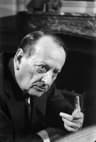
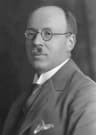
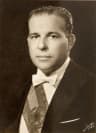
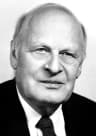
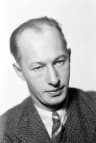
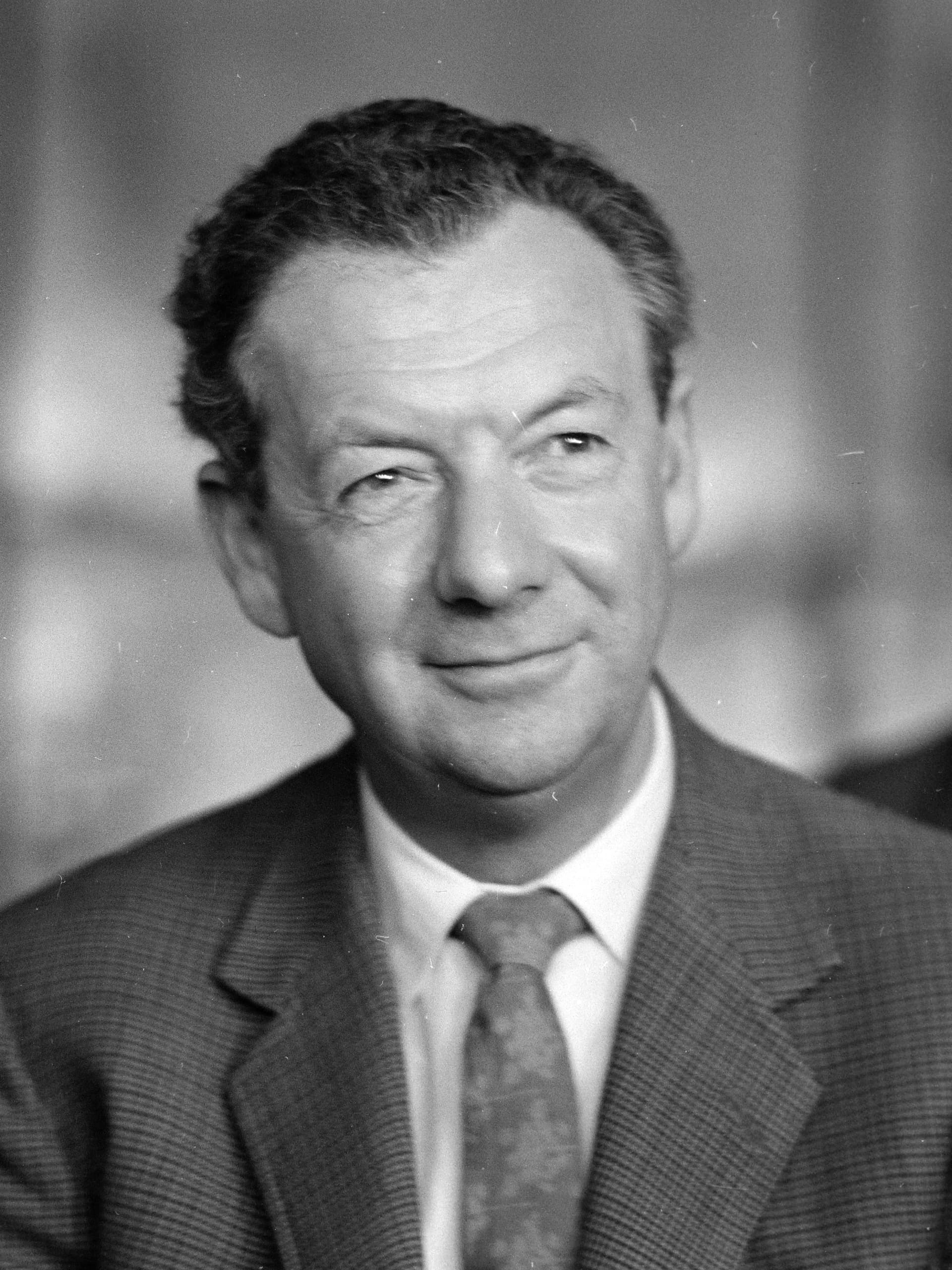
Benjamin Britten (1913–1976) was United Kingdom best known for English composer, conductor, and pianist.
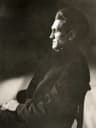
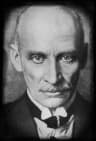
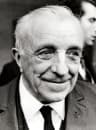
Edward Benjamin Britten (November 22, 1913 – December 4, 1976) was an English composer, conductor, and pianist from Lowestoft, United Kingdom. He became a central figure in 20th-century British music, celebrated for operas like Peter Grimes and the powerful War Requiem. His innovative works continue to be performed worldwide.
Capitolo
Capitoli di vita
Capitolo 1 · 1913· Capitolo 1 di 7
Introduction
Edward Benjamin Britten, born on November 22, 1913, and who passed away on December 4, 1976, was a celebrated English composer, conductor, and pianist. He emerged as a central figure in 20th-century British music, leaving behind a rich legacy of opera, vocal compositions, and orchestral pieces. His contributions shaped the classical music landscape, marking him as a pivotal artist of his time.
Capitolo 2 · 1913· Capitolo 2 di 7
Early Life and Origins
Benjamin Britten's journey began in Lowestoft, United Kingdom, where he was born in 1913. This coastal town provided the early backdrop for a talent that would later resonate across the globe. His early years were foundational to his artistic development, though specific details of his upbringing are not provided.
Capitolo 3· Capitolo 3 di 7
Career Beginnings and Rise to Prominence
Britten quickly established himself in the music world as a composer, conductor, and pianist. His early career saw him developing a unique voice that would soon define a significant era of British classical music. He began to explore a range of musical forms, laying the groundwork for his future successes.
Capitolo 4 · 1945· Capitolo 4 di 7
Major Achievements and Career Highlights
Throughout his career, Benjamin Britten achieved significant milestones that cemented his reputation. Among his most celebrated works is the opera Peter Grimes, which premiered in 1945 to widespread acclaim. The powerful War Requiem, composed in 1962, also stands as a testament to his profound artistry and social consciousness. Additionally, the orchestral showpiece The Young Person's Guide to the Orchestra, also from 1945, became a beloved educational and performance piece.
As a conductor, Britten frequently led performances of his own works and those of other composers, interpreting music with authority and insight. His skills as a pianist were also integral to his musicianship, often accompanying singers or performing chamber music. These roles collectively showcased his versatile musical talents, making him a truly multifaceted artist.
Capitolo 5 · 1955· Capitolo 5 di 7
Notable Works and Contributions
Britten's prolific output spanned various genres within classical music and opera. His discography includes several notable recordings from the 1950s to the 1970s, highlighting the breadth of his creative endeavors. In 1955, a recording of Ginastera: Variaciones concertantes / Britten: Young Person’s Guide to the Orchestra showcased his work alongside other contemporary masters.
Further demonstrating his diverse contributions, his compositions were featured in releases such as Carnival of the Animals/The Young Person's Guide to the Orchestra (1962) and Serge Prokofiev: Peter and the Wolf / Benjamin Britten: Young Person’s Guide to the Orchestra (1962). The seminal War Requiem received a dedicated recording in 1963, capturing its impactful premiere performance. Other significant works include recordings of Rejoice in the Lamb / Missa brevis / A Ceremony of Carols (1965) and the full opera A Midsummer Night’s Dream (1966).
His discography also features works like Simple Symphony / Prelude and Fugue / Serenade (1973) and Young Person's Guide to the Orchestra Op. 34 / Variations on a Theme of Frank Bridge for string orchestra, Op. 10 (1967). These recordings represent only a fraction of his extensive catalogue, which consistently explored vocal music, orchestral compositions, and chamber pieces.
Capitolo 6 · 1976· Capitolo 6 di 7
Later Years
Benjamin Britten continued his creative work and influence into his later years. He passed away on December 4, 1976, in Aldeburgh, United Kingdom. His death marked the end of an era for British music, though his compositions ensured his presence would endure for generations.
Capitolo 7· Capitolo 7 di 7
Legacy and Impact
The legacy of Edward Benjamin Britten is immense, cementing his place as a towering figure in 20th-century music. He is remembered for his dedication to opera and classical music, genres he enriched with his distinctive style and narrative depth. His works continue to be performed and studied, inspiring new generations of musicians and audiences alike.
Britten's ability to blend traditional forms with modern sensibilities made his music both accessible and profound. From the dramatic intensity of Peter Grimes to the instructional charm of The Young Person's Guide to the Orchestra, his compositions left an enduring mark. He remains a cornerstone of the British musical heritage and a globally recognized master of his craft.
Una vita in momenti
I momenti che hanno plasmato una vita




FAQ
Domande frequenti
Quando è morto/a Benjamin Britten?
Benjamin Britten è morto/a il 4 dicembre 1976 a Aldeburgh, United Kingdom, all'età di 63 anni.
Dove è nato/a Benjamin Britten?
Benjamin Britten è nato/a a Lowestoft, United Kingdom il 22 novembre 1913.
Per cosa è più conosciuto/a Benjamin Britten?
Benjamin Britten è più conosciuto/a per English composer, conductor, and pianist.
Quanti anni aveva Benjamin Britten al momento della morte?
Benjamin Britten aveva 63 anni al momento della morte.
Di che nazionalità era Benjamin Britten?
Benjamin Britten era originario/a di United Kingdom.
Cronologia
La vita in sintesi
Galleria fotografica
Una vita in immagini
Clicca su una polaroid per ingrandirla · 45 foto
Codice QR
Condividi questa biografia
Stampa e Condividi
Scansiona per visitare questa pagina biografica. Stampa per eventi, mostre o materiali didattici.