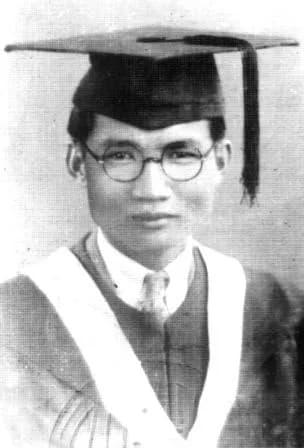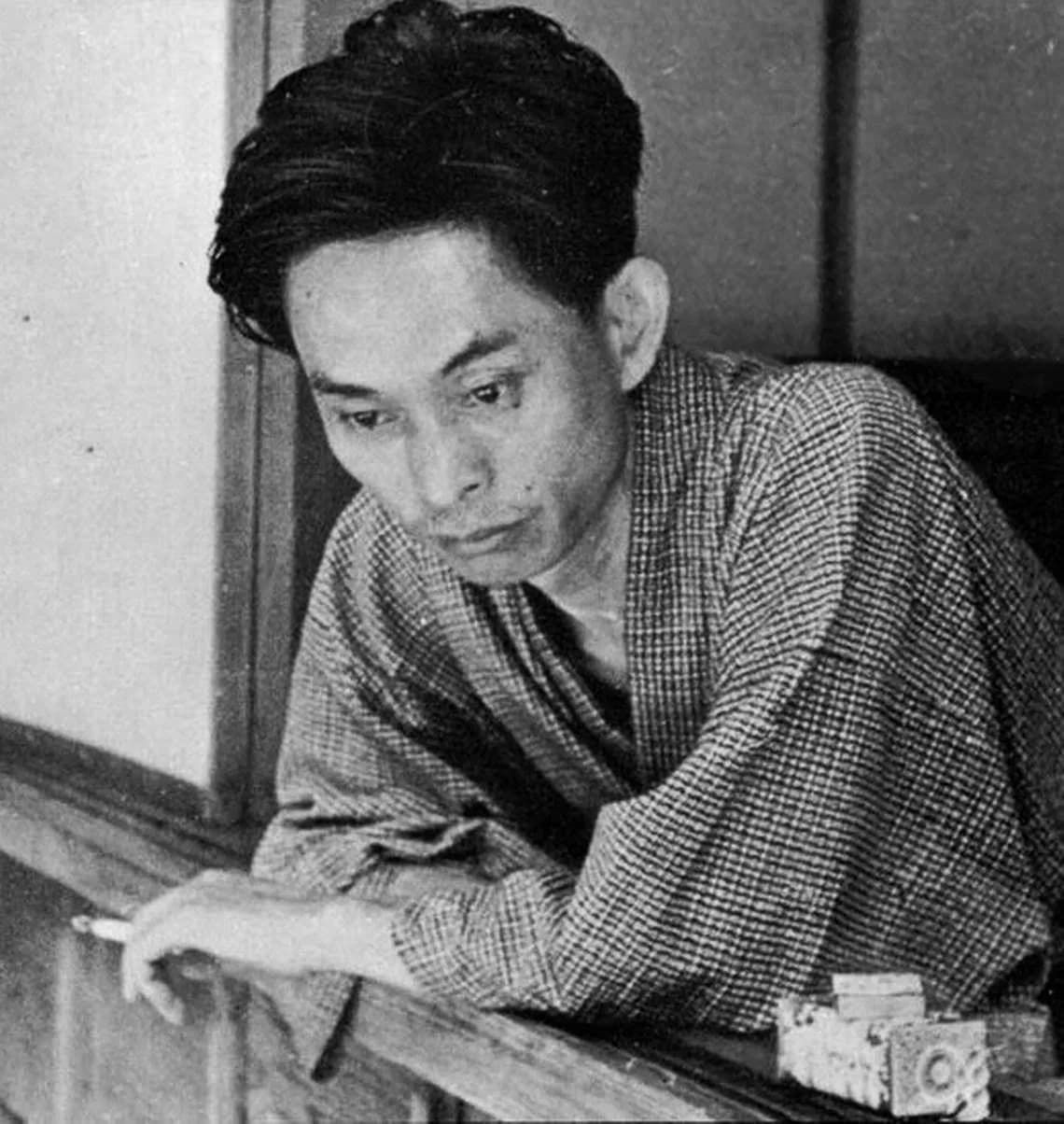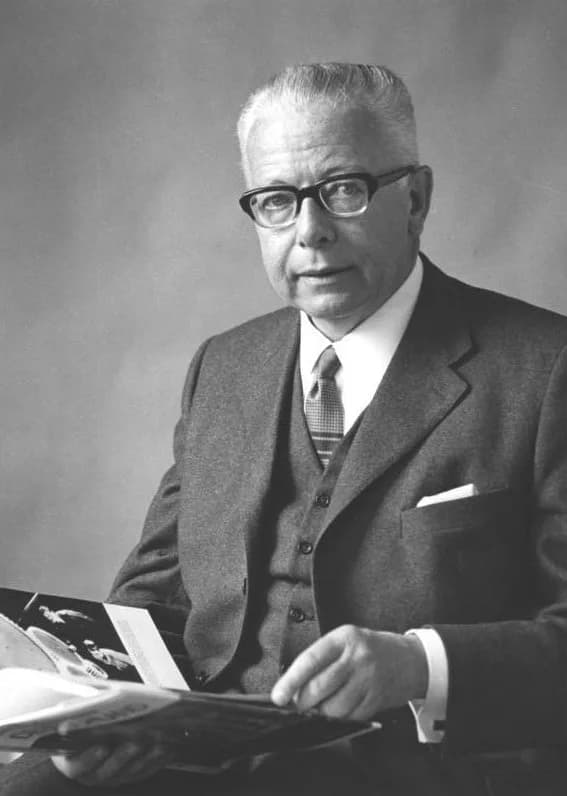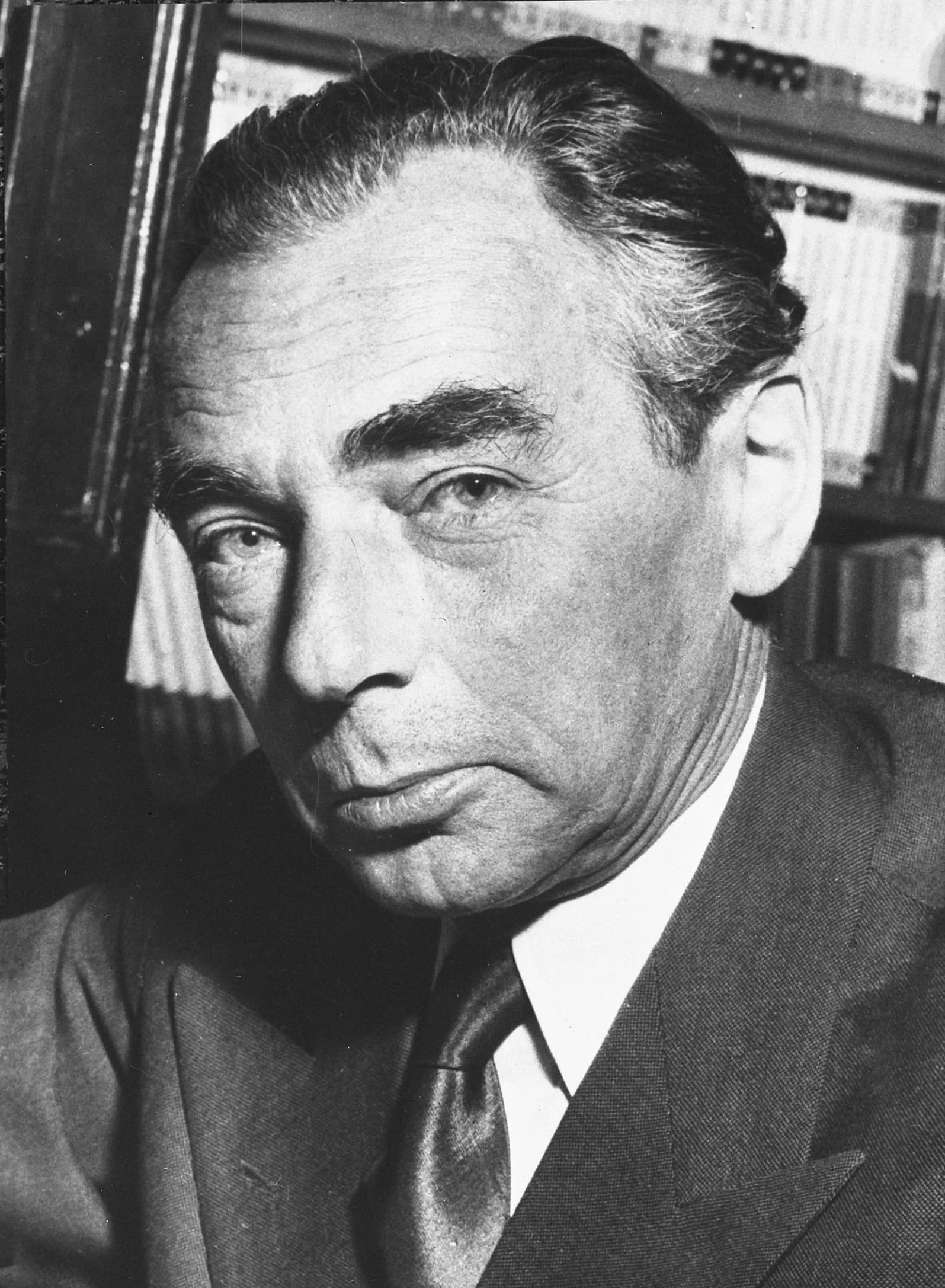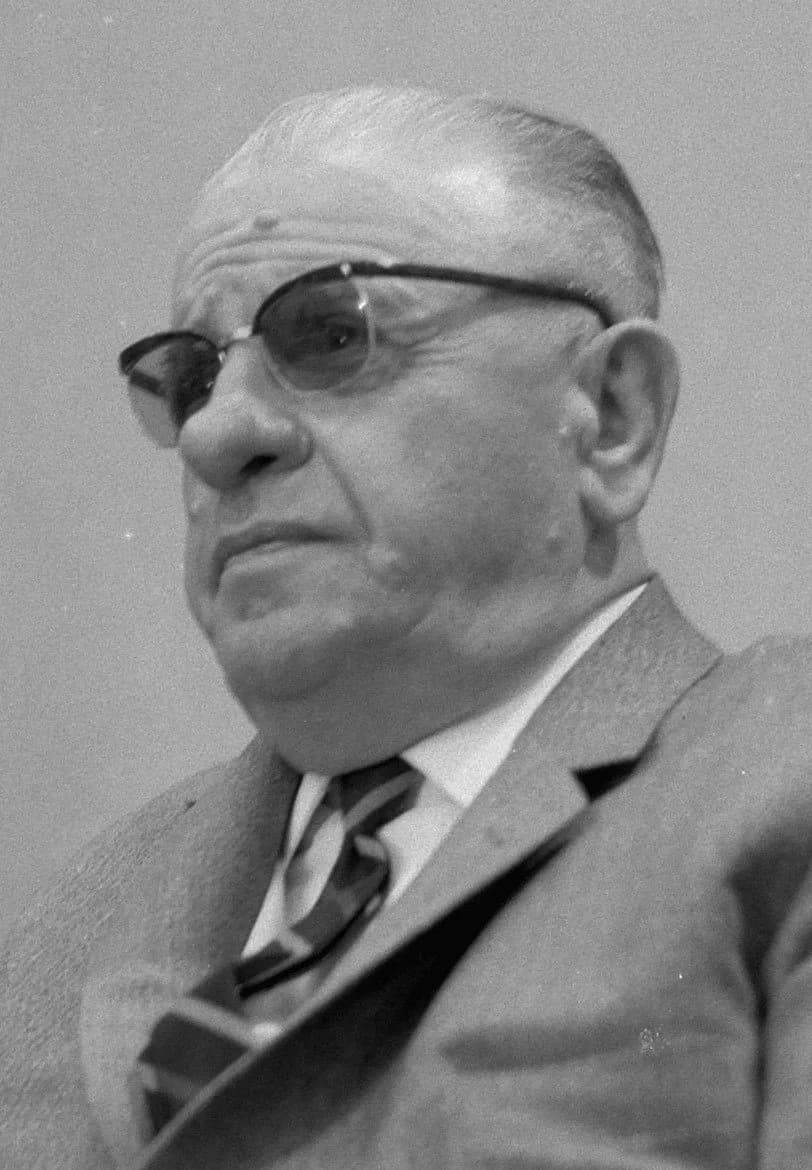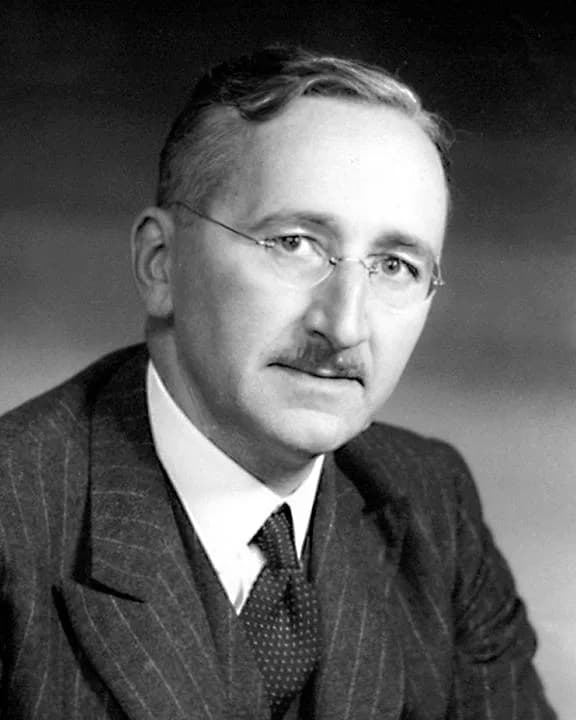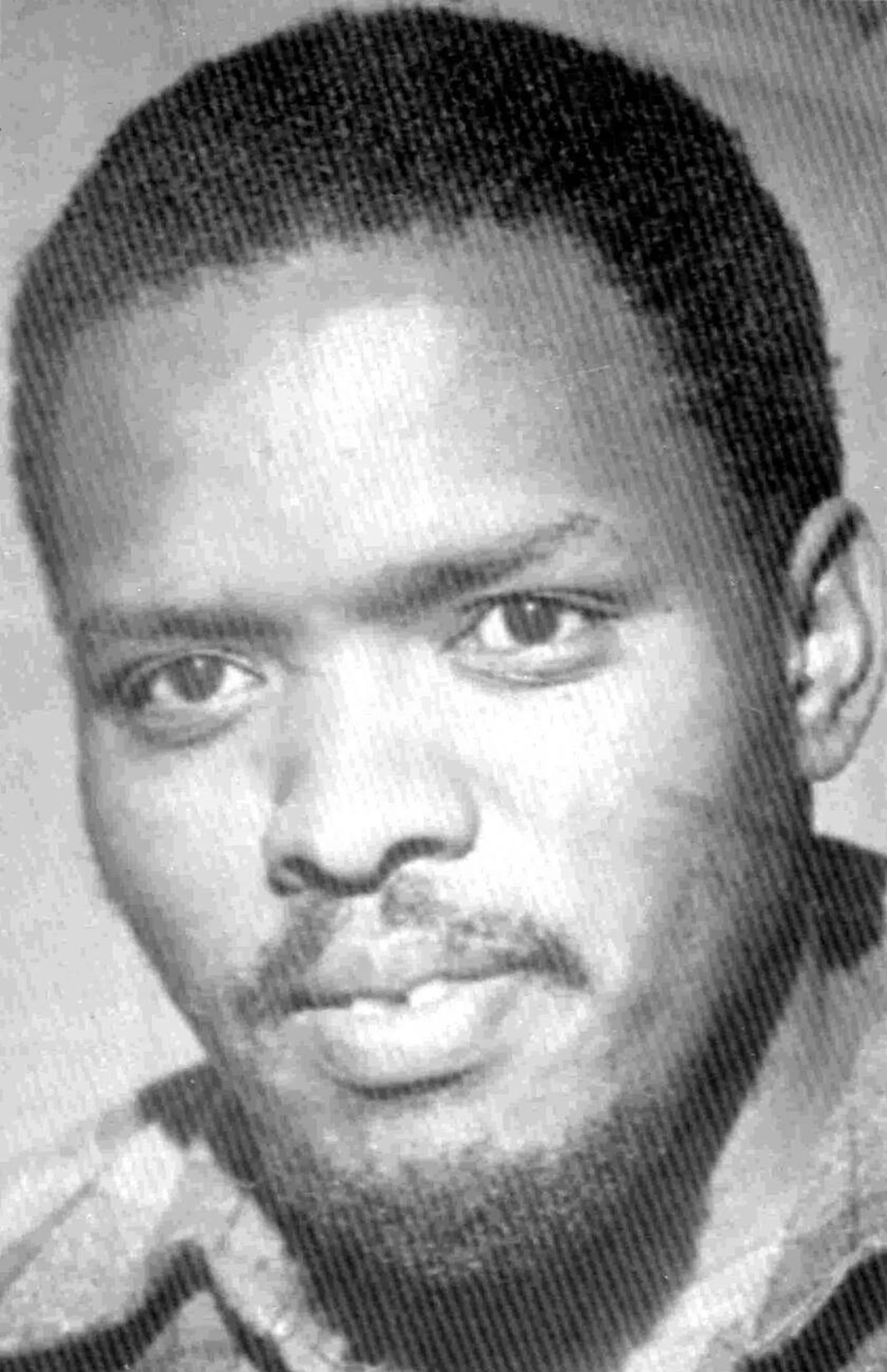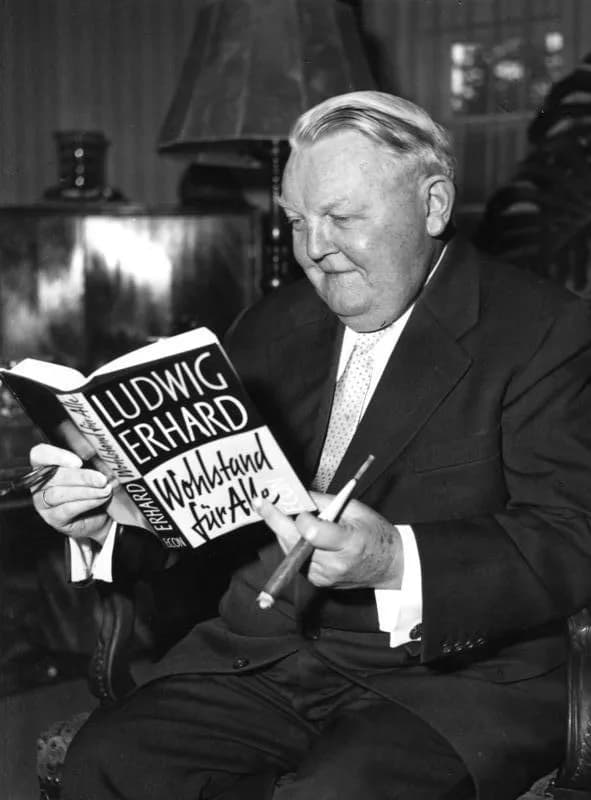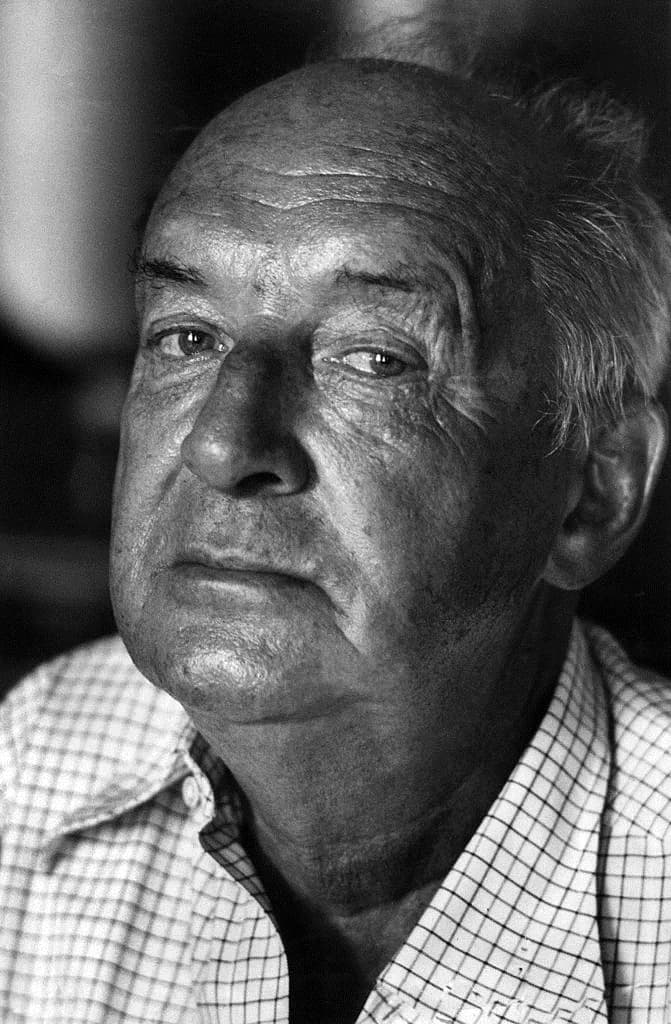
Né(e)
April 22, 1899
Saint Petersburg, Russia
Décédé(e)
July 2, 1977
Montreux, Switzerland
Connu(e) pour
Russian-American novelist, lepidopterist, professor
Vladimir Nabokov (1899–1977) was Russia best known for Russian-American novelist, lepidopterist, professor.
Vladimir Nabokov (April 22, 1899 – July 2, 1977) was a Russian-American novelist, lepidopterist, and professor. He was known for his literary works, including "Lolita," and his scientific contributions to entomology. His distinct prose style and intellectual curiosity left a lasting impact on literature and science.
Une vie en moments
Les moments qui ont façonné une vie
Chapitre
Chapitres de vie
Chapitre 1 · 1899· Chapitre 1 sur 8
Opening
Vladimir Nabokov (April 22, 1899 – July 2, 1977) was a distinguished Russian-American novelist, lepidopterist, and professor. His life spanned two continents and several professions, significantly influencing both literature and entomology. Born in Saint Petersburg, Russia, he became renowned for his precise prose and intellectual depth as well as his scientific work.
Chapitre 2 · 1899· Chapitre 2 sur 8
Early Life and Origins
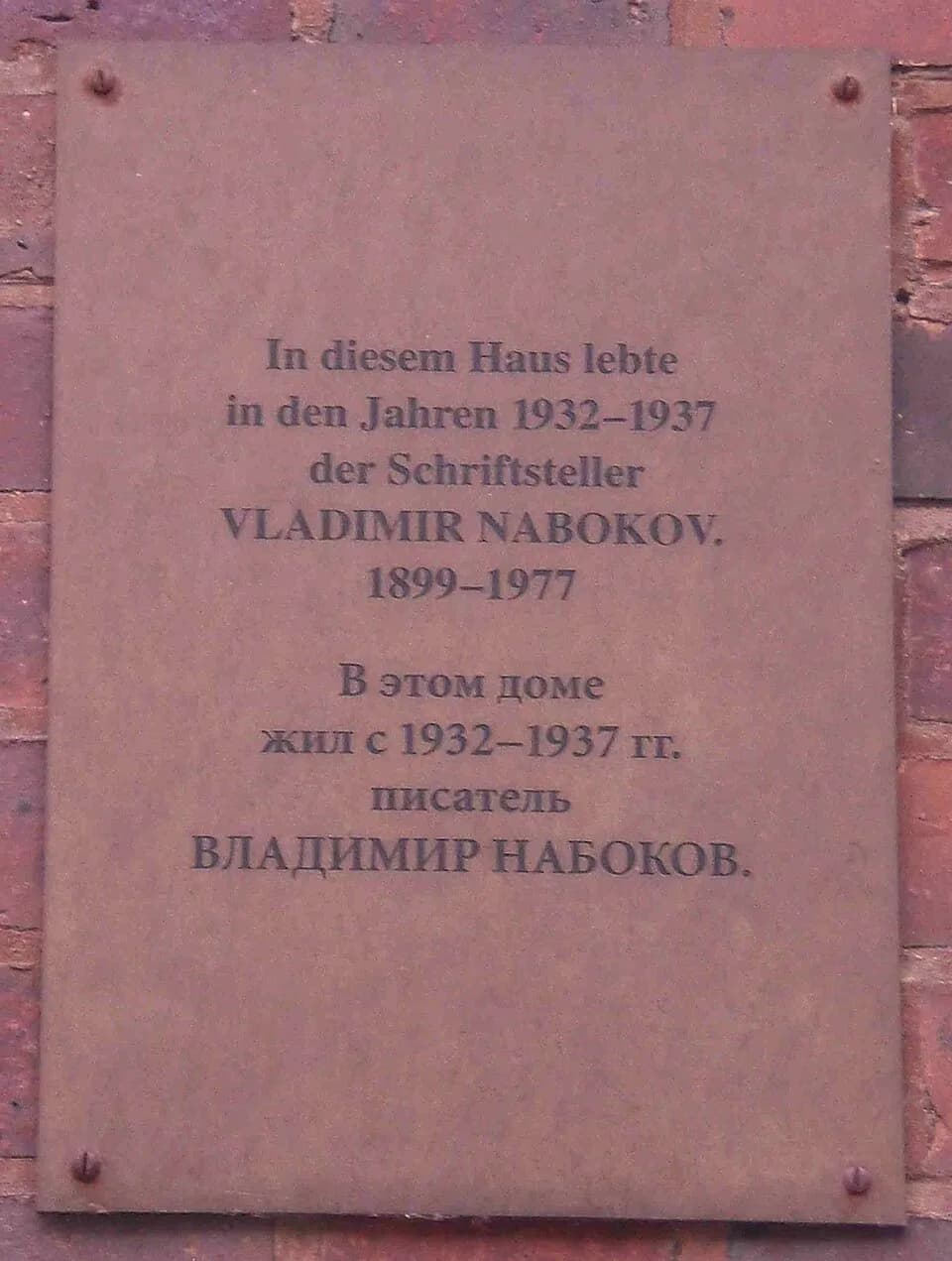
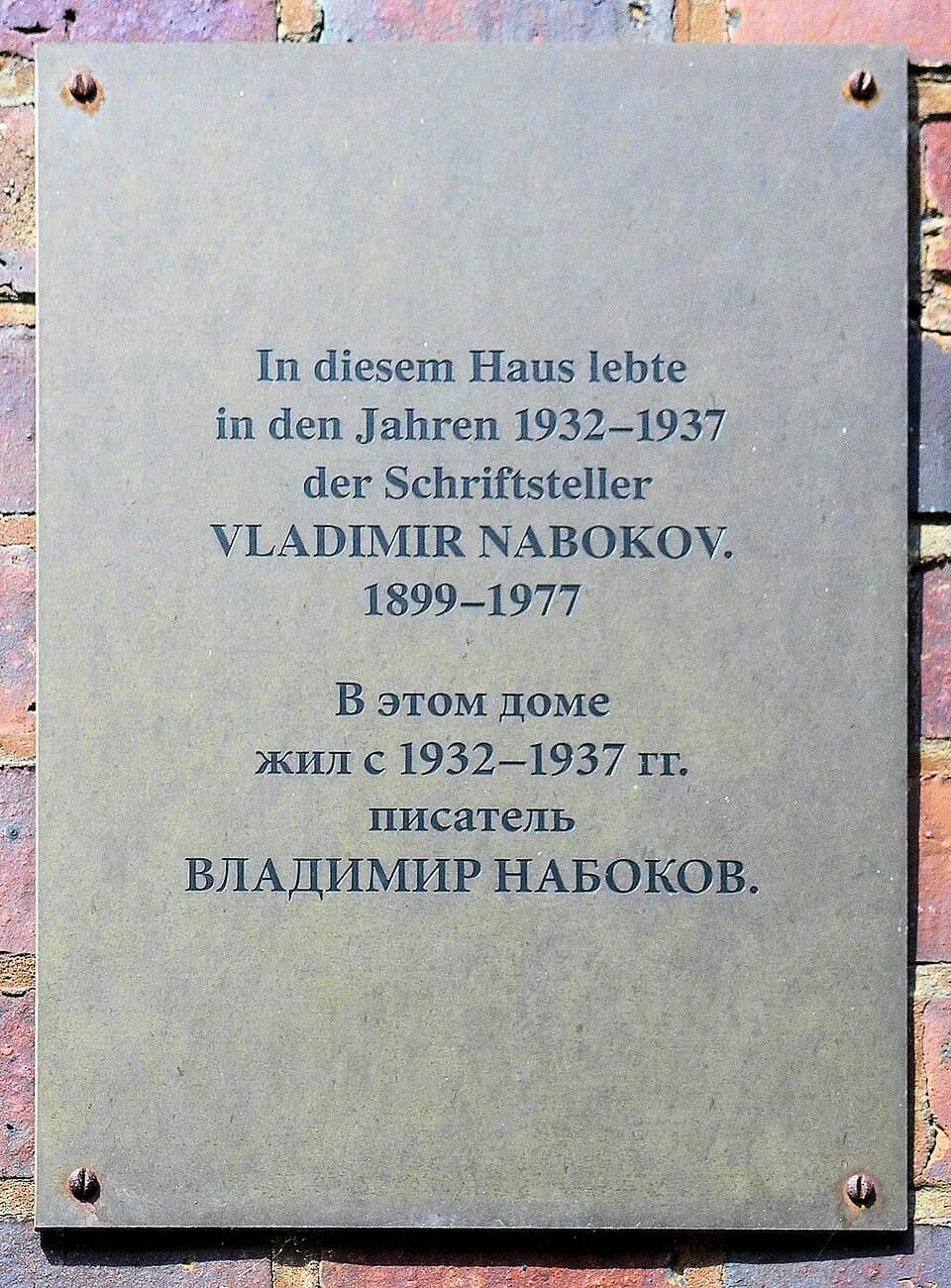
Born on April 22, 1899, in Saint Petersburg, Russia, Vladimir Vladimirovich Nabokov came from a prominent family. His upbringing was characterized by a rich cultural environment, which significantly shaped his artistic and intellectual development. Early experiences, particularly in his native Russia, laid the groundwork for his diverse career paths before he became a notable figure in both Russian and American cultural spheres.
Chapitre 3· Chapitre 3 sur 8
Career Beginnings
Nabokov began his professional journey as an author, writing poetry, plays, and screenplays. He also worked as a journalist and translator, honing his literary skills across various forms and languages. Early in his career, he sometimes used the pen name Vladimir Sirin, establishing a distinct voice in his initial publications.
Chapitre 4· Chapitre 4 sur 8
Major Achievements and Career Highlights
Vladimir Nabokov was a celebrated Russian-American novelist, poet, translator, and entomologist throughout his active life. Beyond his creative literary pursuits, he served as a university teacher, literary critic, and chess composer. His extensive body of work and his contributions to multiple fields positioned him as a significant intellectual figure of the 20th century, bridging art and science.
Chapitre 5· Chapitre 5 sur 8
Personal Life
While specific details about his family life are not provided, Nabokov's personal interests were clearly woven into his professional identity. He was a passionate lepidopterist, entomologist, and zoologist, pursuing these studies with academic rigor and contributing to scientific knowledge. His analytical mind also found expression as a chess player and composer, showcasing a breadth of intellectual engagement.
Chapitre 6 · 1929· Chapitre 6 sur 8
Notable Works or Contributions
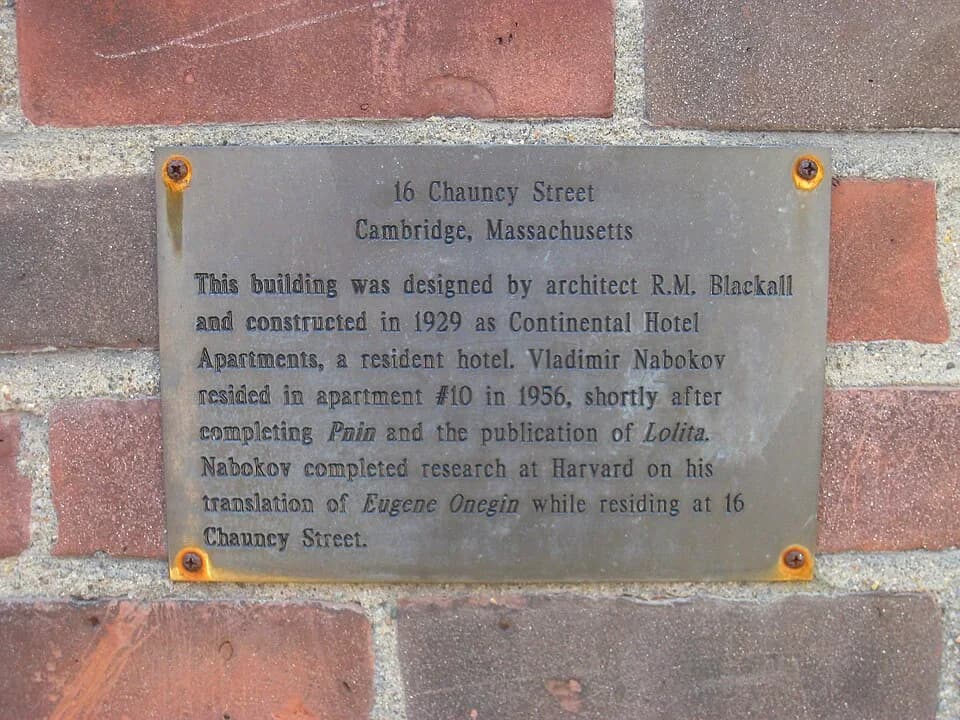
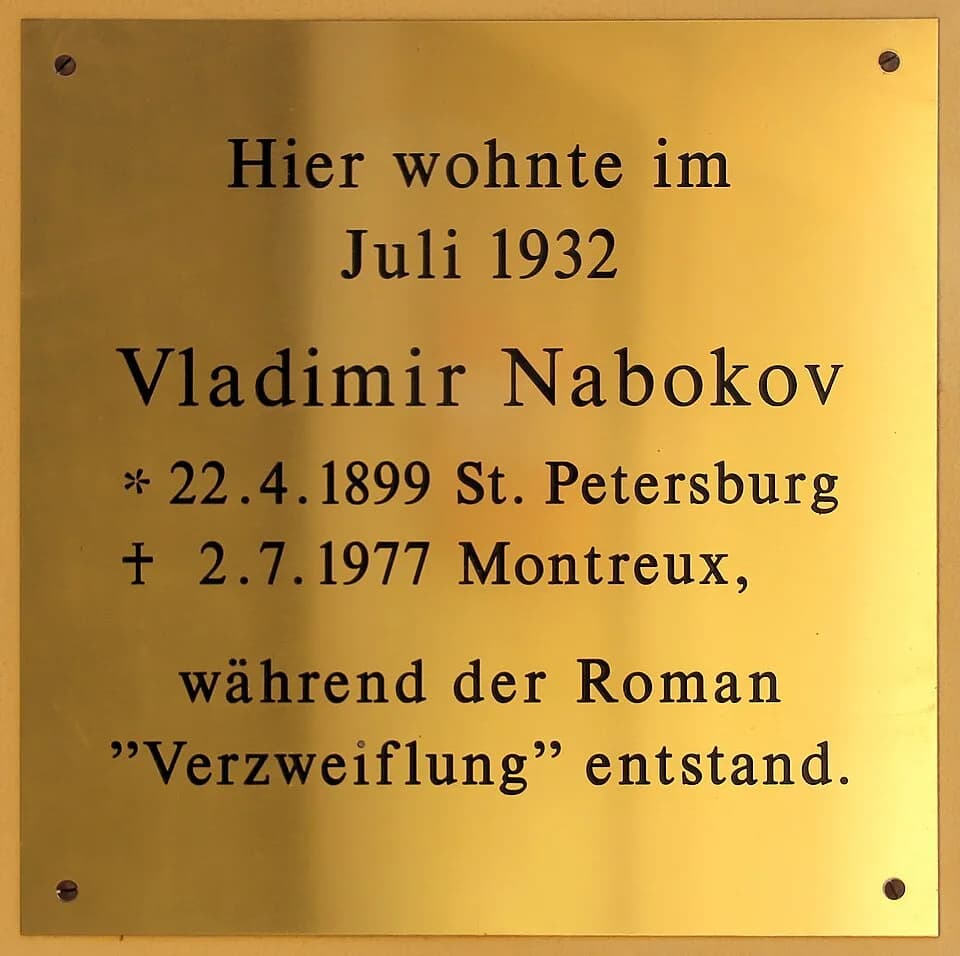
His literary output includes celebrated novels such as "Pnin," "Lolita," "Der Zauberer," "Look at the Harlequins!," "The Eye," and "Verzweiflung." He also authored non-fiction works like "Nikolai Gogol" and executed a notable translation of "Eugene Onegin." Further contributions include "Guide des oiseaux d'Europe," "Laughter in the dark," and early works under his pen name, such as "Rupert Bruk / V1. Sirin" and "Di︠e︡tstvo / V1. Sirin," alongside collections like "Stikhotvorenii︠a︡, 1929-1951," "Sobytie," "Izobri︠e︡tenie valʹsa," and "Grozd'." These works showcase his versatility as a novelist, poet, and scholar.
Chapitre 7 · 1977· Chapitre 7 sur 8
Later Years
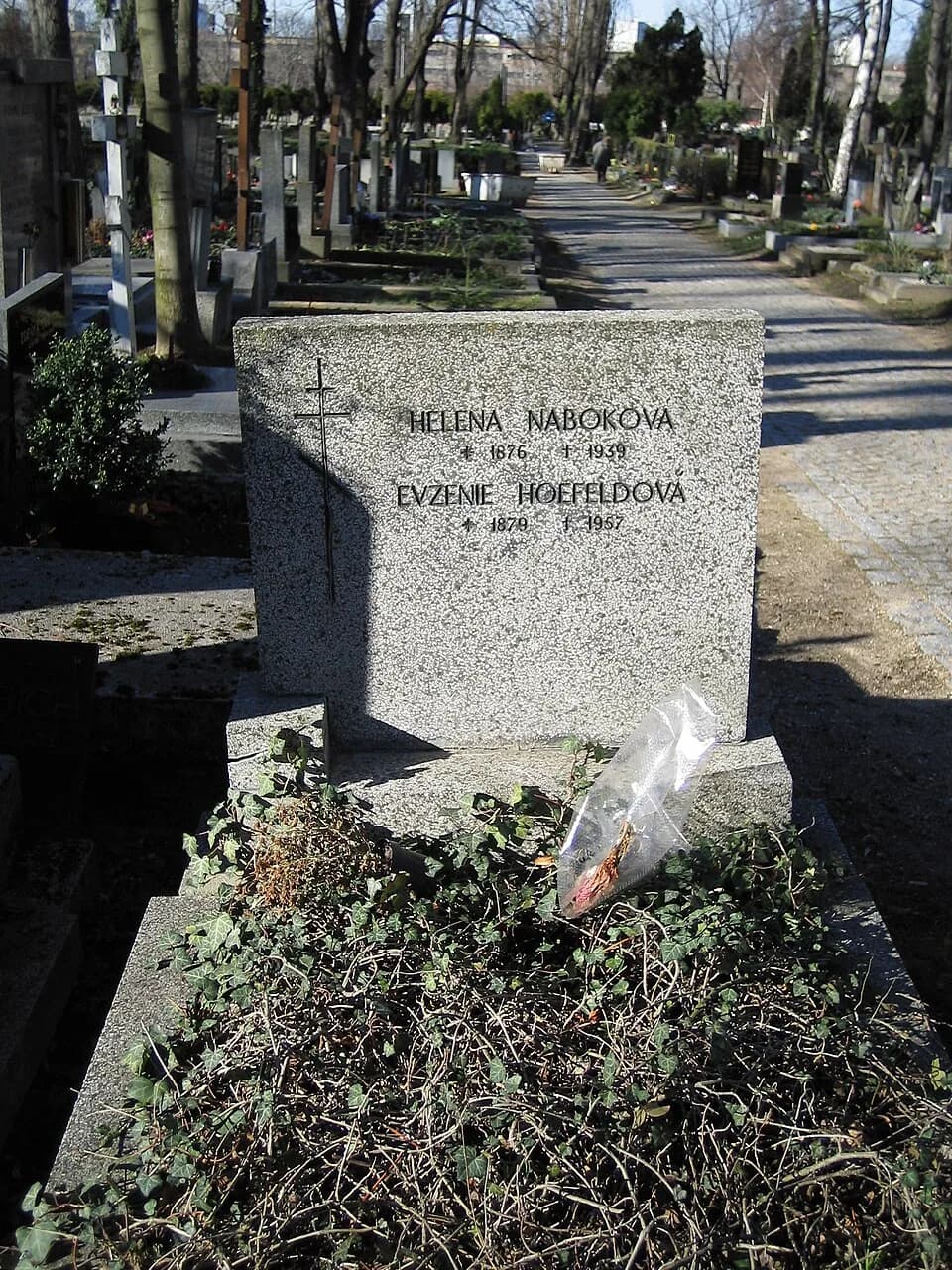
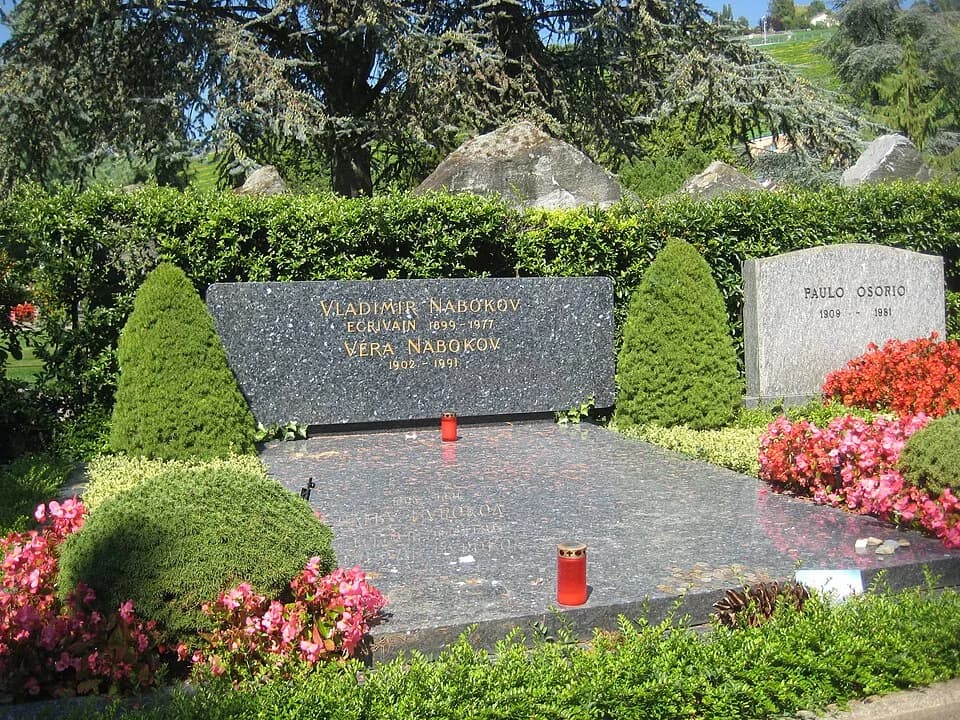
Vladimir Nabokov spent his final years in Montreux, Switzerland, where he passed away on July 2, 1977. He continued to write and refine his literary style, maintaining his dedication to both creative writing and scholarly pursuits until the end of his life. His residence in Switzerland provided a serene environment for his continued intellectual endeavors.
Chapitre 8· Chapitre 8 sur 8
Legacy and Impact
Vladimir Nabokov's legacy is vast, encompassing his contributions as a Russian and American novelist, poet, translator, and entomologist. He redefined literary prose with his distinctive style and complex narratives, influencing generations of writers. His work as a lepidopterist also earned him recognition in the scientific community, demonstrating his unique combination of artistic and scientific brilliance. His lasting influence reshaped perceptions of language and observation.
FAQ
Questions fréquentes
Quand Vladimir Nabokov est-il/elle décédé(e) ?
Vladimir Nabokov est décédé(e) le 2 juillet 1977 à Montreux, Switzerland, à l'âge de 78 ans.
Où est né(e) Vladimir Nabokov ?
Vladimir Nabokov est né(e) à Saint Petersburg, Russia le 22 avril 1899.
Pour quoi Vladimir Nabokov est-il/elle le/la plus connu(e) ?
Vladimir Nabokov est surtout connu(e) pour Russian-American novelist, lepidopterist, professor.
Quel âge avait Vladimir Nabokov à sa mort ?
Vladimir Nabokov avait 78 ans au moment de son décès.
Quelle était la nationalité de Vladimir Nabokov ?
Vladimir Nabokov était originaire de Russia.
Chronologie
La vie en un coup d'œil
Galerie photo
Une vie en images
Cliquez sur un polaroid pour l'agrandir · 21 photos
QR Code
Partager cette biographie
Imprimer et partager
Scannez pour visiter cette page biographique. Imprimez pour des événements, des expositions ou du matériel pédagogique.