Né(e)
February 20, 1927
Miami, United States
Décédé(e)
January 6, 2022
Los Angeles, United States
Connu(e) pour
Bahamian and American actor and diplomat
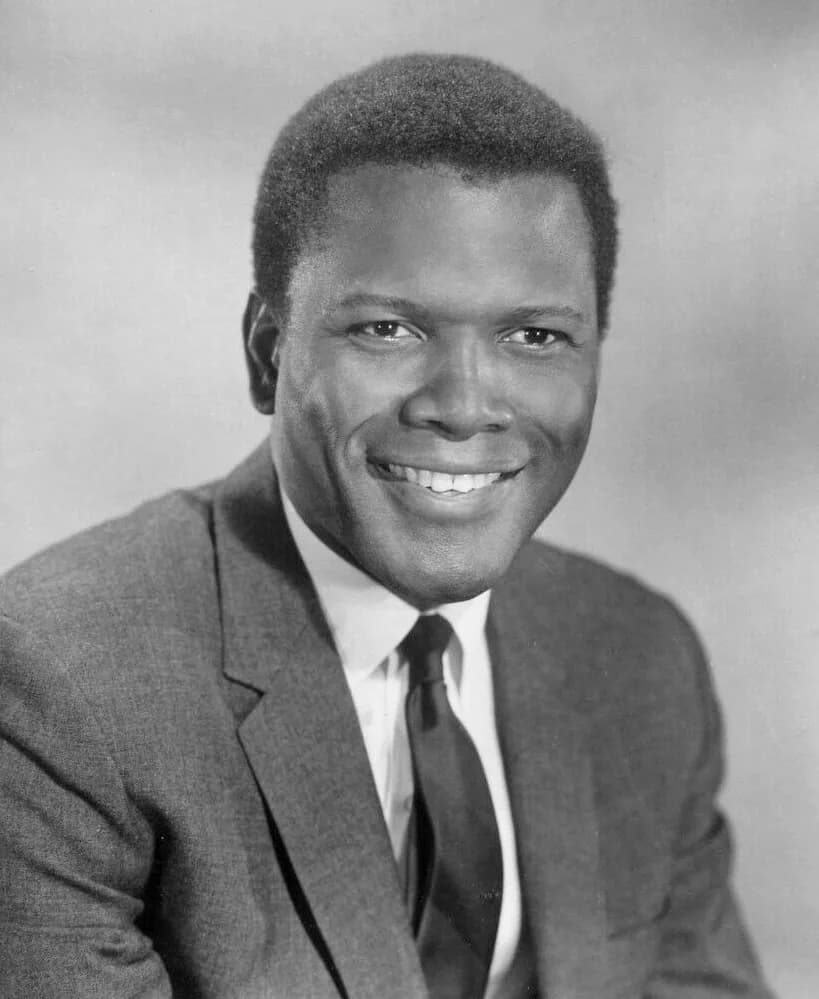
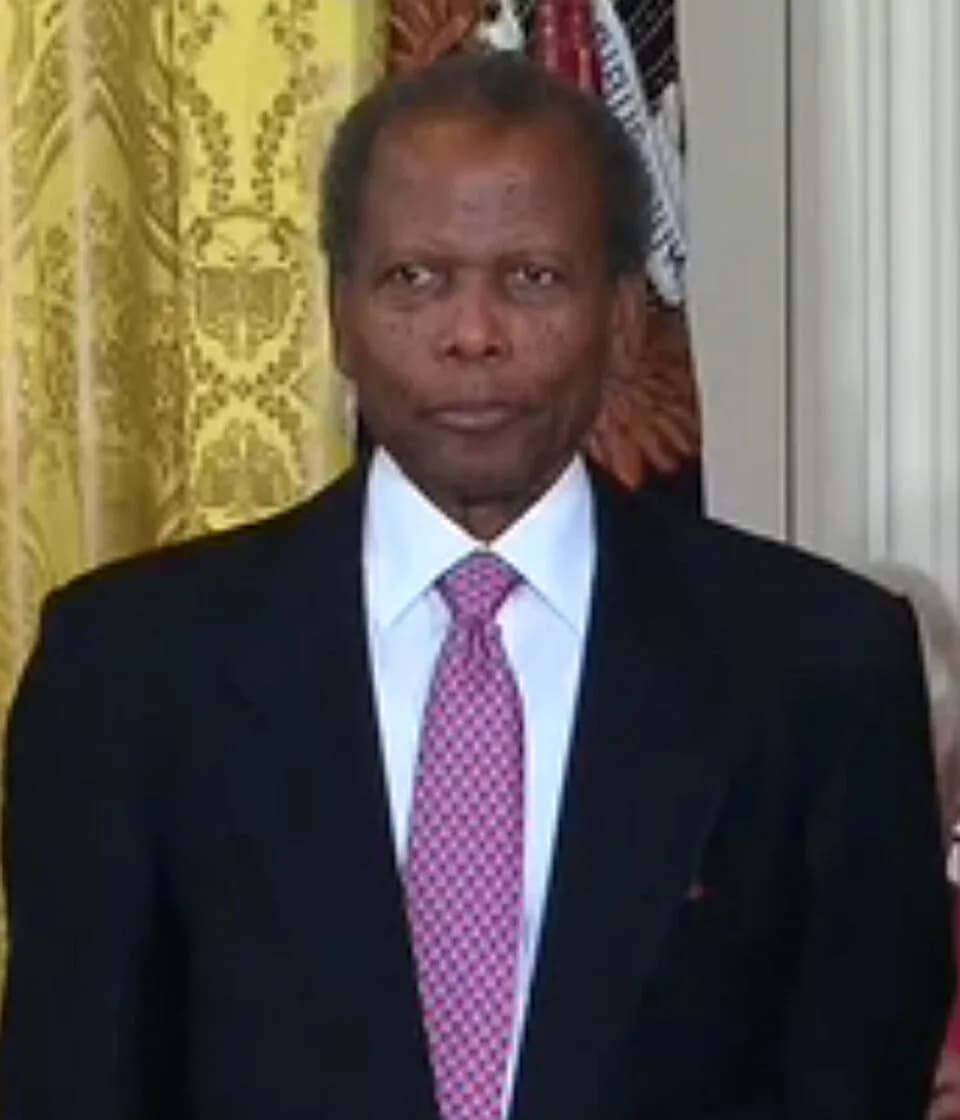
Sidney Poitier (1927–2022) was United States best known for Bahamian and American actor and diplomat.
Sidney Poitier (February 20, 1927 – January 6, 2022) was a Bahamian-American actor and diplomat. He was the first Black actor and first Bahamian to win the Academy Award for Best Actor in 1964. Poitier's work left an enduring mark on cinema and culture, challenging stereotypes and opening doors for future generations.
Chapitre
Chapitres de vie
Chapitre 1 · 1927· Chapitre 1 sur 6
Early Life and Origins
Sidney Poitier was born on February 20, 1927, in Miami, United States, during a visit by his Bahamian parents, Evelyn and Reginald Poitier, to the city. He spent his formative years on Cat Island in the Bahamas, an experience that significantly shaped his early identity. At age fifteen, Poitier moved to Miami to live with his brother, before relocating to New York City a year later, where he would eventually pursue his artistic ambitions.
Chapitre 2· Chapitre 2 sur 6
Career Beginnings
While the provided data does not detail the absolute beginning of his professional journey, Sidney Poitier’s diverse professions as an actor, stage actor, film actor, and television actor indicate a career that began early and spanned various performing arts. He quickly established himself as a compelling presence, known for his dignified performances. His early work helped lay the groundwork for a career that would be defined by impactful roles and a strong cultural resonance.
Chapitre 3 · 1964· Chapitre 3 sur 6
Major Achievements and Career Highlights
Poitier’s career reached a historic peak in 1964 when he became the first Black actor and first Bahamian to win the Academy Award for Best Actor. This monumental achievement for his role in Lilies of the Field solidified his place in cinematic history and represented a significant step forward for representation in film. Among his numerous accolades, he received two competitive Golden Globe Awards, a BAFTA Award, and a Grammy Award, alongside nominations for two Emmy Awards and a Tony Award. In 1999, the American Film Institute recognized his enduring significance by ranking him number 22 among its "100 Stars," further cementing his legacy as a cinematic giant.
Chapitre 4 · 2017· Chapitre 4 sur 6
Notable Works or Contributions
Sidney Poitier's extensive filmography includes a wide array of influential roles that showcased his range and depth. He appeared in films such as I Am Not Your Negro (2017), The Jackal (1998), and Sneakers (1993), demonstrating his continued presence and relevance across decades. Beyond acting, Poitier was also a prolific director, with titles like Shoot to Kill (1988) among his directed works. His creative endeavors extended to music and literature, with a discography that includes Jackie Barnett Presents - Poitier Meets Plato - Music Composed And Conducted By Fred Katz (1964) and Sidney Poitier Reads the Poetry of the Black Man (1969). As an author, he penned several notable works, including his autobiographical titles This Life and The Measure of a Man, alongside Life Beyond Measure and the novel Montaro Caine.
Chapitre 5 · 1999· Chapitre 5 sur 6
Later Years
Sidney Poitier remained active in film and public life well into his later years, transitioning into roles that often reflected his wisdom and iconic status. He continued to appear in films such as The Simple Life of Noah Dearborn (1999) and Mandela and de Klerk (1997), showcasing his enduring talent. His dedication to his craft and his public service as a diplomat continued to inspire audiences globally. He passed away on January 6, 2022, in Los Angeles, United States, leaving behind a profound legacy.
Chapitre 6· Chapitre 6 sur 6
Legacy and Impact
Sidney Poitier's impact extended far beyond his performances; he was a true activist and diplomat, using his platform to advocate for social change. He redefined what was possible for Black actors in Hollywood, challenging systemic racism and paving the way for future generations. His dignified portrayals and unwavering commitment to integrity made him a symbol of hope and progress. Poitier's influence continues to resonate in cinema and society, a constant reminder of his pioneering spirit and the doors he opened for others.
Une vie en moments
Les moments qui ont façonné une vie
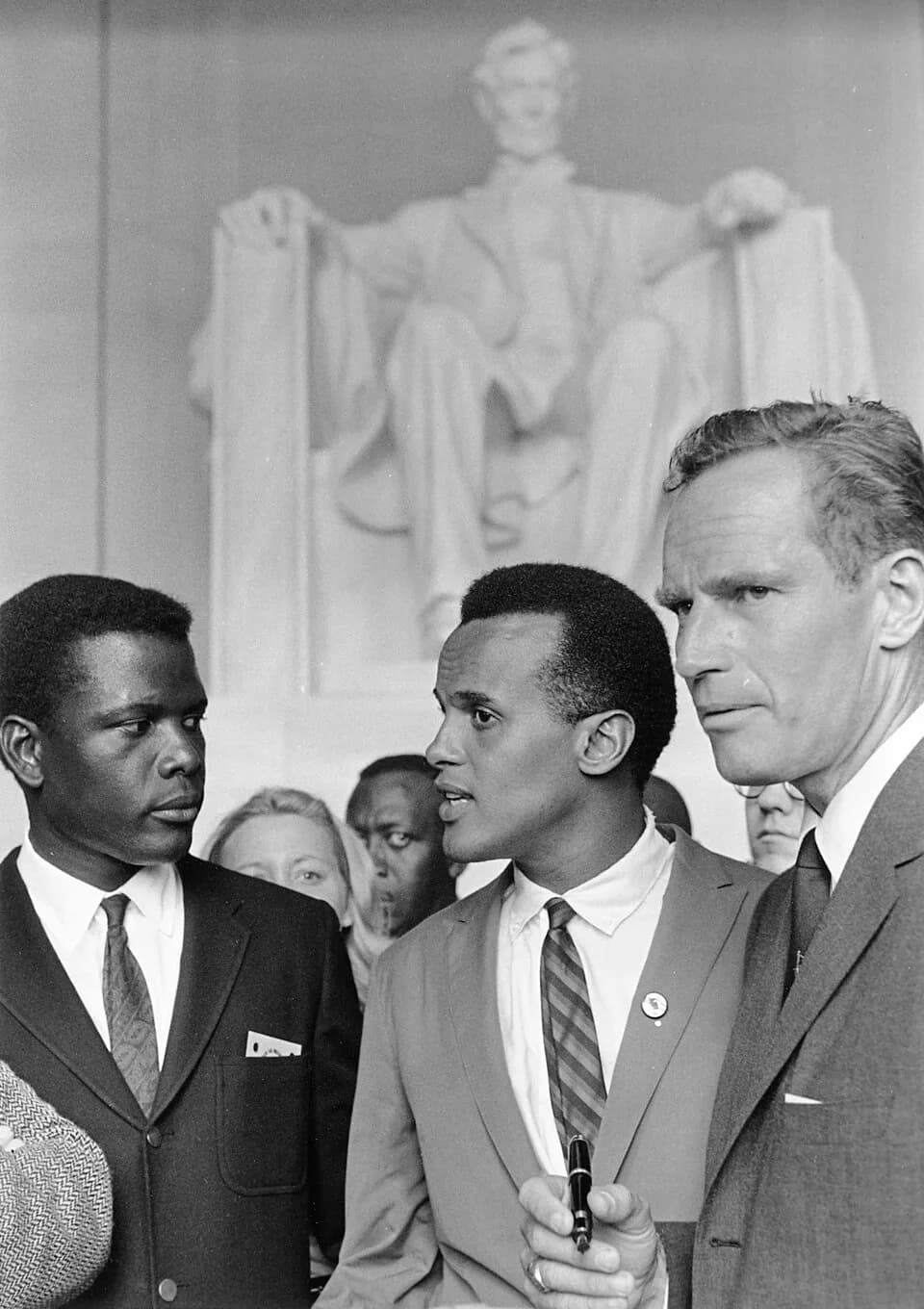
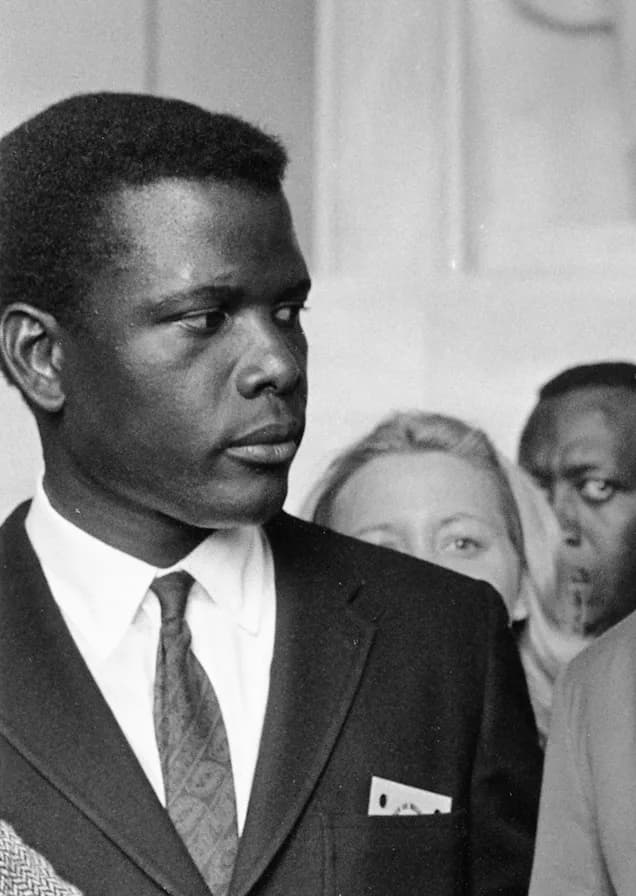
![Sidney Poitier - Civil Rights March on Washington, D.C. [Actors Sidney Poitier, Harry Belafonte, and Charlton Heston.], 08/28/1963](/_next/image?url=https%3A%2F%2Fcdn.whowasthisguy.com%2Fgallery_wikimedia_commons_1784291076113_2_65af27e2fb.webp&w=1920&q=75)
FAQ
Questions fréquentes
Quand Sidney Poitier est-il/elle décédé(e) ?
Sidney Poitier est décédé(e) le 6 janvier 2022 à Los Angeles, United States, à l'âge de 94 ans.
Où est né(e) Sidney Poitier ?
Sidney Poitier est né(e) à Miami, United States le 20 février 1927.
Pour quoi Sidney Poitier est-il/elle le/la plus connu(e) ?
Sidney Poitier est surtout connu(e) pour Bahamian and American actor and diplomat.
Quel âge avait Sidney Poitier à sa mort ?
Sidney Poitier avait 94 ans au moment de son décès.
Quelle était la nationalité de Sidney Poitier ?
Sidney Poitier était originaire de United States.
Chronologie
La vie en un coup d'œil
Galerie photo
Une vie en images
Cliquez sur un polaroid pour l'agrandir · 25 photos
QR Code
Partager cette biographie
Imprimer et partager
Scannez pour visiter cette page biographique. Imprimez pour des événements, des expositions ou du matériel pédagogique.