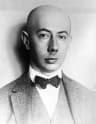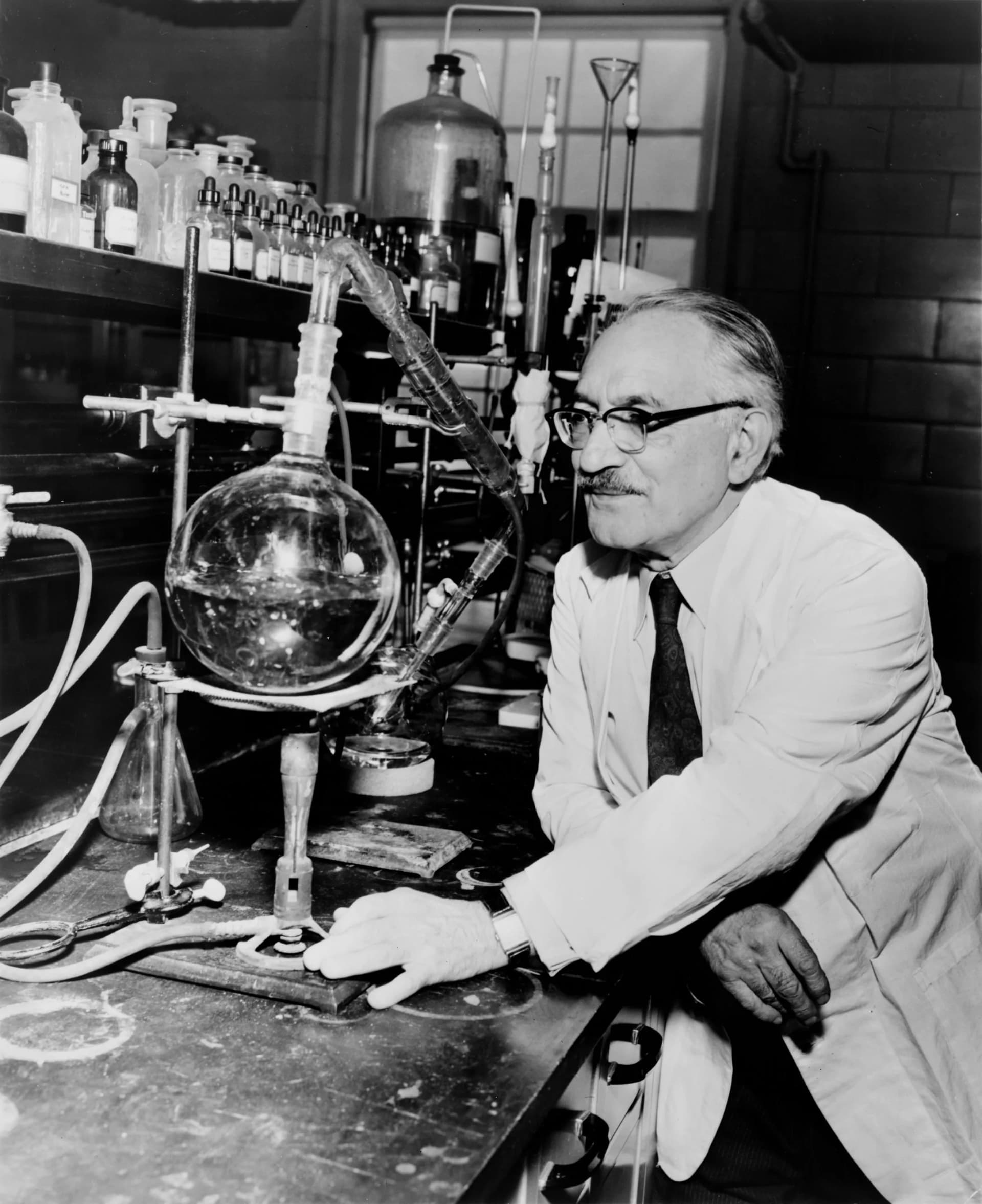
Né(e)
July 22, 1888
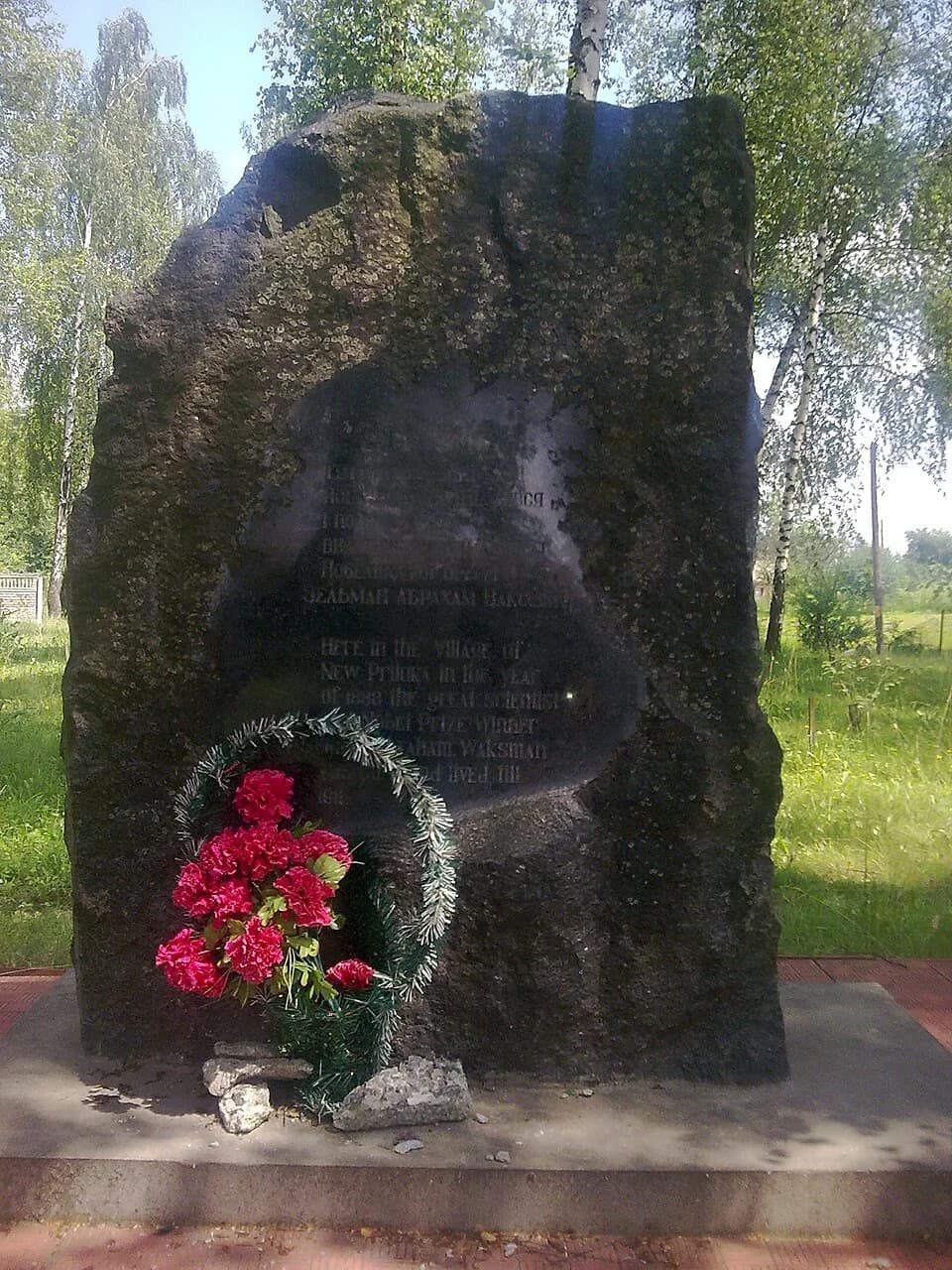
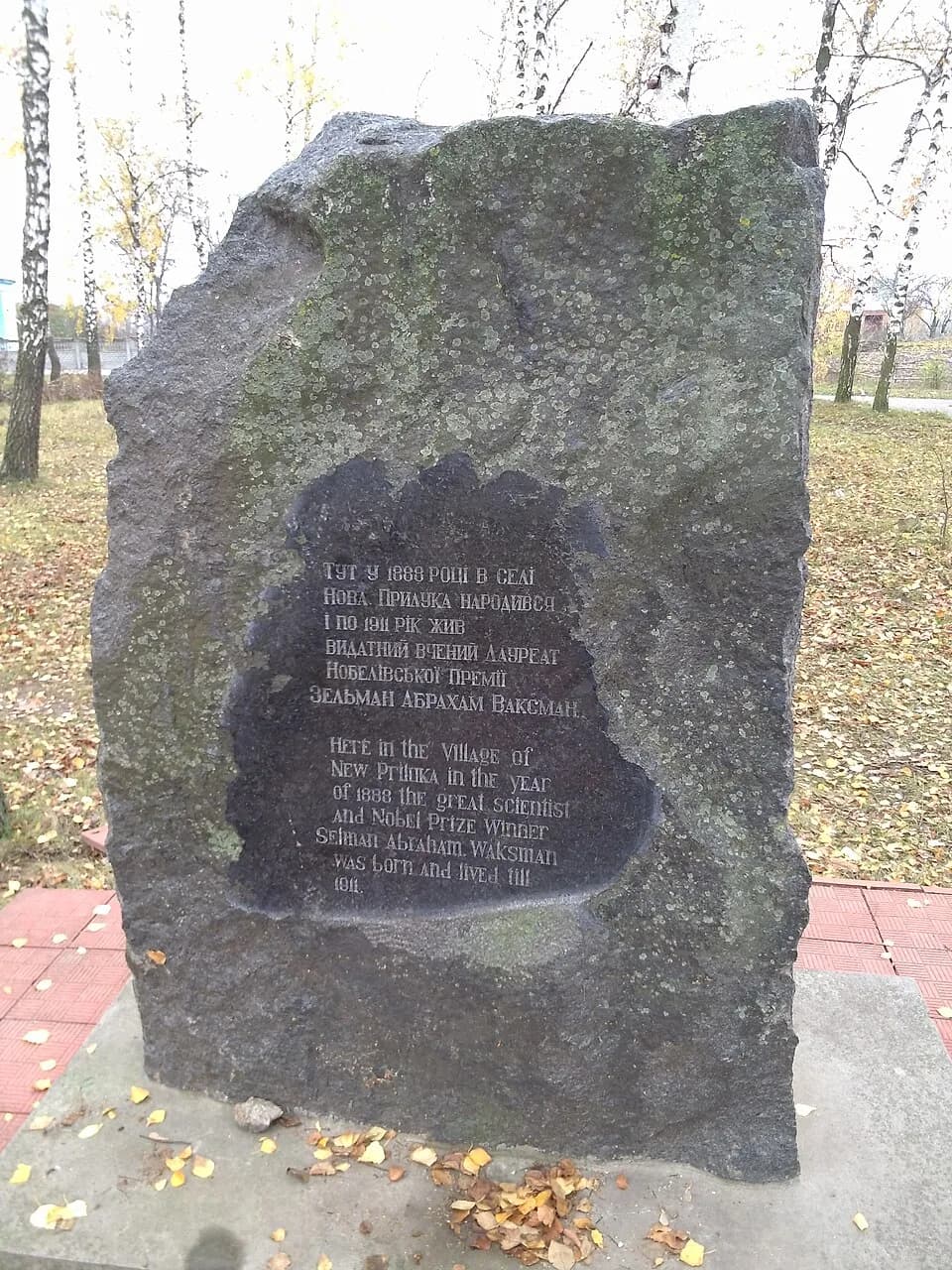
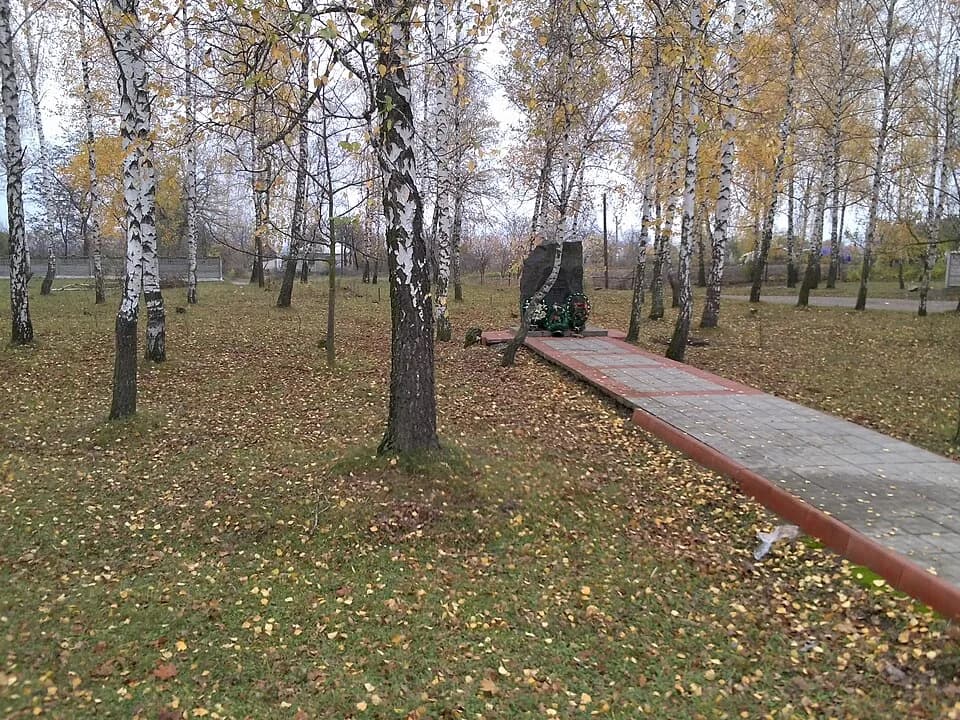
Nova Pryluka, Ukraine
Décédé(e)
August 16, 1973
Woods Hole, United States
Connu(e) pour
American scientist, biochemist, microbiologist who discovered Streptomycin and many antibiotics
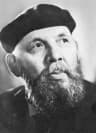
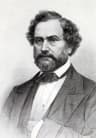
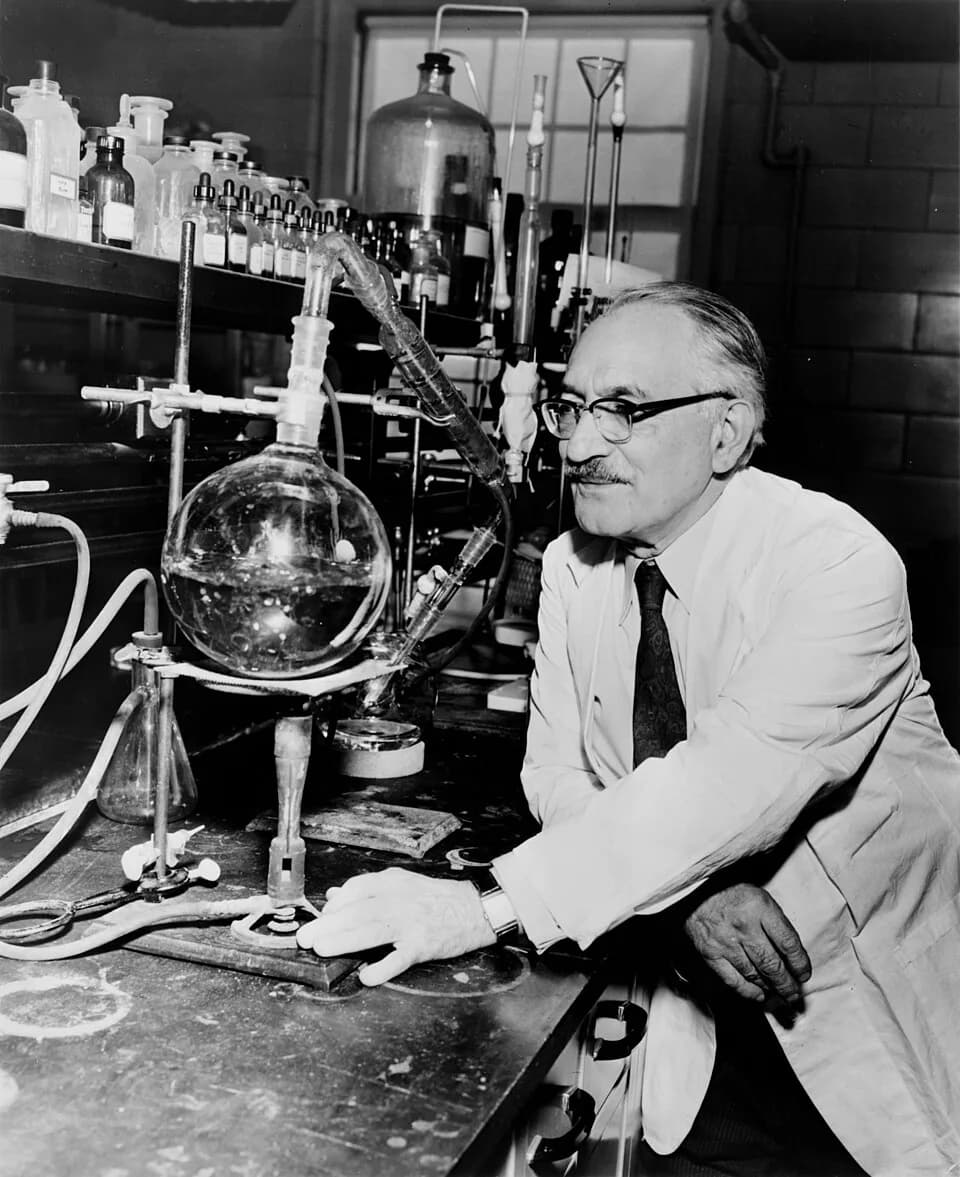
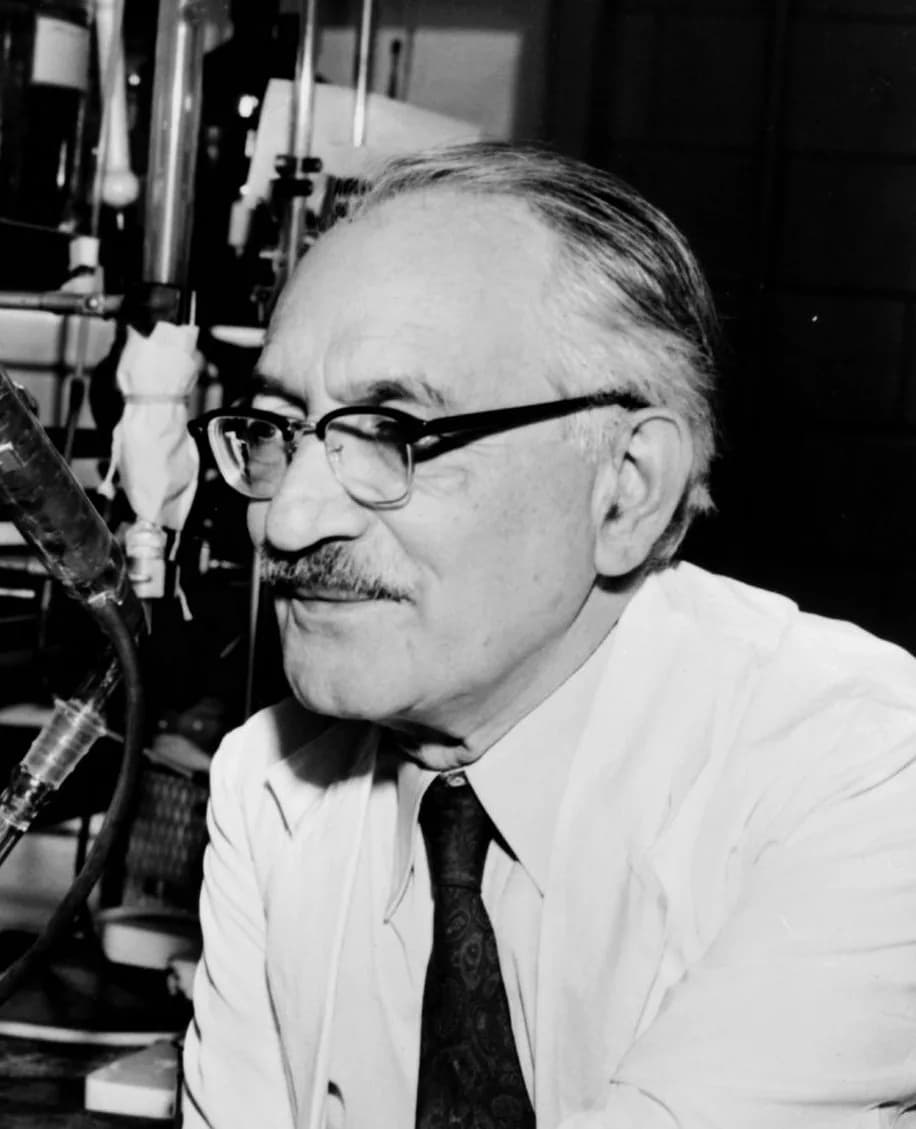
Selman Abraham Waksman (1888–1973) was Ukraine best known for American scientist, biochemist, microbiologist who discovered Streptomycin and many antibiotics.
Selman Abraham Waksman (July 22, 1888 – August 16, 1973) was an American biochemist and microbiologist from Ukraine. He discovered streptomycin, the first antibiotic effective against tuberculosis, and numerous other antibiotics. Awarded the 1952 Nobel Prize, his work revolutionized medical treatment.
Chapitre
Chapitres de vie
Chapitre 1 · 1888· Chapitre 1 sur 7
Early Life and Origins
Selman Abraham Waksman began his life on July 22, 1888, in the town of Nova Pryluka, located within what was then the Russian Empire and is now part of Ukraine. This early environment fostered the foundational experiences that would later contribute to his scientific outlook. His upbringing in this region shaped his initial perspectives before he embarked on his transformative journey to the United States.
His path would eventually lead him to become a distinguished Russian-born American inventor, biochemist, and microbiologist. The diverse background of his origins undoubtedly contributed to his broad intellectual curiosity and persistent investigative spirit. His early years, though not extensively detailed, laid the groundwork for a career dedicated to understanding the microbial world.
Chapitre 2· Chapitre 2 sur 7
Career Beginnings
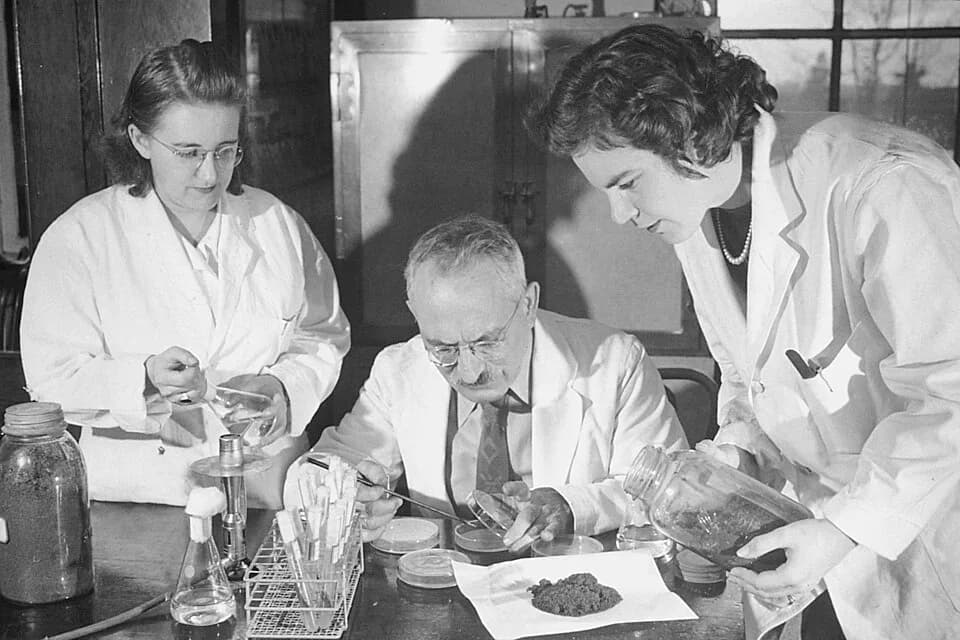
Waksman's scientific career truly began to flourish following his move to the United States, where he became a naturalized American citizen. He quickly immersed himself in the study of microbiology, a field that was rapidly advancing during the early 20th century. His initial research focused on the intricate and often overlooked world of soil organisms.
He dedicated significant effort to understanding the decomposition processes carried out by microorganisms living in soil. This fundamental work, exploring the complex interactions within the soil ecosystem, provided the bedrock for his later, more celebrated discoveries. His meticulous investigations into these unseen microbial activities laid the groundwork for identifying their therapeutic potential.
Chapitre 3· Chapitre 3 sur 7
Major Achievements and Career Highlights
The crowning achievement of Selman Abraham Waksman's career was undeniably the discovery of streptomycin, an antibiotic that marked a pivotal moment in medical history. This groundbreaking substance proved to be the first antibiotic effective against tuberculosis, a devastating disease that had plagued humanity for centuries without an adequate cure. Waksman's diligent research also led to the identification of several other antibiotics, showcasing the breadth of his contributions to pharmacology.
For his extraordinary work in this field, Selman Abraham Waksman was awarded the 1952 Nobel Prize in Physiology or Medicine. The Nobel Committee specifically recognized his critical discovery of streptomycin, acknowledging its profound impact on global health. This prestigious honor underscored the immense significance of his research, which fundamentally altered the treatment landscape for bacterial infections and cemented his reputation as a world-leading scientist.
Chapitre 4· Chapitre 4 sur 7
Personal Life
While Selman Abraham Waksman's biography focuses primarily on his scientific and professional achievements, his diverse professional titles offer a glimpse into his broader intellectual interests. His roles as a botanist and autobiographer suggest a deeply reflective individual with a passion for both the natural world and chronicling his life experiences. These aspects hint at a personality that extended beyond the confines of laboratory research.
Although specific details about his family and relationships are not provided, his sustained dedication to multiple professions and his prolific publication record indicate a life fully committed to science, education, and the pursuit of knowledge. He was an individual whose life's work had a profound, lasting impact on countless individuals globally. He passed away in Woods Hole, United States, a place associated with significant scientific research, on August 16, 1973.
Chapitre 5· Chapitre 5 sur 7
Notable Works or Contributions
Selman Abraham Waksman's scientific contributions are well-documented through a comprehensive bibliography of influential papers and studies. He authored "The Actinomyces of the soil," a foundational text exploring the bacterial group crucial to soil ecology. His investigations into antimicrobial properties were articulated in works such as "Bactericidal action of antibiotic substances" and "Bacteriostatic and bactericidal properties of antibiotic substances," which detailed how these new compounds fought infections.
His curiosity extended to the intricate life of fungi, as evidenced by his studies "Do fungi live and produce mycelium in the soil?" and "Three decades with soil fungi," reflecting on his long-term engagement with the topic. Waksman also identified specific new substances, notably publishing on "Chaetomin, a new antibiotic substance produced by Chaetomium cochliodes." Further ecological research included "The occurrence of Azobacter in cranberry soils," "Studies on soil protozoa," and "Thermophilic actinomycetes and fungi in soils and in composts," demonstrating his deep commitment to understanding the microbial world in all its diversity. He also recognized the work of his contemporaries, as seen in his piece on "Siergei Pavlovitch Kostytchev."
Chapitre 6 · 1952· Chapitre 6 sur 7
Later Years
Following the tremendous recognition of the Nobel Prize in 1952, Selman Abraham Waksman continued to be an active and respected voice in the scientific community. His later years were marked by an ongoing dedication to research, mentorship, and the dissemination of knowledge. He remained a university teacher, inspiring future generations of scientists with his vast expertise and innovative spirit.
He spent his final decades in the United States, continuing to contribute to the nation's scientific landscape. Waksman passed away on August 16, 1973, in Woods Hole, United States, leaving behind a profound scientific legacy. His work continued to influence researchers and clinicians long after his active laboratory days.
Chapitre 7· Chapitre 7 sur 7
Legacy and Impact
The legacy of Selman Abraham Waksman is one of immense and lasting significance, fundamentally reshaping the field of medicine and microbiology. His pioneering research into soil organisms not only uncovered the potential of these microbes to produce life-saving compounds but also established a systematic approach to antibiotic discovery. The isolation of streptomycin provided the first effective treatment for tuberculosis, a disease previously considered incurable, thus saving countless lives globally.
Beyond this singular triumph, Waksman's efforts led to the discovery of other critical antibiotics, broadening the scope of antimicrobial therapy. His work inaugurated a new era of pharmaceutical development, inspiring scientists worldwide to search for new antimicrobial agents in nature. Selman Abraham Waksman's rigorous scientific methodology and his ultimate successes cemented his status as a visionary inventor and scientist, whose contributions continue to benefit humanity to this day.
Une vie en moments
Les moments qui ont façonné une vie
FAQ
Questions fréquentes
Quand Selman Abraham Waksman est-il/elle décédé(e) ?
Selman Abraham Waksman est décédé(e) le 16 août 1973 à Woods Hole, United States, à l'âge de 85 ans.
Où est né(e) Selman Abraham Waksman ?
Selman Abraham Waksman est né(e) à Nova Pryluka, Ukraine le 22 juillet 1888.
Pour quoi Selman Abraham Waksman est-il/elle le/la plus connu(e) ?
Selman Abraham Waksman est surtout connu(e) pour American scientist, biochemist, microbiologist who discovered Streptomycin and many antibiotics.
Quel âge avait Selman Abraham Waksman à sa mort ?
Selman Abraham Waksman avait 85 ans au moment de son décès.
Quelle était la nationalité de Selman Abraham Waksman ?
Selman Abraham Waksman était originaire de Ukraine.
Chronologie
La vie en un coup d'œil
Galerie photo
Une vie en images
Cliquez sur un polaroid pour l'agrandir · 23 photos
QR Code
Partager cette biographie
Imprimer et partager
Scannez pour visiter cette page biographique. Imprimez pour des événements, des expositions ou du matériel pédagogique.