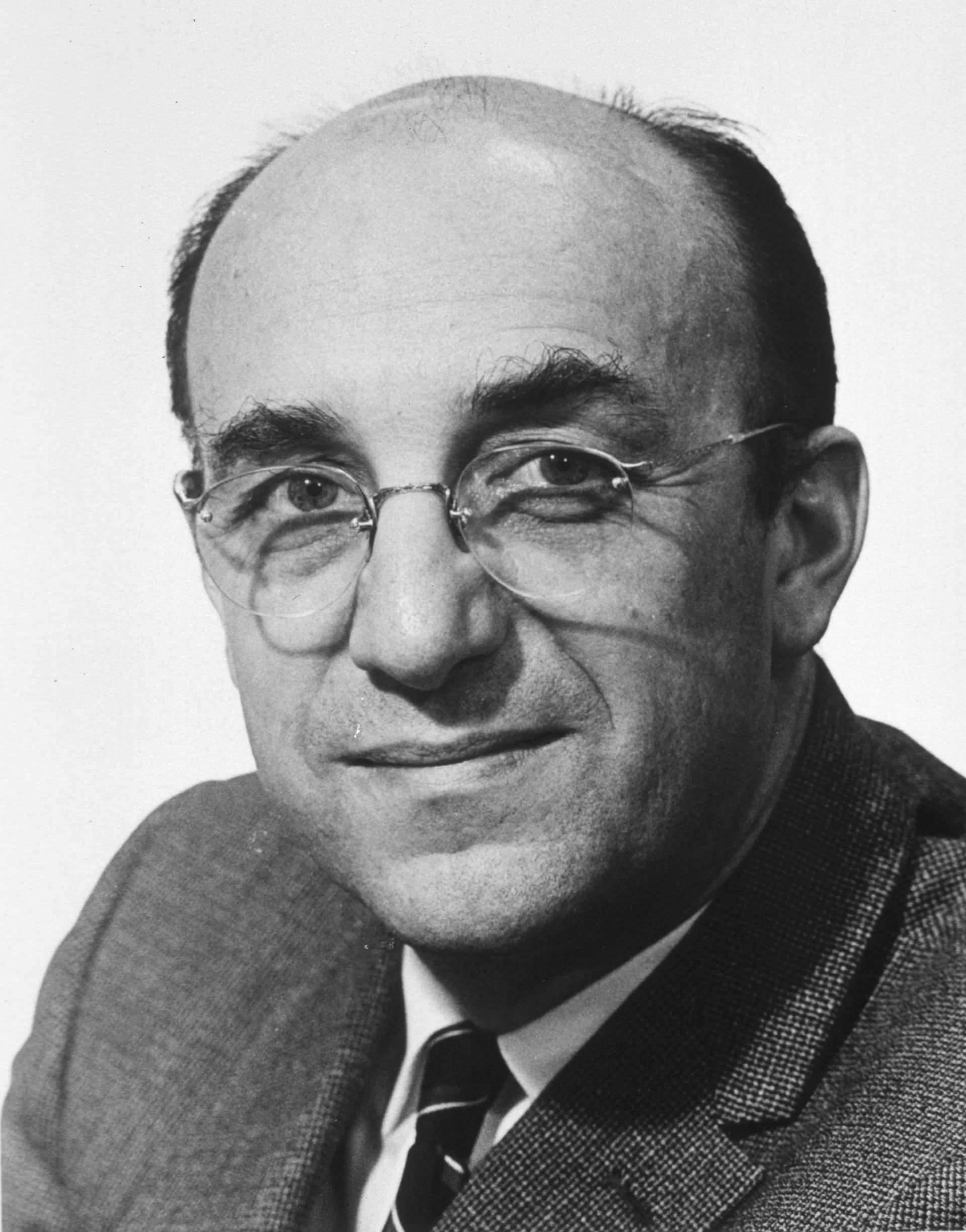
Né(e)
January 11, 1924
Dijon, France
Décédé(e)
February 21, 2024
San Diego, United States
Connu(e) pour
French-American neuroscientist
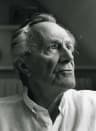
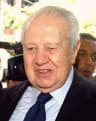
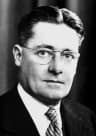
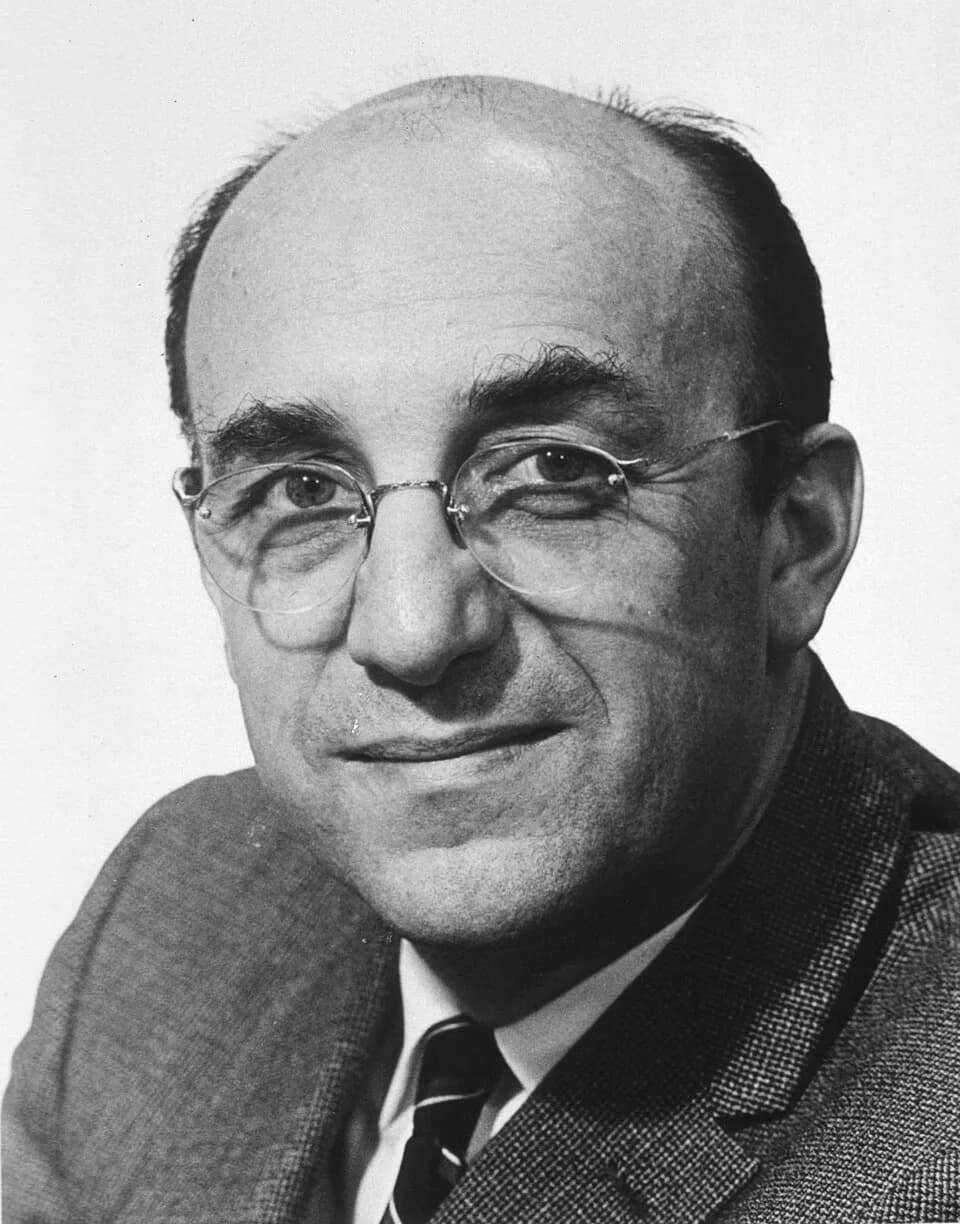
Roger Guillemin (1924–2024) was France best known for French-American neuroscientist.
Roger Charles Louis Guillemin (January 11, 1924 – February 21, 2024) was a French-American neuroscientist from Dijon, France. He received the 1977 Nobel Prize for Medicine for his discoveries concerning peptide hormone production in the brain. His work significantly advanced our understanding of neurohormones.
Chapitre
Chapitres de vie
Chapitre 1 · 1924· Chapitre 1 sur 6
Early Life and Origins
Roger Guillemin began his remarkable life in Dijon, France, where he was born on January 11, 1924. His early years in France likely fostered the intellectual curiosity that would define his future career. Though specific details of his family and childhood upbringing are not provided, his path ultimately led him to medicine, laying the groundwork for his scientific pursuits.
Chapitre 2· Chapitre 2 sur 6
Career Beginnings
Guillemin initially trained as a physician, a profession that provided a strong foundation in human biology and health. This clinical background soon broadened into academic and research roles, where he excelled as a university teacher and physiologist. He rapidly expanded his expertise into endocrinology and biochemistry, critical fields for his later breakthroughs in neuroscience.
Chapitre 3 · 1976· Chapitre 3 sur 6
Major Achievements and Career Highlights
Roger Guillemin's career was marked by significant scientific milestones that culminated in the highest honors. In 1976, his exceptional contributions to science were formally recognized with the prestigious National Medal of Science. This esteemed award foreshadowed the global recognition that was soon to follow for his work on neurohormones.
The pinnacle of his career arrived in 1977 when he was awarded the Nobel Prize for Medicine. He shared this distinguished honor with Andrew Schally and Rosalyn Sussman Yalow for their discoveries concerning the peptide hormone production of the brain. This recognition highlighted his crucial role in uncovering how the brain produces hormones that regulate vital bodily functions, revolutionizing the field of neuroendocrinology.
Chapitre 4 · 1965· Chapitre 4 sur 6
Notable Works or Contributions
Throughout his career, Roger Guillemin contributed numerous academic publications that advanced the scientific understanding of hormones and brain function. His published works, though few in number with an h-index of 1 for 3 papers, were impactful in their specific areas of research. Among these was "Biochemie und Physiologie der hypothalamischen Hormone" (1965), which garnered 4 citations and provided insights into the biochemistry and physiology of hypothalamic hormones.
Other specific contributions included "FESTPHASEN-PEPTID-SYNTH. AN EINEM BENZHYDRYLAMIN-HARZ VON LRF (RELEASING-FAKTOR DES LUTEINISIERENDEN HORMONS) UND VON ANALOGEN EINSCHLIESSLICH ANTAGONISTEN" (1972), focusing on the solid-phase peptide synthesis of LRF analogs. He also authored "脳がつくる極微量物質を追う (脳--心と物質の接点)" (1980), a work in Japanese exploring trace substances produced by the brain. These works illustrate the depth and breadth of his investigations into the complex chemical messengers of the nervous system.
Chapitre 5 · 2024· Chapitre 5 sur 6
Later Years
Roger Guillemin continued his distinguished life and career, ultimately passing away on February 21, 2024. His final years were spent in San Diego, United States, a city that became his home after a lifetime of groundbreaking scientific endeavor. Even as he aged, his intellectual legacy continued to inspire new generations of researchers in neuroscience and endocrinology.
Chapitre 6· Chapitre 6 sur 6
Legacy and Impact
Roger Guillemin's scientific contributions left an enduring mark on medicine and biology. His discoveries concerning neurohormones and the brain's ability to produce peptide hormones fundamentally changed how scientists understood the communication between the nervous and endocrine systems. This work opened new avenues for treating hormonal disorders and neurological conditions.
The Nobel Prize recognized not just an achievement, but a foundational shift in scientific thought, establishing neuroendocrinology as a distinct and vital field of study. His rigorous research and dedication to uncovering the brain's secrets continue to influence contemporary medical research and education. Guillemin's pioneering spirit lives on through the continued exploration of the intricate mechanisms he first brought to light.
Une vie en moments
Les moments qui ont façonné une vie




FAQ
Questions fréquentes
Quand Roger Guillemin est-il/elle décédé(e) ?
Roger Guillemin est décédé(e) le 21 février 2024 à San Diego, United States, à l'âge de 100 ans.
Où est né(e) Roger Guillemin ?
Roger Guillemin est né(e) à Dijon, France le 11 janvier 1924.
Pour quoi Roger Guillemin est-il/elle le/la plus connu(e) ?
Roger Guillemin est surtout connu(e) pour French-American neuroscientist.
Quel âge avait Roger Guillemin à sa mort ?
Roger Guillemin avait 100 ans au moment de son décès.
Quelle était la nationalité de Roger Guillemin ?
Roger Guillemin était originaire de France.
Chronologie
La vie en un coup d'œil
Galerie photo
Une vie en images
Cliquez sur un polaroid pour l'agrandir · 16 photos
QR Code
Partager cette biographie
Imprimer et partager
Scannez pour visiter cette page biographique. Imprimez pour des événements, des expositions ou du matériel pédagogique.