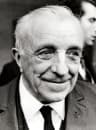
Né(e)
May 14, 1771
Newtown, United Kingdom
Décédé(e)
November 17, 1858
Newtown, United Kingdom
Connu(e) pour
Welsh textile manufacturer and social reformer
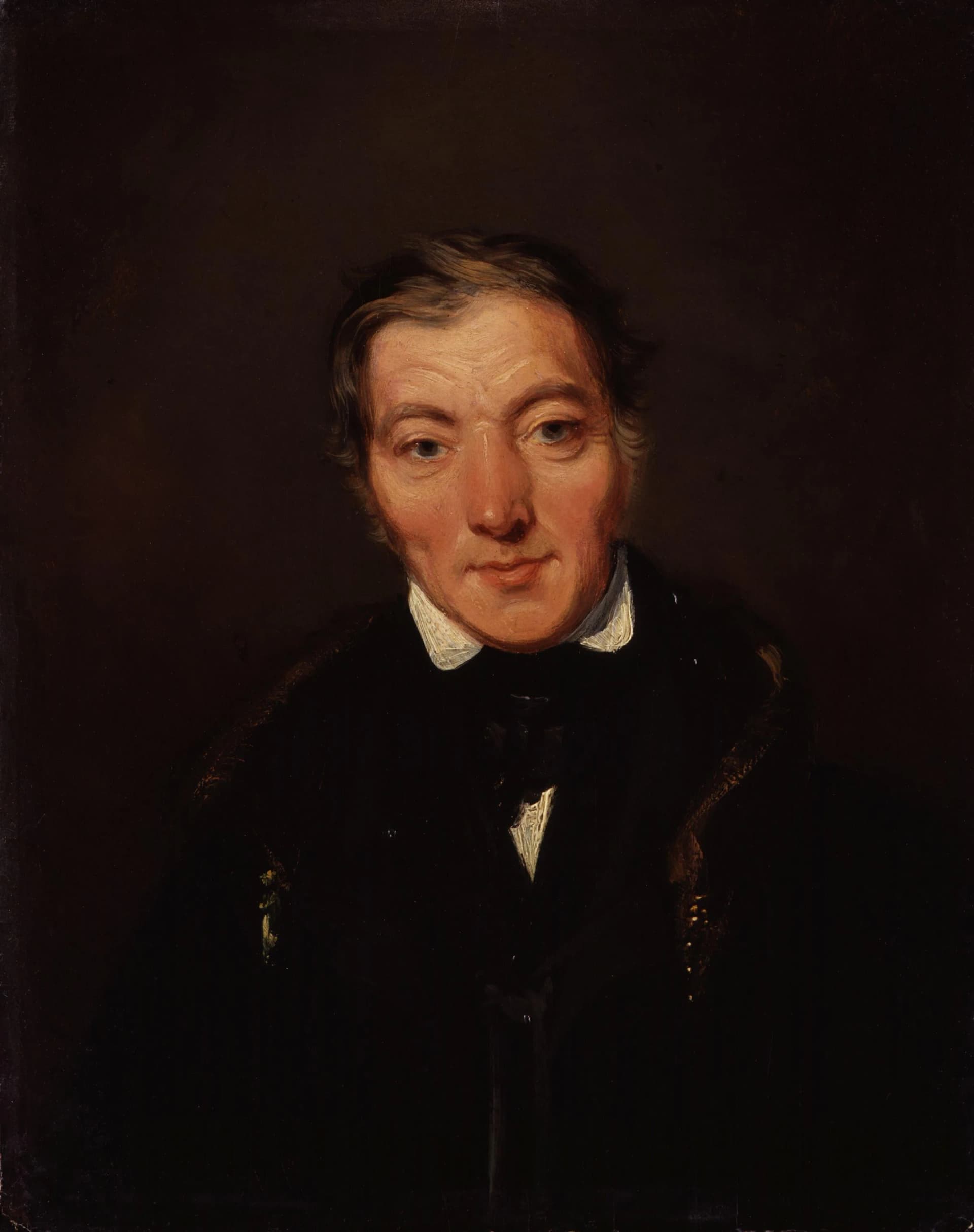
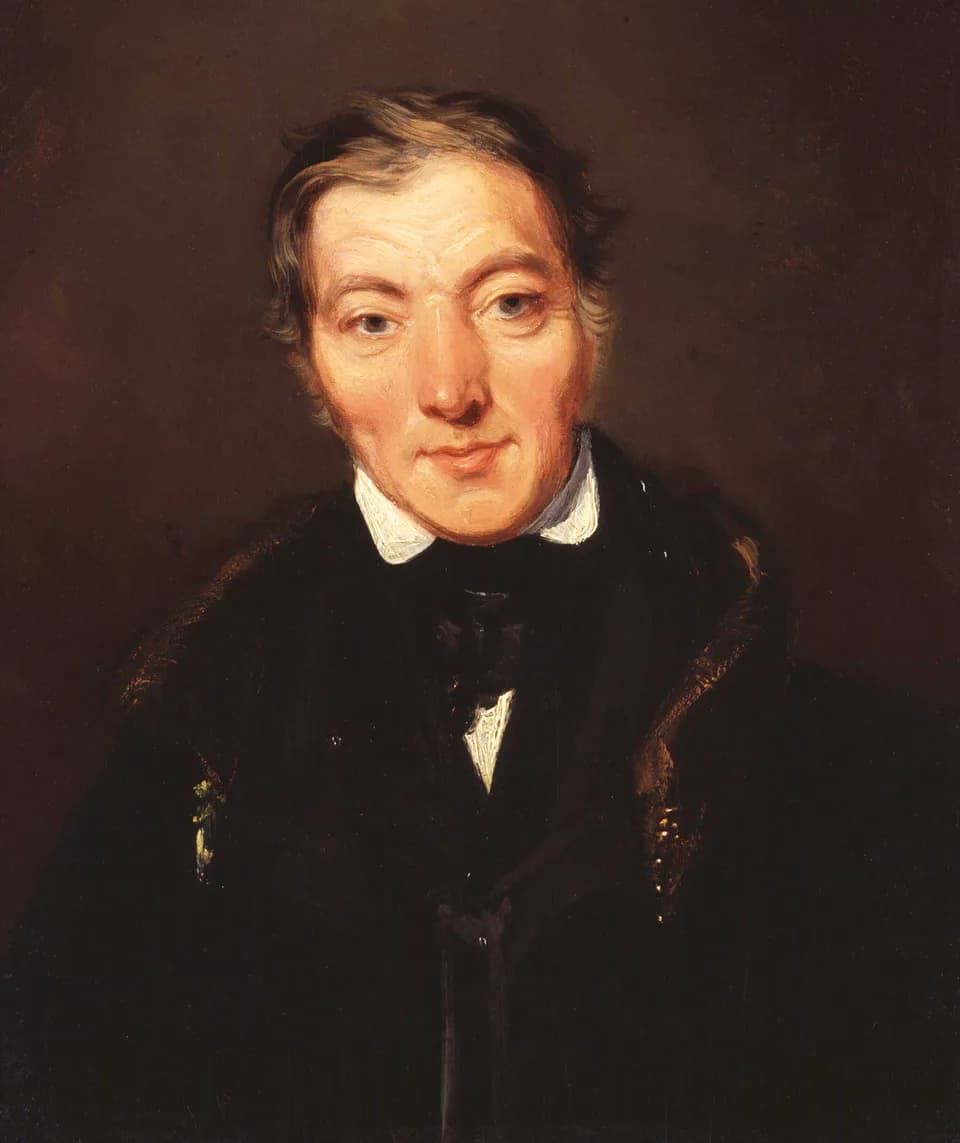
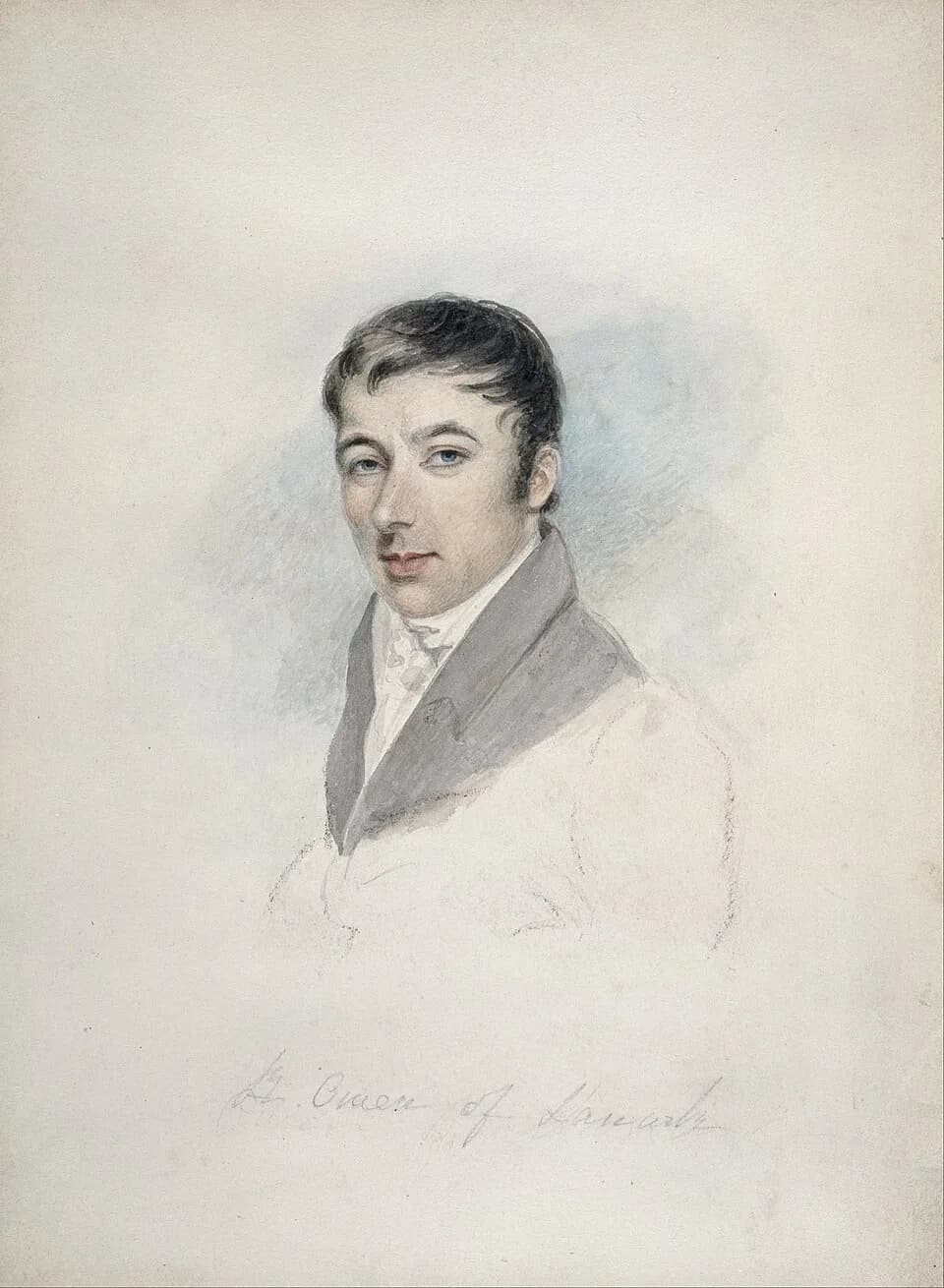
Robert Owen (1771–1858) was United Kingdom best known for Welsh textile manufacturer and social reformer.
Robert Owen (May 14, 1771 – November 17, 1858) was a Welsh textile manufacturer and social reformer. He was a founder of utopian socialism and the co-operative movement, striving to improve working conditions and promote experimental communities. His legacy includes pioneering ideas on education and collective child-rearing for a better society.
Chapitre
Chapitres de vie
Chapitre 1 · 1771· Chapitre 1 sur 7
Early Life and Origins
Robert Owen entered the world on May 14, 1771, in Newtown, United Kingdom, a town that would also mark the end of his journey. His formative years in this Welsh locale predated the height of the Industrial Revolution, yet its nascent stages would profoundly influence his worldview. While details of his family and early schooling are not extensively provided, his later actions suggest an early awareness of social structures and human potential.
Chapitre 2· Chapitre 2 sur 7
Career Beginnings
Owen's professional path began in the burgeoning textile industry, where he initially worked as a draper. This early experience in commerce and manufacturing provided him with direct insight into the lives of working people. Displaying an acute business acumen, he swiftly transitioned into a successful textile manufacturer himself. His hands-on involvement in factory management became the crucible for his progressive social theories.
Chapitre 3· Chapitre 3 sur 7
Major Achievements and Career Highlights
As a prominent Welsh textile manufacturer, Robert Owen distinguished himself not merely as an entrepreneur but as a profound political philosopher and social reformer. He is recognized as a foundational figure in utopian socialism and a key architect of the co-operative movement. Owen dedicated himself to tangible improvements in factory working conditions, striving to create environments that nurtured individuals.
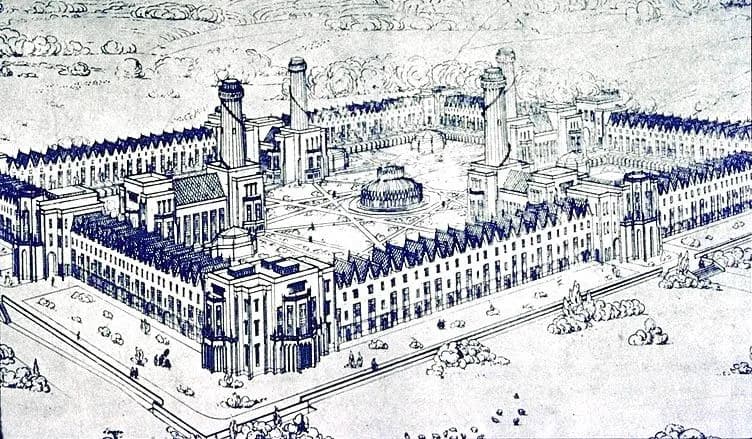
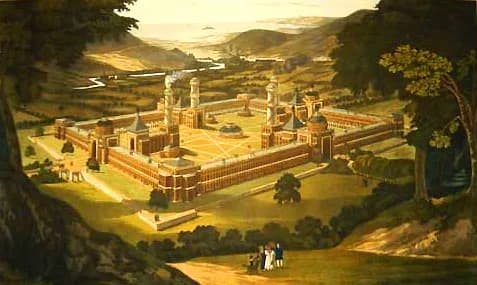
He was a passionate advocate for experimental socialistic communities, believing these models could demonstrate a more harmonious way of life. Owen also promoted a collective approach to child-rearing, seeing it as crucial for fostering well-rounded individuals from an early age. His unwavering belief in lifelong education led to the establishment of the "Institute for the Formation of Character and School for Children," which prioritized personal growth over mere job skills.
Chapitre 4· Chapitre 4 sur 7
Personal Life
While detailed accounts of Robert Owen's private family life remain sparse in historical records, his public philosophy reveals much about his personal values. His dedication to improving societal structures and nurturing human potential speaks to a deeply held humanitarian spirit. Owen's life was evidently intertwined with his mission, where his personal convictions fueled his extensive public work as a philanthropist and reformer.
Chapitre 5 · 1816· Chapitre 5 sur 7
Notable Works or Contributions
Robert Owen articulated his extensive social and economic philosophies through a substantial body of written work. A significant publication was "An address delivered to the inhabitants of New Lanark, on the first of January, 1816," which outlined his practical vision for community reform. He also authored "Outline of the rational system of society," detailing the foundational principles of his social science.
Other influential texts include "A new view of society: or, Essays on the principle of the formation of the human character, and application of the principle to practice," which explored the relationship between environment and individual development. His "Manifesto of Robert Owen," "Robert Owen's catechism of the rational system of society," and "Letters to the human race" further propagated his ideas on societal organization. He critically examined industrialization's impact in "Observations on the effect of the manufacturing system" and even engaged with religious discourse in "Debate on the evidences of Christianity." His autobiography, "The life of Robert Owen," provides a personal recounting of his journey.
Chapitre 6 · 1858· Chapitre 6 sur 7
Later Years
Throughout his later life, Robert Owen remained an active figure in public discourse, continuing his roles as an author, politician, economist, and sociologist. His commitment to socialist principles and social reform never wavered. Owen passed away in his birth town of Newtown, United Kingdom, on November 17, 1858, concluding a life dedicated to the advancement of human welfare.
Chapitre 7· Chapitre 7 sur 7
Legacy and Impact
Robert Owen's lasting impact on social thought and practical reform is undeniable. He is rightly considered a pioneering force behind utopian socialism and the foundational principles of the co-operative movement, which continue to influence modern social enterprises. His advocacy for improved factory conditions and humane treatment of workers helped shape early labor movements and corporate social responsibility. Owen's vision of well-rounded education and community development emphasizes his enduring belief in human perfectibility through environmental and social change, a concept that continues to resonate with contemporary discussions on societal well-being.
Une vie en moments
Les moments qui ont façonné une vie
FAQ
Questions fréquentes
Quand Robert Owen est-il/elle décédé(e) ?
Robert Owen est décédé(e) le 17 novembre 1858 à Newtown, United Kingdom, à l'âge de 87 ans.
Où est né(e) Robert Owen ?
Robert Owen est né(e) à Newtown, United Kingdom le 14 mai 1771.
Pour quoi Robert Owen est-il/elle le/la plus connu(e) ?
Robert Owen est surtout connu(e) pour Welsh textile manufacturer and social reformer.
Quel âge avait Robert Owen à sa mort ?
Robert Owen avait 87 ans au moment de son décès.
Quelle était la nationalité de Robert Owen ?
Robert Owen était originaire de United Kingdom.
Chronologie
La vie en un coup d'œil
Galerie photo
Une vie en images
Cliquez sur un polaroid pour l'agrandir · 21 photos
QR Code
Partager cette biographie
Imprimer et partager
Scannez pour visiter cette page biographique. Imprimez pour des événements, des expositions ou du matériel pédagogique.