Né(e)
September 23, 1930
Albany, United States
Décédé(e)
June 10, 2004
Beverly Hills, United States
Connu(e) pour
American singer, pianist and songwriter
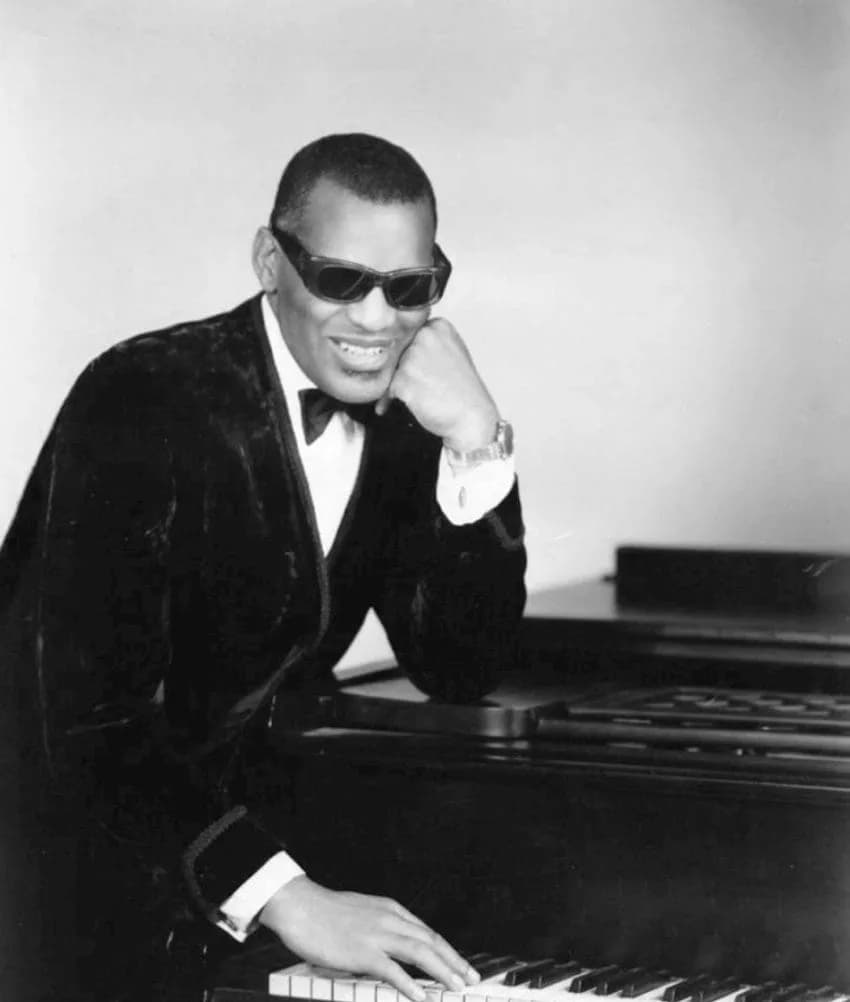
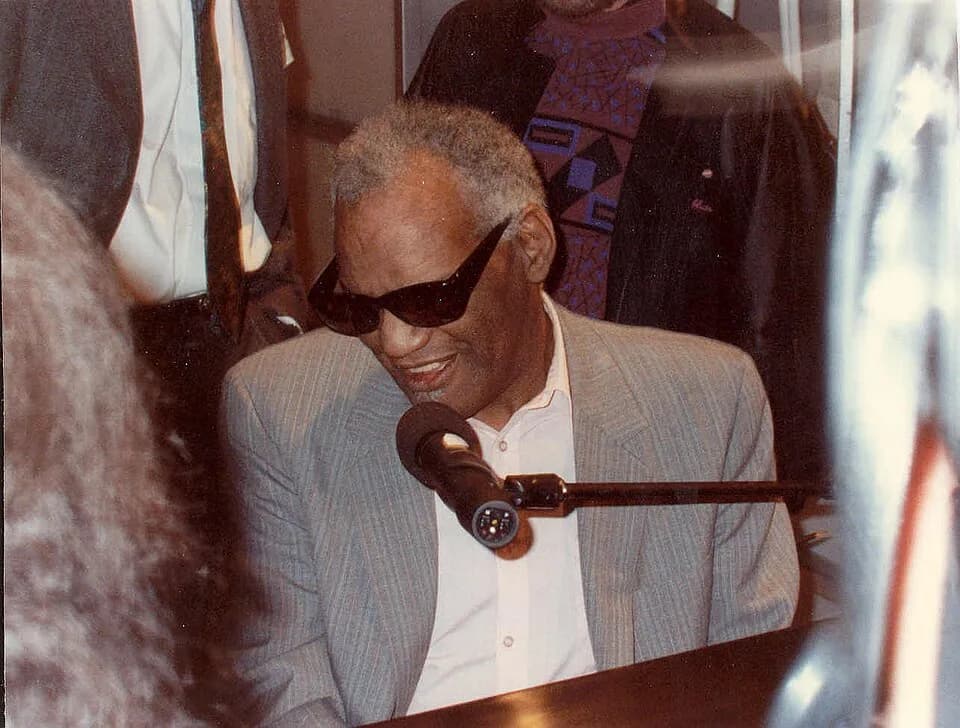
Ray Charles (1930–2004) was United States best known for American singer, pianist and songwriter.
Ray Charles (September 23, 1930 – June 10, 2004) was an American singer, pianist, and songwriter from Albany, United States. Known as "The Genius," he revolutionized soul music and influenced countless musicians. His enduring legacy continues to inspire generations with his fusion of jazz, soul, and blues.
Une vie en moments
Les moments qui ont façonné une vie
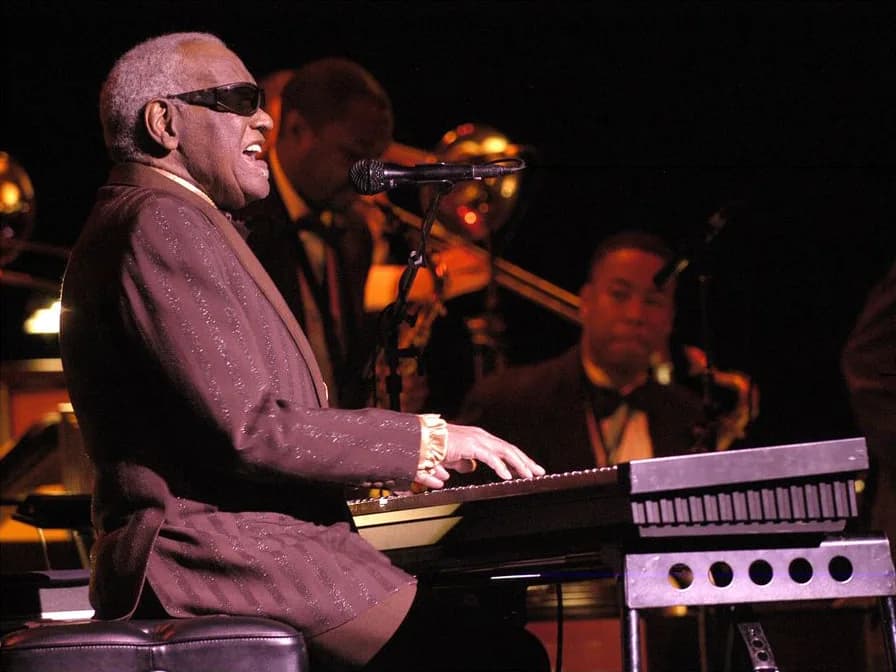
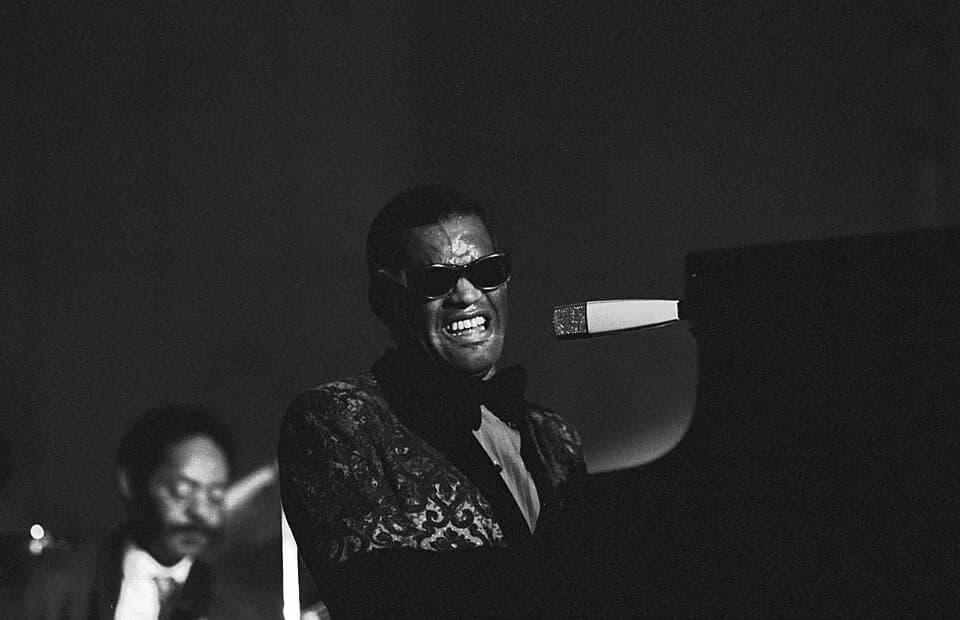
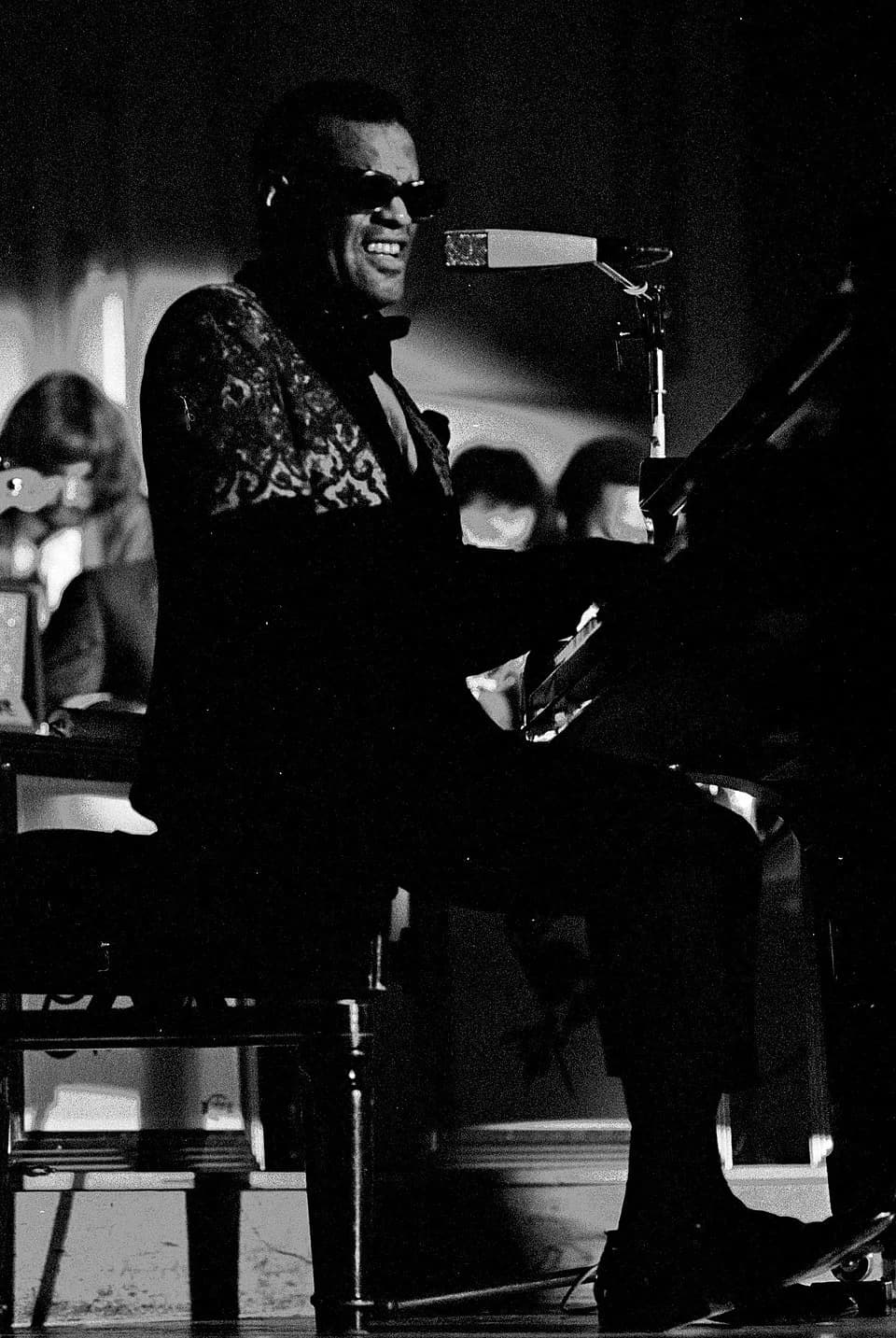
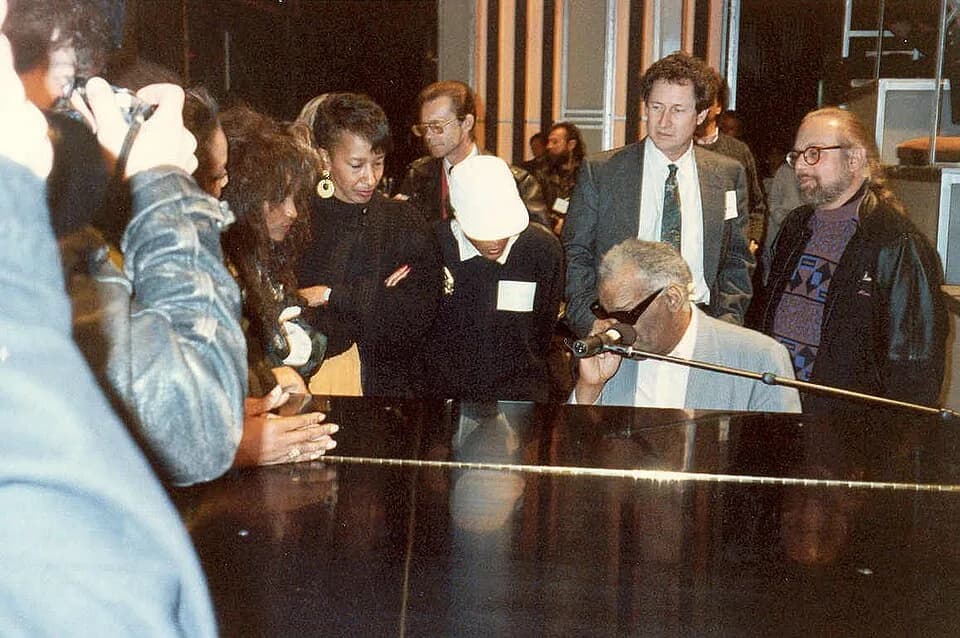
Chapitre
Chapitres de vie
Chapitre 1 · 1930· Chapitre 1 sur 6
Early Life and Origins
Ray Charles Robinson entered the world on September 23, 1930, in Albany, United States. His formative years were marked by a pivotal personal experience that shaped his perception of the world. The loss of his vision as a child, possibly attributed to glaucoma, became a defining aspect of his life, though it never hindered his artistic expression.
This early life experience fostered a deep connection to sound, sharpening his auditory senses and influencing his unique approach to music. Despite the challenges, his musical gifts began to blossom, setting him on a path that would eventually lead to global recognition. He developed an unparalleled ability to interpret and create music with profound emotional depth.
Chapitre 2· Chapitre 2 sur 6
Career Beginnings
Ray Charles embarked on his musical career, cultivating his skills as a pianist, singer, and songwriter. He dedicated himself to his craft, meticulously honing his unique sound. His early work involved absorbing various musical styles, which he would later skillfully blend into his signature genre-defying creations.
As he gained experience, Charles started to develop the powerful vocal delivery and instrumental prowess that would become his trademark. He immersed himself in the rich musical traditions of his time, laying the groundwork for the revolutionary sounds he would introduce to the world. These foundational experiences were crucial in shaping the versatility and depth evident in his later celebrated works.
Chapitre 3· Chapitre 3 sur 6
Major Achievements and Career Highlights
Throughout his career, Ray Charles achieved numerous milestones that solidified his place in music history. He became known for his innovative approach, fusing elements of gospel, blues, and jazz into what would become the nascent soul music genre. His ability to transcend traditional musical boundaries earned him widespread acclaim and the enduring moniker "The Genius."
Among friends and fellow musicians, Charles preferred the affectionate title "Brother Ray," reflecting his grounded and collaborative spirit. His contributions as a composer, singer-songwriter, pianist, and bandleader were immense, making him a recording artist of unparalleled influence. His dynamic performances and heartfelt interpretations resonated with audiences across generations.
Charles's impact was not only measured in record sales but also in his profound influence on subsequent musicians across diverse genres. His unique style, characterized by a distinctive blend of raw emotion and sophisticated musicality, set a new standard for vocal performance and instrumental arrangement. He continually pushed artistic boundaries, forever altering popular music.
Chapitre 4· Chapitre 4 sur 6
Notable Works and Contributions
Ray Charles's prolific discography stands as a monumental testament to his creative genius and versatility. His musical contributions traversed numerous genres, leaving an indelible mark on jazz, soul, blues, R&B, and jazz blues. Each album and song he released contributed to his evolving sound and legacy.
The iconic "Georgia On My Mind," though from 1930, became one of his most celebrated interpretations, showcasing his ability to infuse popular standards with soulful depth. In 1957, he released "The Great Ray Charles," an album that highlighted his exceptional piano skills and vocal range, captivating listeners with its innovative arrangements. The same year, "Ray Charles (Hallelujah I Love Her So)" further cemented his reputation, offering powerful gospel-infused R&B tracks that resonated widely.
His 1958 release, "Yes Indeed!," was another pivotal work, bursting with energy and showcasing his growing mastery of the soul genre. Later that year, the collaborative "Soul Brothers," featuring Milt Jackson, displayed his jazz sensibilities and collaborative spirit. The groundbreaking "The Genius of Ray Charles," released in 1959, epitomized his fusion of styles and cemented his status as a musical innovator.
The electrifying "What’d I Say," also from 1959, became one of his most iconic and influential songs, defining an era with its call-and-response vocals and driving rhythm. In 1960, "Fathead" presented more of his instrumental and vocal prowess, deepening his blues and jazz explorations. "The Genius Hits the Road," also released in 1960, showcased his versatility with a collection of travel-themed songs, demonstrating his ability to interpret diverse material.
The 1961 album "Ray Charles and Betty Carter" highlighted his exceptional chemistry in vocal duets, further demonstrating his range as a vocalist and arranger. Beyond these albums, his work as a music arranger, vocalist, and bandleader consistently pushed musical boundaries. He infused every composition with his distinct personality, ensuring that his sound was instantly recognizable and deeply impactful.
Chapitre 5· Chapitre 5 sur 6
Later Years
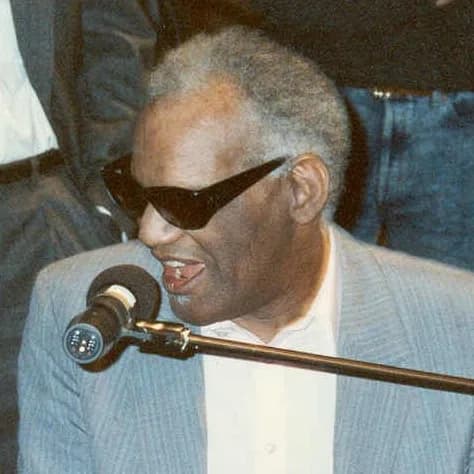
Even in his later years, Ray Charles continued to captivate audiences and inspire fellow musicians. He maintained an active career, performing and recording, showcasing his enduring passion for music. His performances were always an experience, full of the same energy and emotional depth that characterized his earlier work.
Ray Charles passed away on June 10, 2004, in Beverly Hills, United States, leaving behind an unparalleled body of work. His life was a testament to perseverance and artistic integrity, as he continued to share his gift with the world for decades. His final years were spent surrounded by the music he so dearly loved and helped to define.
Chapitre 6· Chapitre 6 sur 6
Legacy and Impact
Ray Charles's legacy endures as one of the most powerful and influential forces in modern music. He is celebrated for his pivotal role in creating soul music, merging the spiritual fervor of gospel with the secular passion of blues and R&B. His innovative approach opened new avenues for musical expression, inspiring countless artists across various genres.
His distinctive vocal style, characterized by its gravelly texture and emotive power, along with his virtuosic piano playing, set a benchmark for future generations of musicians. Charles's work as a composer and arranger showcased a profound understanding of music theory and emotional resonance. He broke down barriers, both musical and societal, through the sheer power and honesty of his art.
Ray Charles remains a towering figure, his music continuing to touch hearts and influence the sound of contemporary artists. He transformed the sounds of jazz, soul, blues, and R&B into a unified, electrifying force. "The Genius" lives on through his timeless recordings, which serve as a perpetual reminder of his extraordinary talent and profound impact on the world's musical heritage.
FAQ
Questions fréquentes
Quand Ray Charles est-il/elle décédé(e) ?
Ray Charles est décédé(e) le 10 juin 2004 à Beverly Hills, United States, à l'âge de 73 ans.
Où est né(e) Ray Charles ?
Ray Charles est né(e) à Albany, United States le 23 septembre 1930.
Pour quoi Ray Charles est-il/elle le/la plus connu(e) ?
Ray Charles est surtout connu(e) pour American singer, pianist and songwriter.
Quel âge avait Ray Charles à sa mort ?
Ray Charles avait 73 ans au moment de son décès.
Quelle était la nationalité de Ray Charles ?
Ray Charles était originaire de United States.
Chronologie
La vie en un coup d'œil
Galerie photo
Une vie en images
Cliquez sur un polaroid pour l'agrandir · 24 photos
QR Code
Partager cette biographie
Imprimer et partager
Scannez pour visiter cette page biographique. Imprimez pour des événements, des expositions ou du matériel pédagogique.