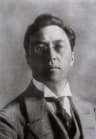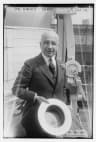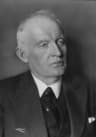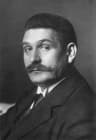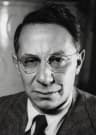
Né(e)
August 19, 1878
Baler, Philippines
Décédé(e)
August 1, 1944
Saranac Lake, United States
Connu(e) pour
President of the Philippines from 1935 to 1944
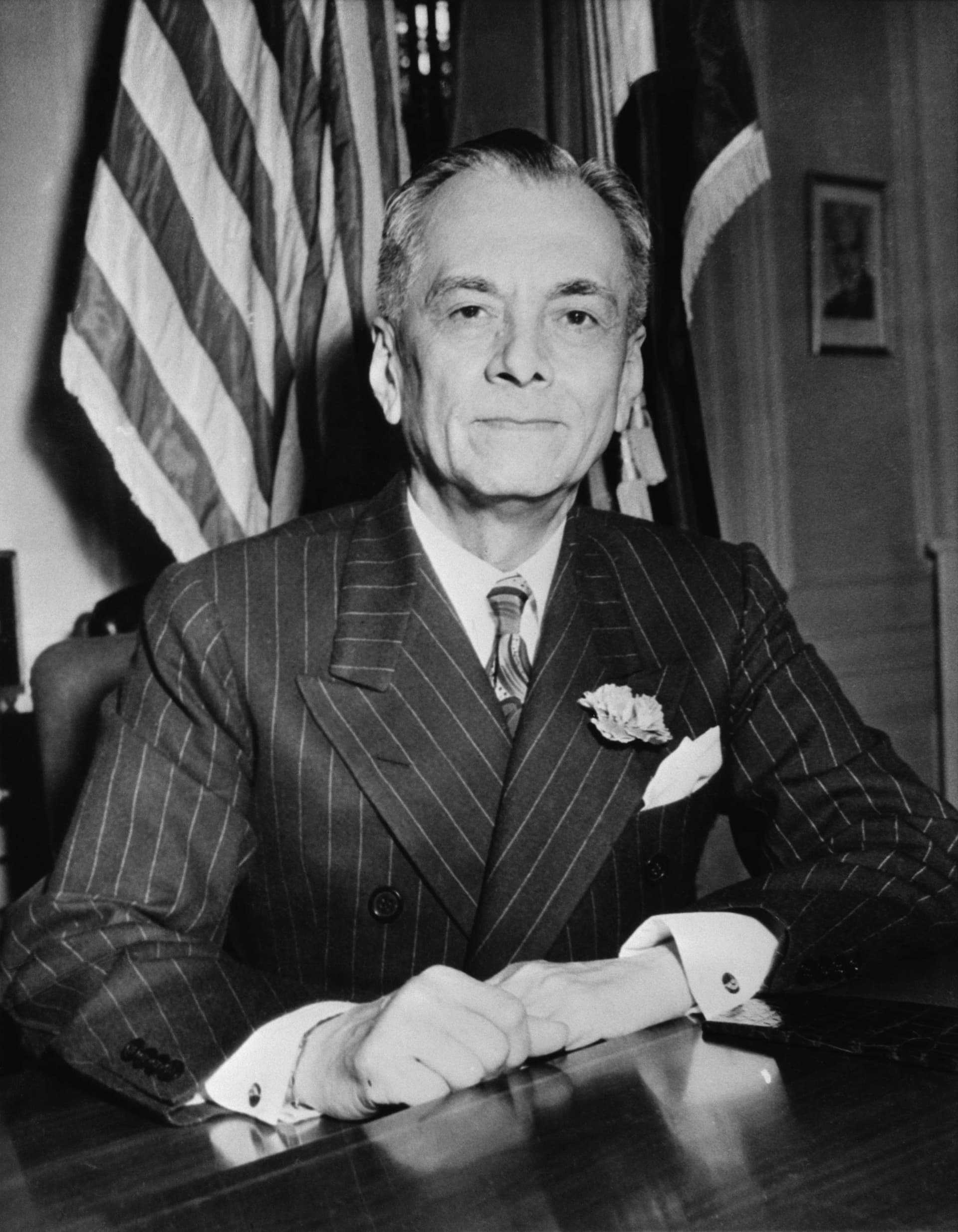
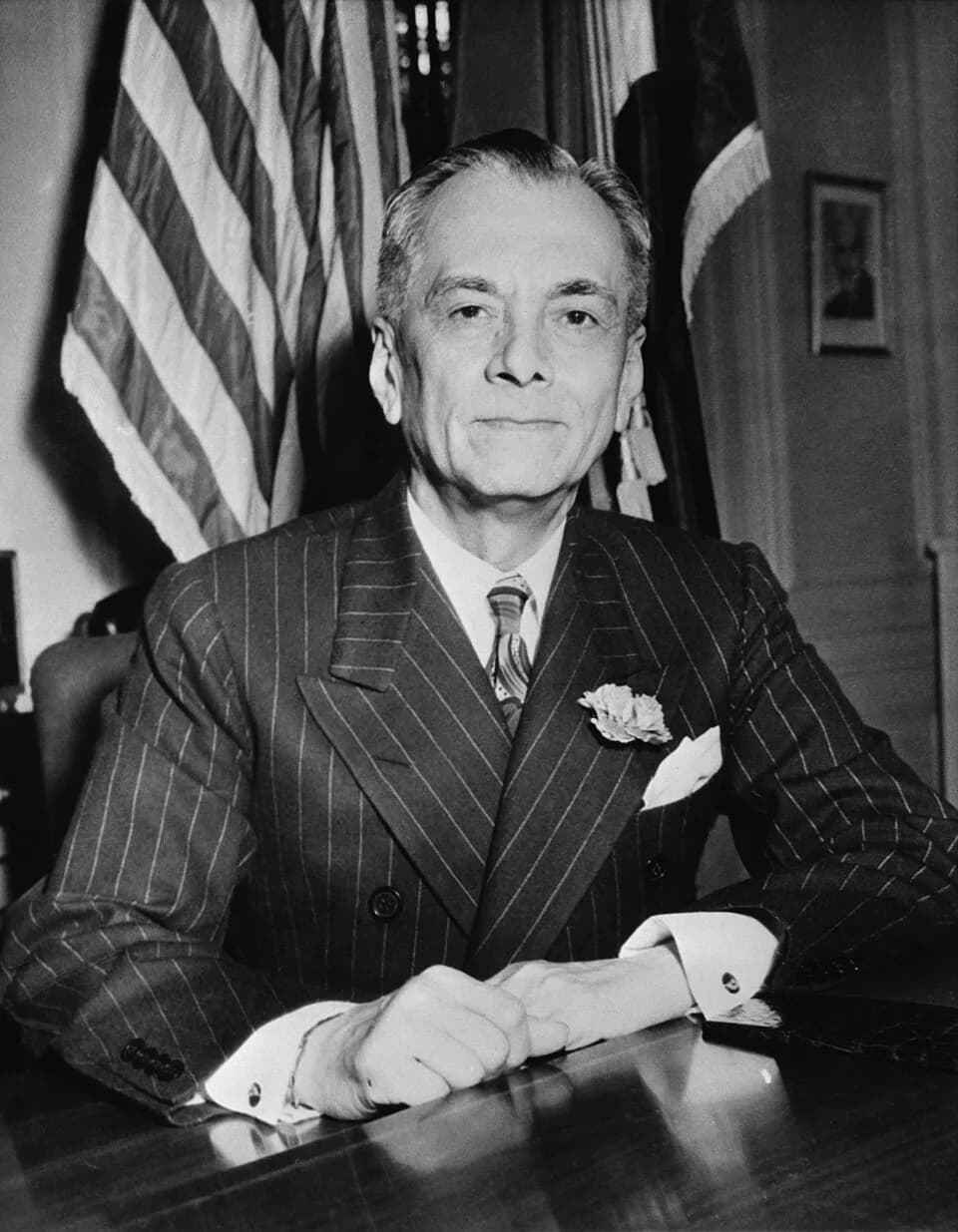
Manuel L. Quezon (1878–1944) was Philippines best known for President of the Philippines from 1935 to 1944.
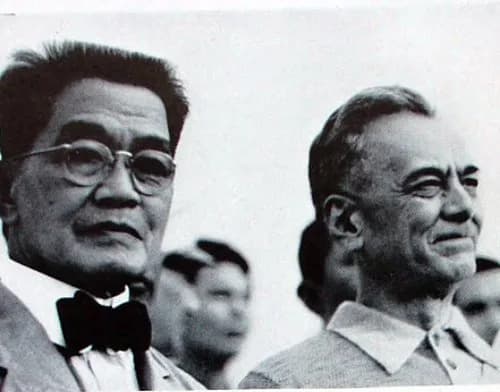
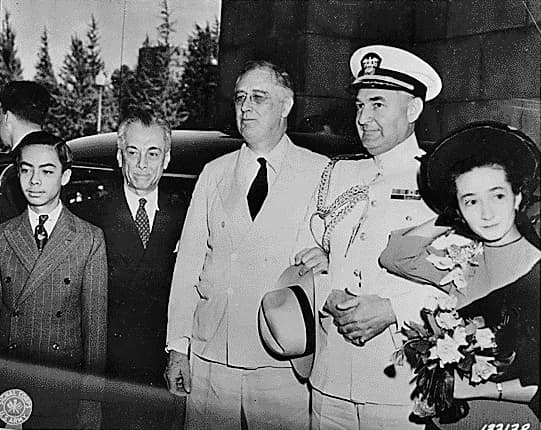
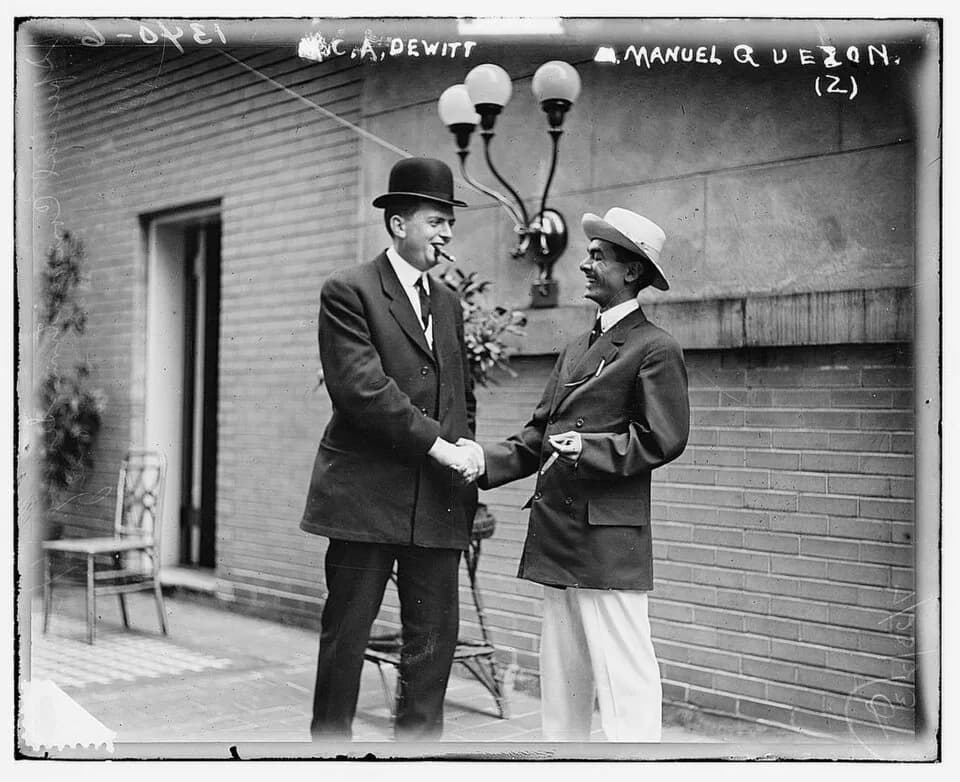
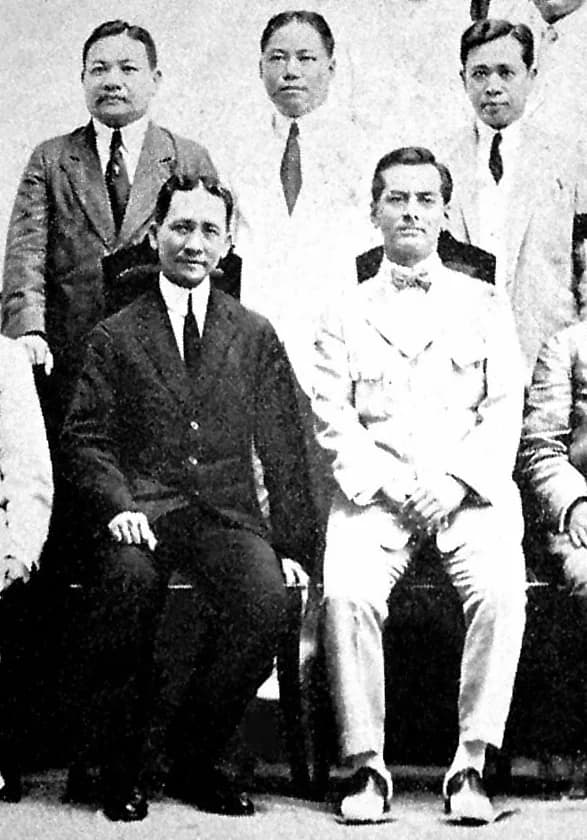
Manuel L. Quezon (August 19, 1878 – August 1, 1944) was a Filipino lawyer and politician. He served as the second president of the Philippines from 1935 to 1944, being the first Filipino to lead a government for the entire nation. His leadership shaped the early years of the Philippine Commonwealth.
Chapitre
Chapitres de vie
Chapitre 1 · 1878· Chapitre 1 sur 6
Early Life and Origins
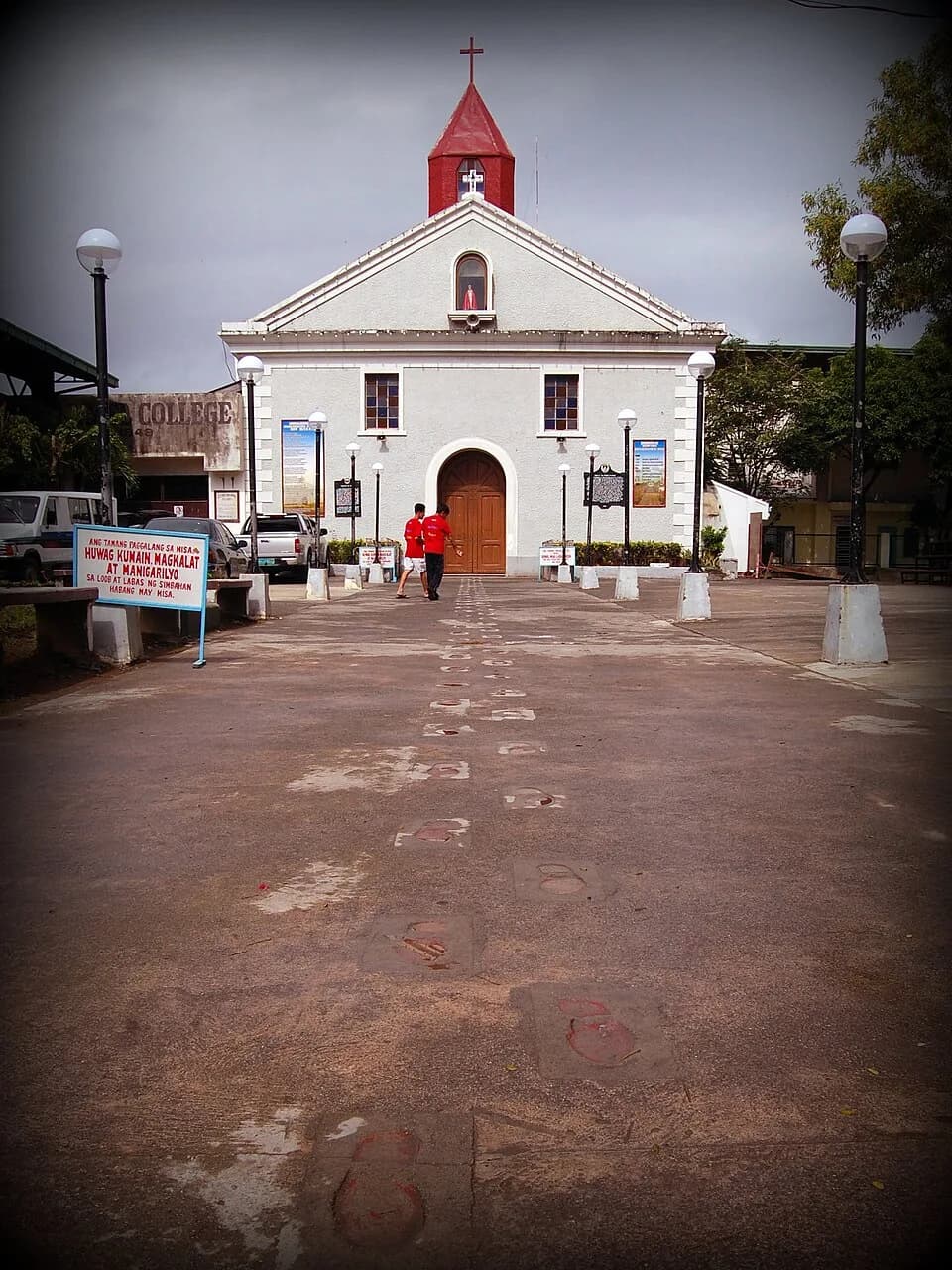
Manuel L. Quezon began his life in Baler, Philippines, on August 19, 1878. His early years in this Philippine town shaped the beginnings of a career dedicated to public service. Though details of his upbringing are sparse, his origins in Baler are a foundational part of his personal story. These formative experiences undoubtedly contributed to his later commitment to the Filipino people.
Chapitre 2· Chapitre 2 sur 6
Career Beginnings
Quezon's professional journey commenced with his training as a lawyer, establishing a strong base for his future in public life. He quickly transitioned into the political arena, leveraging his legal acumen and natural charisma. Before ascending to the presidency, he served as a statesman and soldier, acquiring varied experiences crucial for his later leadership. His early career demonstrated a clear trajectory toward national prominence and influence within the Philippines.
Chapitre 3 · 1935· Chapitre 3 sur 6
Major Achievements and Career Highlights
Manuel L. Quezon's most significant achievement was his presidency of the Philippines, a role he held from 1935 until his death in 1944. He became the second president of the Philippines, following Emilio Aguinaldo, whom he notably defeated in the 1935 presidential election. This victory solidified his position as a preeminent national figure and the first Filipino to govern the entire nation. During his time, he steered the country through significant political and social developments.
His leadership during the Philippine Commonwealth period was characterized by efforts to establish a stable and self-governing nation. Quezon played an indispensable role in defining the administrative and legal frameworks of the nascent Philippine government. He worked tirelessly to prepare the country for full independence, even as global events presented substantial challenges. His dedication to national sovereignty remained a constant focus throughout his presidency.
Chapitre 4· Chapitre 4 sur 6
Notable Works or Contributions
The legacy of Manuel L. Quezon is visibly enshrined in the very geography of the Philippines. Quezon City, a vibrant urban center within Metro Manila, bears his name as a lasting tribute to his influence. Similarly, Quezon Province stands as another geographical marker commemorating his contributions to the nation. These namings reflect the deep respect and lasting recognition accorded to his historical role.
His work as a lawyer and politician directly led to the establishment and operation of the Philippine government he led. Quezon's policies and leadership defined the early structure and direction of the unified Philippine state. His efforts helped shape the governmental institutions and national identity that persist to this day. Through his vision, the Philippines made crucial strides towards self-determination.
Chapitre 5 · 1944· Chapitre 5 sur 6
Later Years
Manuel L. Quezon's presidency continued until his passing on August 1, 1944. His final years were spent serving his country, demonstrating unwavering commitment despite the challenges of the time. He died in Saranac Lake, United States, away from his homeland during a tumultuous period. His death marked the end of an era for Philippine leadership.
Chapitre 6· Chapitre 6 sur 6
Legacy and Impact
Manuel L. Quezon's impact on the Philippines is significant and lasting. As the second president and the first to head a unified government for the entire country, he set precedents for national leadership. His actions as a lawyer, statesman, and politician laid critical groundwork for the independent Philippines. He is remembered as a driving force behind the nation's journey toward self-governance.
The naming of Quezon City and Quezon Province serves as a permanent reminder of his central place in Philippine history. Generations of Filipinos recognize his contributions through these significant geographical markers. Manuel L. Quezon's life exemplified dedication to his country and its people, leaving a legacy of determined leadership and national building.
Une vie en moments
Les moments qui ont façonné une vie
FAQ
Questions fréquentes
Quand Manuel L. Quezon est-il/elle décédé(e) ?
Manuel L. Quezon est décédé(e) le 1 août 1944 à Saranac Lake, United States, à l'âge de 65 ans.
Où est né(e) Manuel L. Quezon ?
Manuel L. Quezon est né(e) à Baler, Philippines le 19 août 1878.
Pour quoi Manuel L. Quezon est-il/elle le/la plus connu(e) ?
Manuel L. Quezon est surtout connu(e) pour President of the Philippines from 1935 to 1944.
Quel âge avait Manuel L. Quezon à sa mort ?
Manuel L. Quezon avait 65 ans au moment de son décès.
Quelle était la nationalité de Manuel L. Quezon ?
Manuel L. Quezon était originaire de Philippines.
Chronologie
La vie en un coup d'œil
Galerie photo
Une vie en images
Cliquez sur un polaroid pour l'agrandir · 20 photos
QR Code
Partager cette biographie
Imprimer et partager
Scannez pour visiter cette page biographique. Imprimez pour des événements, des expositions ou du matériel pédagogique.