Né(e)
March 17, 1754
Paris, France
Décédé(e)
November 8, 1793
Paris, France
Connu(e) pour
French revolutionary
Manon Roland (1754–1793) was France best known for French revolutionary.
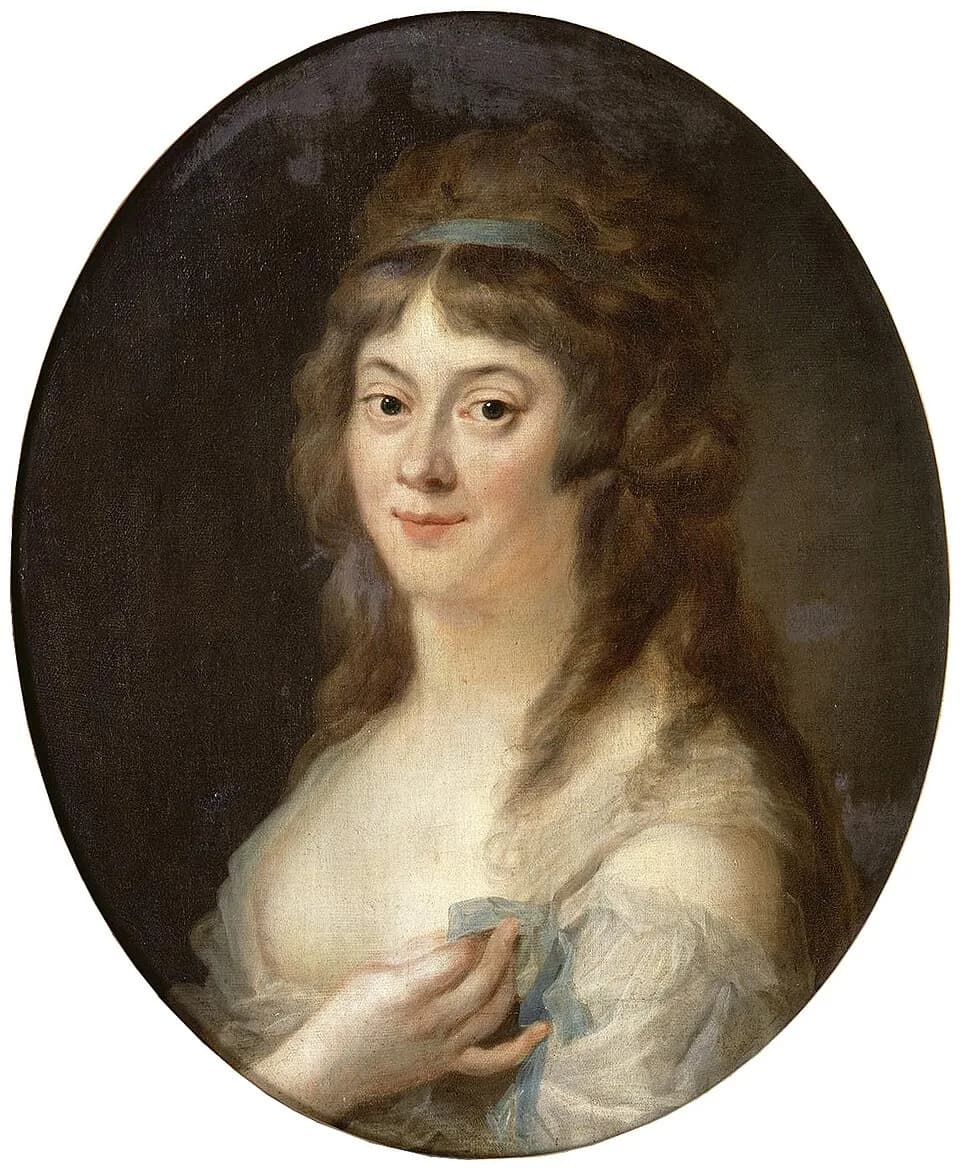
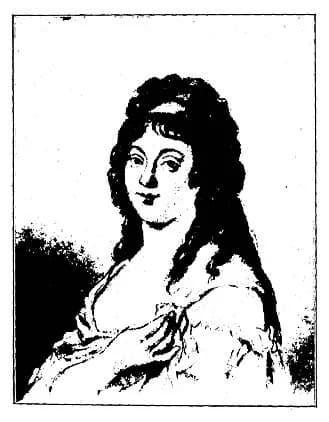
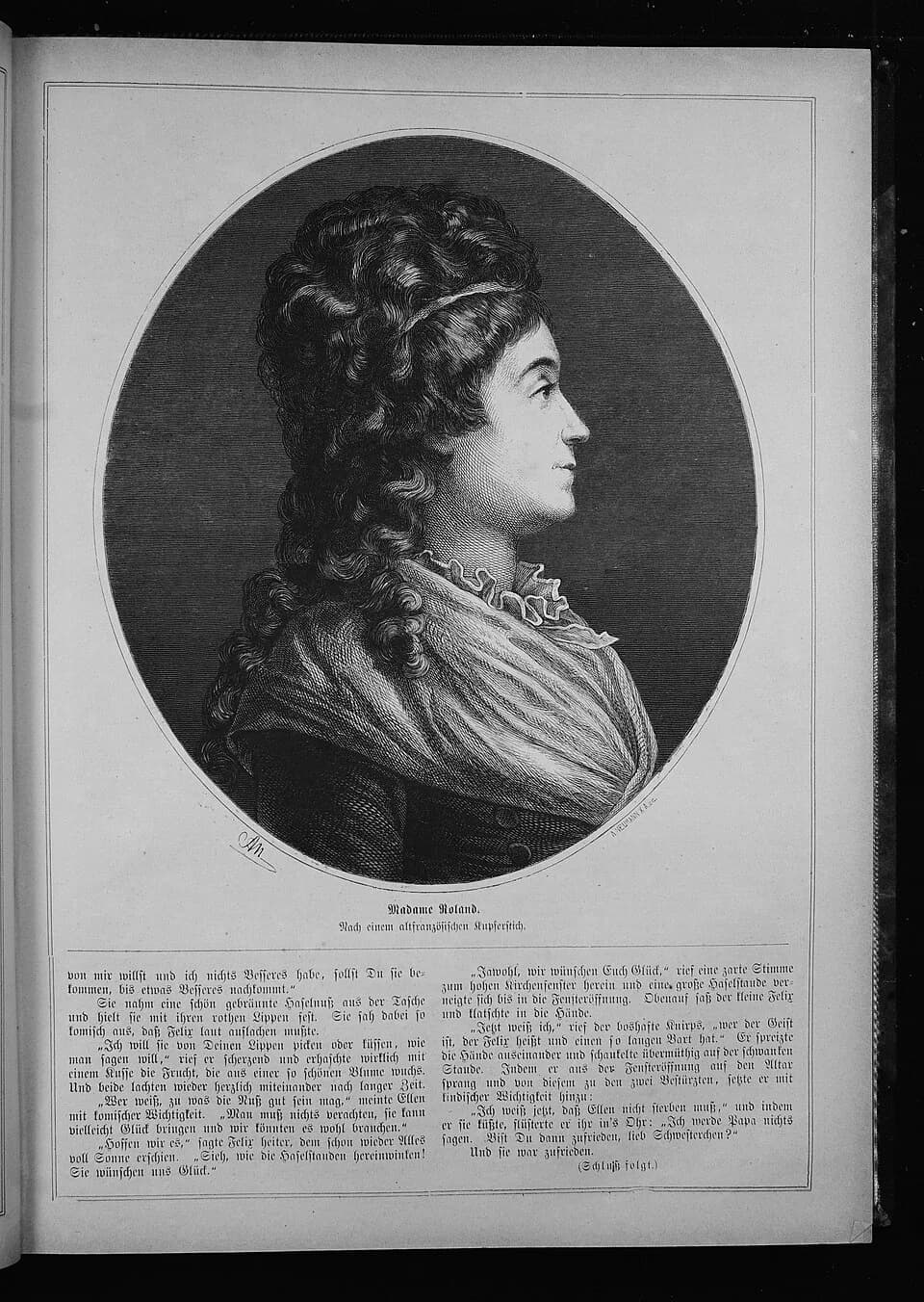
Marie-Jeanne "Manon" Roland de la Platière (March 17, 1754 – November 8, 1793) was a French revolutionary, writer, and salonnière. She profoundly influenced the Girondins, shaping public opinion through her astute political writings and a celebrated salon. Her memoirs, written in prison, offer an invaluable look into the Revolution's early years.
Chapitre
Chapitres de vie
Chapitre 1· Chapitre 1 sur 3
From Autodidact to Collaborator
Manon eventually married Jean-Marie Roland de la Platière, an older inspector with a difficult temperament but a keen intellect. What began as a secretary's role quickly evolved. In Amiens, after the birth of their daughter Eudora—a process Manon detailed with unusual candor in a written report—she became her husband’s intellectual equal. She moved from copying texts to editing and then writing major sections herself. Jean-Marie acknowledged her superior writing talent, forming an equal partnership rare for their time. She even proved a skilled lobbyist, adept at negotiation during a Paris trip to advance his career.
Chapitre 2 · 1791· Chapitre 2 sur 3
The Revolutionary's Salon
In 1791, the Rolands settled in Paris, and Madame Roland's salon quickly became a vibrant hub for the Girondins, a moderate revolutionary faction. Known for her intelligence and sharp political analyses, she was a formidable negotiator. She shaped public opinion and policy, especially when her husband became Minister of the Interior in 1792. She controlled ministerial correspondence and influenced political appointments.
Yet, her strong convictions and perceived intellectual superiority alienated powerful figures like Robespierre. Though deeply involved in politics, Manon Roland did not advocate for women's political rights, a position many found contradictory to her own influential role. She was both admired and reviled, facing smear campaigns from radical publicists during the power struggles between the Girondins and Jacobins.
Chapitre 3 · 1793· Chapitre 3 sur 3
A Voice Beyond the Grave
In June 1793, Manon Roland became one of the first Girondins arrested during the Reign of Terror. A few months later, on November 8, 1793, she was led to the guillotine. During her imprisonment, she wrote her extraordinary Private Memoirs of Madame Roland. From her prison cell, she ensured her revolutionary spirit would speak long after her voice was silenced.
Une vie en moments
Les moments qui ont façonné une vie
FAQ
Questions fréquentes
Quand Manon Roland est-il/elle décédé(e) ?
Manon Roland est décédé(e) le 8 novembre 1793 à Paris, France, à l'âge de 39 ans.
Où est né(e) Manon Roland ?
Manon Roland est né(e) à Paris, France le 17 mars 1754.
Pour quoi Manon Roland est-il/elle le/la plus connu(e) ?
Manon Roland est surtout connu(e) pour French revolutionary.
Quel âge avait Manon Roland à sa mort ?
Manon Roland avait 39 ans au moment de son décès.
Quelle était la nationalité de Manon Roland ?
Manon Roland était originaire de France.
Chronologie
La vie en un coup d'œil
Galerie photo
Une vie en images
Cliquez sur un polaroid pour l'agrandir · 25 photos
QR Code
Partager cette biographie
Imprimer et partager
Scannez pour visiter cette page biographique. Imprimez pour des événements, des expositions ou du matériel pédagogique.