Né(e)
March 29, 1790
Greenway Plantation, United States
Décédé(e)
January 18, 1862
Richmond, United States
Connu(e) pour
president of the United States from 1841 to 1845
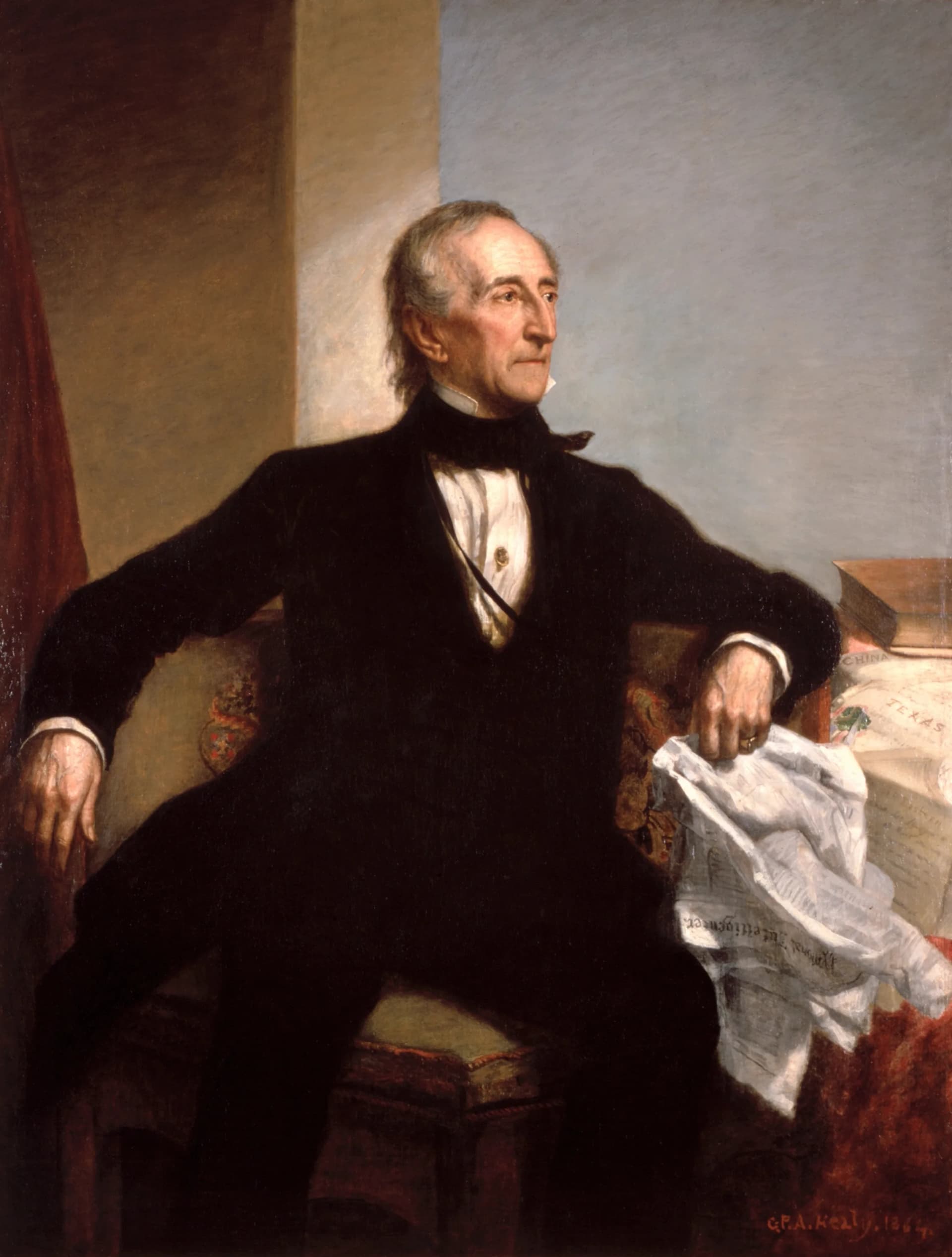
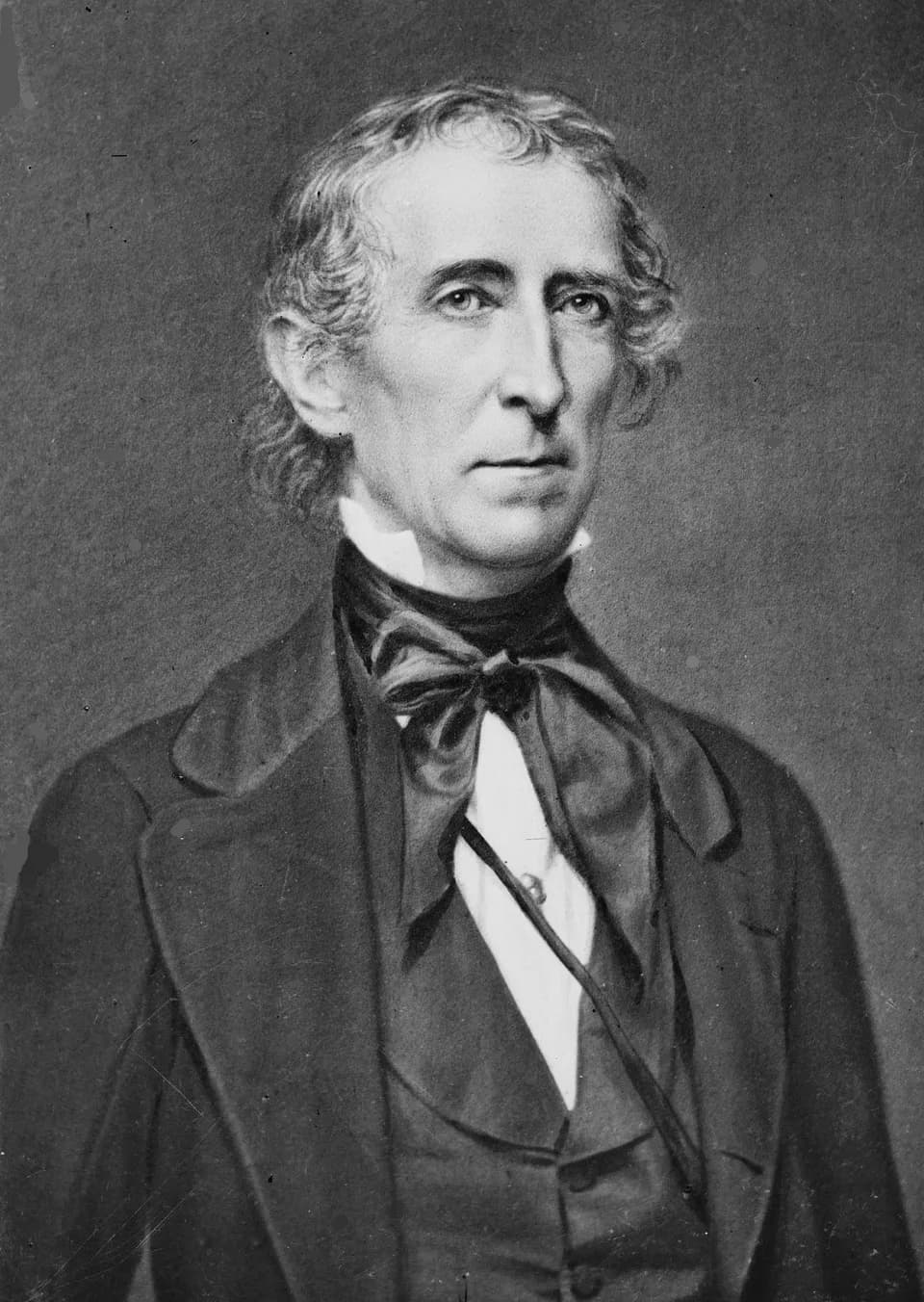
John Tyler (1790–1862) was United States best known for president of the United States from 1841 to 1845.
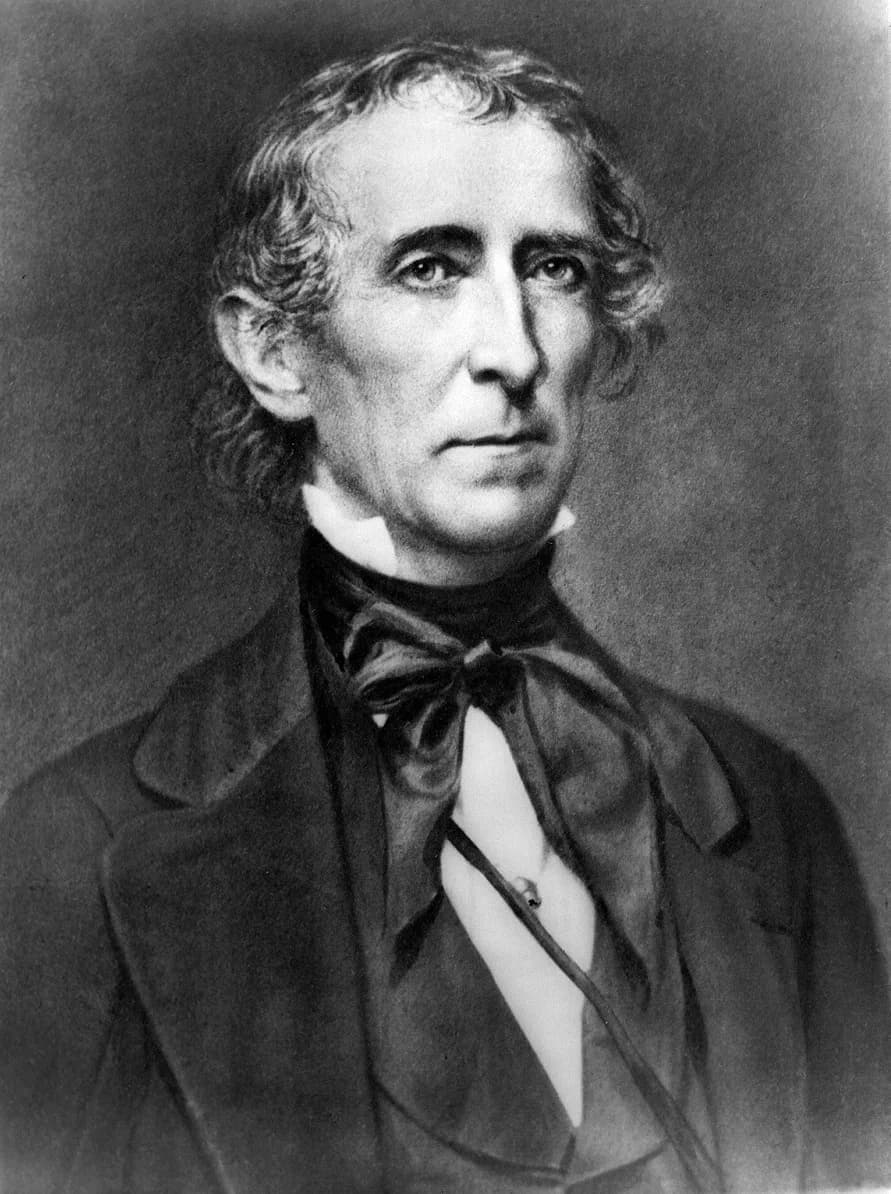
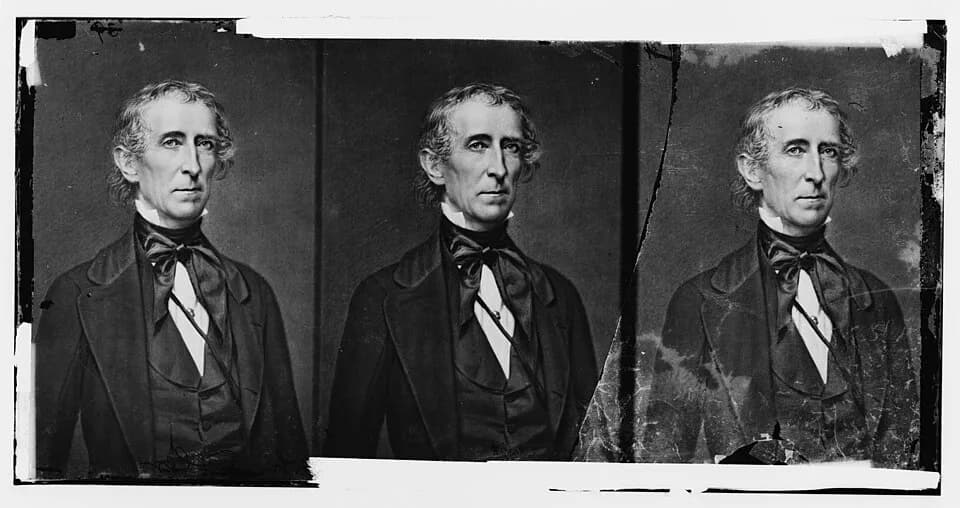
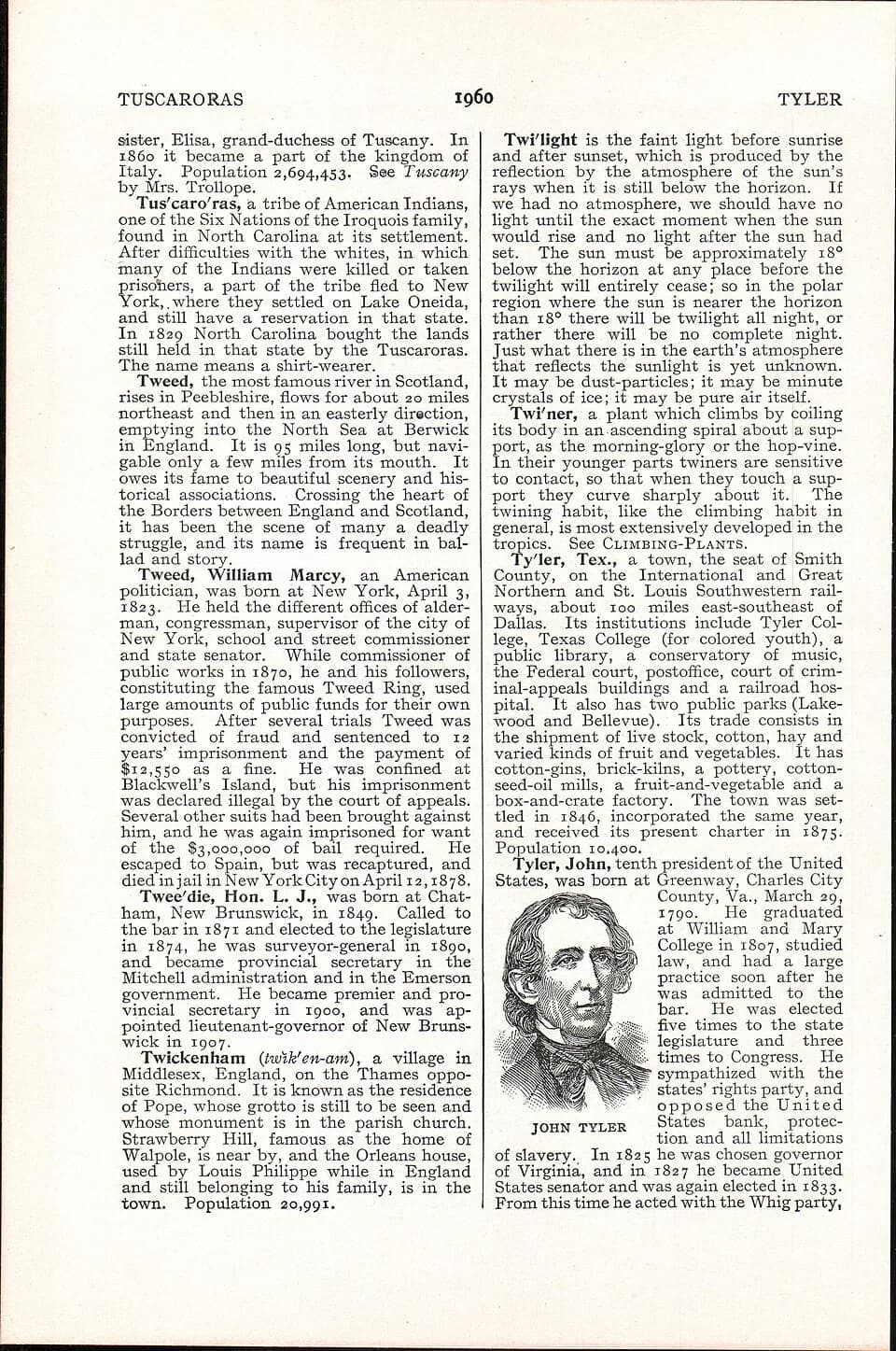
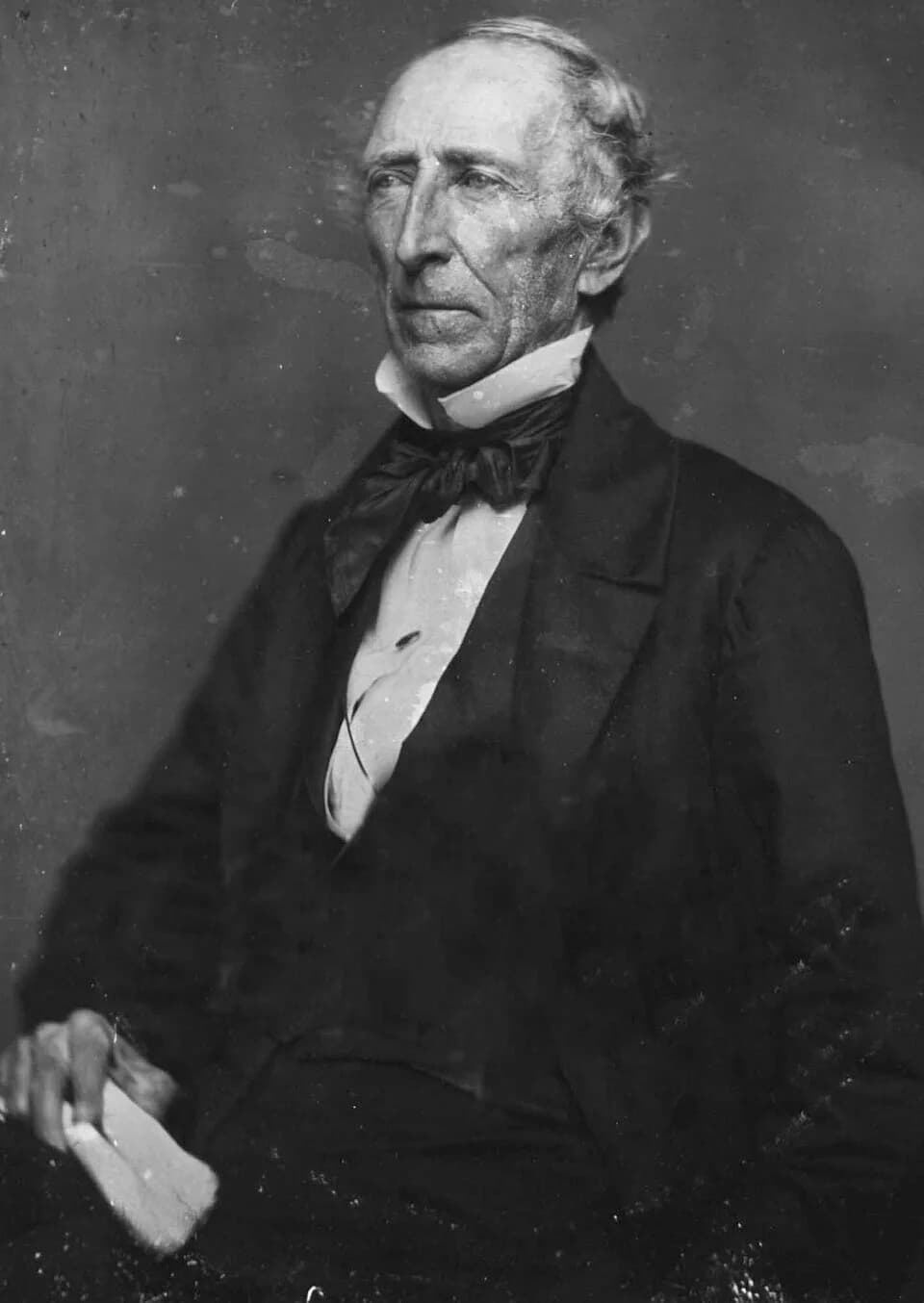
John Tyler (March 29, 1790 – January 18, 1862) was a lawyer and politician from the United States. He served as the tenth president from 1841 to 1845, succeeding William Henry Harrison. Tyler advocated for states' rights during his unique presidency.
Une vie en moments
Les moments qui ont façonné une vie
Chapitre
Chapitres de vie
Chapitre 1 · 1790· Chapitre 1 sur 6
Early Life and Origins
John Tyler was born on March 29, 1790, at Greenway Plantation in the United States. His early years were spent in a setting that would influence his political views, particularly his strong support for states' rights. Growing up in Virginia, he was immersed in the political climate of a young nation still defining its federal and state powers.
Chapitre 2· Chapitre 2 sur 6
Career Beginnings
Tyler embarked on a career in law before transitioning into the political arena. His legal background provided a strong foundation for his legislative work and public service. He quickly rose through political ranks, serving in various capacities including as a governor, demonstrating his commitment to the American political system from an early age.
His political career saw him engage with the complex issues of the era, gaining experience and building a reputation. This progression eventually led him to the national stage, where he would assume roles of greater responsibility. Tyler's early experiences as a lawyer and politician prepared him for the challenges he would later face as a national leader.
Chapitre 3 · 1840· Chapitre 3 sur 6
Major Achievements and Career Highlights
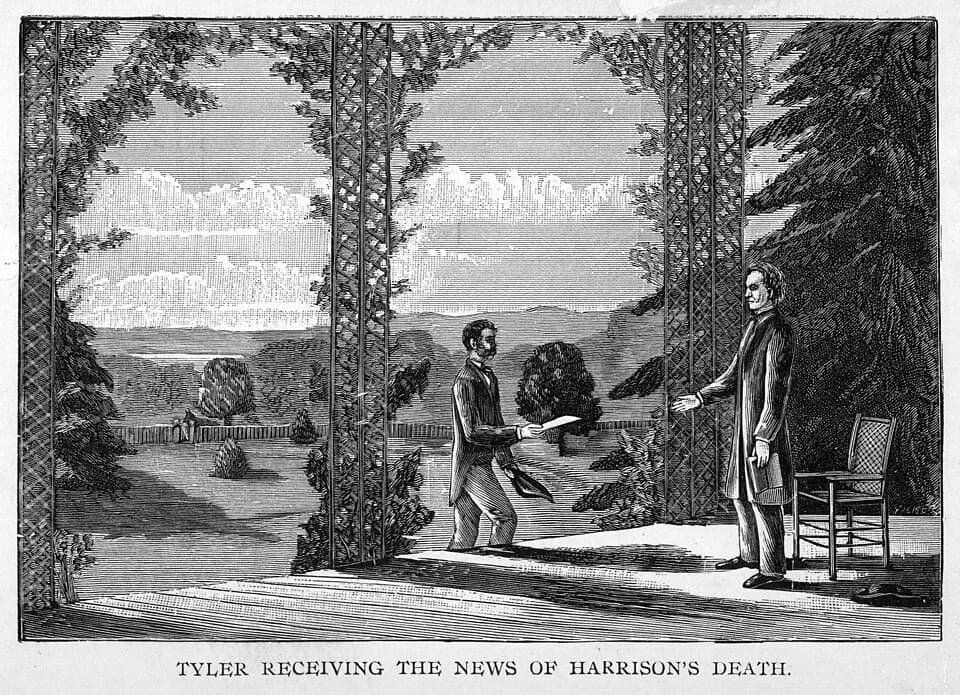
John Tyler's most notable achievement was his ascension to the presidency. He was elected vice president on the 1840 Whig ticket alongside William Henry Harrison. Following Harrison's unexpected death just 31 days into his term, Tyler succeeded to the presidency in April 1841, becoming the first vice president to do so.
During his term as president, from 1841 to 1845, Tyler was a firm supporter and advocate of states' rights, including those concerning slavery. His policies as president reflected this conviction, adopting nationalistic measures only when they did not infringe upon the powers reserved for the states. This distinct approach often put him at odds with others in Washington.
His unexpected rise to the highest office posed a significant challenge to the presidential ambitions of Senator Henry Clay and other prominent Whig politicians. This situation, combined with his policy stances, resulted in Tyler becoming estranged from both of the major political parties of the time: the Whigs and the Democrats. He navigated his presidency largely without a strong party base.
Chapitre 4· Chapitre 4 sur 6
Notable Works or Contributions
Tyler's presidency itself stands as his primary contribution to American history. He established a crucial precedent for presidential succession, affirming that a vice president who ascends to the office assumes the full powers and title of president, rather than simply acting as president. This act provided clarity for future transitions of power.
His strong advocacy for states' rights shaped his policy decisions throughout his term. He consistently championed this principle, even when it led to political isolation. Tyler's administration worked to balance federal authority with the autonomy of individual states, a central theme in American governance during his era.
Chapitre 5 · 1845· Chapitre 5 sur 6
Later Years
After leaving the presidency in 1845, John Tyler continued to observe the political landscape of the nation he had served. He lived through a period of increasing national division, particularly concerning the issue of states' rights and slavery, which had been central to his own political philosophy.
John Tyler passed away on January 18, 1862, in Richmond, United States. His death occurred during the tumultuous early years of the American Civil War, a conflict that deeply reflected the very states' rights debates he had championed throughout his distinguished career.
Chapitre 6· Chapitre 6 sur 6
Legacy and Impact
John Tyler's legacy is defined by his unique presidency and his steadfast commitment to states' rights. His ascension to the presidency set a vital precedent for the orderly transfer of power, an enduring feature of the American political system. He demonstrated how a vice president fully assumes the presidential office rather than just performing its duties.
His political independence and his willingness to stand against the prevailing party lines left a lasting impression on American politics. Tyler's presidency highlighted the complexities of party loyalty and individual conviction in the early republic. He remains a figure who shaped the definition of the American presidency during a critical transitional period.
FAQ
Questions fréquentes
Quand John Tyler est-il/elle décédé(e) ?
John Tyler est décédé(e) le 18 janvier 1862 à Richmond, United States, à l'âge de 71 ans.
Où est né(e) John Tyler ?
John Tyler est né(e) à Greenway Plantation, United States le 29 mars 1790.
Pour quoi John Tyler est-il/elle le/la plus connu(e) ?
John Tyler est surtout connu(e) pour president of the United States from 1841 to 1845.
Quel âge avait John Tyler à sa mort ?
John Tyler avait 71 ans au moment de son décès.
Quelle était la nationalité de John Tyler ?
John Tyler était originaire de United States.
Chronologie
La vie en un coup d'œil
Galerie photo
Une vie en images
Cliquez sur un polaroid pour l'agrandir · 22 photos
QR Code
Partager cette biographie
Imprimer et partager
Scannez pour visiter cette page biographique. Imprimez pour des événements, des expositions ou du matériel pédagogique.