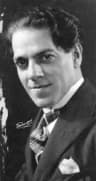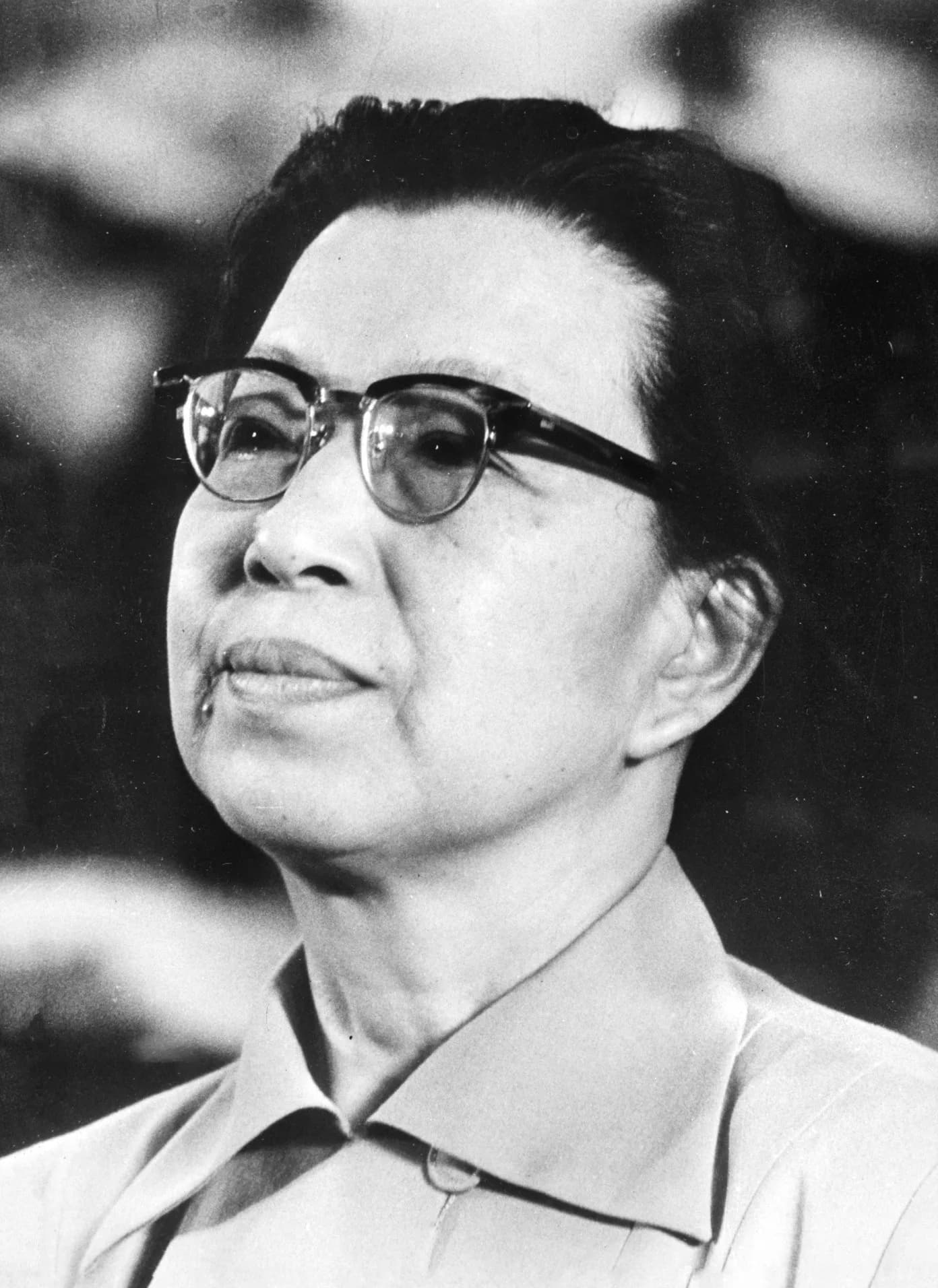
Né(e)
March 5, 1914
Zhucheng, People's Republic of China
Décédé(e)
May 14, 1991
Qincheng Prison, Ministry of Public Security, People's Republic of China
Connu(e) pour
Chinese political figure and wife of Mao Zedong
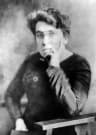
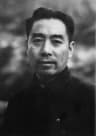
Jiang Qing (1914–1991) was People's Republic of China best known for Chinese political figure and wife of Mao Zedong.
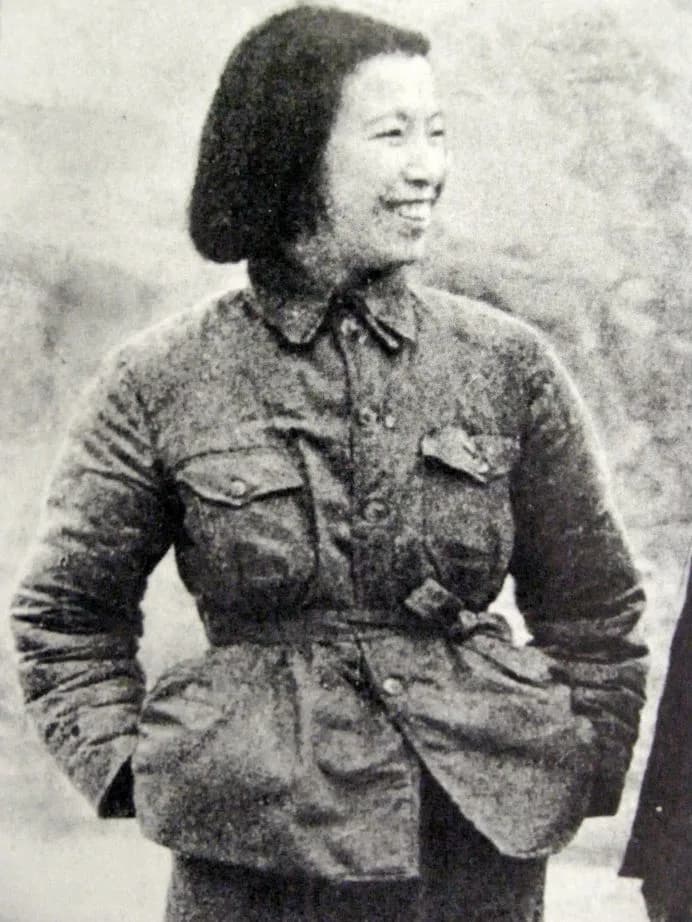
Jiang Qing (March 5, 1914 – May 14, 1991) was a Chinese political figure and actor from Zhucheng, People's Republic of China. As the fourth wife of Mao Zedong, she played a major role in the Cultural Revolution and led the Gang of Four. Her actions left a significant and controversial mark on 20th-century Chinese history.
Chapitre
Chapitres de vie
Chapitre 1 · 1914· Chapitre 1 sur 7
Early Life and Origins
Jiang Qing was born Li Yunhe on March 5, 1914, in Zhucheng, People's Republic of China. Her early life laid the foundation for her later emergence onto both the stage and the political arena. Her origins in Zhucheng mark the beginning of her journey.
Details about her family and upbringing are not extensively provided in public records. However, her birth in this specific region of China connects her to the historical context of the time before her rise to national prominence.
Chapitre 2· Chapitre 2 sur 7
Career Beginnings
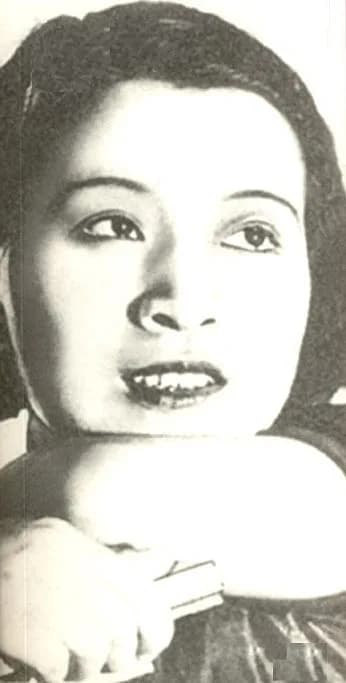
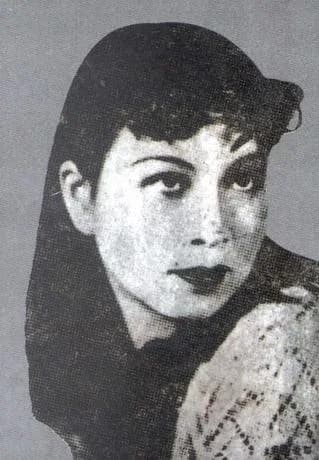
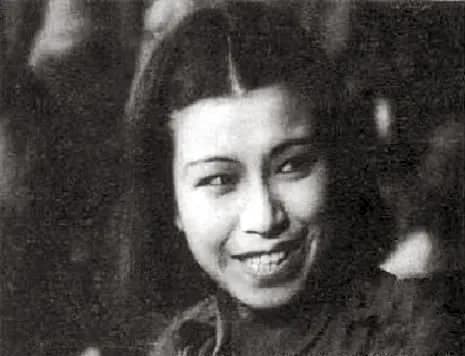
Her career began in the vibrant cultural scene of 1930s Shanghai, where she adopted the stage name Lan Ping. During this period, she worked as an actress, performing in various productions. This early exposure to the arts helped shape her public persona before her entry into politics.
Chapitre 3· Chapitre 3 sur 7
Major Achievements and Career Highlights
Jiang Qing became a prominent figure in Chinese politics, most notably as the fourth wife of Chairman Mao Zedong. Her influence grew significantly during the Cultural Revolution, a period of immense social and political upheaval in China. She played a major role in directing many aspects of this movement, impacting countless lives.
A key highlight of her political career, though controversial, was her leadership of the 'Gang of Four.' This group was instrumental in driving the radical policies and purges of the Cultural Revolution. Her actions during this era defined a significant portion of her public life and historical standing.
Chapitre 4· Chapitre 4 sur 7
Personal Life
Beyond her political and acting careers, Jiang Qing's personal life was closely linked to China's most powerful leader. She was the fourth wife of Mao Zedong, a relationship that placed her at the heart of the Communist Party leadership. This union significantly influenced her political trajectory and visibility on the national stage.
Chapitre 5 · 1936· Chapitre 5 sur 7
Notable Works or Contributions
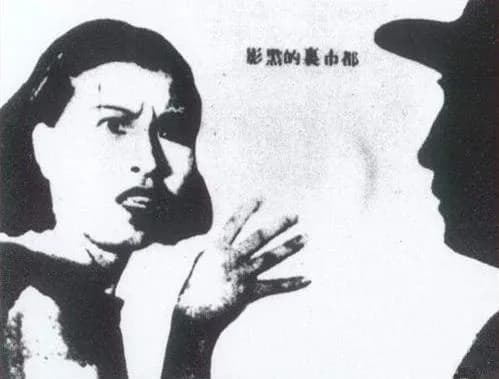
As an actress, Jiang Qing appeared in several films before her political ascent. She performed in Blood on Wolf Mountain, released in 1936, showcasing her early talents on screen. Another notable film in her acting career was Wang Laowu, which premiered in 1938.
Chapitre 6 · 1991· Chapitre 6 sur 7
Later Years
Her later years were marked by a significant turn in her fortunes following the end of the Cultural Revolution. After Mao Zedong's death, she was arrested and tried for crimes against the state. Jiang Qing died on May 14, 1991, in Qincheng Prison, administered by the Ministry of Public Security in the People's Republic of China.
Her passing in confinement brought an end to a life that had traversed dramatic shifts from stage to political power. Her final years were spent under different circumstances than the height of her influence.
Chapitre 7· Chapitre 7 sur 7
Legacy and Impact
Jiang Qing's legacy is a subject of historical debate and analysis, reflecting her complex role in Chinese history. She is remembered as a Chinese revolutionary and political figure who, as an actress, also contributed to early Chinese cinema. Her leadership of the Gang of Four and her major role in the Cultural Revolution continue to be studied and discussed by historians and scholars worldwide.
Her life story reflects the tumultuous period of 20th-century China, particularly the radical transformations brought about by the Cultural Revolution. Jiang Qing's actions and influence during this time left a lasting impact on Chinese society and politics. Her journey from stage actor to powerful political figure represents a unique and controversial chapter in modern Chinese history.
Une vie en moments
Les moments qui ont façonné une vie
FAQ
Questions fréquentes
Quand Jiang Qing est-il/elle décédé(e) ?
Jiang Qing est décédé(e) le 14 mai 1991 à Qincheng Prison, Ministry of Public Security, People's Republic of China, à l'âge de 77 ans.
Où est né(e) Jiang Qing ?
Jiang Qing est né(e) à Zhucheng, People's Republic of China le 5 mars 1914.
Pour quoi Jiang Qing est-il/elle le/la plus connu(e) ?
Jiang Qing est surtout connu(e) pour Chinese political figure and wife of Mao Zedong.
Quel âge avait Jiang Qing à sa mort ?
Jiang Qing avait 77 ans au moment de son décès.
Quelle était la nationalité de Jiang Qing ?
Jiang Qing était originaire de People's Republic of China.
Chronologie
La vie en un coup d'œil
Galerie photo
Une vie en images
Cliquez sur un polaroid pour l'agrandir · 25 photos
QR Code
Partager cette biographie
Imprimer et partager
Scannez pour visiter cette page biographique. Imprimez pour des événements, des expositions ou du matériel pédagogique.