Né(e)
June 14, 1811
Litchfield, United States
Décédé(e)
July 1, 1896
Hartford, United States
Connu(e) pour
American abolitionist and author
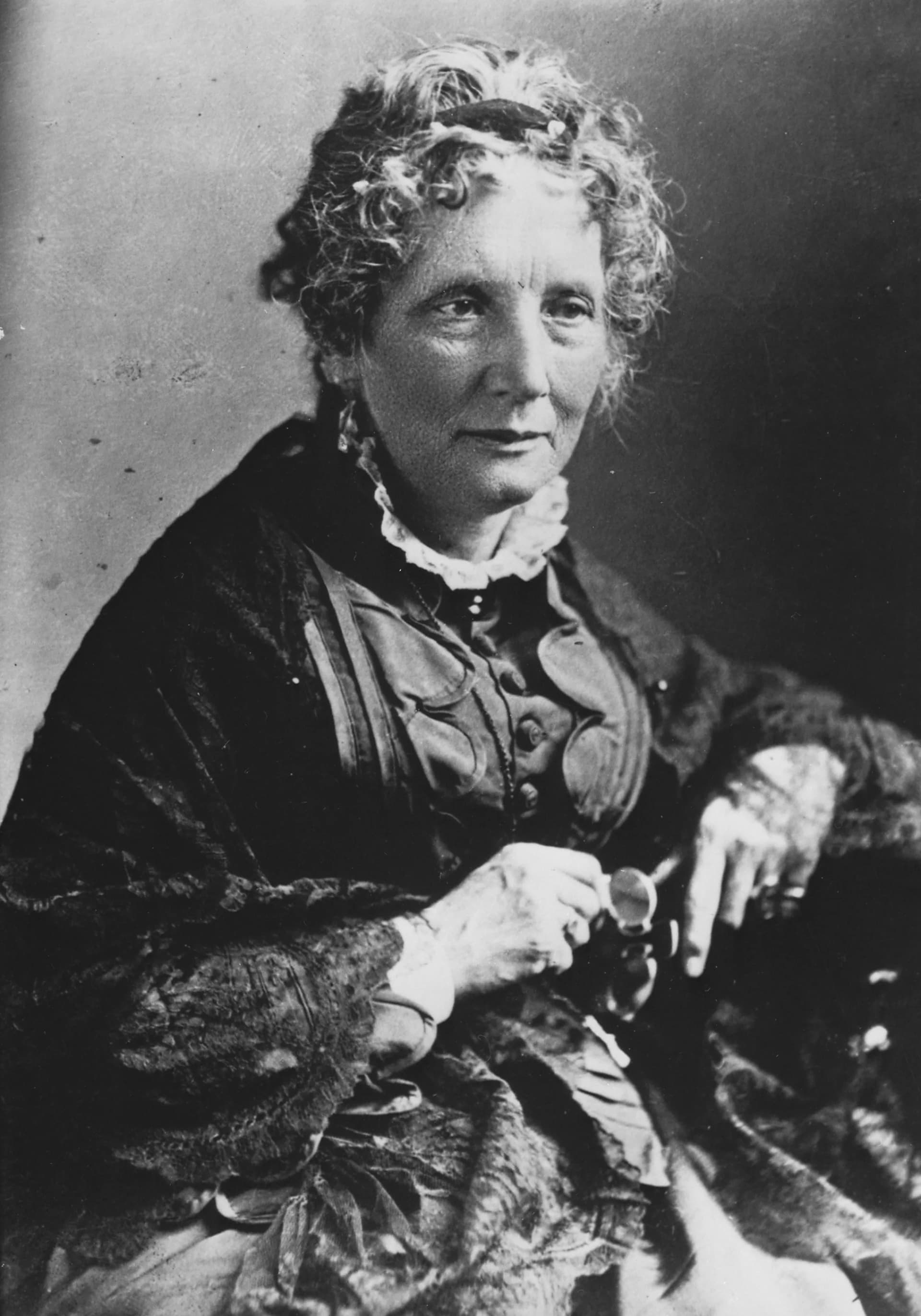
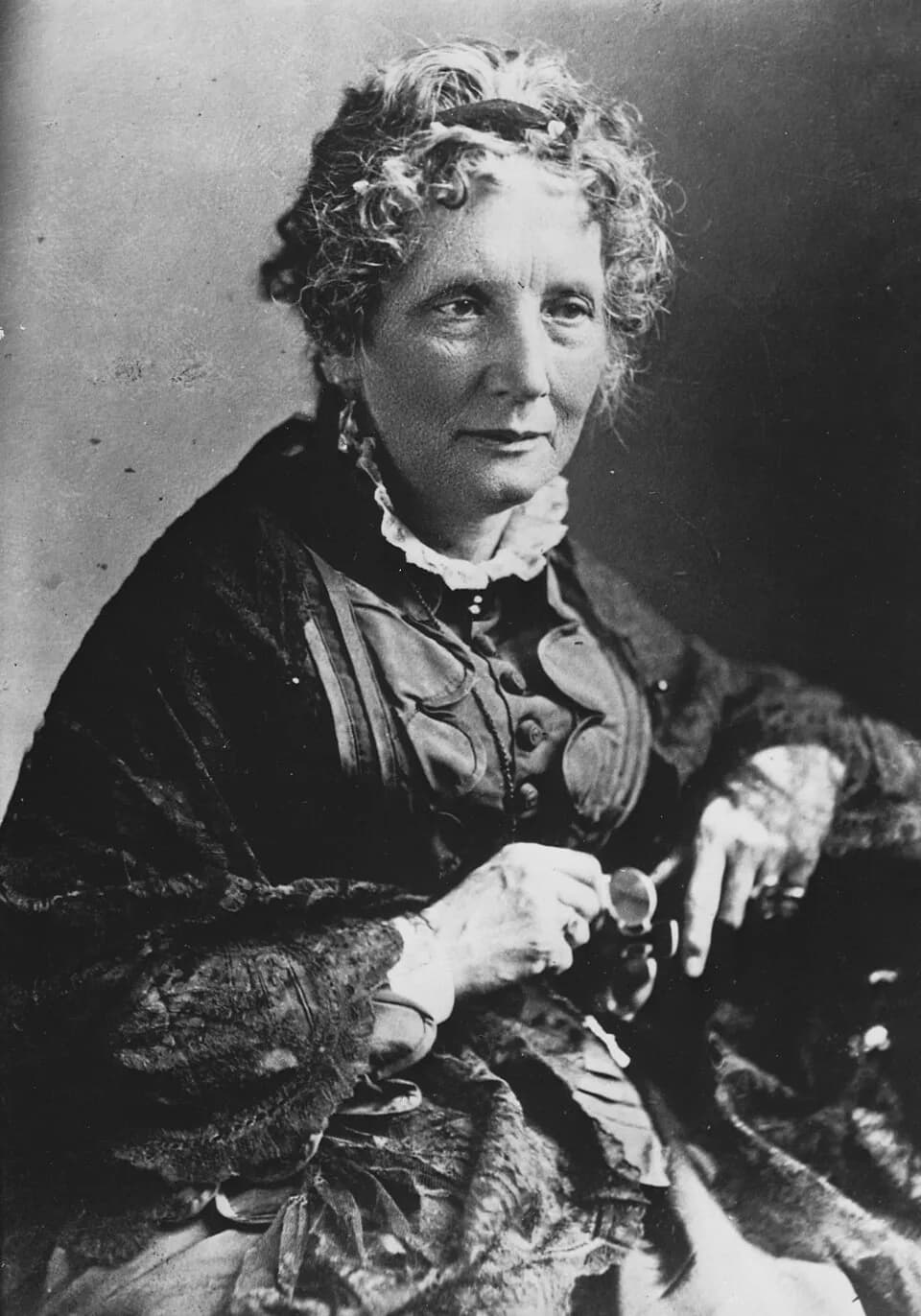
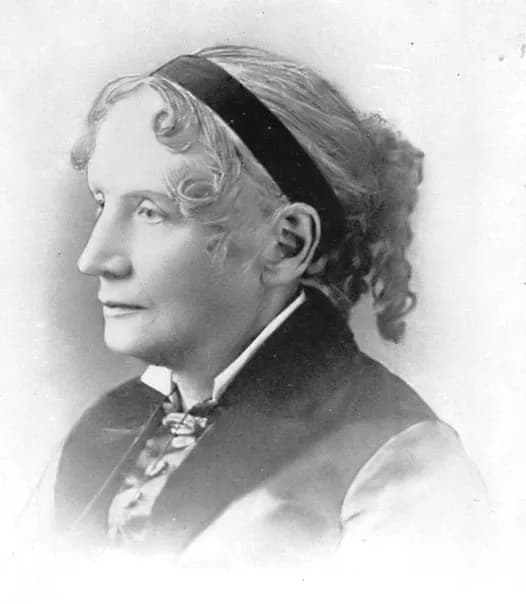
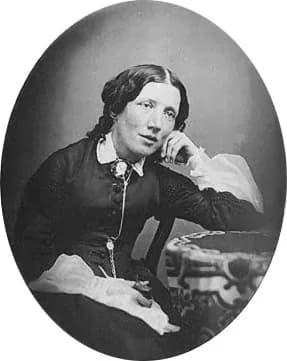
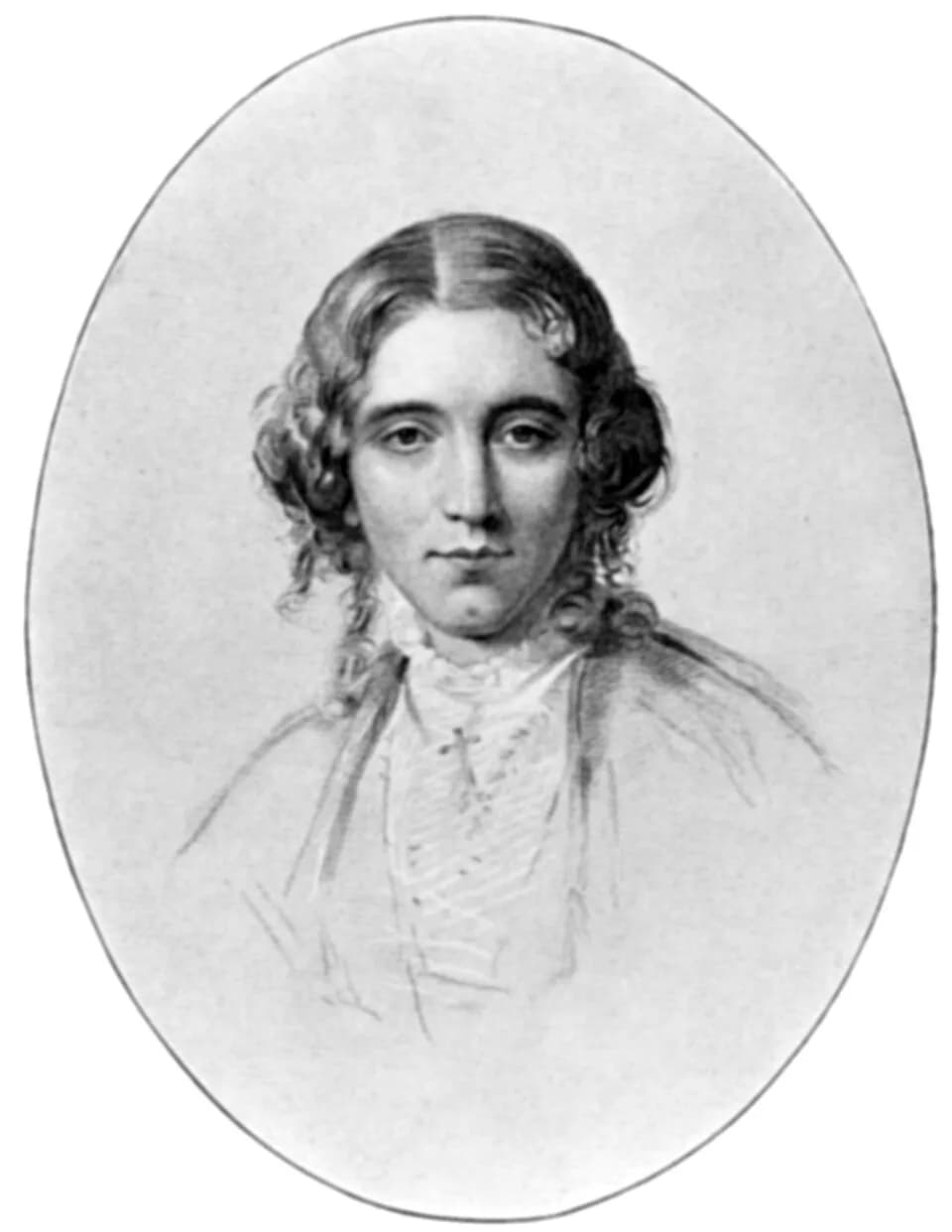
Harriet Beecher Stowe (1811–1896) was United States best known for American abolitionist and author.
Harriet Beecher Stowe (June 14, 1811 – July 1, 1896) was an American abolitionist and author from Litchfield, United States. She famously wrote Uncle Tom's Cabin (1852), depicting the harsh realities of slavery. Her work significantly energized anti-slavery forces globally.
Chapitre
Chapitres de vie
Chapitre 1 · 1811· Chapitre 1 sur 8
Harriet Beecher Stowe: A Life of Activism and Literature
Harriet Beecher Stowe (June 14, 1811 – July 1, 1896) was an American abolitionist and author. Her life's work as a writer, poet, novelist, social activist, and short story writer profoundly influenced the national conversation on slavery. She wrote over 30 books, using her powerful voice to challenge societal norms and advocate for justice. Stowe is remembered for her significant literary contributions and her unwavering commitment to social reform throughout the United States.
Chapitre 2 · 1811· Chapitre 2 sur 8
Early Life and Origins
Born on June 14, 1811, in Litchfield, United States, Harriet Elisabeth Beecher Stowe came from the influential Beecher family. This upbringing provided her with a rich intellectual environment, shaping her perspective on the social issues of her era. Her family's engagement with various reforms likely instilled in her a strong sense of purpose. This early exposure to public discourse profoundly informed her later career as a social activist and writer.
Chapitre 3· Chapitre 3 sur 8
Career Beginnings
Stowe began her extensive career as a writer, developing her skills across multiple literary genres. She explored her talents as a poet, children's writer, and essayist, laying the groundwork for her future impact. These early ventures allowed her to refine her narrative voice and address various themes. Her initial works helped establish her as a prolific author before her most celebrated achievements.
Chapitre 4 · 1852· Chapitre 4 sur 8
Major Achievements and Career Highlights
Harriet Beecher Stowe's most celebrated achievement was the publication of her seminal novel, Uncle Tom's Cabin (1852). This powerful work starkly depicted the harsh conditions and moral injustices experienced by enslaved African Americans. The book quickly reached an audience of millions, transforming into both a widely read novel and a popular play. Its influence was immense across the United States and Great Britain, energizing anti-slavery forces in the American North while provoking widespread anger in the South.
Chapitre 5· Chapitre 5 sur 8
Personal Life
While the provided information focuses on her public contributions, it notes that Harriet Beecher Stowe was a member of the prominent Beecher family. This lineage indicates a background steeped in intellectual and reform-minded pursuits. Her personal experiences and observations as a social activist undoubtedly informed the passionate tone and detailed realism found in her literary works. This personal foundation fueled her public stances and debates on pressing social issues.
Chapitre 6· Chapitre 6 sur 8
Notable Works or Contributions
Beyond her iconic Uncle Tom's Cabin, Stowe authored over 30 books, showcasing her versatility as a writer. Her bibliography includes a range of novels, three significant travel memoirs, and diverse collections of articles and letters. Specific works such as Onkel Tom's Hütte; oder, Negerleben in den Sklavenstaaten von Nord-Amerika illustrate the international reach of her primary work. Other notable contributions included Little foxes, The two altars; or, Two pictures in one, and Inside view of slavery, cementing her reputation as a prolific author.
Chapitre 7 · 1896· Chapitre 7 sur 8
Later Years
Harriet Beecher Stowe continued to be a prolific author and an active social advocate throughout her later life. She maintained her public profile, engaging in important debates and expressing her views on contemporary social issues. Her commitment to using her voice for change remained steadfast until her final days. Stowe passed away on July 1, 1896, in Hartford, United States, leaving a monumental body of work behind.
Chapitre 8· Chapitre 8 sur 8
Legacy and Impact
Harriet Beecher Stowe's legacy rests firmly on her courage as an abolitionist and her profound skill as an author. Her writings, especially Uncle Tom's Cabin, played a defining role in shaping public opinion and galvanizing the anti-slavery movement. She remains a vital figure in American history, celebrated for her lasting contributions to literature and social reform. Her work continues to inspire, demonstrating the enduring power of literature to effect societal change and advocate for human dignity.
Une vie en moments
Les moments qui ont façonné une vie

FAQ
Questions fréquentes
Quand Harriet Beecher Stowe est-il/elle décédé(e) ?
Harriet Beecher Stowe est décédé(e) le 1 juillet 1896 à Hartford, United States, à l'âge de 85 ans.
Où est né(e) Harriet Beecher Stowe ?
Harriet Beecher Stowe est né(e) à Litchfield, United States le 14 juin 1811.
Pour quoi Harriet Beecher Stowe est-il/elle le/la plus connu(e) ?
Harriet Beecher Stowe est surtout connu(e) pour American abolitionist and author.
Quel âge avait Harriet Beecher Stowe à sa mort ?
Harriet Beecher Stowe avait 85 ans au moment de son décès.
Quelle était la nationalité de Harriet Beecher Stowe ?
Harriet Beecher Stowe était originaire de United States.
Chronologie
La vie en un coup d'œil
Galerie photo
Une vie en images
Cliquez sur un polaroid pour l'agrandir · 25 photos
QR Code
Partager cette biographie
Imprimer et partager
Scannez pour visiter cette page biographique. Imprimez pour des événements, des expositions ou du matériel pédagogique.