Né(e)
January 1, 1435
Seligenstadt, Germany
Décédé(e)
August 20, 1494
Bruges, Belgium
Connu(e) pour
German/Flemish painter (c. 1430–1494)
Hans Memling (1435–1494) was Germany best known for German/Flemish painter (c. 1430–1494).
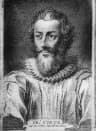
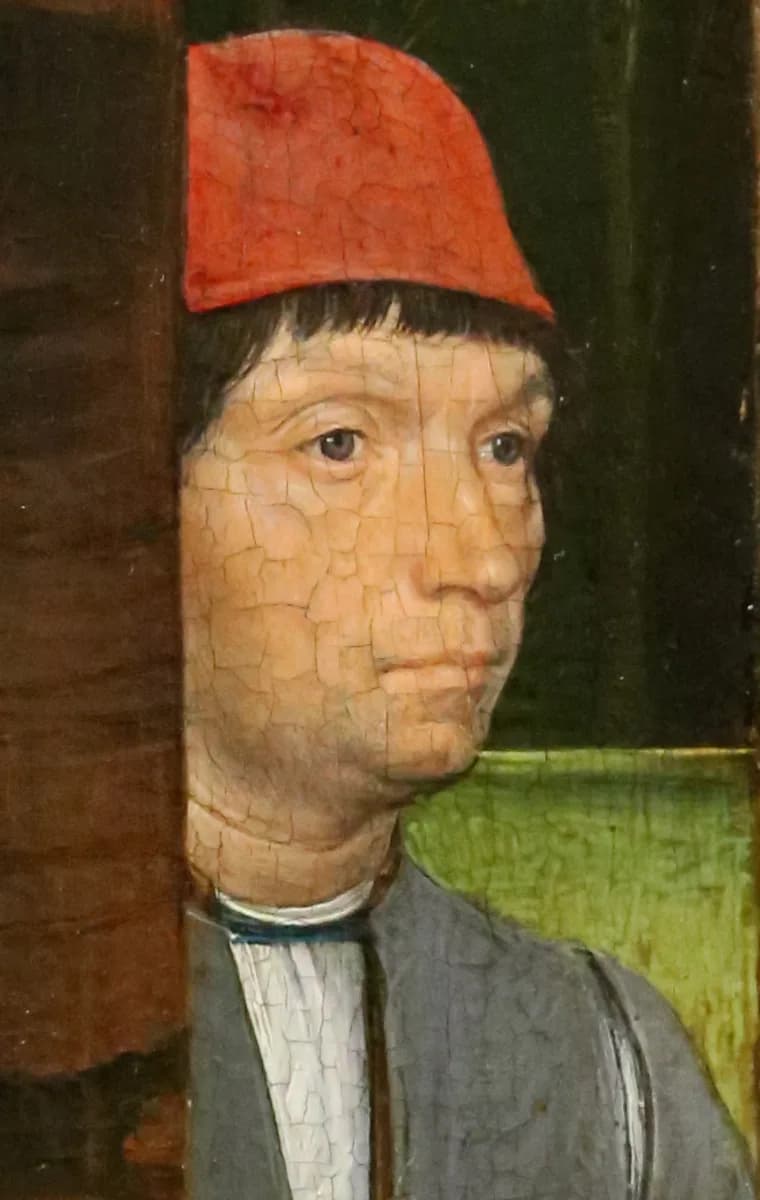
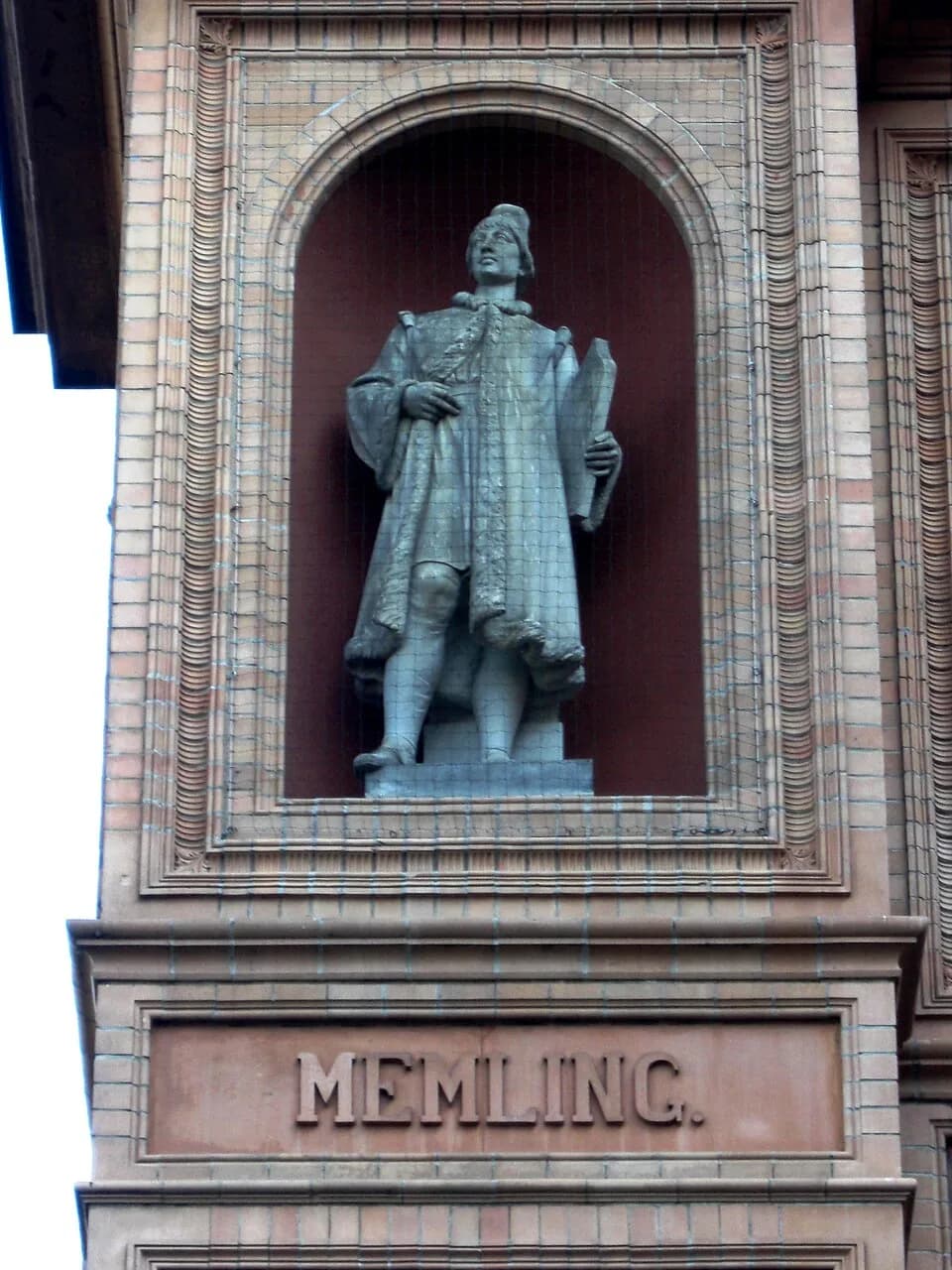
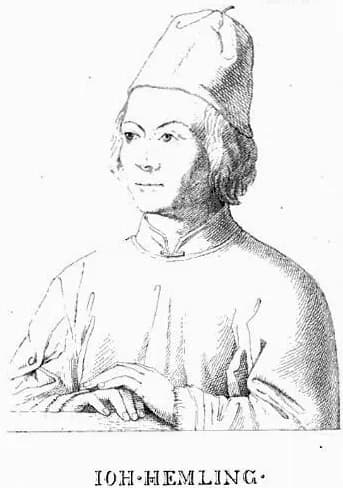
Hans Memling (January 1, 1435 – August 20, 1494) was a German-Flemish painter. He became a leading artist in Bruges, known for his religious works and donor portraits. Memling's artistic tradition shaped Early Netherlandish painting.
Chapitre
Chapitres de vie
Chapitre 1 · 1435· Chapitre 1 sur 7
Early Life and Origins
Hans Memling was born on January 1, 1435, in Seligenstadt, Germany. His early years likely involved growing up in the Middle Rhine region, with his childhood probably spent in Mainz. These formative experiences in Germany laid the groundwork for his future artistic endeavors.
Chapitre 2· Chapitre 2 sur 7
Career Beginnings
During his apprenticeship as a painter, Memling made a significant move to the Netherlands. It was there that he spent a crucial period in the Brussels workshop of the renowned artist Rogier van der Weyden. This time under van der Weyden’s tutelage was instrumental in shaping Memling's style and technique.
Chapitre 3 · 1465· Chapitre 3 sur 7
Major Achievements and Career Highlights
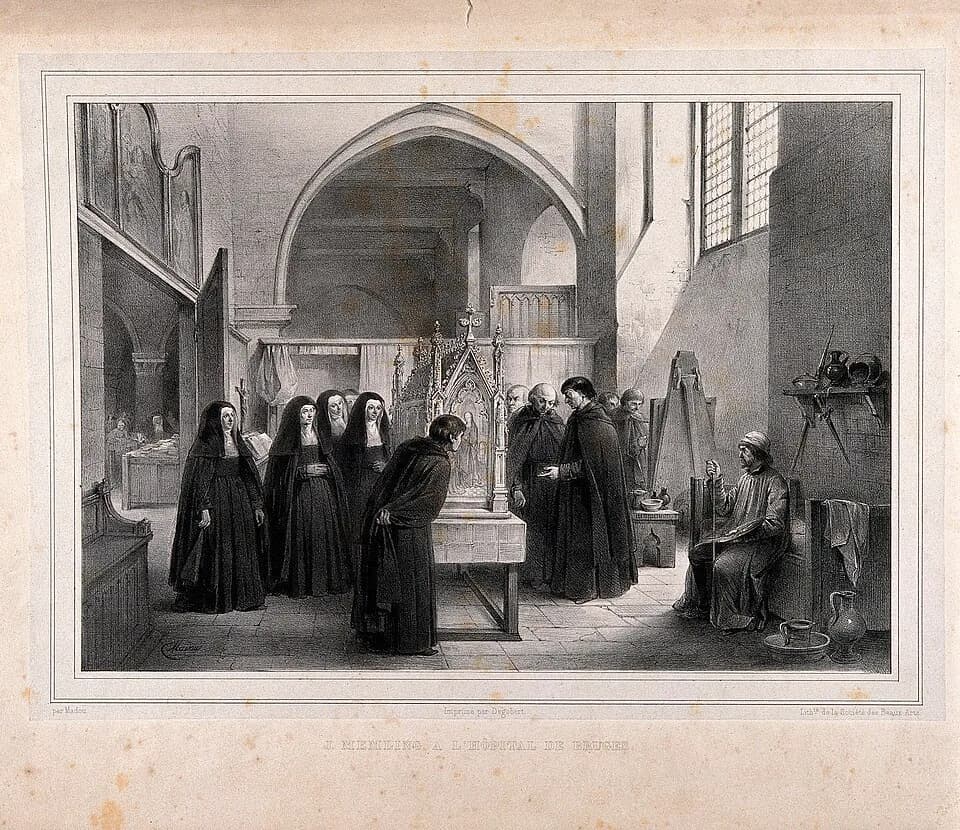
By 1465, Memling had established himself sufficiently to be made a citizen of Bruges, a dynamic artistic center. He quickly rose to prominence, becoming one of the city's leading artists and overseeing a large and productive workshop. His success was evident in a tax document from 1480, which listed him among Bruges' wealthiest citizens, a clear indicator of his artistic and financial standing.
Chapitre 4· Chapitre 4 sur 7
Personal Life
While specific details about Memling's family life are scarce, his financial success and status as a citizen of Bruges suggest a stable and prosperous existence. His works frequently featured donor portraits, indicating strong relationships with his patrons, who included clergymen, aristocrats, and burghers. These connections highlight his integration into the social and economic fabric of Bruges.
Chapitre 5 · 1465· Chapitre 5 sur 7
Notable Works or Contributions
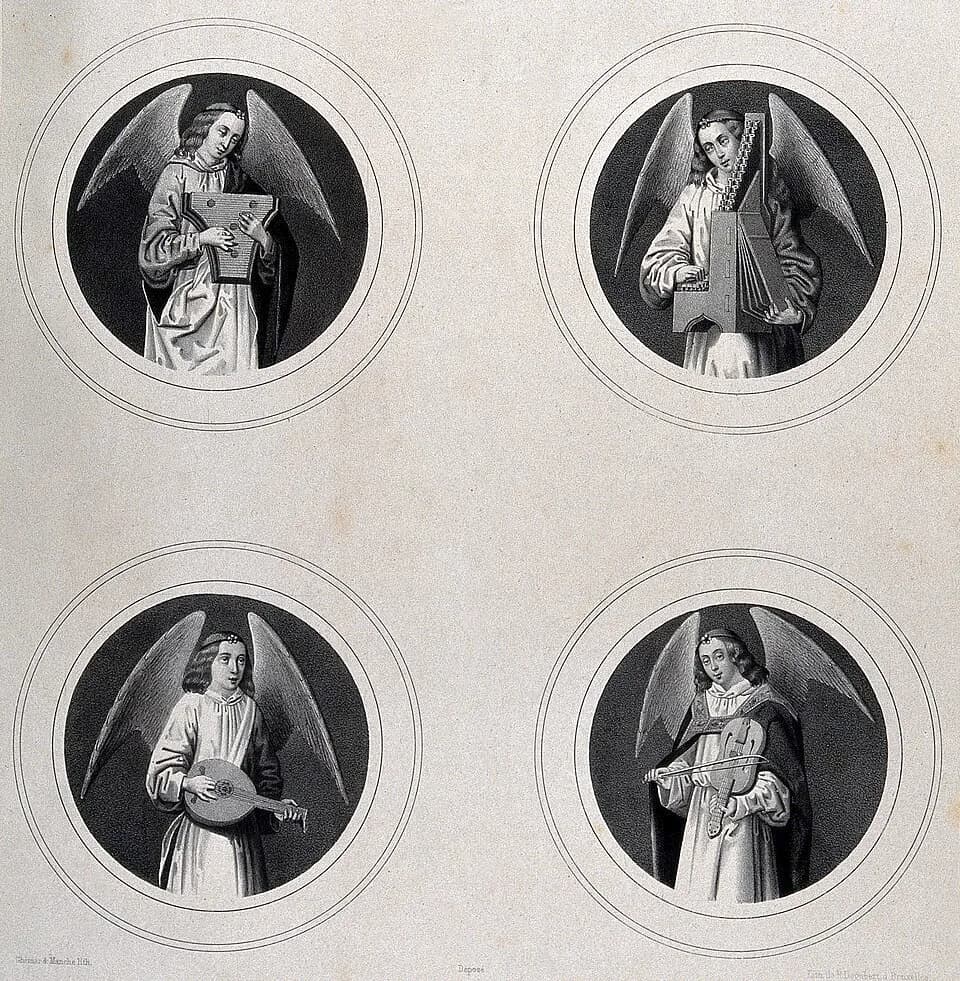
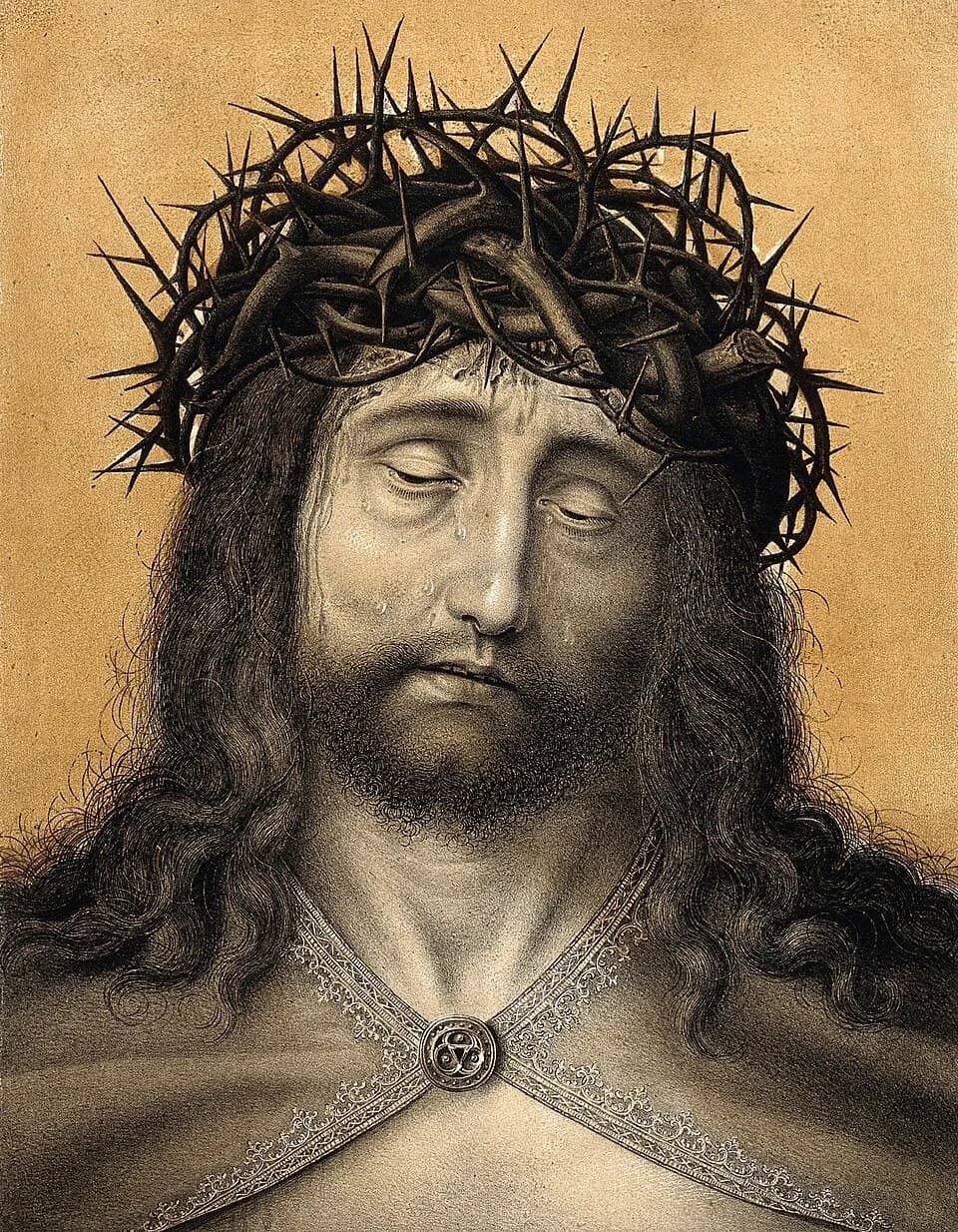
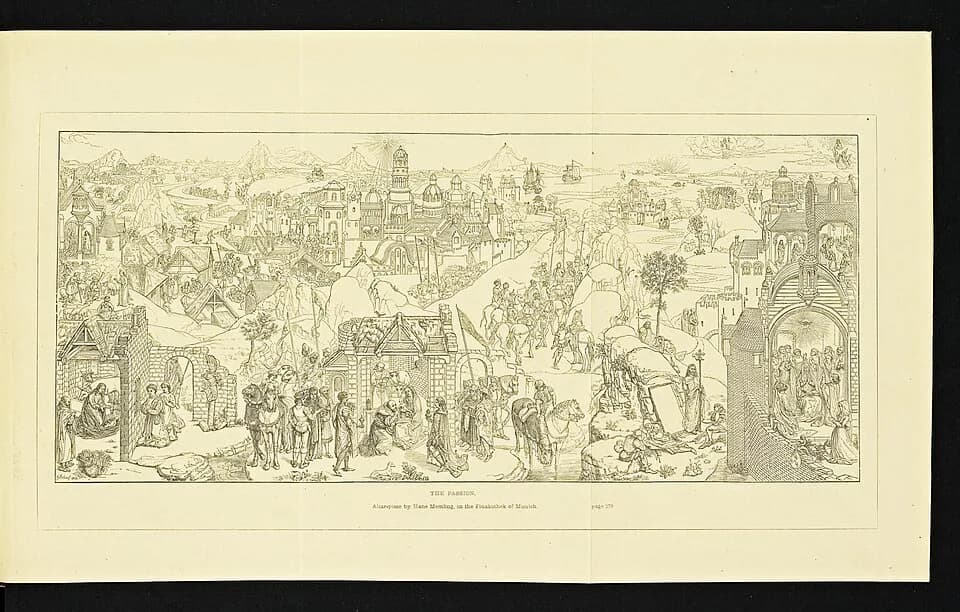
Memling's artistic output included numerous religious works and portraits that showcase his distinctive style. Among his significant creations is "The Annunciation," dated approximately 1465–70, housed at the Met Museum. Another notable piece is "Virgin and Child with Saints Catherine of Alexandria and Barbara," painted in the early 1480s, also found at the Met Museum.
He also painted compelling portraits, such as those of "Tommaso di Folco Portinari (1428–1501)" and "Maria Portinari (Maria Maddalena Baroncelli, born 1456)," both from around 1470 and held by the Met Museum. The Met Museum also holds another version of "The Annunciation" from 1480–89 and a striking "Portrait of a Young Man" from around 1472–75. The Art Institute of Chicago features his "Virgin and Child" (c. 1485) and "Portrait of a Donor (recto); Saint Anthony of Padua (verso)" (c. 1485), further demonstrating his versatility and skill.
Chapitre 6 · 1494· Chapitre 6 sur 7
Later Years
Hans Memling continued his artistic practice and leadership in Bruges throughout his life. He passed away on August 20, 1494, in the city where he had found great success and left a lasting artistic legacy. His death marked the end of an era for one of the most important painters of the Early Netherlandish school.
Chapitre 7· Chapitre 7 sur 7
Legacy and Impact
Memling's artistic legacy is rooted in his contribution to Early Netherlandish painting. He refined the styles he learned in his youth, particularly in his donor portraits, which captured the likenesses of his influential patrons with remarkable detail. His ability to blend religious narrative with realistic portraiture solidified his position as a master painter. Through his extensive workshop and unique vision, Hans Memling played a crucial role in the development and spread of Northern Renaissance art, ensuring his influence resonated for generations.
Une vie en moments
Les moments qui ont façonné une vie
FAQ
Questions fréquentes
Quand Hans Memling est-il/elle décédé(e) ?
Hans Memling est décédé(e) le 20 août 1494 à Bruges, Belgium, à l'âge de 59 ans.
Où est né(e) Hans Memling ?
Hans Memling est né(e) à Seligenstadt, Germany le 1 janvier 1435.
Pour quoi Hans Memling est-il/elle le/la plus connu(e) ?
Hans Memling est surtout connu(e) pour German/Flemish painter (c. 1430–1494).
Quel âge avait Hans Memling à sa mort ?
Hans Memling avait 59 ans au moment de son décès.
Quelle était la nationalité de Hans Memling ?
Hans Memling était originaire de Germany.
Chronologie
La vie en un coup d'œil
Galerie photo
Une vie en images
Cliquez sur un polaroid pour l'agrandir · 24 photos
QR Code
Partager cette biographie
Imprimer et partager
Scannez pour visiter cette page biographique. Imprimez pour des événements, des expositions ou du matériel pédagogique.