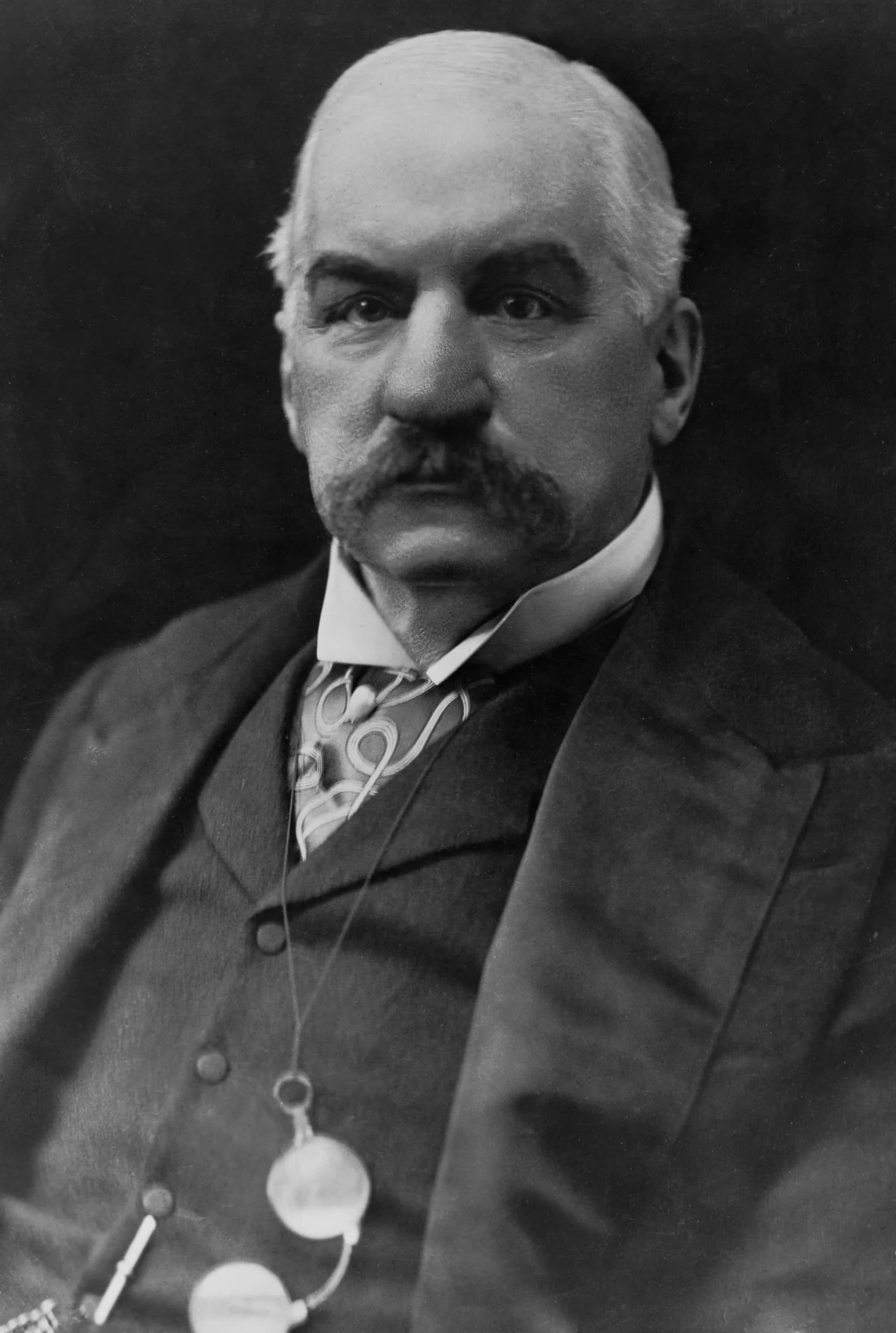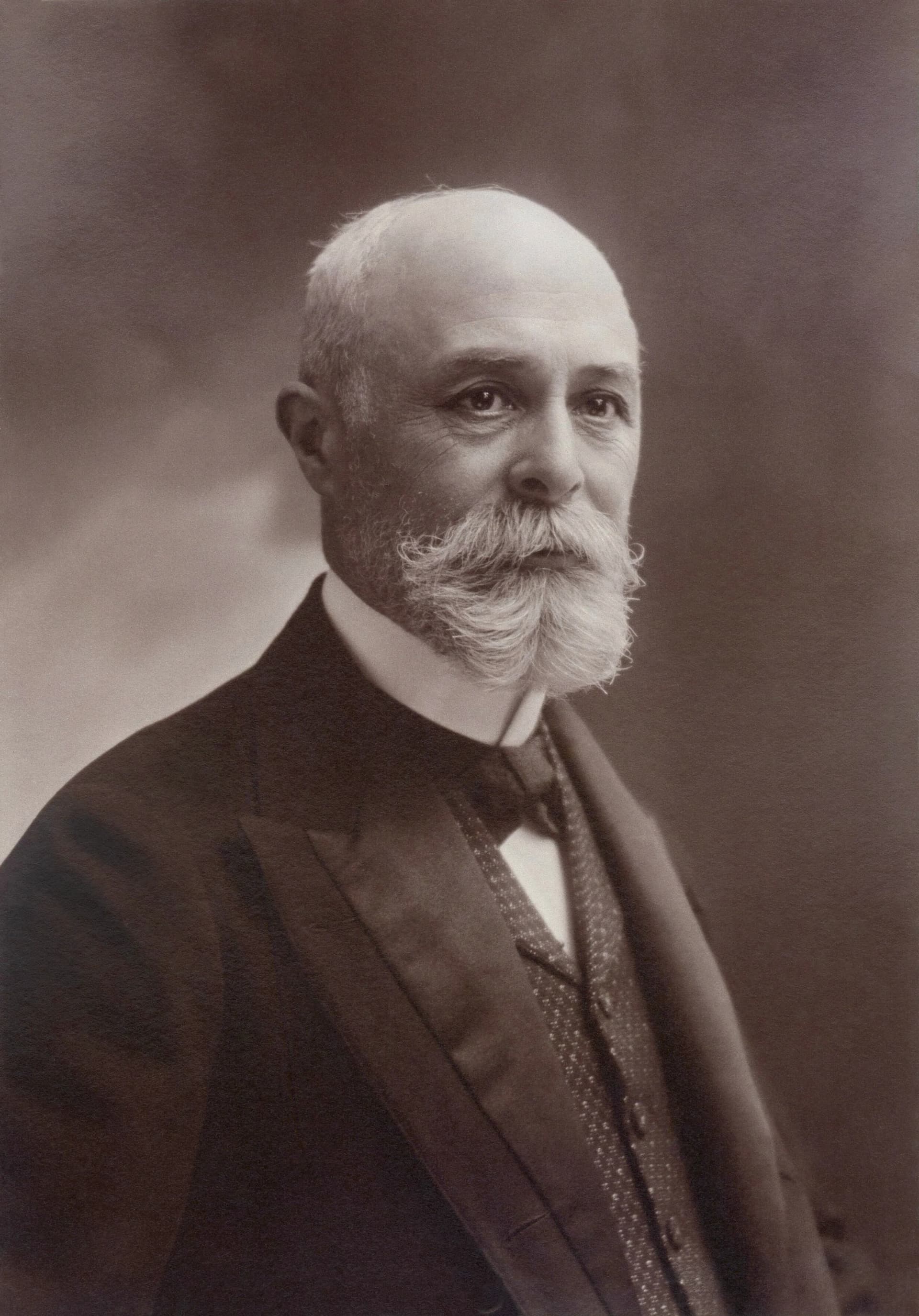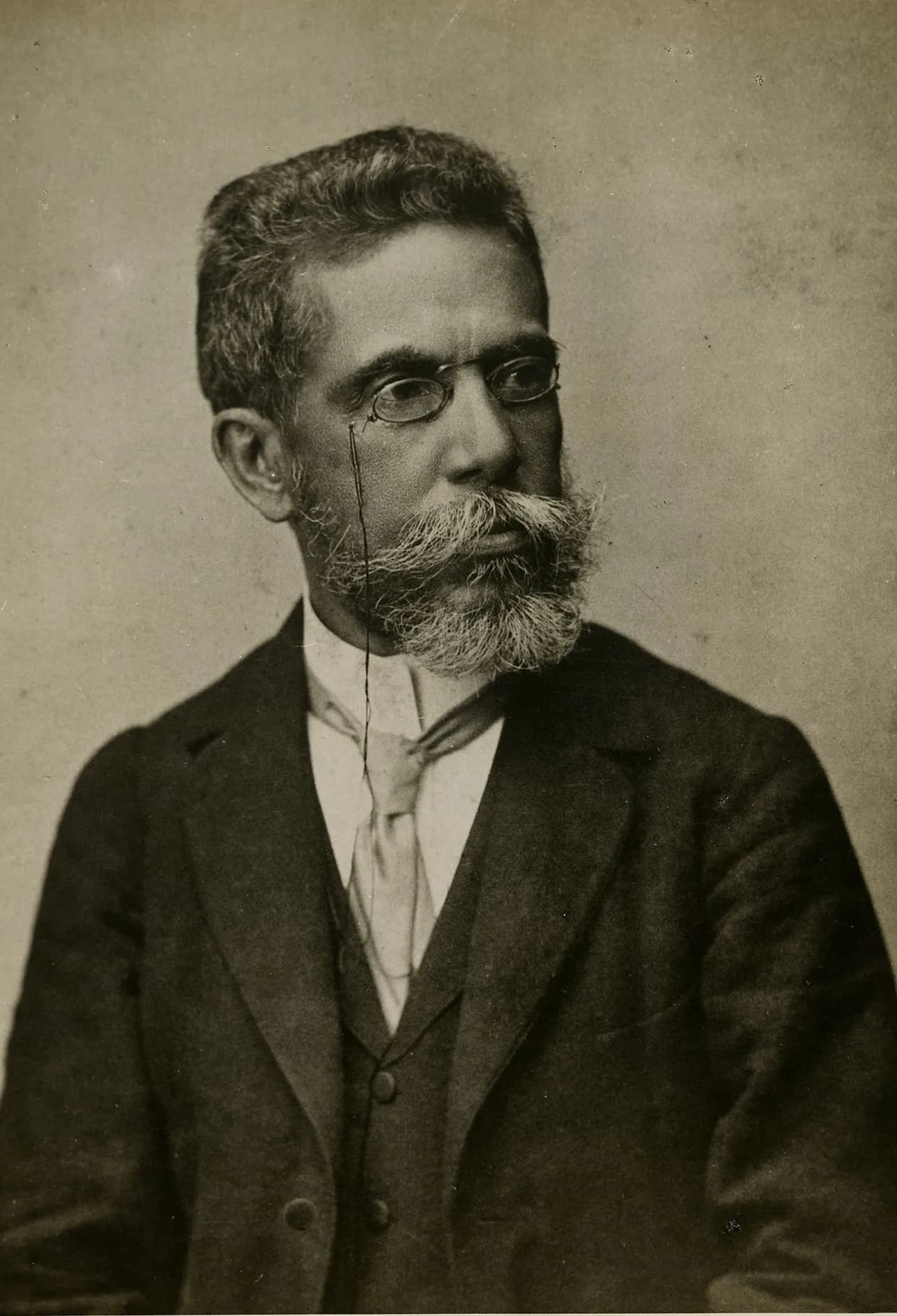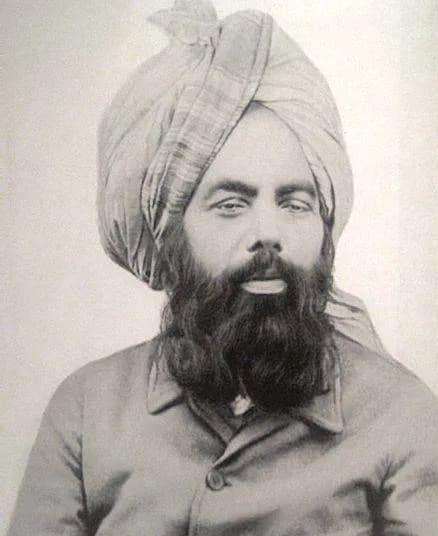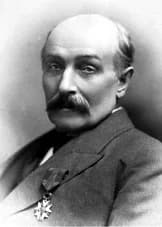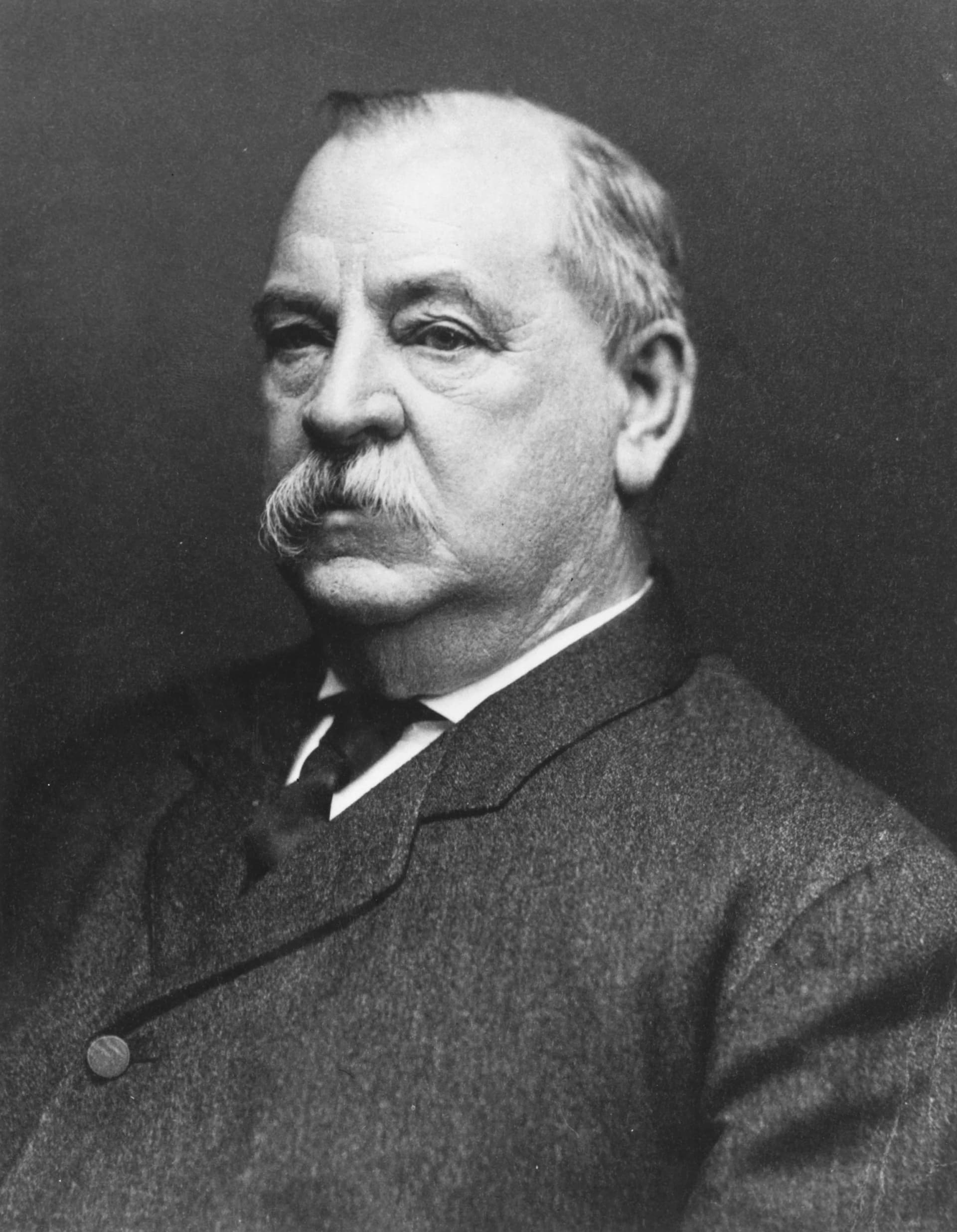
Né(e)
March 18, 1837
Caldwell, United States
Décédé(e)
June 24, 1908
Princeton, United States
Connu(e) pour
President of the United States (1885–89; 1893–97)
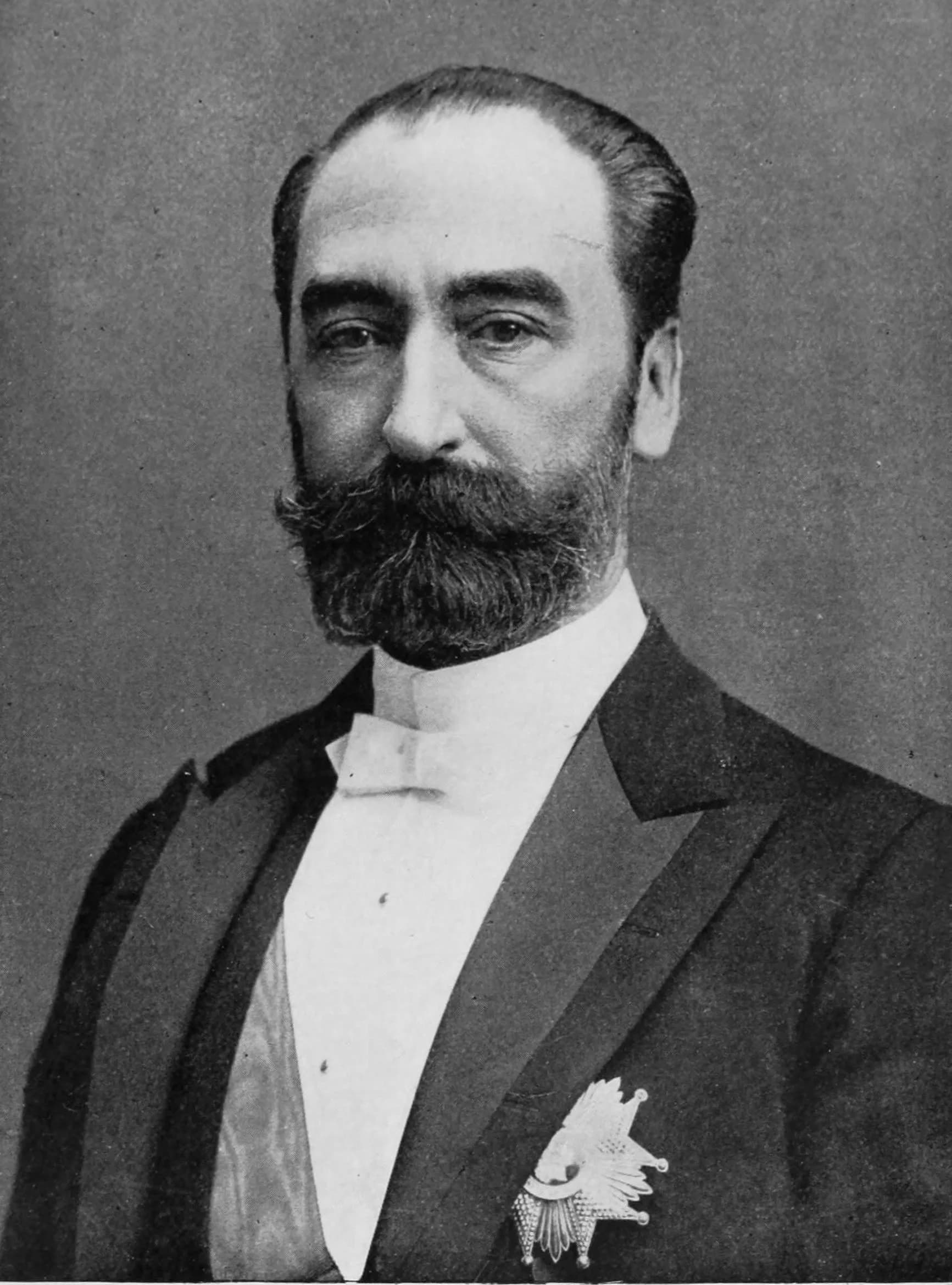
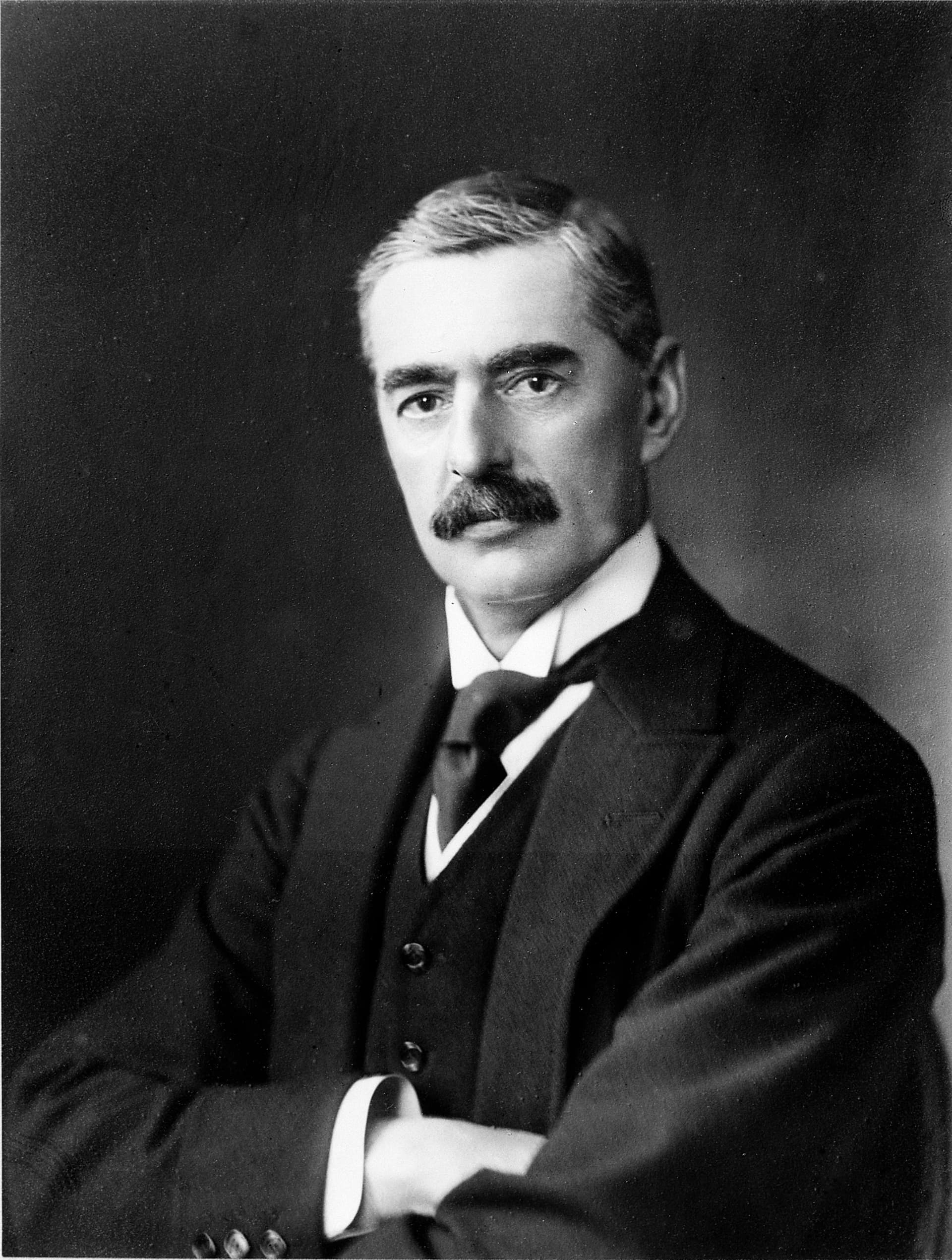
Grover Cleveland (1837–1908) was United States best known for President of the United States (1885–89; 1893–97).
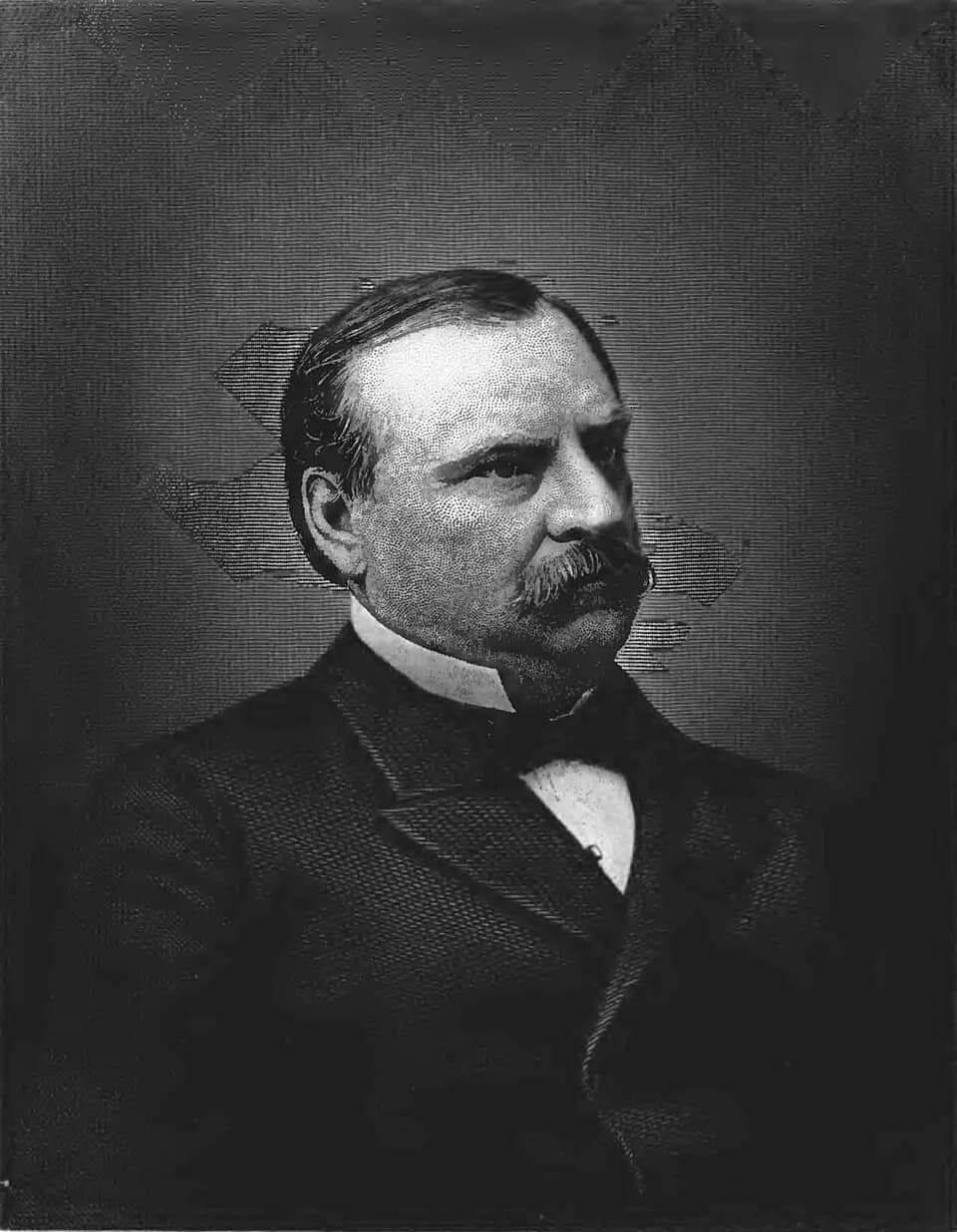
Stephen Grover Cleveland (March 18, 1837 – June 24, 1908) was a lawyer, politician, and statesperson from the United States. He served as the 22nd and 24th President of the United States, becoming the only president to serve nonconsecutive terms. He was also the first Democrat president after the American Civil War.
Une vie en moments
Les moments qui ont façonné une vie
Chapitre
Chapitres de vie
Chapitre 1 · 1837· Chapitre 1 sur 6
Early Life and Origins
Grover Cleveland entered the world in Caldwell, United States, on March 18, 1837. Though details of his early family life are not extensively provided, his origins in Caldwell established the foundation for his later endeavors. He would eventually settle in Princeton, United States, where he passed away on June 24, 1908, concluding a life dedicated to public service.
Chapitre 2· Chapitre 2 sur 6
Career Beginnings
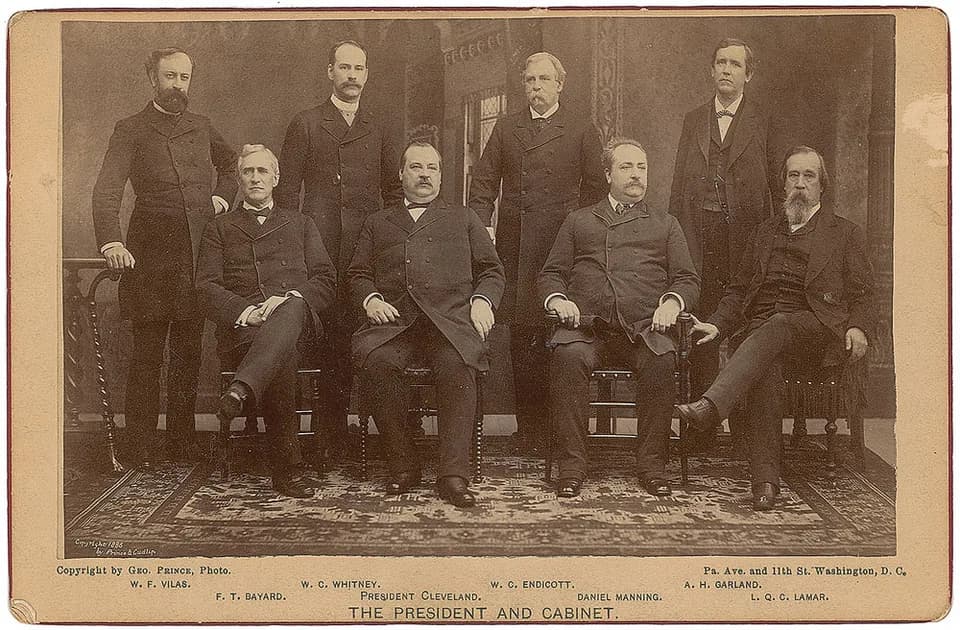
Cleveland's path to the presidency began with a solid foundation in the legal profession, where he established himself as a lawyer. His early political experience included serving as a sheriff, demonstrating an initial engagement with civic duty and law enforcement. This led to further roles as a mayor and then as a governor, building a reputation for integrity and executive leadership.
Chapitre 3 · 1885· Chapitre 3 sur 6
Major Achievements and Career Highlights
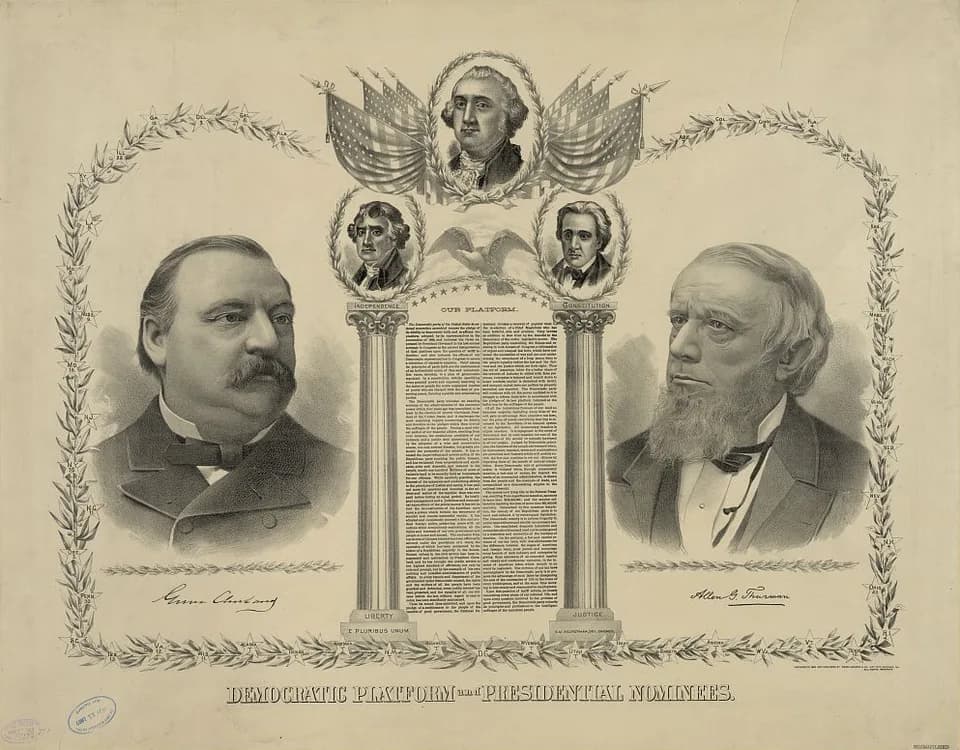
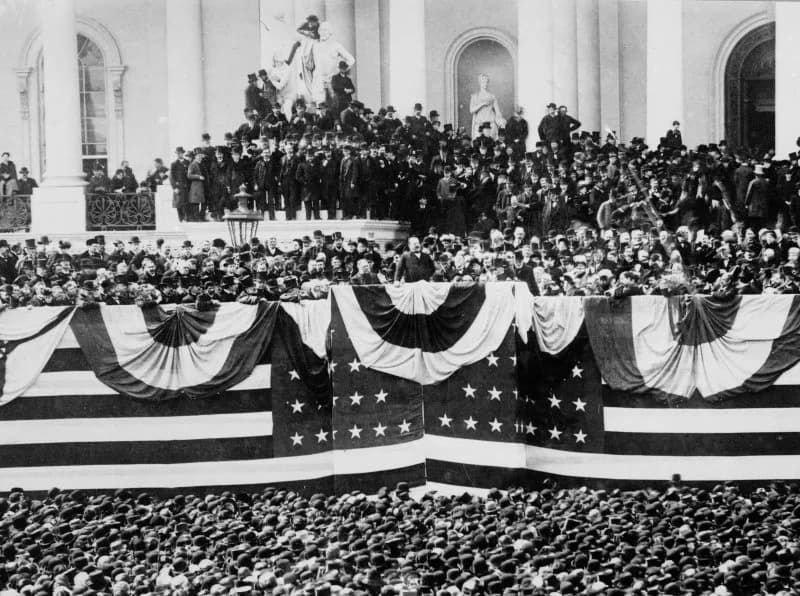
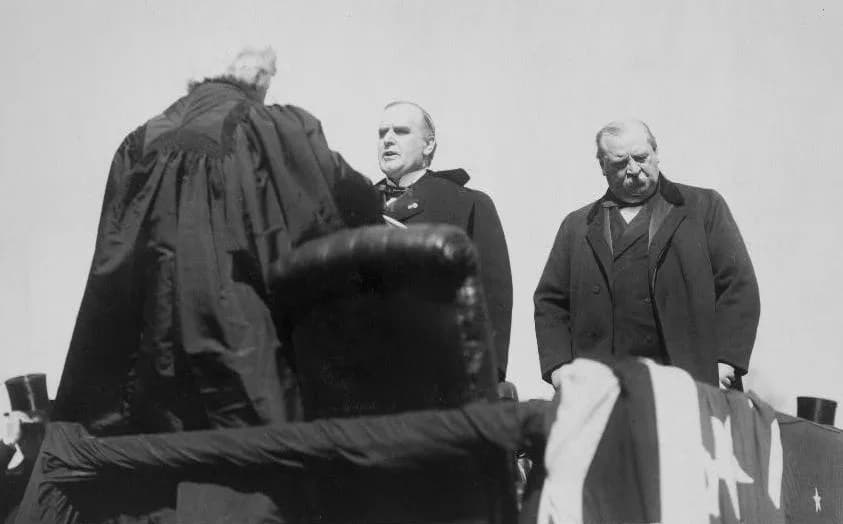
Grover Cleveland's most significant achievements center on his two terms as President of the United States. He first held the nation's highest office from 1885 to 1889, navigating the complexities of post-Civil War America. After a period out of office, he was again elected, serving his second term from 1893 to 1897.
His distinction as the 22nd and 24th president underscores his unique place in history, being the only individual to serve nonconsecutive terms. This singular accomplishment, coupled with his status as the first Democrat president after the Civil War, highlights his enduring impact on American political leadership and tradition.
Chapitre 4· Chapitre 4 sur 6
Notable Works or Contributions
Throughout his career, Grover Cleveland authored several significant addresses, state papers, and other works reflecting his political philosophies and policy stances. Among his notable publications is "Buzzards-bay fisheries," which showcased his interest in specific regional issues. He also addressed national concerns through works such as "Governor Altgeld's protests against the use of federal troops in Illinois during the late strike and the President's replies."
Further contributions include "A proclamation by the President of the United States of America" and a collection titled "Addresses, state papers and letters," providing insight into his official communications. He frequently pondered economic questions, as seen in "What shall we do with it?" and its expanded form, "What shall we do with it? (meaning the surplus)." His tariff policies were articulated in "The tariff message of President Cleveland, sent to Congress, December 6, 1887," which detailed his views on fiscal management. Cleveland also articulated broader governance principles in "Principles and purposes of our form of government" and defended specific interests in "A defense of fishermen." His "The President's message, 1887" stands as another example of his consistent communication with Congress and the public.
Chapitre 5 · 1897· Chapitre 5 sur 6
Later Years
After concluding his second presidential term in 1897, Grover Cleveland remained an esteemed figure in American public life. While he no longer held formal office, his experience and insights continued to shape discussions on national policy. He passed away in Princeton, United States, on June 24, 1908, a decade after leaving the White House.
Chapitre 6· Chapitre 6 sur 6
Legacy and Impact
Grover Cleveland's legacy is defined by his steadfast commitment to public service and his distinctive presidential tenure. As the only U.S. president to serve nonconsecutive terms, he set a unique precedent in the nation's political history. His leadership as the first Democrat to gain the presidency after the Civil War helped to reshape the political landscape, initiating a period of renewed Democratic influence.
His career, spanning from a lawyer and sheriff to a mayor, governor, and ultimately president, demonstrates a full engagement with the various echelons of public office. Cleveland is remembered for his dedication to his principles and his lasting contributions as a statesperson.
FAQ
Questions fréquentes
Quand Grover Cleveland est-il/elle décédé(e) ?
Grover Cleveland est décédé(e) le 24 juin 1908 à Princeton, United States, à l'âge de 71 ans.
Où est né(e) Grover Cleveland ?
Grover Cleveland est né(e) à Caldwell, United States le 18 mars 1837.
Pour quoi Grover Cleveland est-il/elle le/la plus connu(e) ?
Grover Cleveland est surtout connu(e) pour President of the United States (1885–89; 1893–97).
Quel âge avait Grover Cleveland à sa mort ?
Grover Cleveland avait 71 ans au moment de son décès.
Quelle était la nationalité de Grover Cleveland ?
Grover Cleveland était originaire de United States.
Chronologie
La vie en un coup d'œil
Galerie photo
Une vie en images
Cliquez sur un polaroid pour l'agrandir · 23 photos
QR Code
Partager cette biographie
Imprimer et partager
Scannez pour visiter cette page biographique. Imprimez pour des événements, des expositions ou du matériel pédagogique.