Né(e)
June 21, 1774
Scarsdale, United States
Décédé(e)
June 11, 1825
Castleton, Staten Island, United States
Connu(e) pour
American politician; sixth vice president of the United States
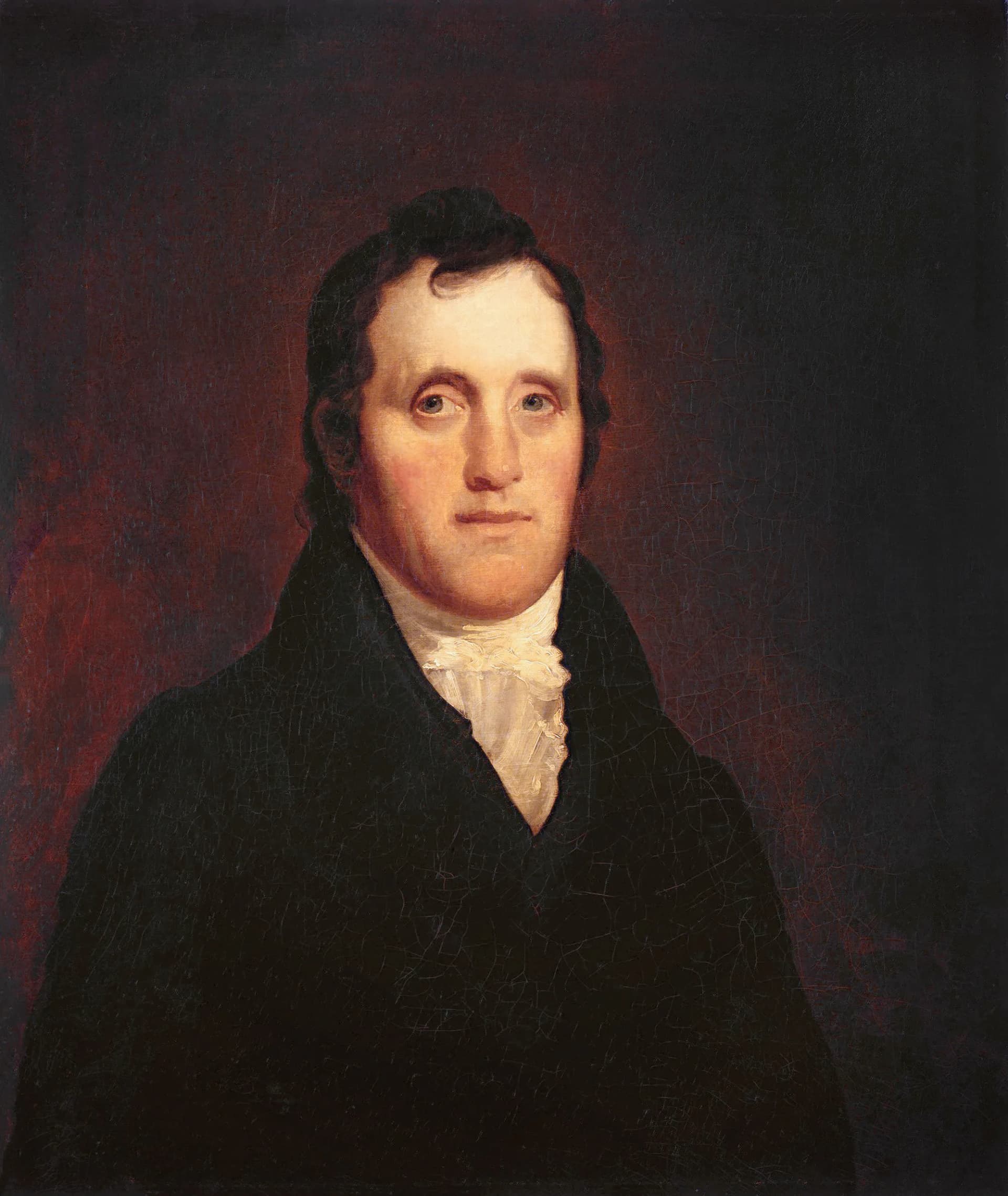
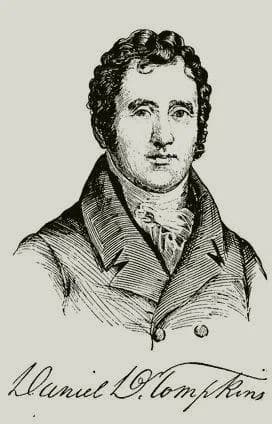
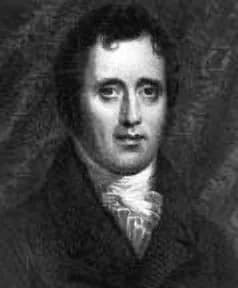
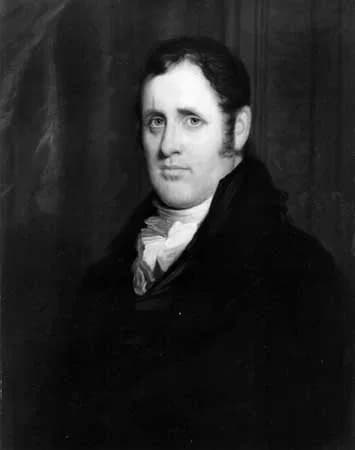
Daniel D. Tompkins (1774–1825) was United States best known for American politician; sixth vice president of the United States.
Daniel D. Tompkins (June 21, 1774 – June 11, 1825) was an American politician and jurist. He served as the sixth Vice President of the United States and as Governor of New York during the War of 1812, personally funding militia efforts. He also advocated for the emancipation of slaves in New York. His name endures in many places.
Chapitre
Chapitres de vie
Chapitre 1 · 1774· Chapitre 1 sur 3
A Governor's Dedication
Born in Scarsdale, New York, in 1774, Daniel D. Tompkins quickly rose in legal and political circles. After graduating from Columbia College and practicing law, he became an associate justice of the New York Supreme Court by age thirty. Just three years later, in 1807, he became New York's youngest governor, defeating incumbent Morgan Lewis. He would serve for a decade, leading the state through a critical period. His wartime leadership was particularly effective, earning him recognition as a crucial figure in the nation's defense. He declined an offer from President James Madison to serve as Secretary of State in 1814, choosing instead to command the federal military district for New York City.
Chapitre 2 · 1817· Chapitre 2 sur 3
Advocating for Emancipation
Beyond military resolve, Tompkins harbored a deep commitment to social justice. At his suggestion, New York passed a groundbreaking act in 1817. This legislation mandated the emancipation of all enslaved people in the state, effective July 4, 1827. It was a vital step towards freedom. His efforts built upon earlier, more gradual measures, accelerating the path to a slave-free New York.
Chapitre 3 · 1817· Chapitre 3 sur 3
Later Years and Lasting Marks
Tompkins became Vice President under James Monroe in 1817, serving two full terms. However, the financial strain from his wartime generosity, coupled with a debilitating fall from a horse in 1814, took a heavy toll. He faced poor health and struggled with alcoholism. Despite these challenges, he remained active, presiding over the 1821 New York State Constitutional Convention. He even established Tompkinsville on Staten Island, purchasing land and building a dock to offer daily ferry service to Manhattan. Streets there, like Minthorne Street, bear the names of his children. Although his financial woes continued until his death in 1825, at just fifty years old, his vision for New York left an enduring mark on its landscape and its people. He also distinguished himself as Grand Master of the Grand Lodge of New York from 1820 to 1822. His dedication to public service, even at personal cost, defined his legacy.
Une vie en moments
Les moments qui ont façonné une vie
FAQ
Questions fréquentes
Quand Daniel D. Tompkins est-il/elle décédé(e) ?
Daniel D. Tompkins est décédé(e) le 11 juin 1825 à Castleton, Staten Island, United States, à l'âge de 50 ans.
Où est né(e) Daniel D. Tompkins ?
Daniel D. Tompkins est né(e) à Scarsdale, United States le 21 juin 1774.
Pour quoi Daniel D. Tompkins est-il/elle le/la plus connu(e) ?
Daniel D. Tompkins est surtout connu(e) pour American politician; sixth vice president of the United States.
Quel âge avait Daniel D. Tompkins à sa mort ?
Daniel D. Tompkins avait 50 ans au moment de son décès.
Quelle était la nationalité de Daniel D. Tompkins ?
Daniel D. Tompkins était originaire de United States.
Chronologie
La vie en un coup d'œil
Galerie photo
Une vie en images
Cliquez sur un polaroid pour l'agrandir · 24 photos
QR Code
Partager cette biographie
Imprimer et partager
Scannez pour visiter cette page biographique. Imprimez pour des événements, des expositions ou du matériel pédagogique.