Jaioa
December 23, 1902
Noorpur, India
Hila
May 29, 1987
New Delhi, India
Ezaugarriak
Prime Minister of India
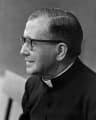
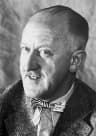
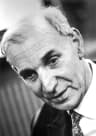
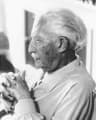
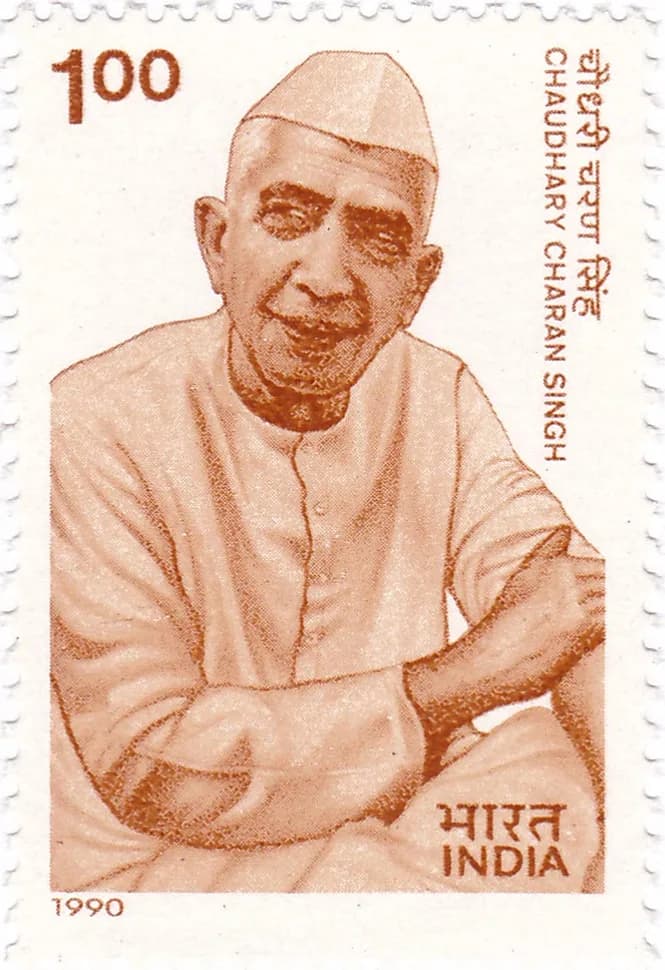
Charan Singh (1902–1987) was India best known for Prime Minister of India.
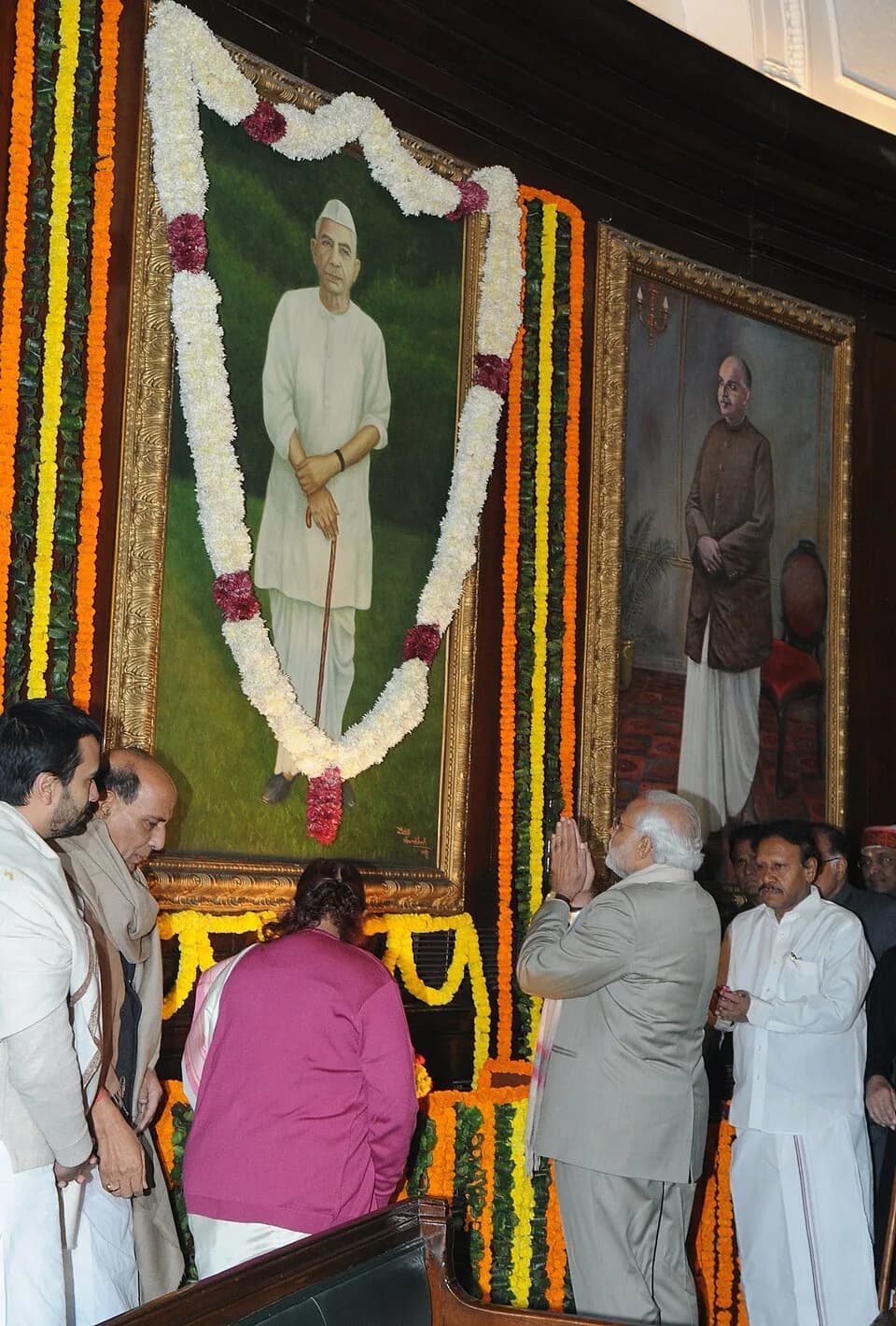
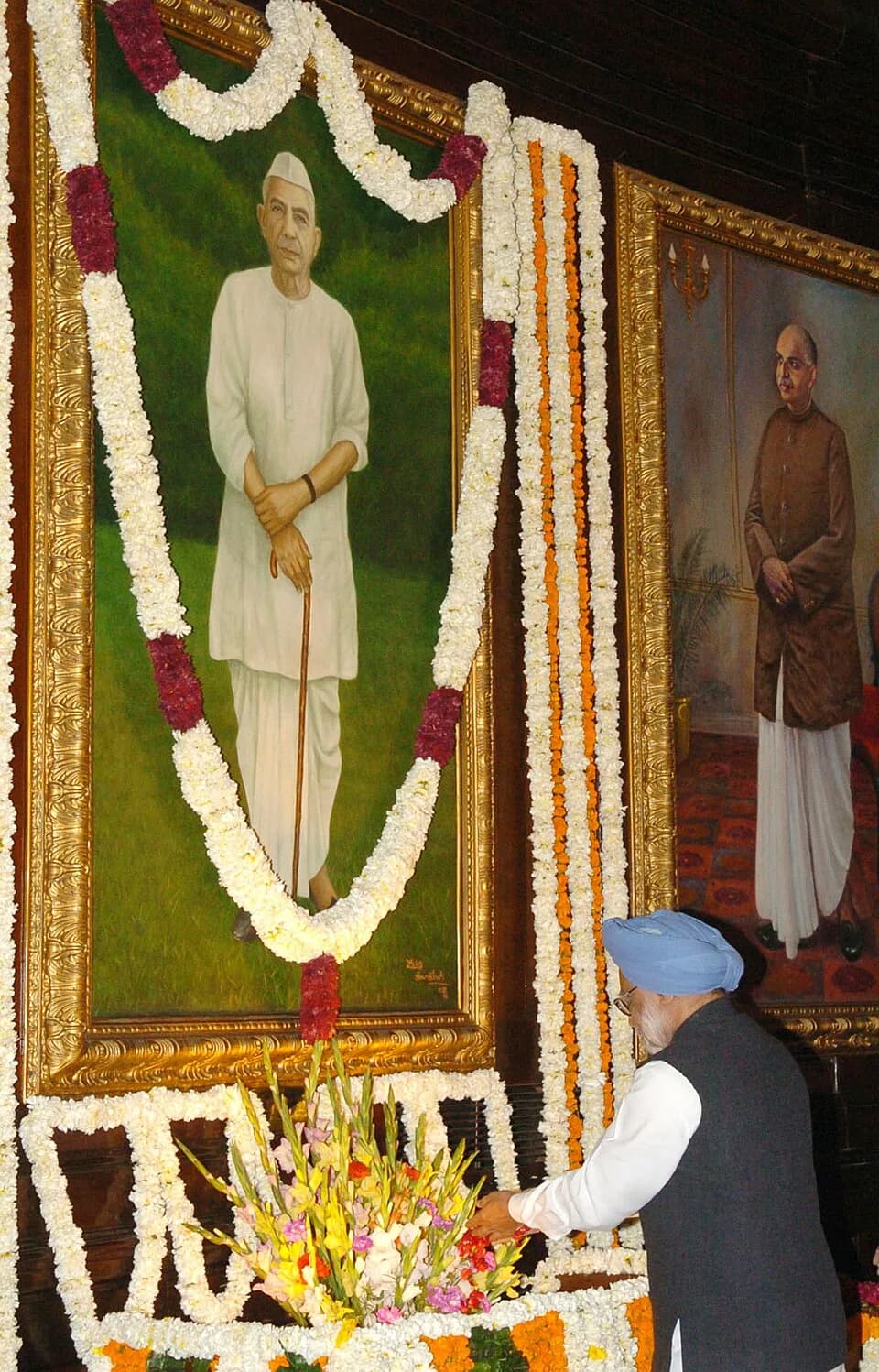
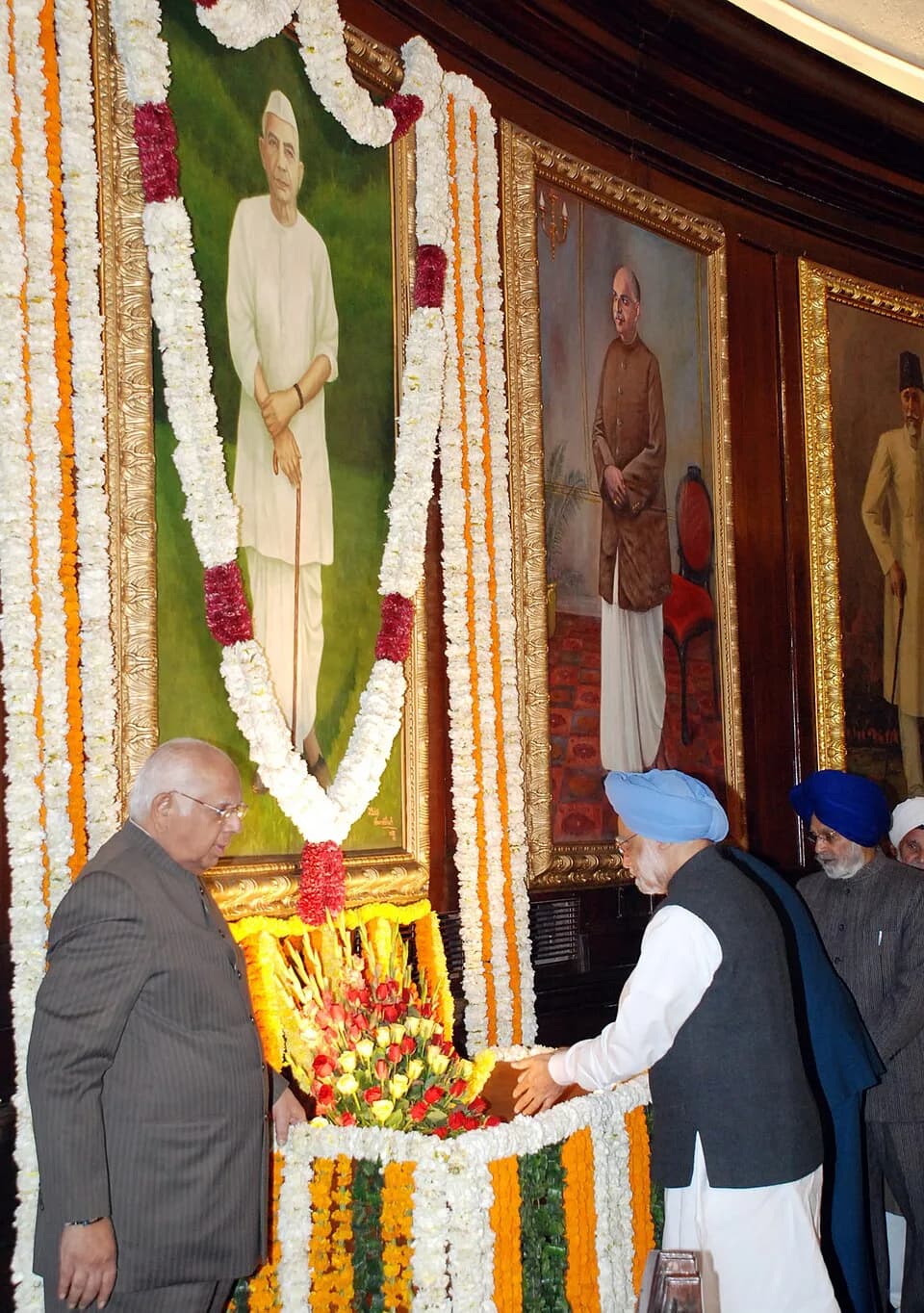
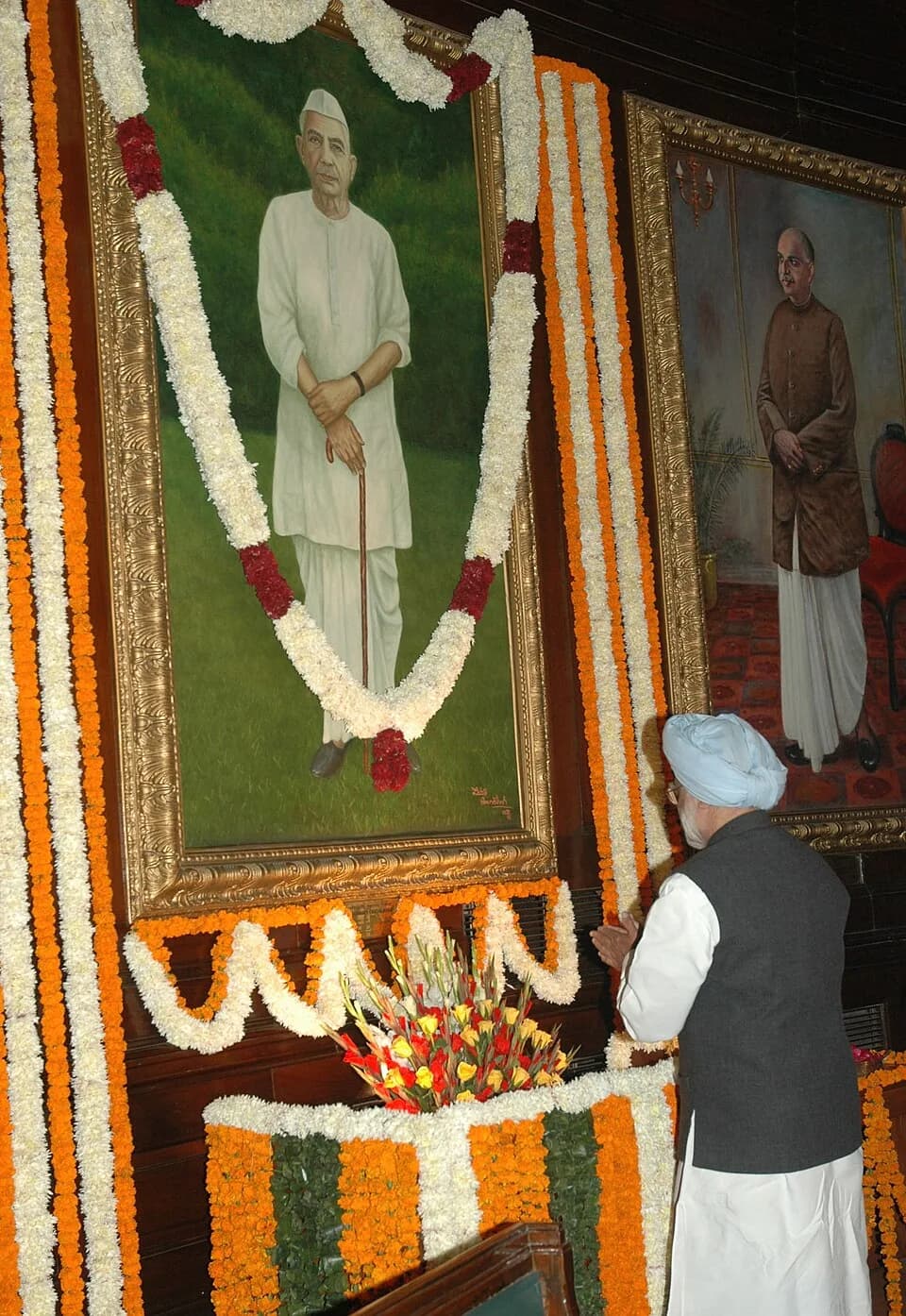
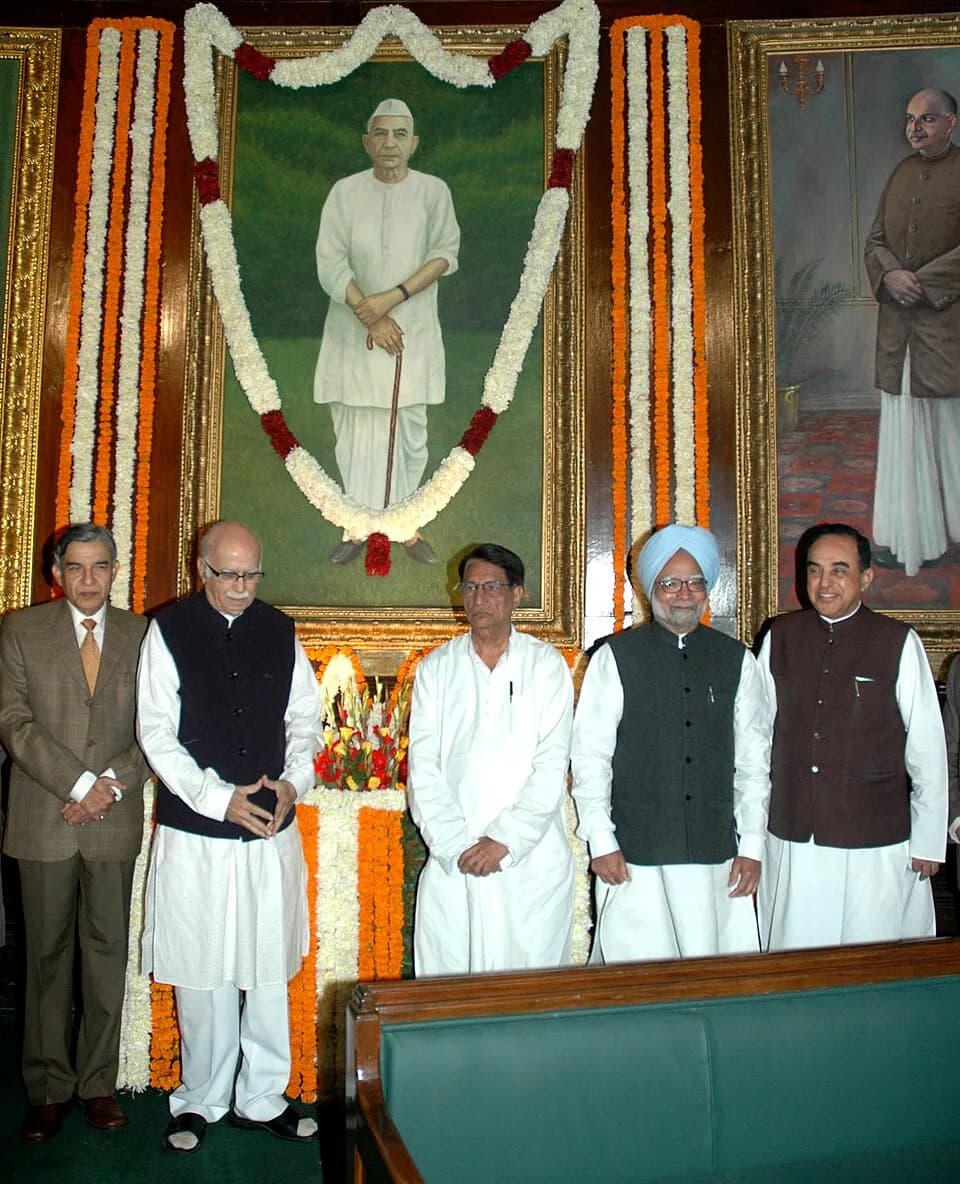
Chaudhary Charan Singh (1902-1987) was an Indian politician, peasant leader, and independence activist who served as Prime Minister of India from July 1979 to January 1980. Known as the "Champion of Farmers," he dedicated his life to agricultural reform and farmer rights. His legacy continues to influence India's agricultural policy discussions.
0 kapitulua
Bizitzako kapituluak
1 kapitulua · 1902· 1. kapitulua 6tik
Early Life and Origins
Chaudhary Charan Singh was born on December 23, 1902, in the village of Noorpur, India. Growing up in a rural agricultural community during the British colonial period, Singh witnessed firsthand the struggles faced by farmers and peasants under the existing land tenure system. This early exposure to rural hardships would shape his entire political philosophy and career trajectory. His formative years in Noorpur instilled in him a deep understanding of agricultural issues and the socioeconomic challenges that plagued India's vast rural population.
2 kapitulua· 2. kapitulua 6tik
Career Beginnings and Independence Movement
Singh began his political journey as an independence activist, joining the freedom struggle against British rule. His early involvement in the independence movement was driven by his belief that true freedom could only be achieved through the empowerment of India's agricultural masses. During this period, he developed his core political philosophy centered on land reform and agricultural rights. His grassroots approach and deep connection with rural communities distinguished him from many of his contemporaries in the independence movement.
3 kapitulua · 1979· 3. kapitulua 6tik
Major Achievements and Career Highlights
Singh's most significant achievement came when he served as the Prime Minister of India from July 1979 to January 1980, making him the fifth person to hold this office. Prior to his premiership, he served as Deputy Prime Minister of India from January 1979 to July 1979 as a member of the Janata Party. His tenure as Chief Minister of Uttar Pradesh as a member of Bharatiya Kranti Dal further demonstrated his commitment to state-level governance and reform.
Throughout his career, Singh served as Member of Parliament for Baghpat, representing the agricultural constituency that aligned with his political vision. During his brief stint as Prime Minister, he was associated with the Janata Party (Secular), continuing his focus on policies that would benefit India's farming community. His land and agricultural reform initiatives became the cornerstone of his political legacy, earning him recognition as a peasant leader who truly understood the needs of rural India.
5 kapitulua · 1980· 5. kapitulua 6tik
Later Years and Final Service
Even after his brief tenure as Prime Minister ended in January 1980, Singh continued to be an influential voice in Indian politics. His later years were marked by continued advocacy for farmer rights and agricultural reform, maintaining his reputation as an unwavering champion of rural causes. He remained active in political discourse and policy debates, using his experience and expertise to guide discussions on agricultural development and land reform.
6 kapitulua · 1987· 6. kapitulua 6tik
Legacy and Impact
Chaudhary Charan Singh's death on May 29, 1987, in New Delhi marked the end of an era in Indian politics focused on agricultural advocacy. His legacy as the "Champion of Farmers" continues to influence agricultural policy discussions in India decades after his passing. The reforms he initiated and the policies he advocated laid important groundwork for subsequent agricultural development programs.
Singh's unique position as both a practitioner and theorist of agricultural policy made him a rare figure in Indian politics. His ability to combine grassroots organizing with high-level governance, from village politics to the Prime Minister's office, demonstrated the possibility of translating local concerns into national policy. His brief but impactful tenure as Prime Minister, though lasting only six months, highlighted the importance of agricultural issues in national governance and established precedents for farmer-focused policies that continue to resonate in contemporary Indian politics.
Bizitza uneetan
Bizitza moldatu zuten uneak
Ohiko galderak
Maiz egindako galderak
Noiz hil zen Charan Singh?
Charan Singh 1987(e)ko maiatzaren 29(a) hil zen New Delhi, India-n, 84 urte zituela.
Non jaio zen Charan Singh?
Charan Singh Noorpur, India-n jaio zen 1902(e)ko abenduaren 23(a).
Zertarako da ezagunena Charan Singh?
Charan Singh ezagunena da Prime Minister of India-rengatik.
Zenbat urte zituen Charan Singh-k hil zenean?
Charan Singh-k 84 urte zituen hil zenean.
Zer nazionalitatekoa zen Charan Singh?
Charan Singh India-koa zen.
Denbora-lerroa
Bizitza begirada batean
Argazki galeria
Bizitza iruditan
Egin klik edozein polaroidetan handitzeko · 25 argazki
QR kodea
Partekatu Biografia Hau
Inprimatu eta partekatu
Eskaneatu biografia orri hau bisitatzeko. Inprimatu ekitaldi, erakusketa edo hezkuntza materialetarako.